
Soil Is Alive!
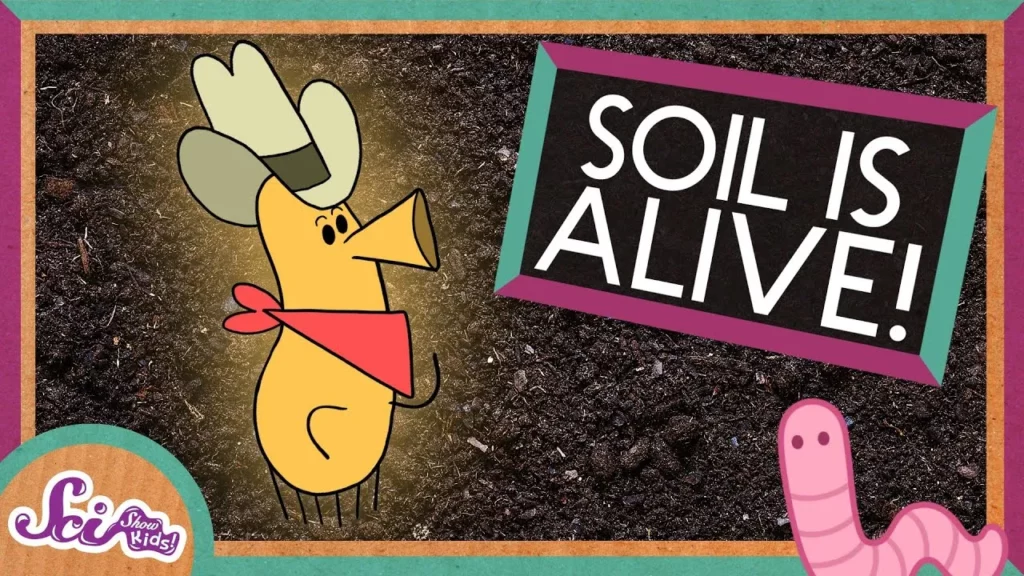
In this lesson, we explored the fascinating world of soil, which is much more than just dirt; it is a vibrant ecosystem teeming with life. We learned about the various components of soil, including organic matter and tiny creatures like tardigrades, and discovered the importance of biodiversity in supporting plant growth through symbiotic relationships with fungi and decomposers. Ultimately, soil acts as a hidden hero, recycling nutrients and maintaining the health of our gardens.
Life as a Tree!
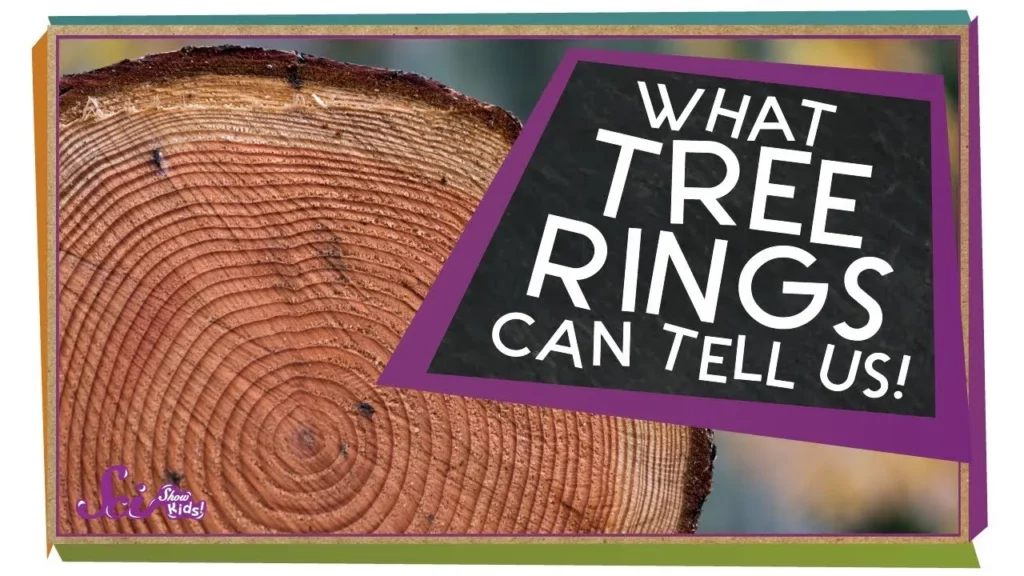
The lesson explores the fascinating world of tree rings, which serve as a record of a tree’s life and the environmental conditions it has faced. By counting and analyzing these rings, scientists can determine a tree’s age and learn about historical events such as droughts and fires, revealing the resilience of trees and their ability to adapt to challenges. Ultimately, the study of tree rings not only tells the story of individual trees but also provides insights into the broader ecological history of an area.
How Sharks Find Food With Electricity!
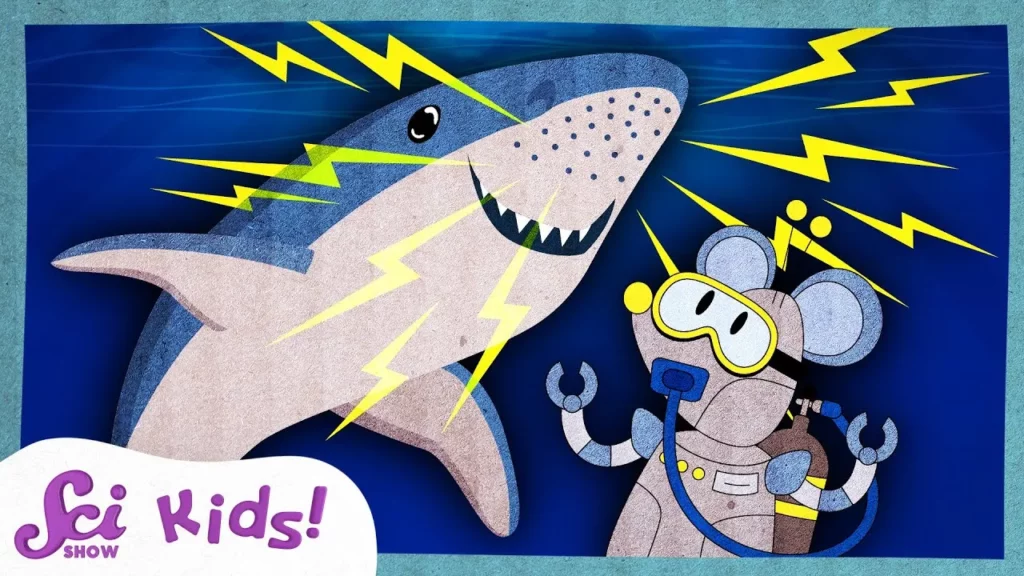
In today’s lesson, we played a game called Hide & Squeak, where we used our senses—like hearing and smelling—to find Squeaks. We also learned about sharks and their unique sense of electroreception, which allows them to detect electrical signals from hidden prey, enhancing their hunting abilities. This lesson highlighted the importance of different senses in both humans and animals, showcasing how they help us experience and interact with the world around us.
The World’s Tallest Trees!
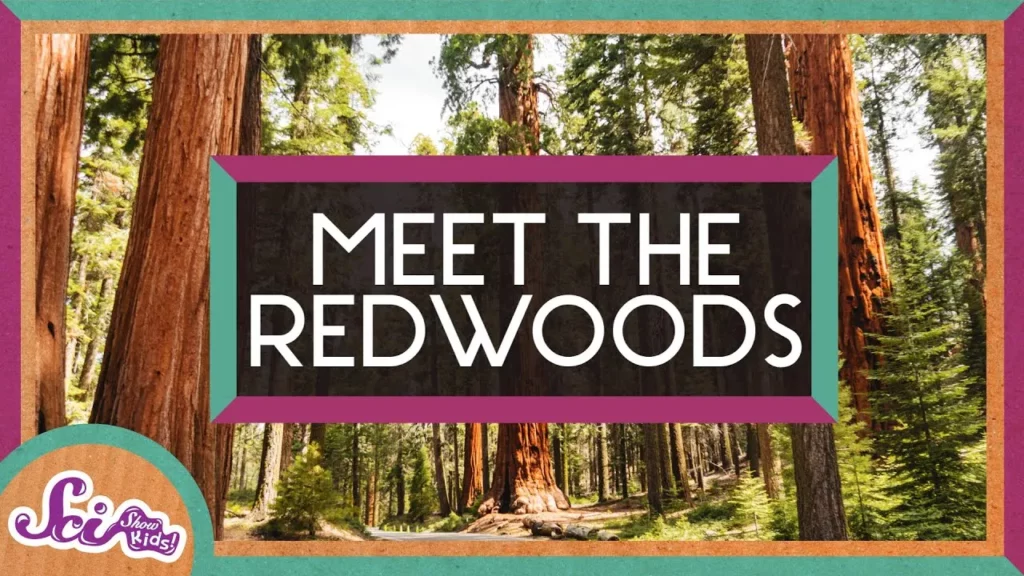
In this lesson, we explore the fascinating world of redwood trees, the tallest trees on Earth, known for their impressive height, thick trunks, and longevity. We learn about their unique growth process, which relies on wildfires to create space for seedlings, and how young redwoods often grow from the roots of older trees to access water. Join Squeaks and the narrator on their upcoming adventure to discover more about these incredible giants!
Meet the Mars Rovers!
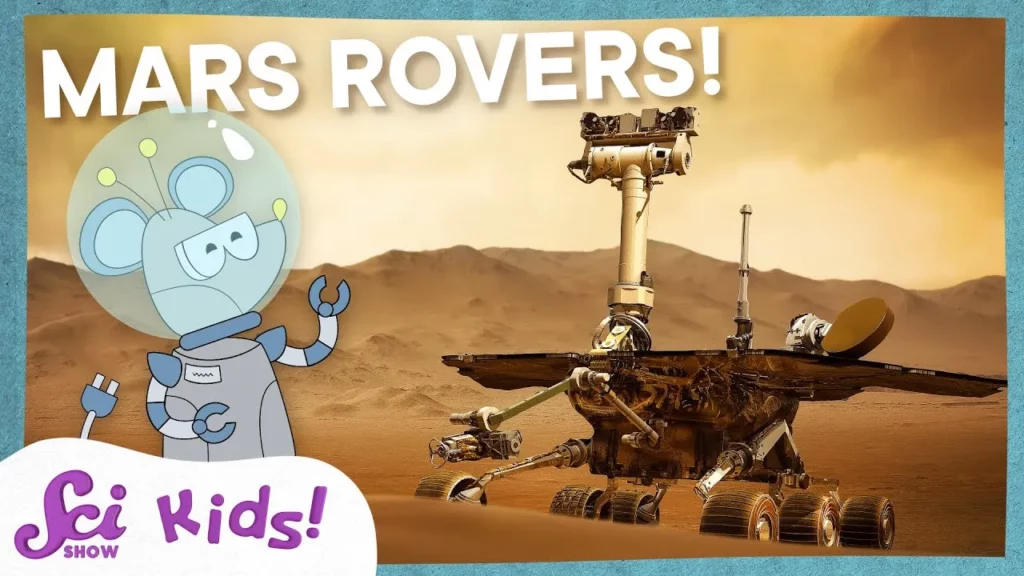
In this lesson, students learn about the role of rovers, which are remote-controlled vehicles used by scientists to explore Mars. The lesson covers the functions of these rovers, their importance in answering questions about Mars’ history and potential for life, the challenges of landing and powering them, and the advancements in technology that enable this exploration. Overall, it emphasizes the significance of rovers in enhancing our understanding of the Red Planet.
Why Do We Sweat?
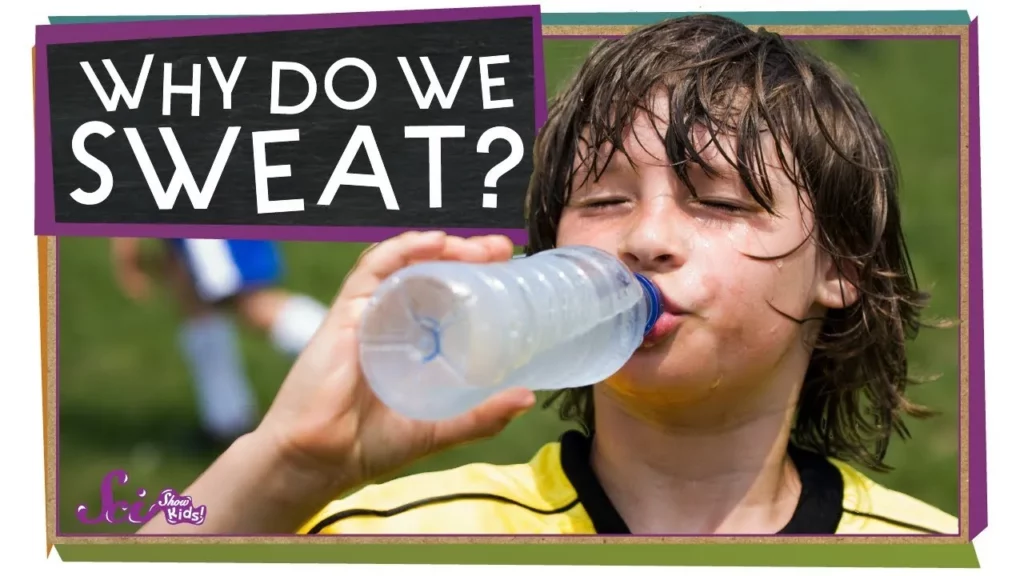
The lesson explains the process of sweating, highlighting its role in regulating body temperature when we get too hot from activities like exercise. It describes how sweat glands work, the types of sweat glands present in our bodies, and factors that influence individual sweating levels. Additionally, it emphasizes the importance of staying hydrated to replenish the fluids lost through sweating.
What’s Inside a Pinecone?
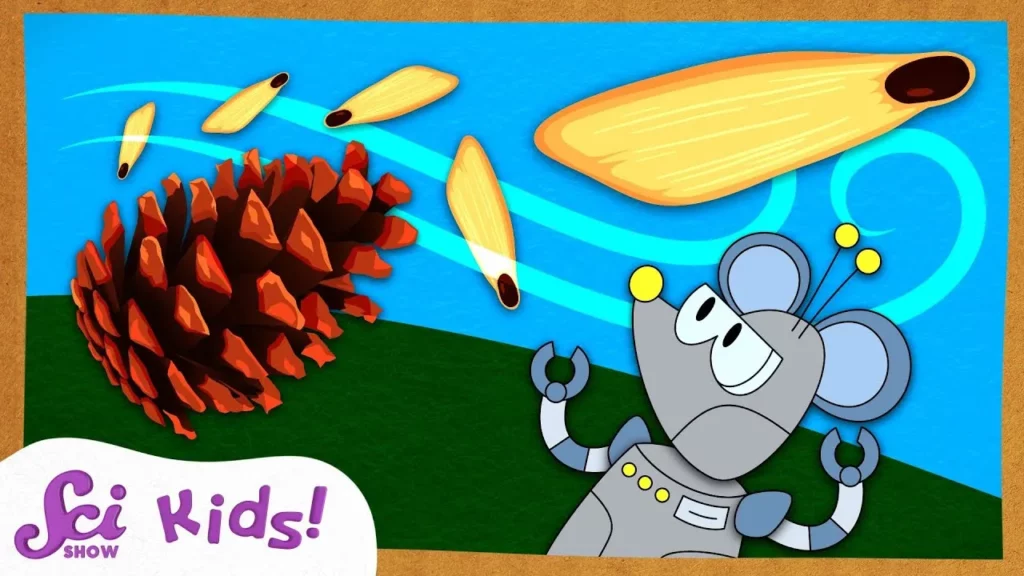
In this lesson, we explored the fascinating behavior of pine cones, particularly how they open and close in response to environmental conditions. We learned that pine cones protect their seeds by closing up when wet and opening when dry, allowing seeds to travel further for better growth opportunities. This natural mechanism highlights the clever ways plants adapt to their surroundings to ensure their survival.
The Very Long Time of the Dinosaurs!
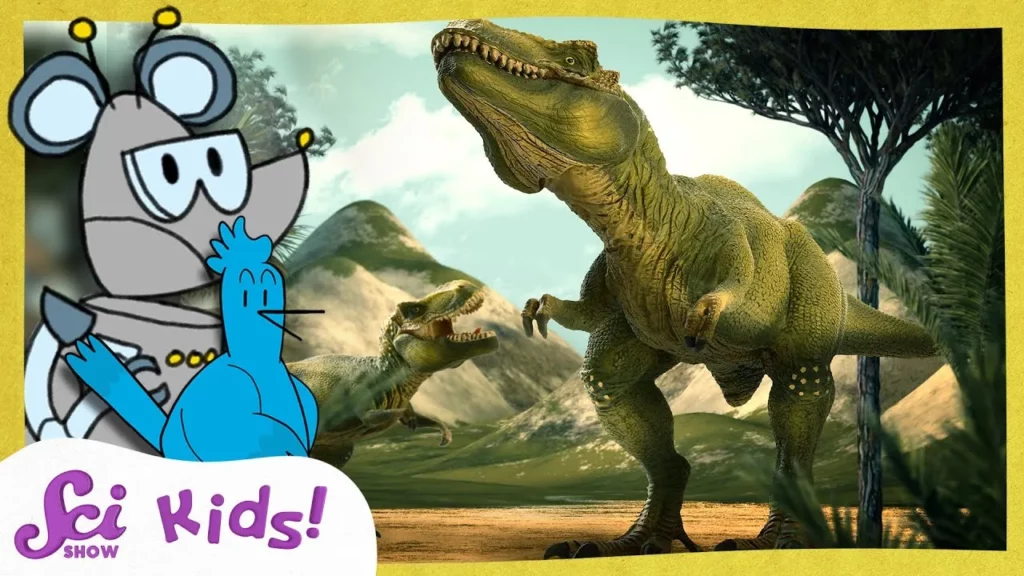
In the lesson “Discovering Dinosaurs with Jessi and Friends,” Jessi, Squeaks, and Dino explore fascinating facts about dinosaurs, including their diets and the different periods they lived in. They learn that dinosaurs were categorized into three main periods—Triassic, Jurassic, and Cretaceous—and use a fun body model to understand the vast time scales involved. The lesson emphasizes how we gather knowledge about these ancient creatures through fossils, which serve as clues to their existence.
Where Does Sand Come From and More Viewer Questions Answered!
In this lesson, we explored three fascinating topics: the origin of sand, the basics of coding, and the sleep habits of butterflies. Sand is formed from tiny rock particles broken down by wind and water over time, while coding involves writing instructions for computers to perform tasks. Lastly, the question of whether butterflies sleep remains a mystery, with scientists continuing to study their behavior to uncover more about these intriguing insects.
Wiggly Gelatin Treats!
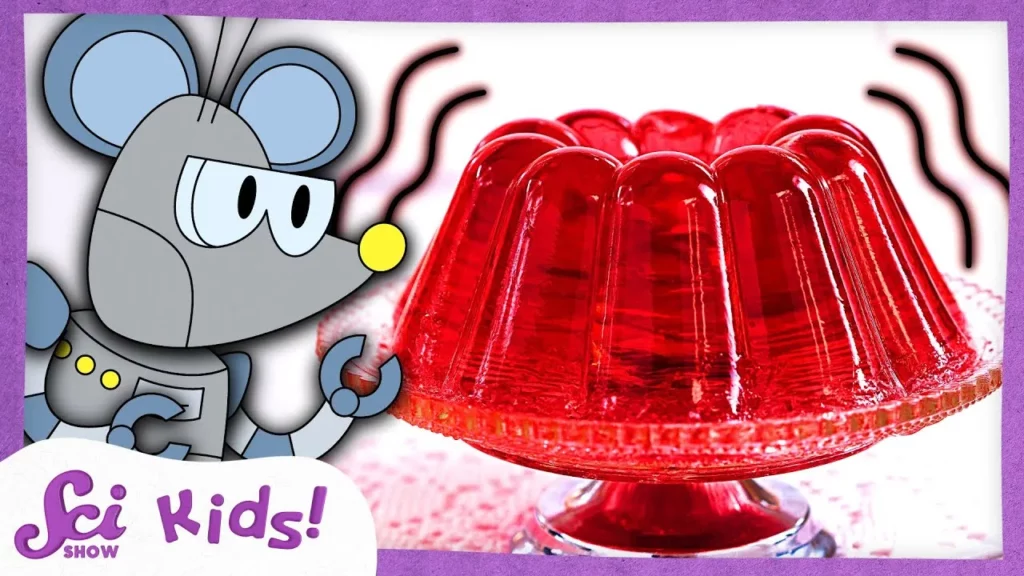
In this lesson, we explored the fascinating properties of gelatin, discovering that it behaves as both a solid and a liquid, making it a unique colloid. Through a fun experiment of making gelatin from scratch, we learned how the gelatin powder dissolves in boiling water and transforms into a wobbly dessert, illustrating the science behind its structure. The lesson also encouraged thinking about other mixtures, like oobleck and slime, that share similar characteristics with gelatin.