
Butterfly or Moth?
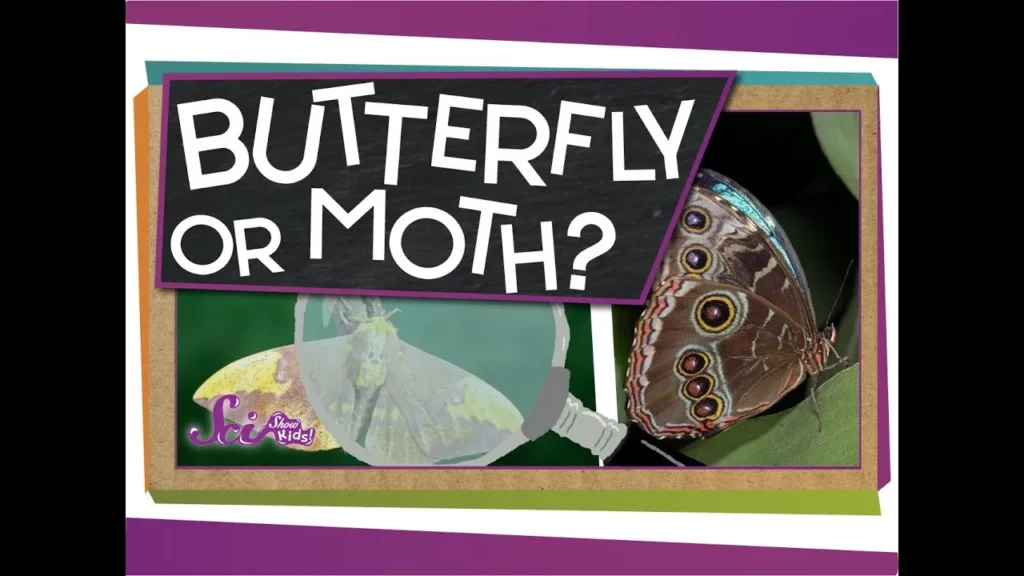
In this lesson, we explore the differences between butterflies and moths, focusing on key characteristics such as their antennae, activity times, wing positions, and transformation processes. Butterflies have long, smooth antennae and are active during the day, while moths possess feather-like antennae and are primarily nocturnal. By observing these traits, we can easily distinguish between these two fascinating insects.
Meet the Marsupials!
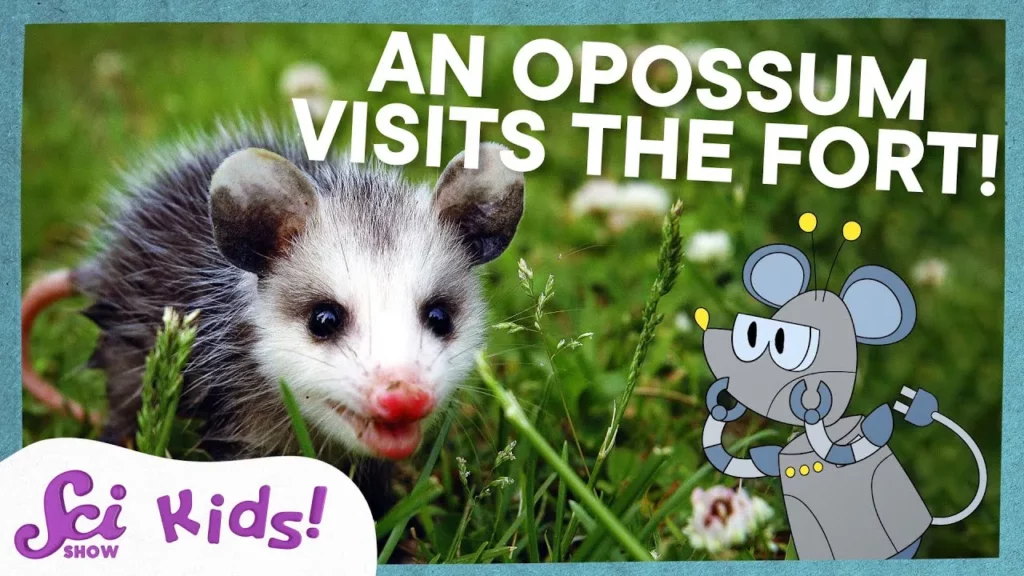
In this lesson, students embark on an adventure to explore the unique world of marsupials, particularly focusing on kangaroos and their special pouches where baby kangaroos, or joeys, grow safely. The lesson highlights the significance of marsupials in Australia, their adaptations for survival, and introduces the Virginia opossum as a North American marsupial. Through engaging storytelling, students learn about the fascinating characteristics and behaviors of these remarkable animals.
Why Do Things Float in Space?
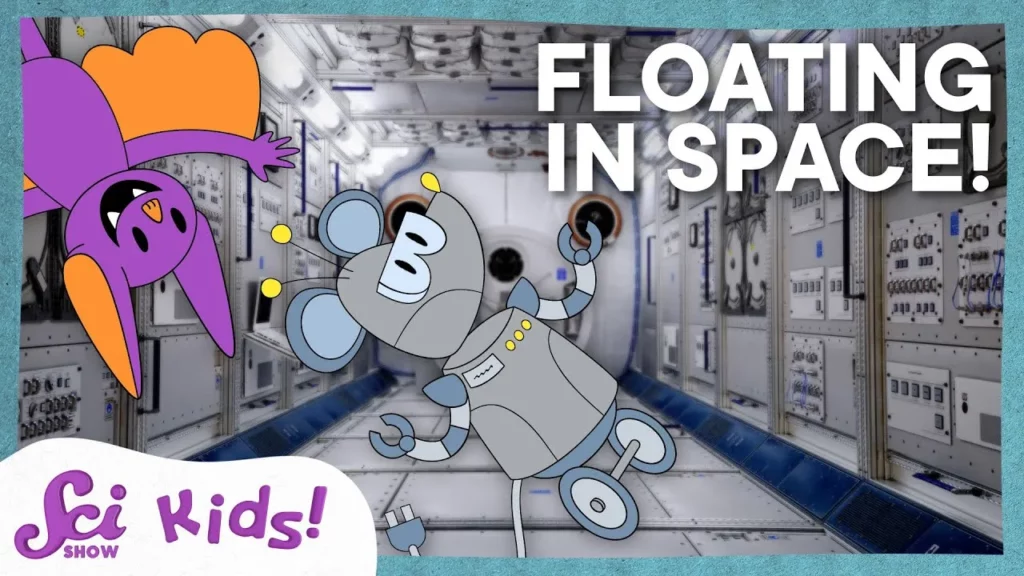
In this lesson, we explored how living in space differs from life on Earth, particularly focusing on the effects of reduced gravity on everyday phenomena. We learned that water floats in blobs instead of spilling and that flames burn in round shapes rather than pointy ones due to the lack of gravitational pull. These unique behaviors highlight the fascinating ways gravity influences our experiences, sparking curiosity about other activities in space.
The Outrageous Octopus!
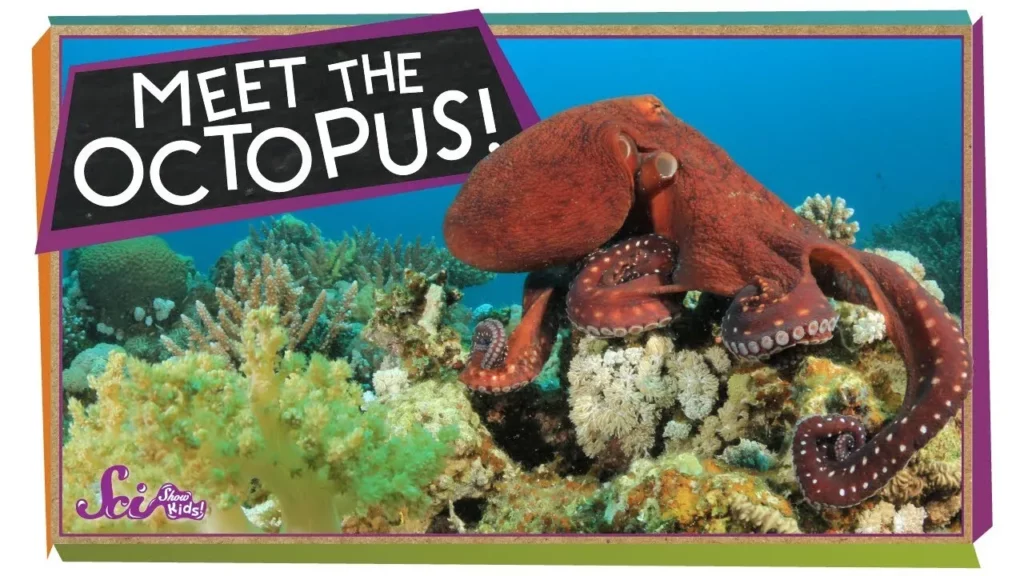
In this lesson, students are introduced to the fascinating world of octopuses, highlighting their unique physical characteristics, such as having eight arms, blue blood, and three hearts. The lesson emphasizes the intelligence and curiosity of octopuses, noting that their arms can think independently and perform various tasks, showcasing their remarkable problem-solving abilities. Ultimately, it encourages students to explore and learn more about these extraordinary creatures and their similarities to humans.
Dimetrodon, the Animal With a Sail!
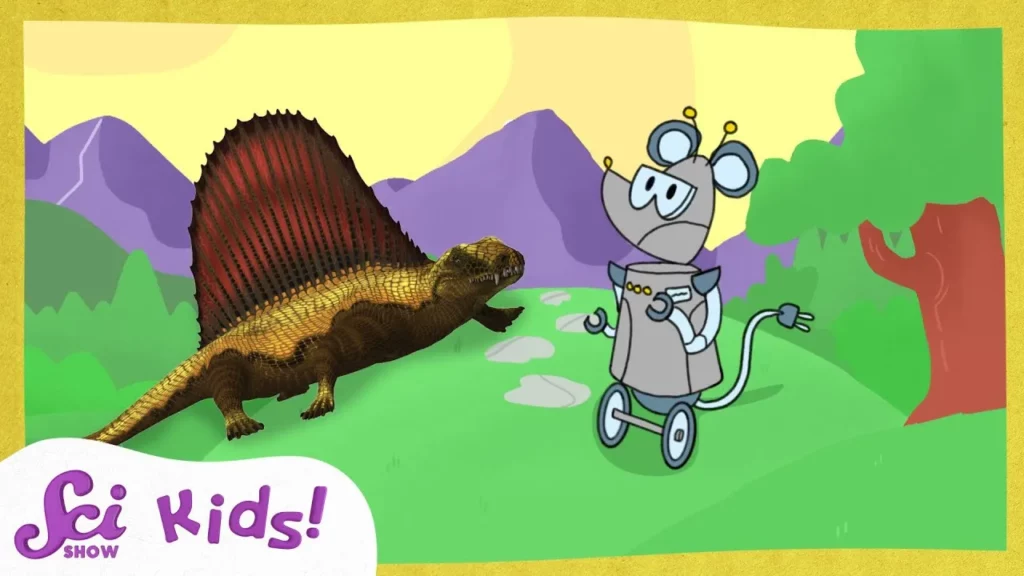
In today’s lesson, we explored the fascinating world of ancient creatures, focusing on the Dimetrodon, a large prehistoric animal that lived around 270 million years ago during the Permian Period. Unlike dinosaurs, the Dimetrodon is more closely related to mammals and is notable for its distinctive sail, which scientists theorize may have been used for thermoregulation or attracting mates. Students are encouraged to think critically about the purpose of the sail and to express their curiosity about other ancient animals.
Grow Your Own Plants!
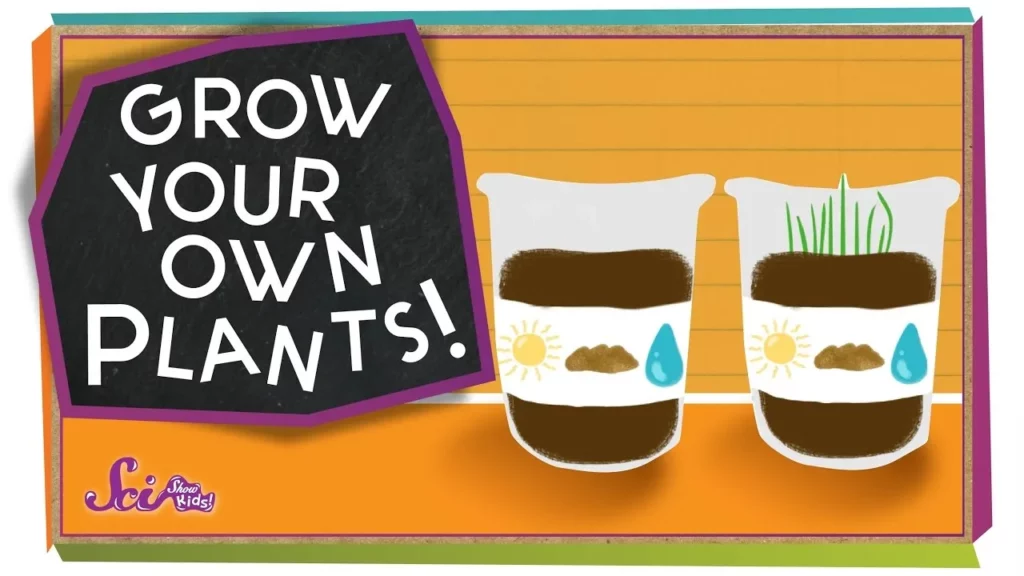
In this lesson, students explore the essential needs of plants—water, soil, and sunlight—and learn how these factors affect their growth through a hands-on experiment. By growing four plants under different conditions, they will observe the impact of missing elements on plant development and document their findings in a plant journal. This engaging activity encourages curiosity about the natural world and the science of plant growth.
Super Simple Machines: Levers
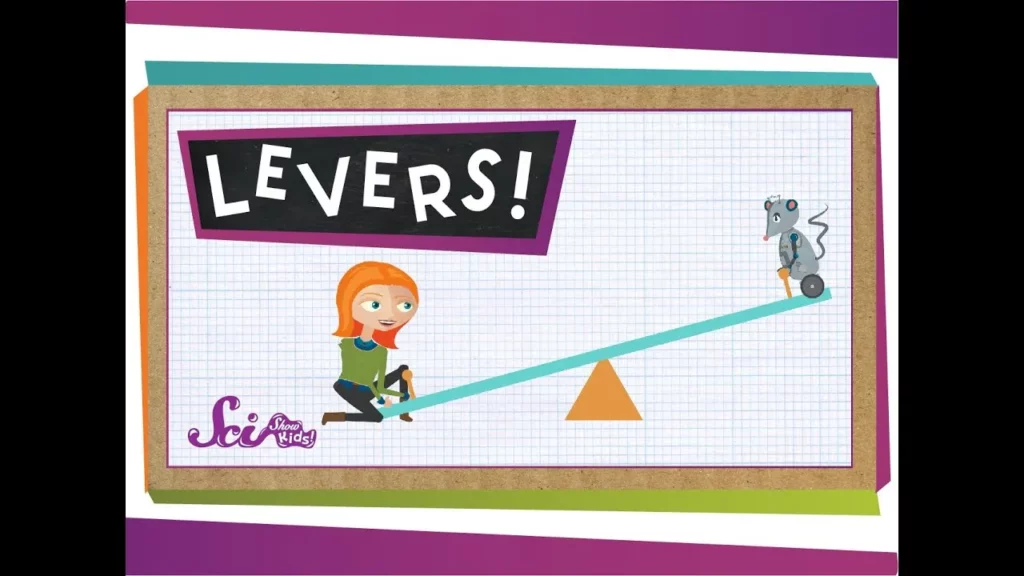
In today’s lesson, Squeaks and the narrator explored the concept of simple machines, specifically focusing on levers, while on an adventure to lift heavy rocks in search of insects. They demonstrated how a lever works by using a fulcrum to make lifting easier, highlighting that the closer the fulcrum is to the object being lifted, the less effort is required. The lesson emphasized the practical applications of levers in everyday life, encouraging curiosity about simple machines and their functions.
Make the Most of Compost!
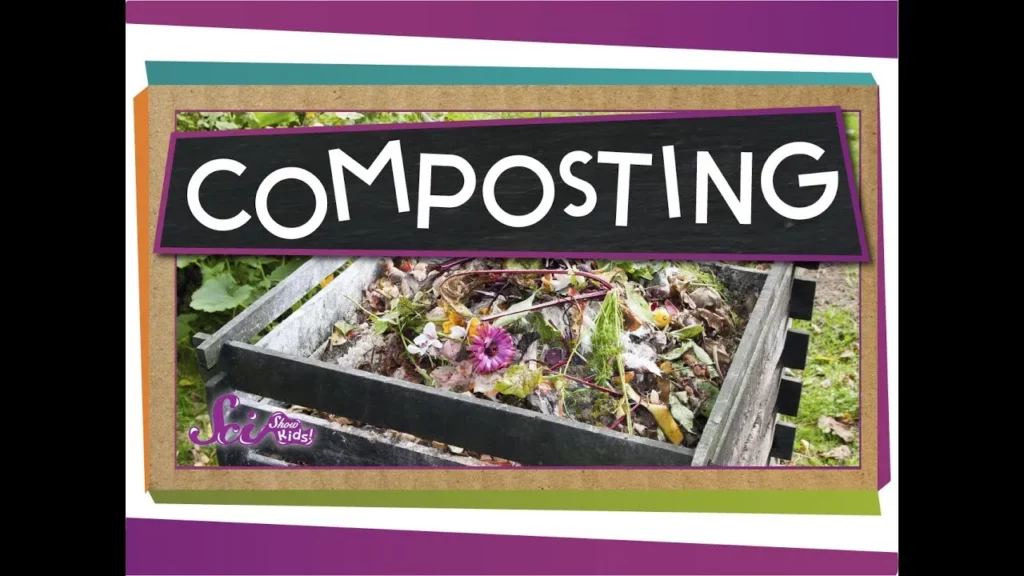
The lesson “Turning Trash into Treasure: The Magic of Composting!” teaches students about the process of composting, which involves recycling organic waste like kitchen scraps and dead leaves into nutrient-rich compost for gardening. It explains how decomposers, such as worms and mushrooms, break down this waste, highlighting the importance of nutrients for plant growth. Students are encouraged to create their own compost at home using a simple method that involves layering green and brown waste, ensuring proper aeration, and being patient as the compost develops.
How High Can You Stack?
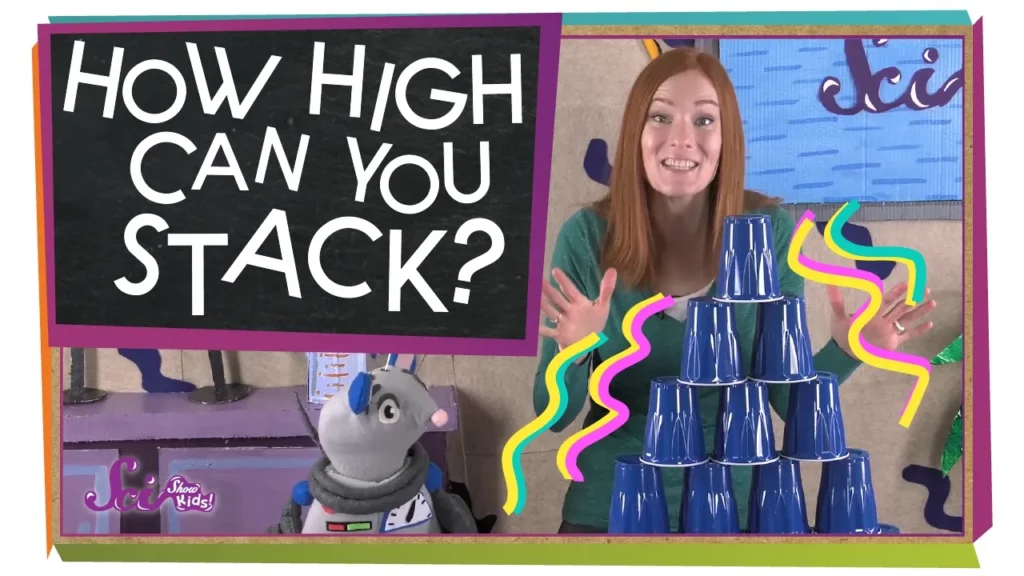
In this lesson, participants are challenged to build a tower using cups, focusing on the importance of stability in construction. By experimenting with different stacking methods, such as creating a pyramid shape with a wide base, learners discover how distributing weight can prevent structures from wobbling and falling. The lesson encourages hands-on exploration and highlights the principles of stability that apply not only to cup towers but also to real-world buildings.
Ramps: A Super, Simple Machine!
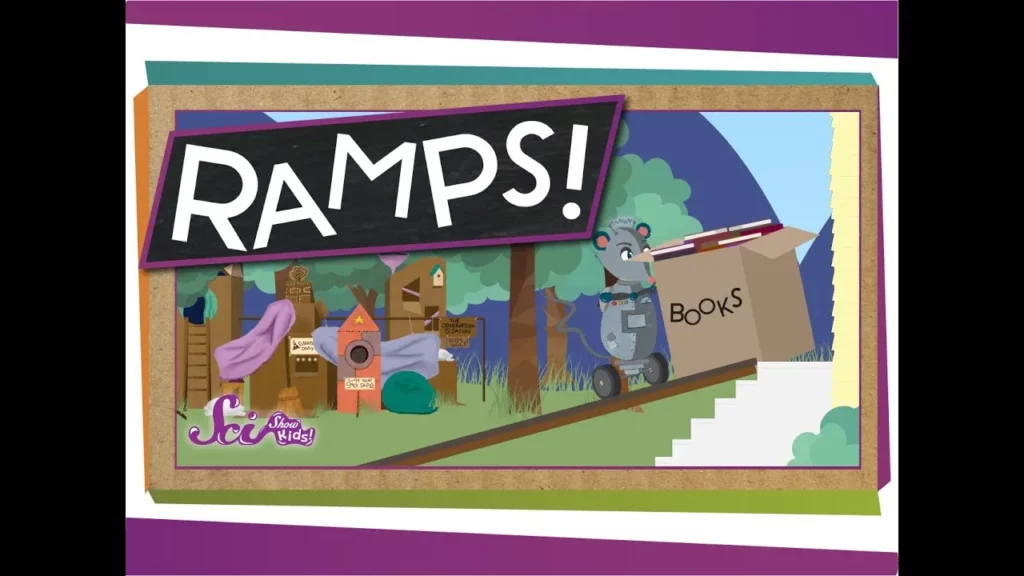
In this lesson, we explored the concept of ramps as simple machines that help make heavy tasks easier. Squeaks and the narrator faced the challenge of moving heavy boxes up steps and discovered that using a ramp allowed them to push the boxes more easily by reducing the effort needed. The lesson emphasizes the importance of ramps in everyday life and encourages further exploration of simple machines.