
What Happens If You Swallow Gum?
In this lesson, the narrator shares their experience of accidentally swallowing gum and dispels the myth that it stays in the stomach for seven years. Instead, they explain that while gum is not digestible, it passes through the digestive system and is expelled within a few days, emphasizing the importance of learning from mistakes and being cautious about chewing gum before meals.
How Do We Sing?
In this lesson, Jessi and her friend Sam the Bat explore the science of sound through fun experiments with a balloon and a rubber band. Jessi demonstrates how the pitch of sound can change by manipulating the balloon, paralleling how vocal folds work when singing. The lesson emphasizes the importance of breath control in producing sound and encourages curiosity about the body’s functions and the world of sound.
How Do Lakes Form?
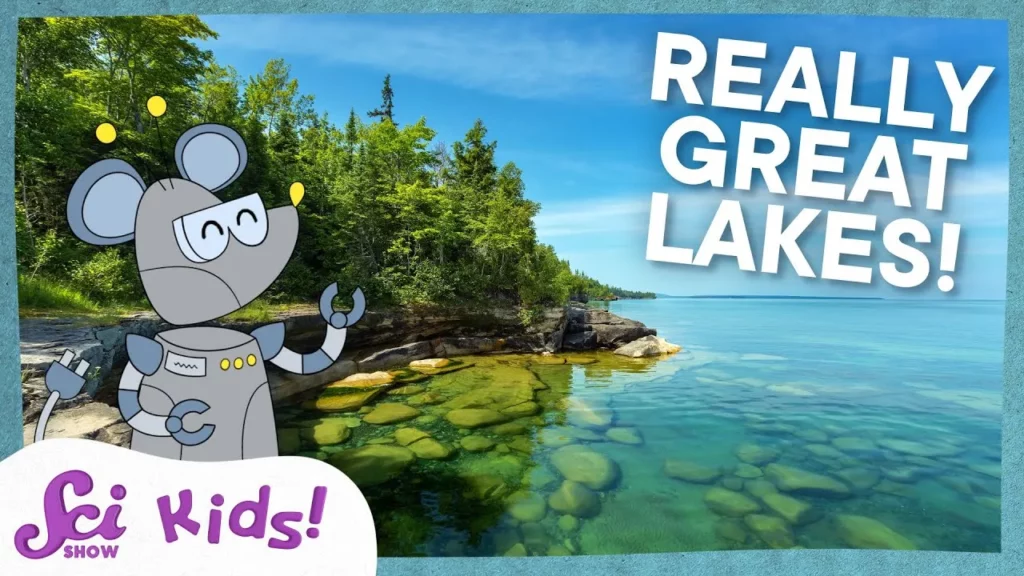
In this lesson, the speaker shares their excitement about moving back to Madison, Wisconsin, for a new job, while acknowledging the challenges of leaving friends behind. They highlight the outdoor opportunities in Wisconsin, particularly around the Great Lakes, and discuss the geological history that created these lakes. Emphasizing the positive aspects of change, the speaker looks forward to new adventures, friendships, and local cuisine, encouraging others to embrace exploration and kindness.
Making a Fountain of Soda!
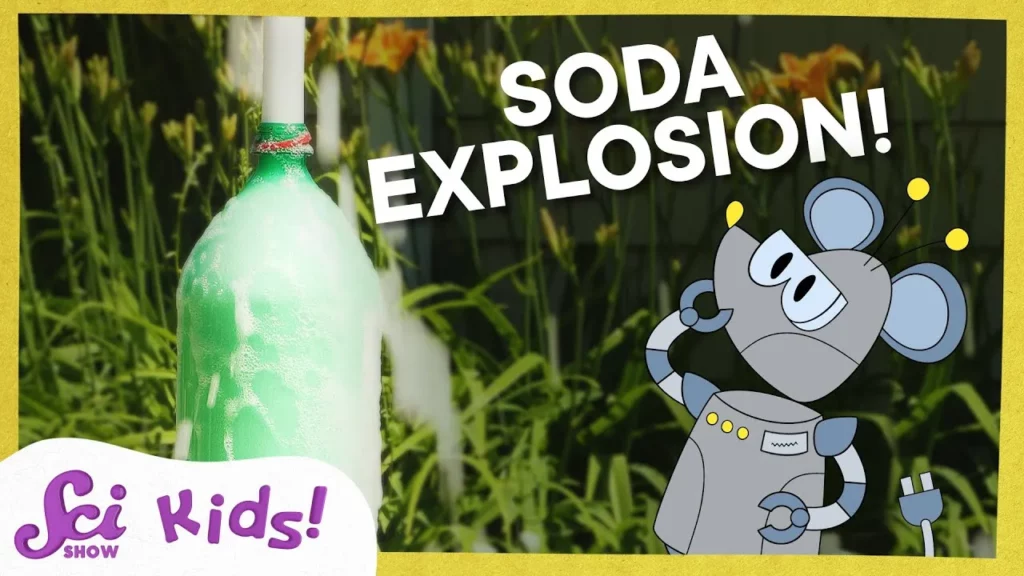
In this lesson, students explore the science behind bubbles in soda and how they create a fizzy sensation. They learn that bubbles are introduced into soda during production and escape when the bottle is opened, leading to fun experiments with different objects like straws and chenille sticks to observe bubble formation. The lesson culminates in a hands-on activity using Mentos and soda to create a soda fountain, demonstrating how the surface texture of the candies enhances bubble production.
What Happened to the Dinosaurs?
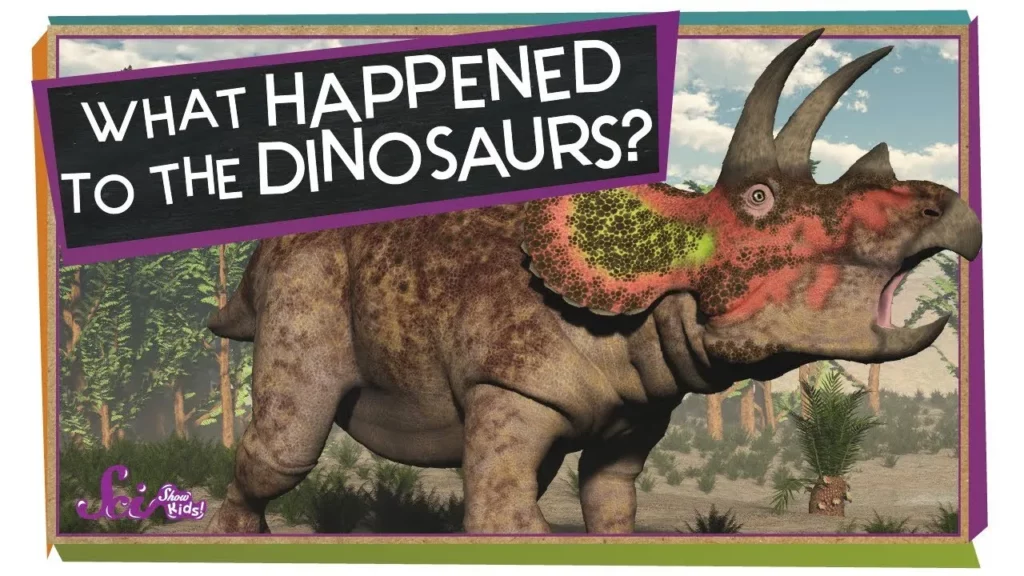
In this lesson, we explore the mystery surrounding the extinction of dinosaurs and many other species around 65 million years ago. Scientists propose two main theories: one suggests that a massive asteroid impact created the Chicxulub crater in Mexico, leading to catastrophic environmental changes, while another theory points to volcanic eruptions in India that may have contributed to the climate shifts. Despite ongoing research, the exact cause of the dinosaurs’ disappearance remains an unsolved mystery.
Unpoppable Bubbles!
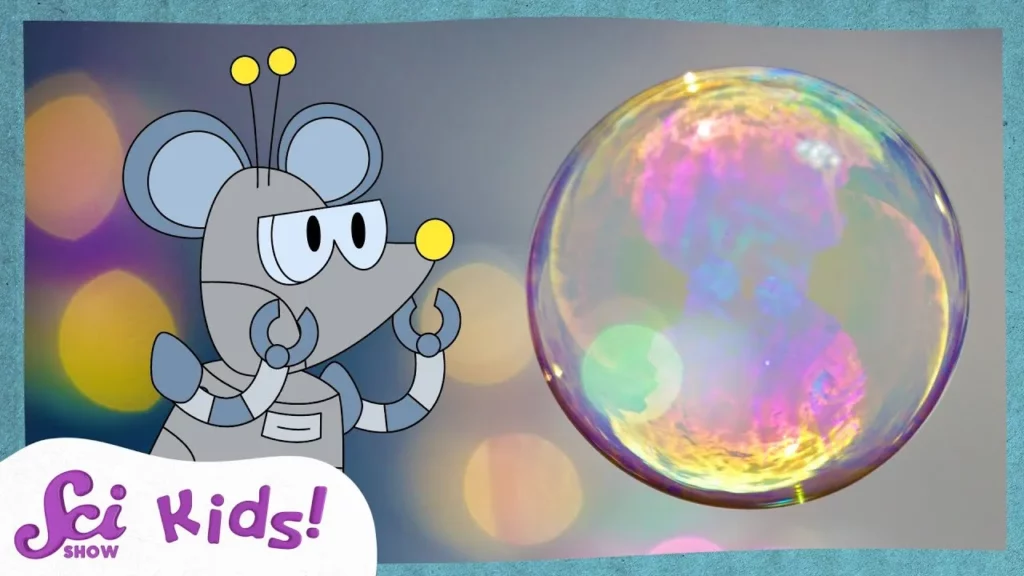
In today’s lesson, Squeaks and I explored the fun of blowing bubbles, learning that bubbles are formed when air is trapped in soapy water, creating a round shape that eventually pops due to escaping water. We conducted an experiment to make bubbles last longer by thickening the soap solution with sugar, resulting in a bubble that lasted 90 seconds compared to the original 30 seconds. This sparked our curiosity to try more bubble recipes and experiments in the future!
The Very First Living Thing!
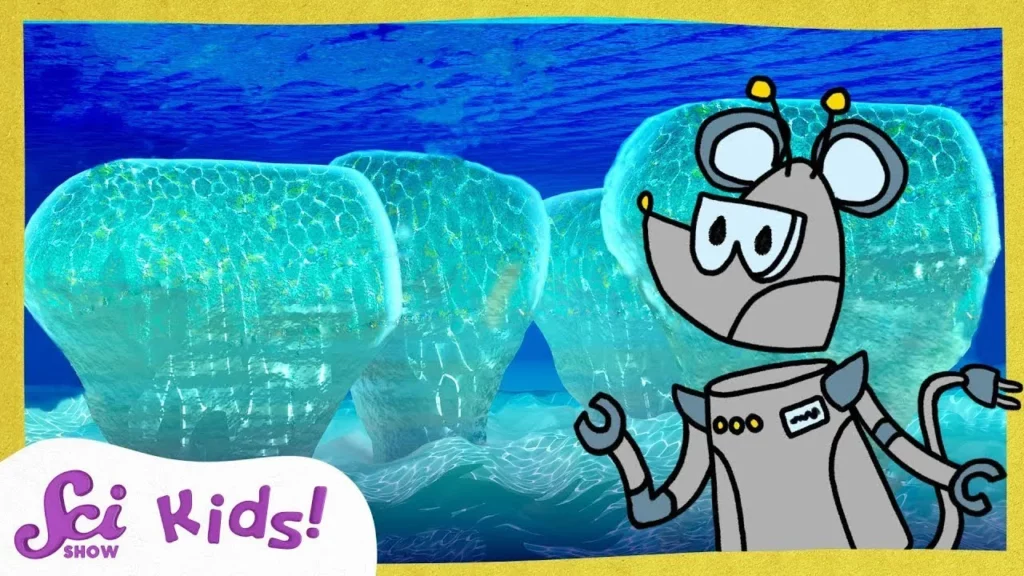
In today’s lesson, we joined Squeaks on an adventurous journey through time to explore the fascinating world of dinosaurs and the ancient life that preceded them. We learned that fossils, particularly stromatolites formed by cyanobacteria, provide crucial clues about early life on Earth, dating back 3.5 billion years. By studying these ancient organisms and their habitats, we gain insight into the planet’s history and the evolution of life long before humans existed.
Sink or Float?
In this lesson, we explored the concepts of sinking and floating through a fun experiment with various objects. By testing items like a stick, metal spoon, plastic spoon, and penny, we learned that whether an object sinks or floats is determined by its density compared to water. The key takeaway is that objects denser than water sink, while those less dense float, illustrating the importance of understanding density in everyday life.
Stupendous Squirrel Storage!
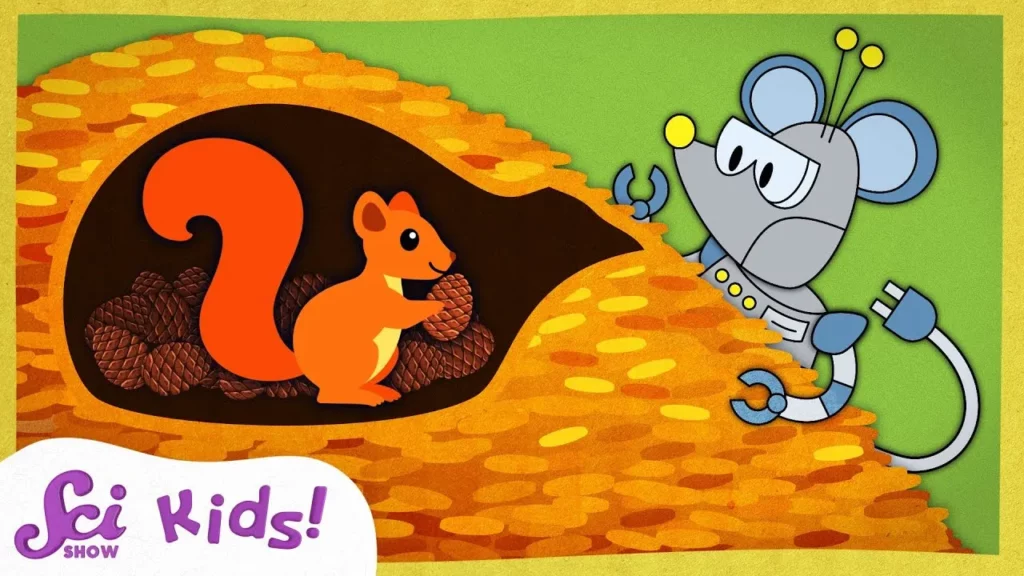
In today’s lesson, we explored the fascinating world of red squirrels and their food storage habits, specifically focusing on middens—piles of pine cones and needles that serve as a winter food supply. We learned that these middens not only benefit the squirrels but also support various other animals in the ecosystem, highlighting the importance of red squirrels as a keystone species. Understanding their role helps us appreciate and protect the delicate balance of forest life.
How Will We Get To Mars?
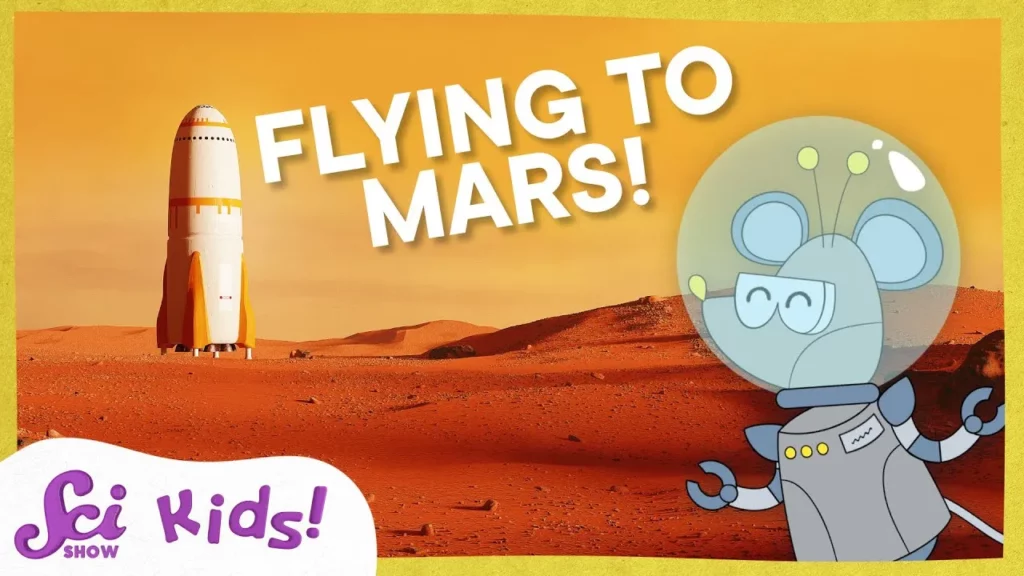
In this lesson, we explored Mars, the Red Planet, highlighting its unique features and the complexities involved in planning a trip there. We learned about the importance of launch windows, the challenges of space weather, and the innovative landing techniques necessary for safely reaching Mars. The lesson emphasizes the ongoing efforts of scientists and engineers to overcome these challenges, paving the way for future human exploration of Mars.