
What Dinosaurs ACTUALLY Looked Like?
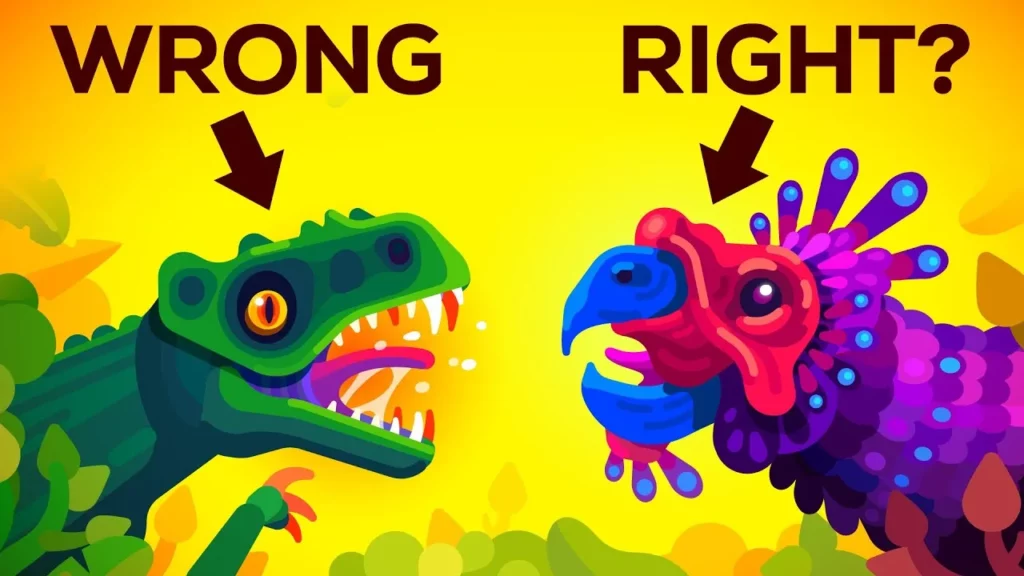
The lesson explores the vast and mysterious realm of the past, emphasizing the importance of fossils as windows into the history of life on Earth. It highlights the incredible diversity of species that have existed, the challenges of fossilization, and the limitations in our understanding of ancient creatures, particularly dinosaurs. Ultimately, it calls for a commitment to preserving the present biodiversity, ensuring that future generations can learn from and appreciate the wonders of life.
Is Organic Really Better? Healthy Food or Trendy Scam?
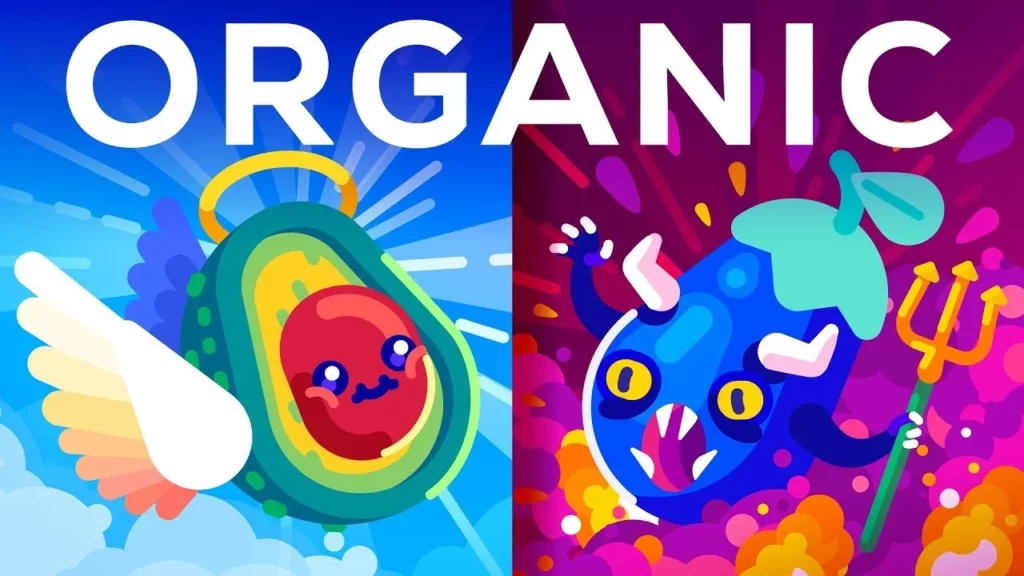
The lesson explores the rise of organic food, highlighting its growing popularity and the complexities surrounding its definition, health benefits, and environmental impact. While organic products are often perceived as healthier and more ethical, research indicates only minor nutritional differences compared to conventional foods, and the environmental benefits are nuanced. Ultimately, the lesson emphasizes the importance of informed choices and a balanced approach to food consumption, prioritizing overall diet quality and local, seasonal produce over strict adherence to organic labels.
The Ultimate Conspiracy Debunker
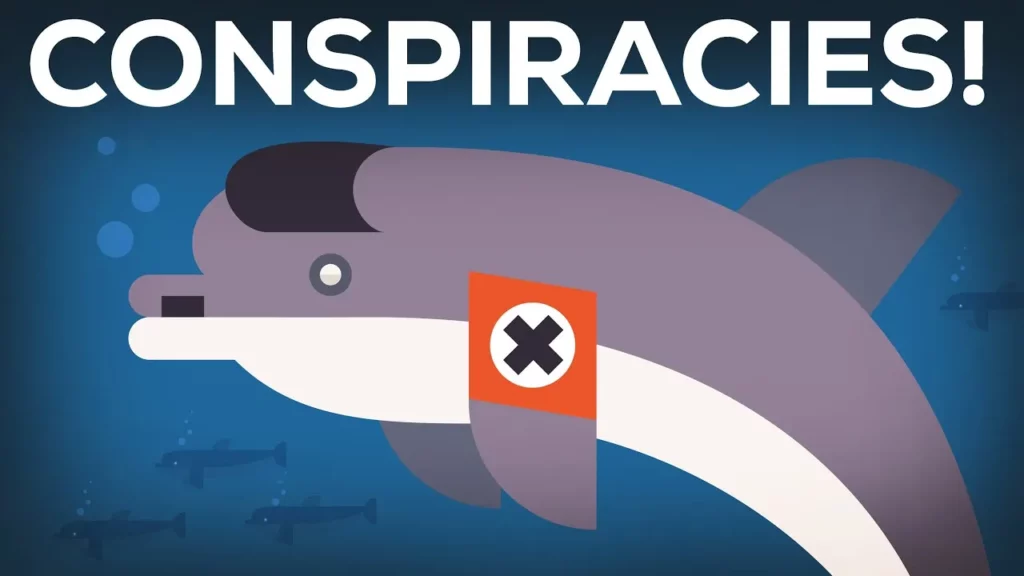
The lesson discusses how the internet has become a breeding ground for conspiracy theories, some of which can lead to harmful skepticism. It introduces a straightforward method for debunking these theories by questioning whether they affect the wealthy and powerful; if they do, the theory is likely false. Through examples like the suppressed cancer cure and chemtrails, the lesson illustrates how this approach can effectively dismantle popular conspiracy claims.
How We Could Build a Moon Base TODAY – Space Colonization 1
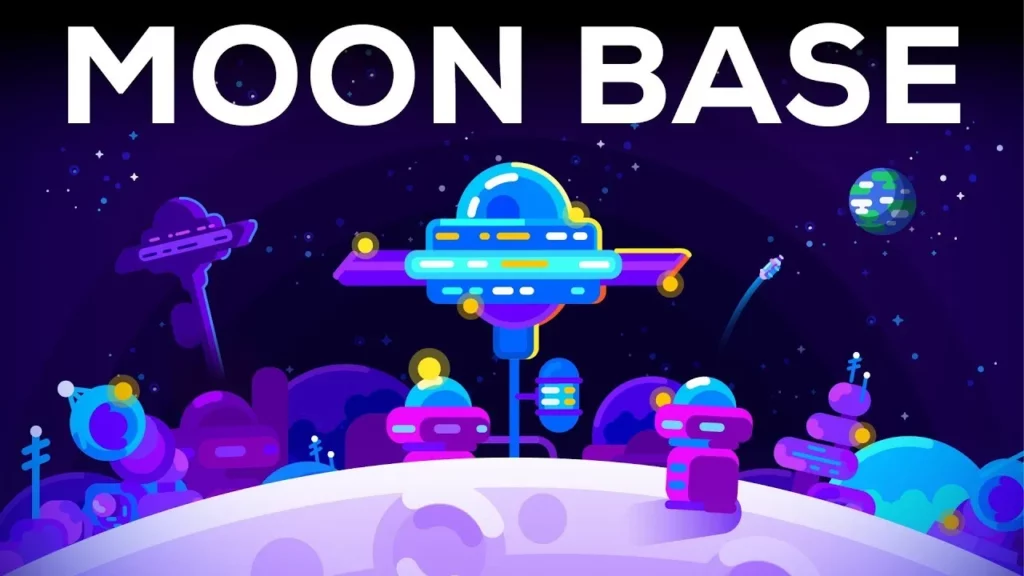
The lesson emphasizes the importance of establishing a Moon base as a crucial first step toward humanity’s exploration of the galaxy. With an estimated cost comparable to the International Space Station, a Moon base could serve as a platform for technological advancements and resource utilization, ultimately paving the way for further space colonization. The phased approach to lunar colonization—from exploration to establishing a base and eventually creating a self-sustaining colony—highlights the potential for economic growth and innovation, while also addressing the need for international collaboration and governance in space.
The Origin of Consciousness – How Unaware Things Became Aware
The lesson explores the complex nature of consciousness, highlighting its elusive definition and evolutionary origins. It discusses how consciousness likely evolved from simpler forms of awareness in living organisms, enabling them to navigate their environments and make decisions based on internal states and external stimuli. The progression from basic awareness to advanced consciousness, including the development of memory, vision, and social understanding, illustrates the intricate relationship between consciousness and survival.
Why Alien Life Would be our Doom – The Great Filter
The lesson explores the concept of the Great Filter, which suggests that there is a significant barrier preventing civilizations from advancing to a galactic scale. It presents two scenarios: one where humanity has already overcome this filter, making us unique, and another where the filter lies ahead, posing existential threats that could lead to our downfall. The discovery of alien life, rather than being a triumph, could indicate that we are on a perilous path toward self-destruction, as advanced civilizations may inevitably face catastrophic challenges.
Milk. White Poison or Healthy Drink?
The lesson explores the ongoing debate surrounding milk, highlighting its nutritional benefits as a source of essential nutrients and its historical significance in human diets, while also addressing concerns about potential health risks, including cancer and allergies. It examines the global variability in lactose tolerance and the implications of milk consumption on health, environmental impact, and ethical considerations. Ultimately, the lesson encourages a balanced perspective on milk, recognizing its value while also considering alternatives and the broader implications of its production.
How Large Can a Bacteria get? Life & Size 3
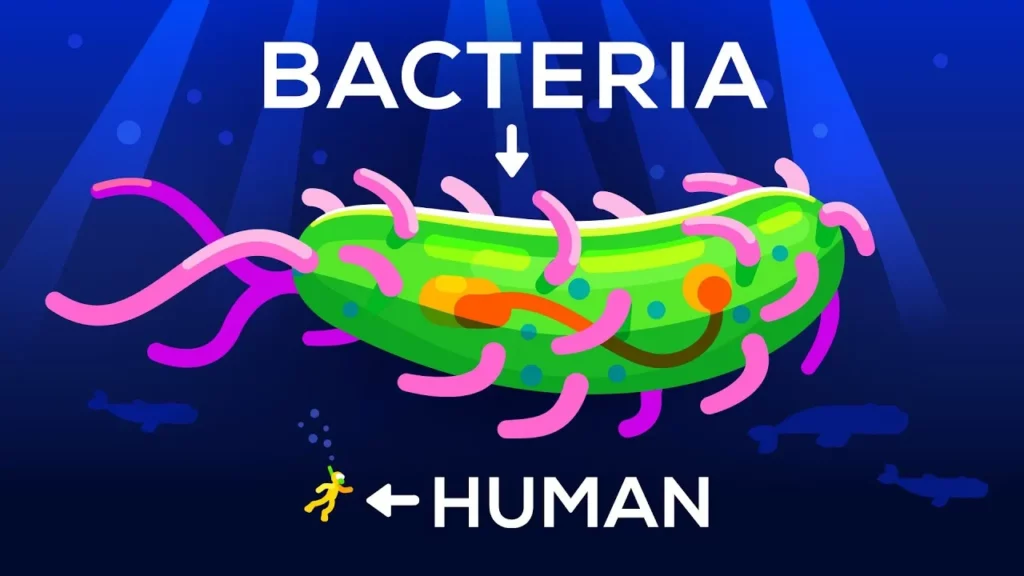
The lesson explores the essential role of breathing in sustaining life by facilitating the transport of oxygen and nutrients to cells while removing waste products. It discusses the challenges of resource transport faced by organisms of different sizes, highlighting the limitations of diffusion in larger organisms and the evolutionary adaptations that led to the development of complex respiratory and circulatory systems. Ultimately, the lesson emphasizes that despite the diversity of life, the fundamental principles of material exchange remain consistent across all living beings.
A New History for Humanity – The Human Era
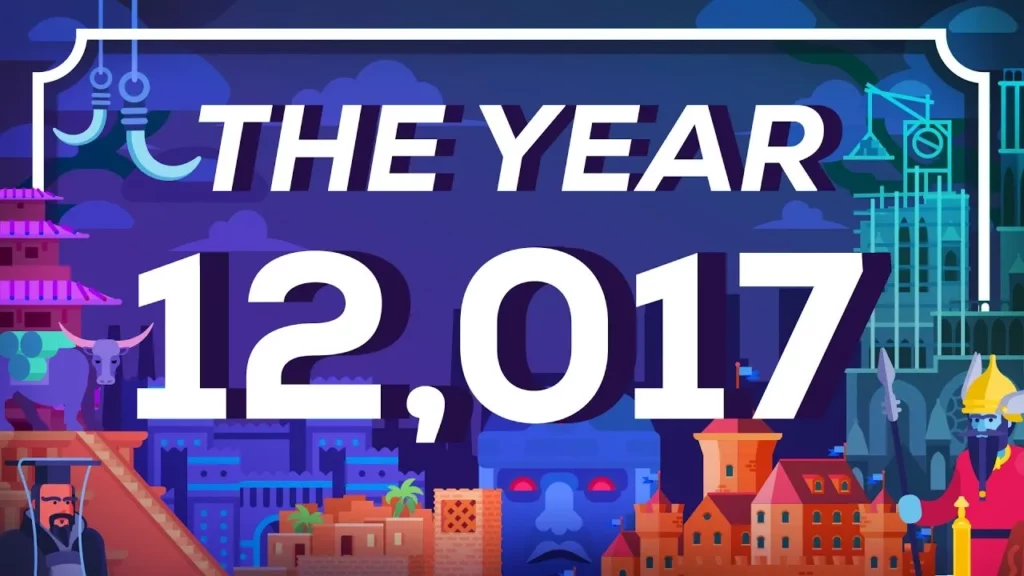
The lesson “Reimagining Human History: A New Year Zero” explores the profound impact of humanity’s transition from hunters and gatherers to builders of civilization, emphasizing the need for a revised understanding of our historical timeline. It proposes adopting a “Year Zero” that reflects the true breadth of human experience, beginning with the construction of the first temple 12,000 years ago, which symbolizes the dawn of civilization. By recontextualizing our history, we can better appreciate the significant milestones and achievements of diverse cultures throughout time.
How to Move the Sun: Stellar Engines
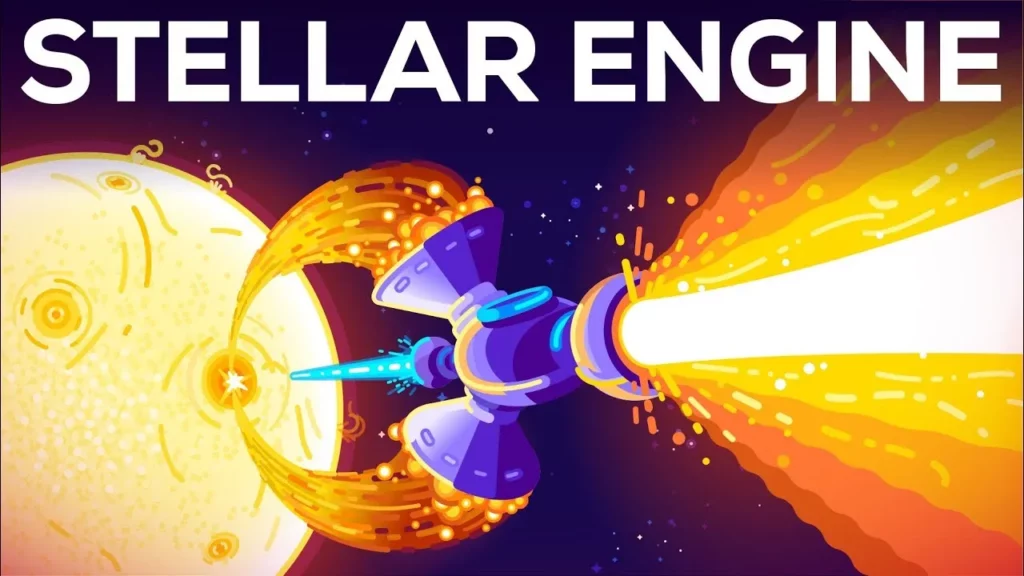
The lesson explores the dynamic nature of the Milky Way galaxy, emphasizing the chaotic movement of stars, including our Sun, and the potential dangers posed by this cosmic environment. It introduces the concept of stellar engines, specifically the Shkadov and Caplan thrusters, as advanced technological solutions for maneuvering our solar system to avoid threats like supernovae and to explore new stars. Ultimately, these ideas highlight the long-term aspirations of civilizations to navigate the galaxy and ensure humanity’s survival amidst the unpredictable currents of the universe.