
What If Earth got Kicked Out of the Solar System? Rogue Earth
The lesson explores the hidden dangers posed by stars in the night sky, emphasizing that their gravitational influence can disrupt the delicate balance of our solar system, even without direct collisions. Historical and future scenarios illustrate how nearby stars, like Gliese 710, could trigger catastrophic events such as increased comet bombardment or even the ejection of Earth from the solar system. Despite these potential threats, the lesson concludes on a hopeful note, suggesting that humanity’s resilience may allow for survival and adaptation in the face of cosmic challenges.
Geoengineering: A Horrible Idea We Might Have to Do
The lesson on geoengineering highlights the urgent need for innovative solutions to combat the escalating impacts of climate change, particularly through techniques like stratospheric aerosol injection, which aims to reflect sunlight away from Earth. While this method shows promise in potentially cooling the planet, it also poses significant risks, including altered weather patterns and harm to the ozone layer. Ultimately, the lesson emphasizes that while geoengineering could be a necessary tool in addressing climate change, it should not distract from the critical transition to a carbon-neutral economy.
The Black Hole Bomb and Black Hole Civilizations
The lesson explores the potential of spinning black holes as sources of energy, highlighting their unique features such as the “ringularity” and the ergosphere, which allow for energy extraction through processes like the Penrose process. It also discusses the concept of a black hole bomb, where amplified electromagnetic waves could unleash catastrophic energy. Ultimately, the lesson suggests that in a distant, dark future, spinning black holes may provide a vital energy source, offering hope for sustaining life in a dying universe.
Could Solar Storms Destroy Civilization? Solar Flares & Coronal Mass Ejections
The lesson highlights the Sun’s dual role as a vital source of life and a potential threat through solar flares and coronal mass ejections (CMEs). While these solar phenomena can disrupt technology and pose risks to Earth, understanding their dynamics and preparing for their impacts is essential for safeguarding our infrastructure. By investing in protective measures and improving detection capabilities, we can mitigate the risks associated with solar storms and ensure resilience against future events.
What if the World turned to Gold? – The Gold Apocalypse
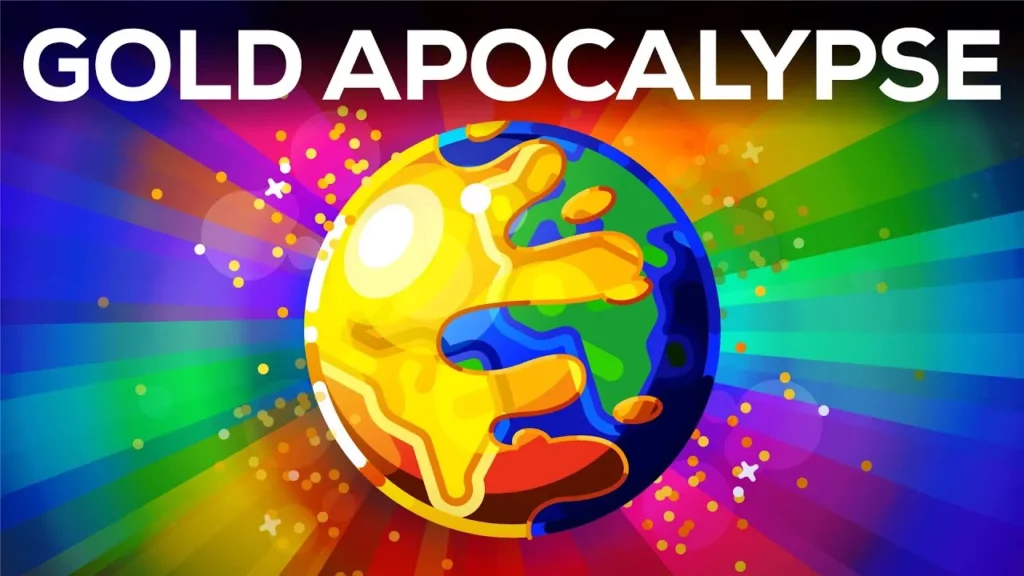
In the lesson “The Midas Apocalypse: What If Earth Turned to Gold?”, KSK Zar Labs explores the hypothetical scenario of Earth transforming into gold, inspired by the myth of King Midas. The discussion examines the scientific implications of such a transformation, including the catastrophic effects on gravity, atmospheric conditions, and the planet’s structure, ultimately highlighting the delicate balance necessary for life to thrive on Earth. The exploration serves as a reminder of the potential devastation that could arise from altering our planet’s natural state.
This Virus Shouldn’t Exist (But it Does)
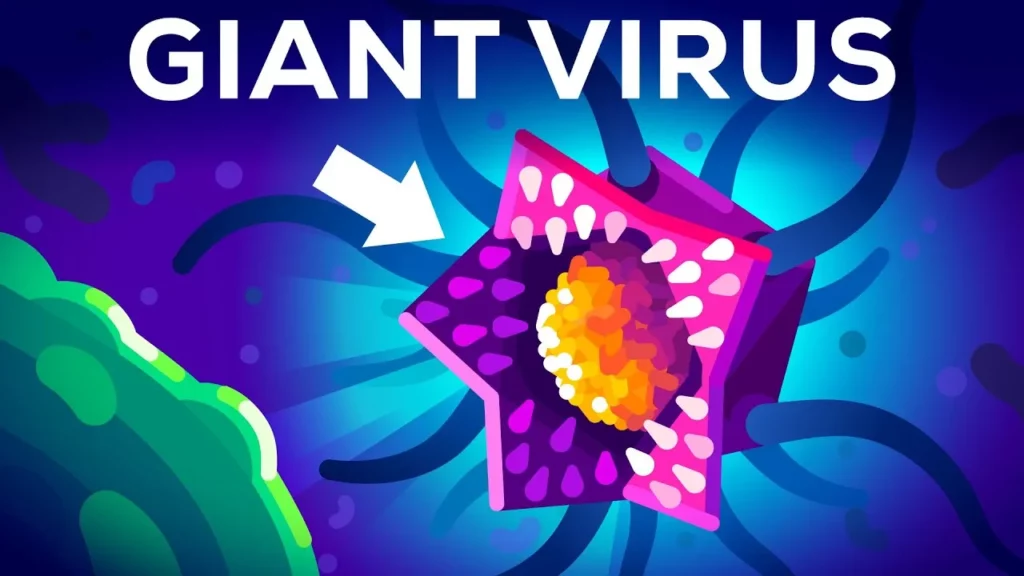
The lesson explores the intricate dynamics of the microverse, highlighting the fierce competition among microorganisms, including the deadly role of viruses and the recently discovered giant viruses known as gyruses. It delves into the debate surrounding the classification of viruses as living or non-living entities, the complexity of gyruses that challenge traditional definitions of life, and the unique interactions between gyruses and their predators, virophages. Ultimately, the lesson emphasizes the ongoing exploration of this hidden world, revealing the complexity and interconnectedness of life at the microscopic level.
String Theory Explained – What is The True Nature of Reality?
The lesson explores the complexities of understanding the universe, focusing on string theory as a significant yet controversial narrative in modern physics. It discusses the evolution from classical atomic theory to quantum field theory, highlighting the challenges of integrating gravity into quantum mechanics and how string theory emerged as a potential unifying framework. While string theory remains unproven, it offers valuable insights into quantum gravity and continues to guide physicists in their quest to comprehend the fundamental nature of reality.
Building a Marsbase is a Horrible Idea: Let’s do it!
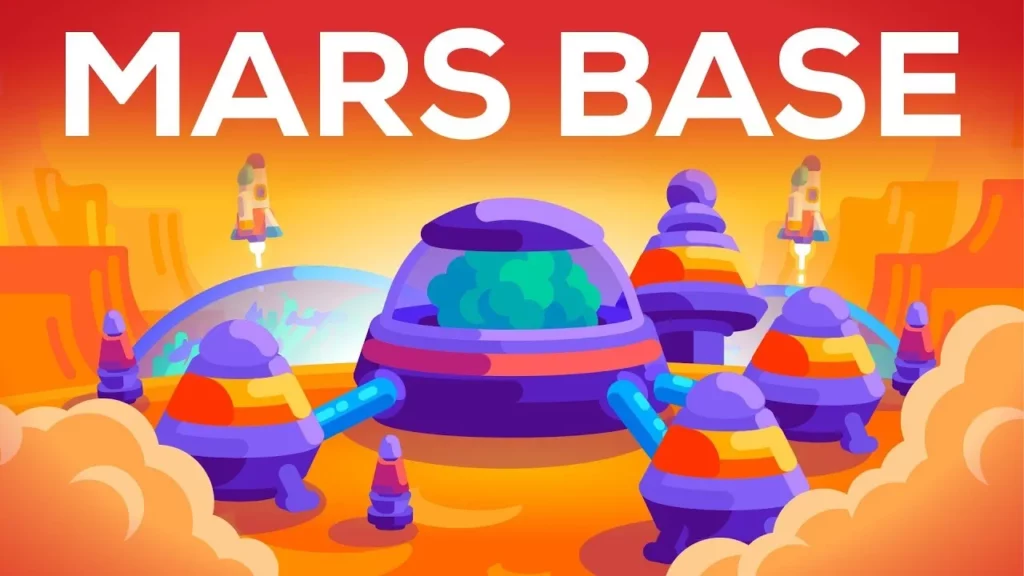
The lesson explores the complexities and potential of colonizing Mars, highlighting the need for a semi-permanent outpost as a precursor to larger human settlement. It addresses significant challenges such as energy scarcity, creating a livable environment, managing Mars’ toxic soil and dust, and the psychological impacts of low gravity and isolation. Despite these hurdles, the pursuit of establishing a human presence on Mars is framed as a monumental yet achievable goal, promising a future of interplanetary exploration and habitation.
Wormholes Explained – Breaking Spacetime
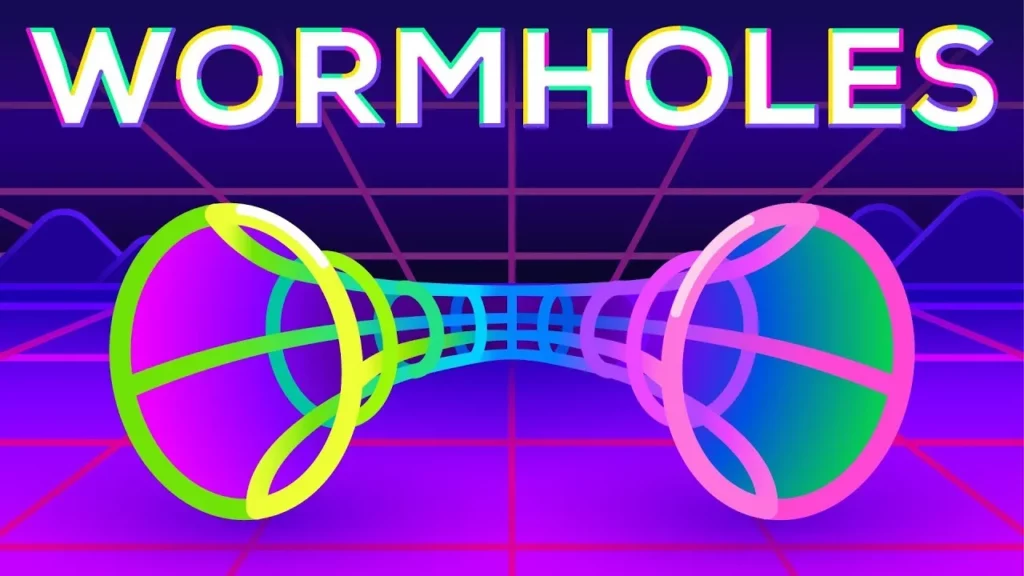
The lesson explores the intriguing concept of wormholes, which are theoretical passages through space-time that could connect distant points in the universe. It discusses the evolution of our understanding of space from a flat stage to a flexible entity influenced by mass, as proposed by Einstein’s theory of relativity, and examines the potential for traversable wormholes, their creation, and the challenges they present, including the need for exotic matter to keep them open. Ultimately, while wormholes remain a captivating idea rooted in theoretical physics, their existence and practical application are still subjects of debate among scientists.
Emergence – How Stupid Things Become Smart Together
The lesson explores the concept of emergence, highlighting how simple components can collectively create complex systems, as seen in ant colonies and human societies. It illustrates that emergence is a fundamental property of the universe, where interactions among basic elements lead to new properties and behaviors, from the formation of molecules to the dynamics of nations. This phenomenon underscores the intricate connections between individual actions and the larger structures they form, revealing the beauty and complexity of life and society.