
Can we create the ‘perfect’ farm? – Brent Loken
The lesson discusses the need for a second agricultural revolution to sustainably feed a growing global population while protecting the environment. It emphasizes the importance of increasing productivity on existing farmland through innovative technologies, such as drones and soil sensors, alongside accessible low-cost practices that promote biodiversity and reduce waste. A global shift towards sustainable agriculture, including plant-based diets and reduced food loss, is essential for achieving a balanced and resilient food system within the Earth’s environmental limits.
Is the weather actually becoming more extreme? – R. Saravanan

The lesson explores the relationship between climate change and the increasing frequency of extreme weather events, highlighting the distinction between weather and climate. While weather refers to short-term atmospheric conditions, climate encompasses long-term patterns, and slight changes in climate can significantly influence chaotic weather systems. The lesson emphasizes that human activities are accelerating climate change, which in turn raises the likelihood of extreme weather occurrences, underscoring the importance of addressing these behaviors to protect the environment for future generations.
What’s the best fuel for your car?

The lesson discusses the evolving landscape of automotive fuels, highlighting the limitations of gasoline as a traditional fuel source due to its environmental impact and contribution to climate change. It explores cleaner alternatives, such as electric vehicles powered by renewable energy and carbon-neutral liquid fuels derived from atmospheric carbon or plant waste. The challenge remains to make these sustainable options affordable while reducing the “green premium” associated with new technologies, ultimately aiming for a balance between cost-effectiveness and environmental sustainability.
Why does your voice change as you get older? – Shaylin A. Schundler
The lesson explores the evolution of the human voice, highlighting the historical practice of castration to create the unique vocal range of castrati in the 16th century, which was outlawed in the 1800s. It explains the mechanics of the voice box, detailing how sound is produced through the vibration of vocal folds and how changes during puberty and aging affect vocal quality and pitch. The lesson emphasizes that while our voices undergo significant transformations throughout life, they remain versatile instruments capable of a wide range of expressions.
How to 3D print human tissue – Taneka Jones
The lesson explores the revolutionary potential of bioprinting in the field of organ transplants, addressing the critical shortage of donor organs by creating customized organs from living cells. Bioprinting, akin to 3-D printing but using bioink composed of hydrogels and living cells, has already achieved success with simpler tissues, though challenges remain in replicating complex organs. As the technology advances, it promises to transform medicine and improve the lives of those on transplant waiting lists, raising important questions about access and the future of human capabilities.
How to speed up chemical reactions (and get a date) – Aaron Sams
In the lesson “Accelerating Chemical Reactions: Lessons from a High School Dance,” Harriet, a chemist, uses a personal high school experience to illustrate the principles of chemical reaction rates. By drawing parallels between her encounter with a classmate and the dynamics of molecular collisions, she highlights five strategies—such as increasing proximity and concentration, reducing time between interactions, breaking up groups, and utilizing catalysts—that can enhance the likelihood of successful chemical reactions. Ultimately, the lesson emphasizes that just as successful social interactions require the right conditions, so do chemical reactions.
How the food you eat affects your brain – Mia Nacamulli
This lesson explores the significant impact of nutrition on cognitive function, highlighting the essential roles of fats, proteins, amino acids, micronutrients, and carbohydrates in brain health. It emphasizes the importance of a varied diet rich in omega-3 fatty acids, proteins, and antioxidants to support mood, energy levels, and overall cognitive performance. Ultimately, the lesson underscores that dietary choices directly influence brain function and long-term mental well-being.
Which voting system is the best? – Alex Gendler

The lesson explores the complexities of fair voting systems through the hypothetical scenario of deciding a spaceport location on Mars among colonists from four bases. It examines various voting methods, including plurality voting, instant runoff voting, multiple rounds with tactical voting, and the Condorcet method, highlighting their strengths and weaknesses in achieving a fair outcome. Ultimately, the lesson emphasizes that while democracy may seem simple, the choice of voting system significantly impacts the results, revealing the ongoing challenge of designing a truly equitable electoral process.
The life cycle of a cup of coffee – A.J. Jacobs

The lesson “The Global Journey of a Cup of Coffee: From Farm to Cup” explores the intricate process involved in producing coffee, highlighting the labor and effort required from cultivation in Colombia to roasting and distribution in the United States. It emphasizes the importance of recognizing the numerous individuals who contribute to this journey, often under challenging conditions and for minimal pay, urging consumers to appreciate not just the final product but also the human effort behind it.
How to see with sound – Jacques S. Abramowicz
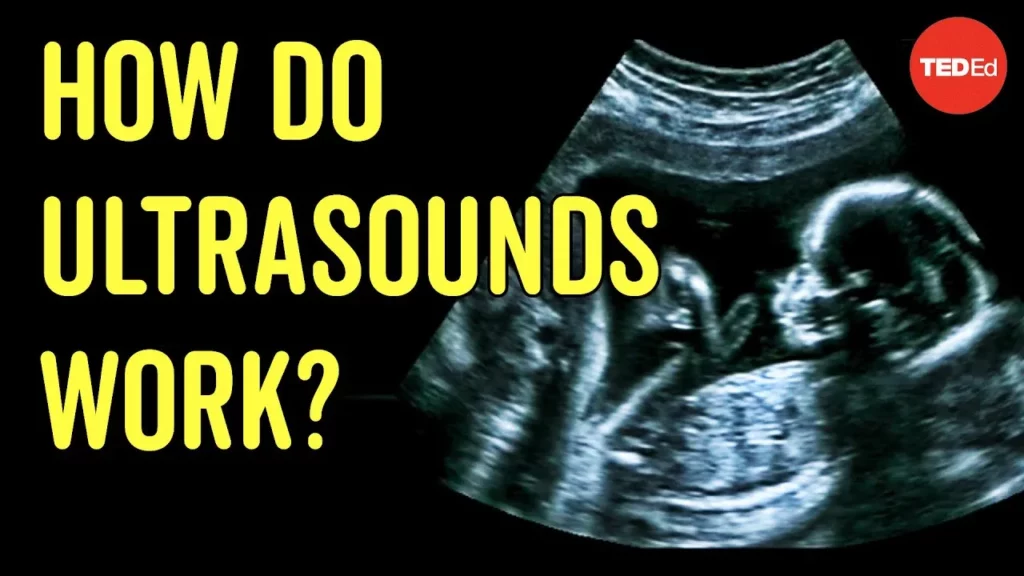
The lesson explores the fascinating world of ultrasound, highlighting its natural origins in bat echolocation and its technological applications in fields like medicine and naval warfare. By understanding how sound waves function and their ability to create detailed images, we see how ultrasound has become a vital tool for non-invasive diagnostics, offering safe and effective insights into human health. Ultimately, the lesson emphasizes the transformative power of ultrasound in enhancing our perception of the environment and improving medical practices.