
The science of skin – Emma Bryce
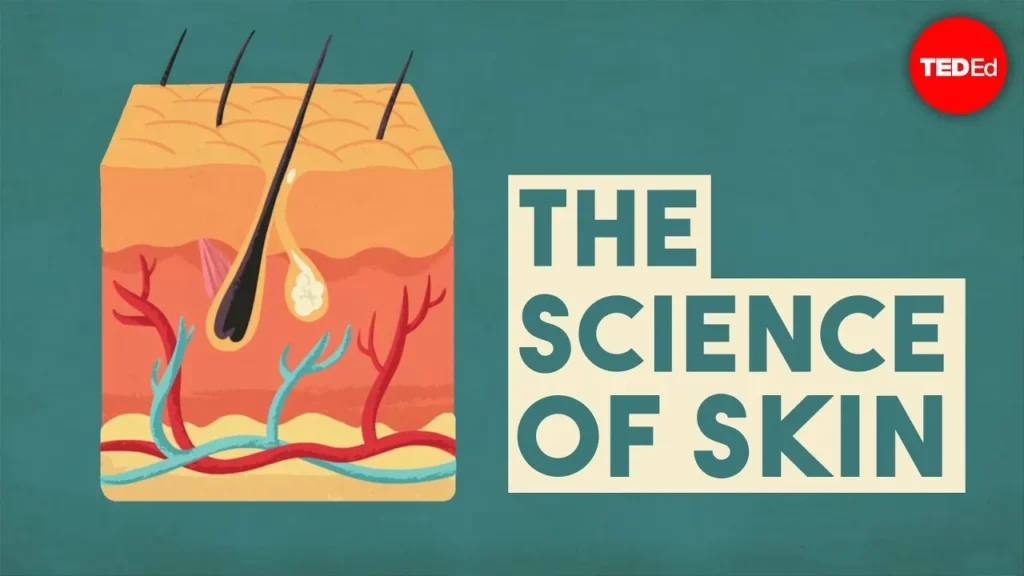
The lesson explores the multifaceted role of skin, highlighting its significance as the largest organ in the body, comprising three layers that serve essential functions of protection, regulation, and sensation. Beyond acting as a barrier against external threats, skin hosts a diverse microbial ecosystem and plays a crucial role in temperature regulation and sensory perception, illustrating that its functions extend far beyond mere coverage. Ultimately, the integumentary system is integral to our interaction with the environment, emphasizing that skin is indeed “more than skin deep.”
What really happens to the plastic you throw away – Emma Bryce
The lesson illustrates the environmental impact of plastic consumption through the journeys of three plastic bottles, each representing different outcomes. One bottle ends up in a landfill, contributing to toxic waste, while another is lost at sea, harming marine life and ecosystems. In contrast, the third bottle is recycled, showcasing the potential for sustainable practices to mitigate environmental harm and emphasizing the importance of recycling and responsible waste management for a healthier planet.
How playing sports benefits your body … and your brain – Leah Lagos and Jaspal Ricky Singh
The lesson highlights the multifaceted benefits of playing sports, emphasizing that participation goes beyond mere enjoyment to encompass significant physical, mental, and social advantages. Engaging in sports promotes physical health, enhances mental well-being through the release of endorphins, and fosters a sense of community and teamwork, which can lead to improved self-esteem and resilience. Ultimately, finding the right sport can provide a fulfilling experience that supports personal growth and a healthy lifestyle.
Why is cotton in everything? – Michael R. Stiff
The lesson explores the innovative use of cotton in the armor of the Inca civilization, highlighting its surprising strength and flexibility compared to traditional materials like iron or steel. It delves into the biology of cotton fibers, detailing their growth process and structural properties that contribute to their durability and effectiveness in protective gear. Additionally, the lesson emphasizes the versatility of cotton in various applications, underscoring ongoing research aimed at enhancing its qualities for future use.
Using radioactive drugs to see inside your body – Pedro Brugarolas
The lesson highlights the transformative role of FDG (Fluorodeoxyglucose) in cancer detection through PET scans, detailing its journey from production in a cyclotron to its application in medical imaging. By exploiting the high glucose consumption of cancer cells, FDG allows for precise visualization of tumors, significantly improving early diagnosis and treatment options. The lesson also emphasizes the safety of PET scans and the ongoing advancements in this technology, which promise to enhance diagnostic capabilities for various diseases.
Your body vs. implants – Kaitlyn Sadtler
The lesson discusses the transformative impact of insulin pumps on diabetes management, highlighting their ability to continuously monitor blood sugar levels and deliver insulin, thus reducing the need for frequent blood tests. However, it also addresses the challenges posed by the immune system’s response to implants, which can lead to the need for replacements due to inflammation and scarring. Researchers are exploring innovative solutions to mitigate these immune responses, potentially paving the way for more effective and long-lasting medical implants in the future.
The beneficial bacteria that make delicious food – Erez Garty
The lesson explores the vital role of microorganisms, particularly yeast and bacteria, in food fermentation, which shapes the textures and flavors of various culinary staples like bread, wine, and cheese. Yeast ferments sugars to produce carbon dioxide and alcohol, contributing to the airy texture of bread and the alcohol content in wine, while bacteria enhance flavors and textures in cheese and vinegar production. By understanding these microbial processes, we gain a deeper appreciation for the science behind our favorite foods.
Why do we have museums? – J. V. Maranto
The lesson explores the evolution of museums from their ancient origins as sacred spaces dedicated to the Muses in Greece to their development into public institutions that promote education and cultural appreciation. Key historical milestones include the first known museum in Mesopotamia, the treasure houses of the Roman Empire, the curiosity cabinets of the Renaissance, and the establishment of public museums in the 19th century, culminating in modern museums that face challenges of accessibility while continuing to inspire curiosity and creativity.
How do drugs affect the brain? – Sara Garofalo
The lesson “Understanding How Drugs Affect the Brain” explores the journey of drugs from administration to their impact on brain function, emphasizing how they alter communication between neurons. It details the mechanisms by which various medications and illegal substances interact with neurotransmitters, influencing mood, behavior, and cognition, while also highlighting the potential risks of altering brain chemistry through repeated use. Ultimately, the lesson underscores the importance of understanding these effects to harness the therapeutic potential of drugs while mitigating their harmful consequences.
Why do our bodies age? – Monica Menesini
The lesson explores the complexities of aging and the biological limits of human longevity, exemplified by Jeanne Calment, who lived to be 122 years old. It delves into the mechanisms behind aging, including genetic damage, mitochondrial decline, epigenetic alterations, and the loss of cellular regeneration, which collectively contribute to the deterioration of bodily functions. The lesson also raises questions about the potential for extending human lifespan through diet, exercise, and emerging technologies, while acknowledging the inherent challenges and ethical considerations of pursuing longevity.