
What are the universal human rights? – Benedetta Berti
The lesson explores the concept of human rights as universal entitlements that every individual possesses, emphasizing their inalienable nature and the complexities surrounding their implementation and enforcement. It traces the historical evolution of human rights, highlighting the significance of the Universal Declaration of Human Rights (UDHR) established by the United Nations in 1948, which outlines fundamental civil, political, social, economic, and cultural rights. Despite the progress made, the lesson underscores ongoing challenges in enforcing these rights globally, particularly in the context of state interests and the evolving landscape of digital rights in contemporary society.
How your muscular system works – Emma Bryce
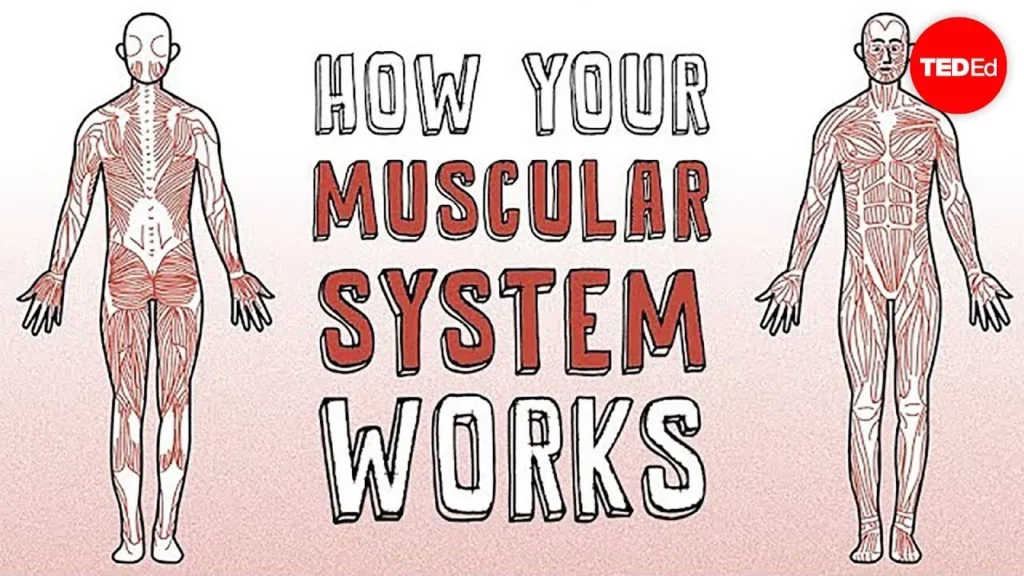
The muscular system is a complex network of over 650 muscles that enables a wide range of movements, from voluntary actions like running and jumping to involuntary functions such as the heartbeat and digestion. It consists of three primary muscle types: skeletal, cardiac, and smooth, each serving distinct roles in movement and bodily functions. Muscle contractions, categorized into shortening, lengthening, and stabilization, are essential for generating motion and maintaining posture, while the system also plays a crucial role in heat production, contributing significantly to the body’s warmth.
How do lungs work? – Emma Bryce
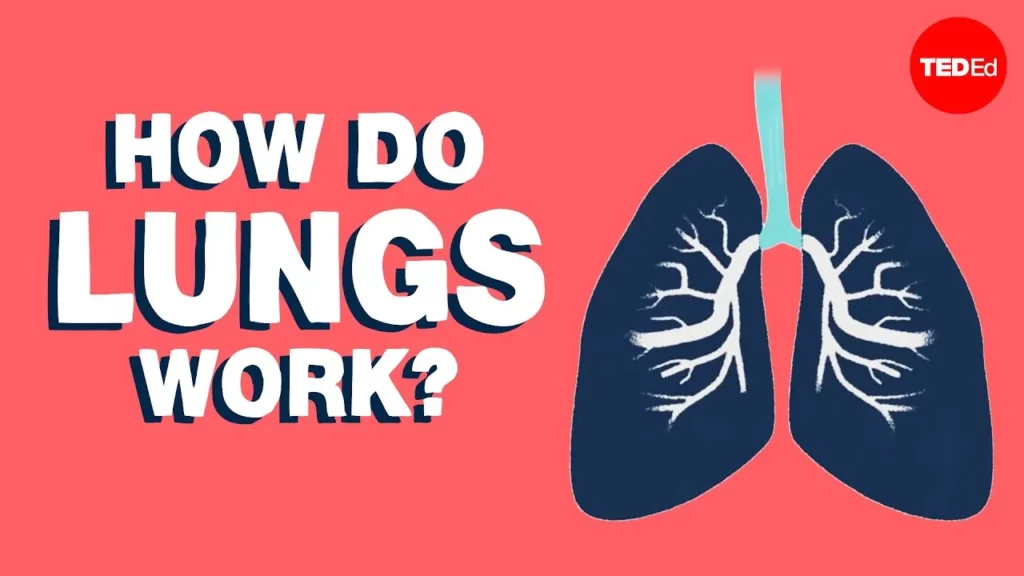
The lesson explores the complexities of the respiratory system, highlighting its crucial role in sustaining life through the automatic process of breathing. It details how the autonomic nervous system triggers the inhalation and exhalation of air, facilitating the vital exchange of oxygen and carbon dioxide in the lungs. Ultimately, the respiratory system exemplifies the body’s remarkable ability to manage essential functions effortlessly, ensuring our health and well-being.
How do ventilators work? – Alex Gendler
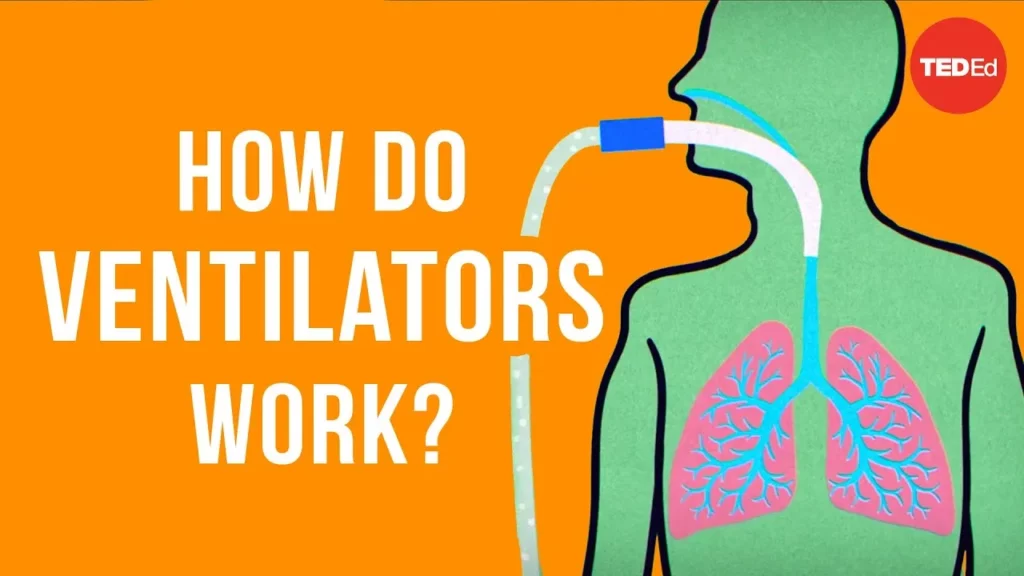
The lesson outlines the historical development and significance of mechanical ventilation, beginning with Andreas Vesalius’s 16th-century observation that laid the groundwork for this vital medical practice. It explains the functioning of the respiratory system, the role of mechanical ventilators in supporting patients with respiratory failure, and the evolution from negative to positive pressure ventilation techniques. The lesson also emphasizes the need for innovation in ventilator technology, particularly highlighted by the COVID-19 pandemic, to ensure more accessible and affordable options for critical care.
How false news can spread – Noah Tavlin
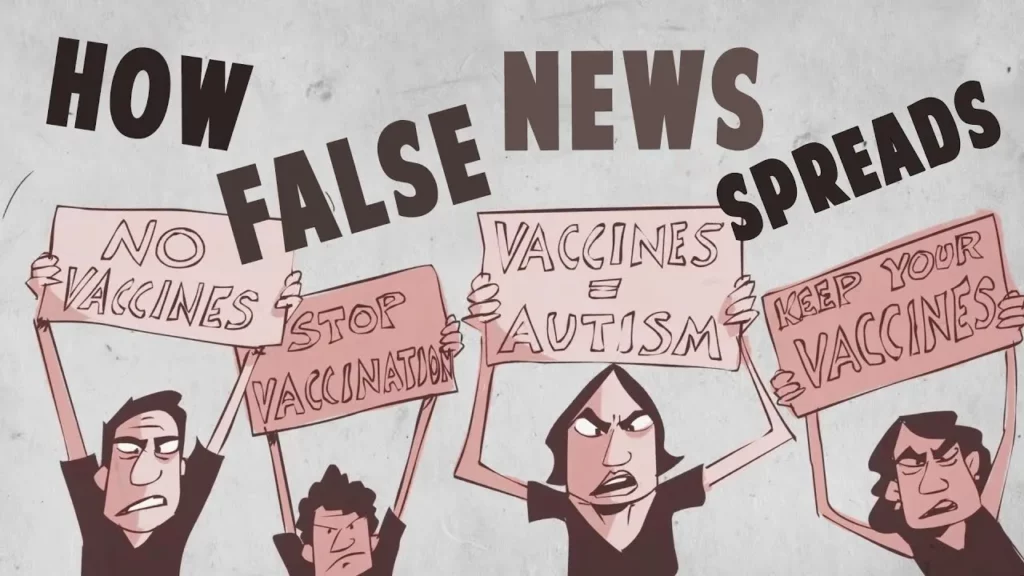
The lesson discusses the rapid spread of misinformation through a phenomenon known as circular reporting, where false information is recycled among publications, creating the illusion of credibility. It highlights the dangers of this practice, exemplified by the anti-vaccination movement stemming from a discredited study, and emphasizes the role of modern communication technology and user-generated content in exacerbating the issue. To combat misinformation, the lesson advocates for careful verification of sources and critical evaluation of information before dissemination.
The cancer gene we all have – Michael Windelspecht
The lesson explains that cancer arises from the uncontrolled division of cells, akin to a car crash caused by compromised brakes. It highlights the role of tumor suppressor genes, particularly BRCA1, in regulating cell division and repairing DNA mutations; when these genes are ineffective or mutated, the risk of cancer increases. Understanding the mechanisms behind cell division and the significance of genetic variations in genes like BRCA1 is essential for grasping how cancer develops and affects the body.
Why can’t some birds fly? – Gillian Gibb

The lesson explores the intriguing world of flightless birds, highlighting their diverse species and unique adaptations that have evolved over time. While flightlessness offers energy conservation and survival advantages, it also exposes these birds to vulnerabilities, particularly from introduced predators. Despite the challenges they face, many flightless birds, such as emus and ostriches, have thrived by developing alternative uses for their wings and adapting to their environments.
How your digestive system works – Emma Bryce
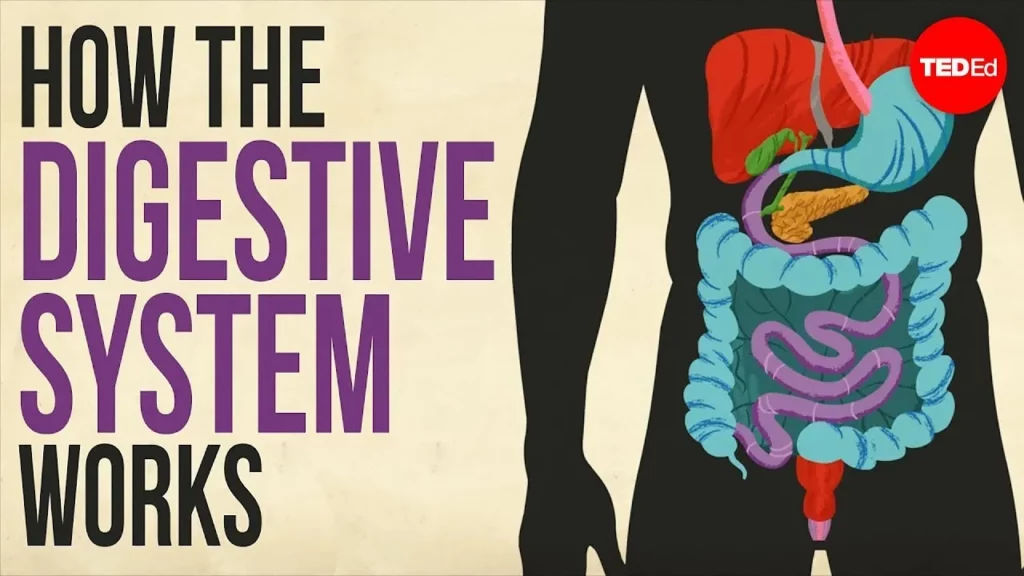
The lesson on the human digestive system outlines the complex journey food takes from ingestion to elimination, highlighting the system’s intricate structure and function. It details the four primary components of digestion: the gastrointestinal tract, accessory organs (pancreas, gallbladder, liver), the collaboration of enzymes and hormones, and the supportive mesentery. The process begins with saliva in the mouth, continues through the stomach and small intestine for nutrient absorption, and concludes with waste elimination in the large intestine, emphasizing the efficiency and importance of this vital system.
The first asteroid ever discovered – Carrie Nugent
The lesson details the groundbreaking discovery of Ceres by Giuseppe Piazzi in 1801, marking the first identification of an asteroid and a significant advancement in astronomy. It highlights the challenges Piazzi faced in tracking Ceres and the subsequent mathematical innovations by Carl Friedrich Gauss that enabled its rediscovery. The lesson concludes by emphasizing the importance of ongoing asteroid research, which has evolved to include advanced technology and spacecraft exploration, enhancing our understanding of these celestial bodies and their role in the solar system.
Why is Herodotus called “The Father of History”? – Mark Robinson
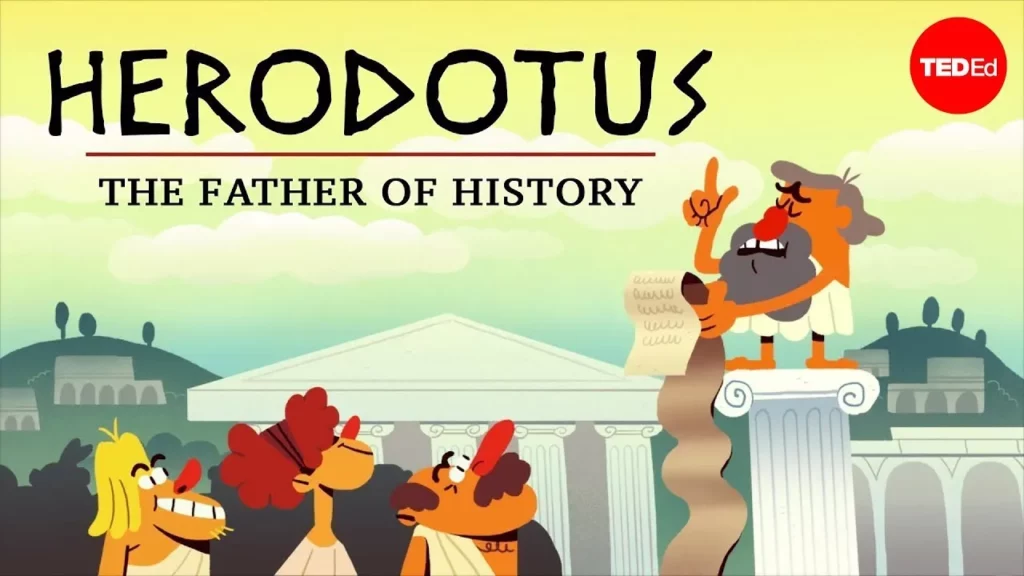
The lesson explores the revolutionary contributions of Herodotus, often referred to as “The Father of History,” who transformed historical recording by seeking deeper understanding and multiple perspectives on events rather than merely listing them. His work, *The Histories*, documents the Persian Wars and employs a methodology that combines eyewitness accounts, hearsay, and tradition, marking a significant shift in historical inquiry. Despite some inaccuracies and biases, Herodotus’s innovative approach laid the groundwork for future historians and solidified his legacy in the field.