
How do schools of fish swim in harmony? – Nathan S. Jacobs
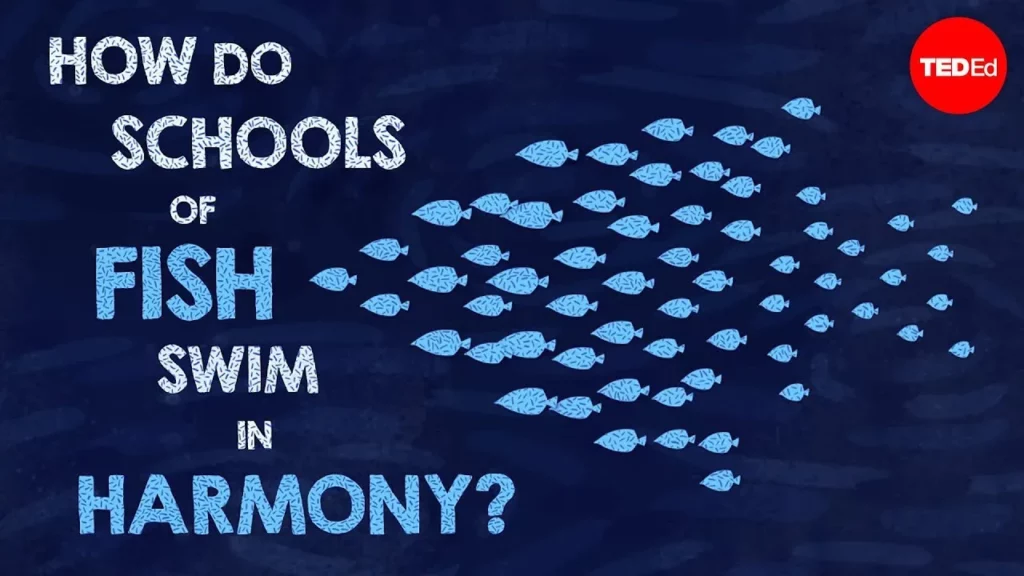
The lesson explores the concept of emergence, which describes how complex behaviors and functions arise spontaneously from simple interactions among individual elements, as seen in schools of fish and the human brain. It highlights that both natural phenomena and human consciousness can be understood through this principle, where order emerges from chaos without a central leader. Ultimately, emergence illustrates the intricate beauty of complex systems across various scales in nature and society.
Can you outsmart a troll (by thinking like one)? – Claire Wardle

The lesson emphasizes the critical importance of the upcoming mayoral election, particularly regarding the contrasting positions of candidates Joanna B. Greene, a proponent of 100% renewable energy, and Stannis Quo, who may resort to disinformation tactics to undermine her campaign. As a municipal cybersecurity expert, the focus is on educating the community about recognizing and combating disinformation, especially targeting young voters who support Greene. By fostering awareness and critical thinking, the community can build resilience against misleading information and ensure a fair electoral process.
The sleep disorder you might not know you have – Alayna Vaughan
The lesson explores the complexities of snoring, highlighting its causes, potential health risks, and available solutions. It emphasizes that while snoring is often seen as a benign issue, persistent loud snoring can indicate obstructive sleep apnea (OSA), a serious condition linked to cardiovascular problems. The lesson also discusses various risk factors and treatment options, including lifestyle changes and the use of CPAP machines, underscoring the importance of seeking medical advice for severe snoring.
The myth of the moon goddess – Cynthia Fay Davis
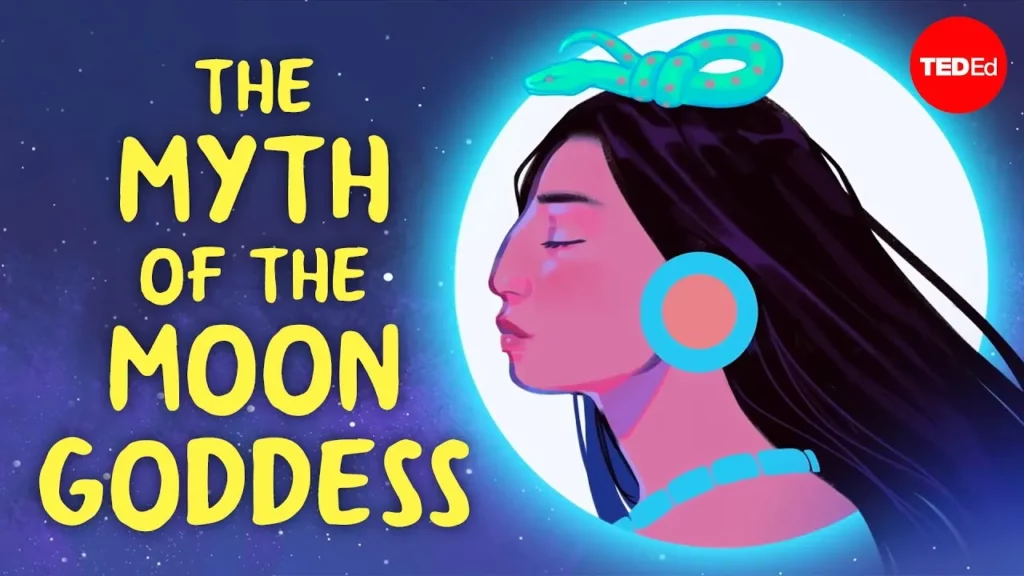
The lesson of “The Mythical Tale of Ix Chel: The Moon Goddess” explores the rich narrative of Ix Chel, a symbol of love, resilience, and transformation within Maya mythology. Her journey, marked by encounters with the sun god Kinich Ahau and challenges from her protective grandfather, illustrates themes of devotion, betrayal, and self-discovery, ultimately leading her to embrace her identity as a guiding force in the night sky. Ix Chel’s legacy reflects the cultural values of the Maya people and highlights the enduring power of myth in shaping identity and inspiration.
What’s the difference between accuracy and precision? – Matt Anticole
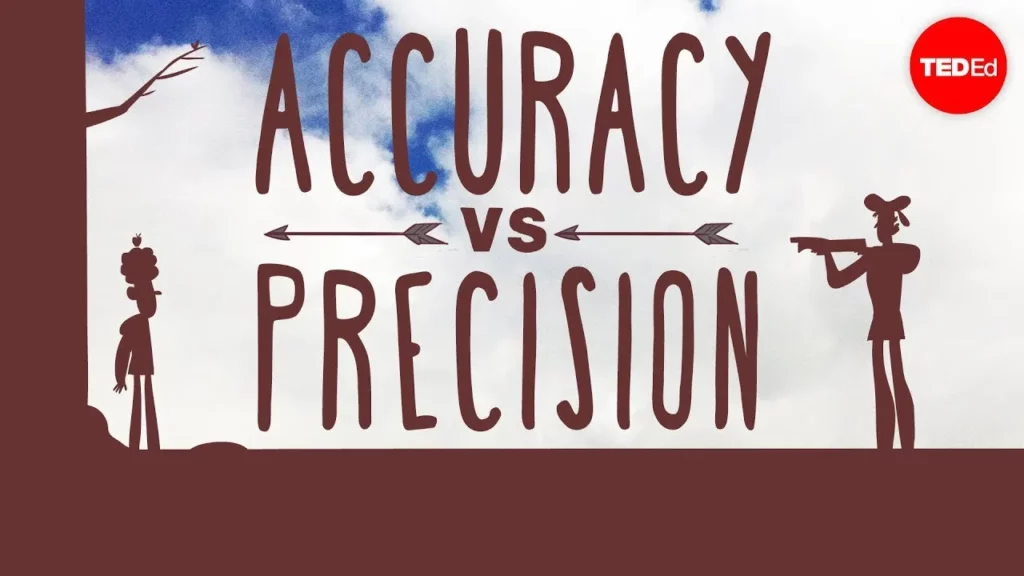
The lesson on “The Tale of William Tell” explores the critical concepts of accuracy and precision through two variations of the legendary story. In the first variation, William’s borrowed crossbow demonstrates precision without accuracy, while the second highlights accuracy compromised by a shaky hand. The lesson emphasizes the importance of both concepts in scientific and engineering contexts, illustrated by NASA’s advancements in Mars missions, ultimately underscoring that while accuracy is the goal, precision is essential for consistent achievement.
How blood pressure works – Wilfred Manzano
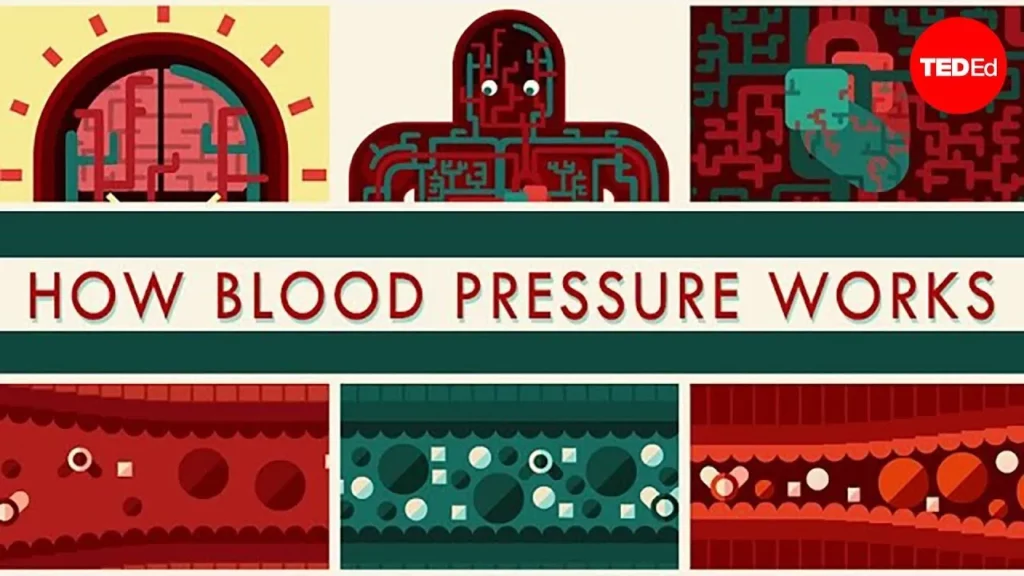
The lesson explores the complex circulatory system of the human body, highlighting the extensive network of blood vessels that transport essential nutrients and oxygen while recycling blood daily. It emphasizes the importance of blood pressure, detailing how it fluctuates with the heartbeat and the factors that can influence it, such as blood viscosity and vessel diameter. Additionally, the lesson discusses the risks associated with hypertension and atherosclerosis, including potential heart attacks and strokes, and outlines treatment options like angioplasty to manage blocked arteries.
How do vaccines work? – Kelwalin Dhanasarnsombut
The lesson explores the historical development of vaccines, beginning with Edward Jenner’s pioneering smallpox vaccination in 1796, which laid the groundwork for modern immunization practices. It explains how vaccines prepare the immune system to respond effectively to pathogens by leveraging innate and adaptive immune responses, and outlines various types of vaccines, including live attenuated, inactive, subunit, and DNA vaccines. The lesson emphasizes the ongoing innovations in vaccine development, particularly DNA vaccines, which hold promise for combating serious diseases and enhancing public health.
Light waves, visible and invisible
The lesson “Exploring the Spectrum: Understanding Light Beyond the Visible” emphasizes that human vision is limited to a small portion of the electromagnetic spectrum, known as visible light, while the universe is filled with various forms of light, including radio waves and x-rays. It explains the dual nature of light as both waves and particles, detailing how different wavelengths correspond to varying energy levels, which in turn affect our perception and interaction with the world. By utilizing specialized detectors and telescopes, we can explore and appreciate the full spectrum of light, revealing the wonders of the universe that lie beyond our visual capabilities.
Yes, scientists are actually building an elevator to space – Fabio Pacucci
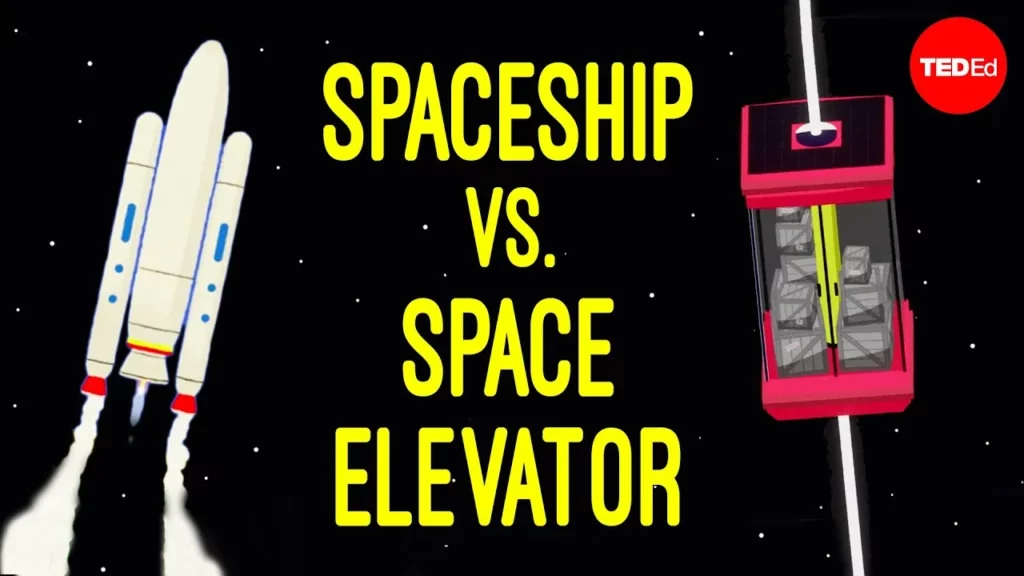
The lesson discusses the innovative concept of space elevators as a potential alternative to traditional rocket launches for space travel. Space elevators could significantly reduce costs and improve safety and efficiency by using a fixed structure to transport payloads into orbit, with the possibility of lowering launch costs by up to 95%. While the idea has roots dating back to the 19th century, current advancements in materials and engineering, such as carbon nanotubes, are essential for overcoming the challenges of constructing such a massive structure, with several countries aiming to develop this technology by 2050.
What makes a language… a language? – Martin Hilpert
The lesson explores the intricate relationship between language and dialect, highlighting how mutual intelligibility does not always dictate whether a speech form is classified as a language or a dialect. Political factors often play a significant role in these classifications, as seen in the historical context of European nation-states and the suppression of regional dialects. Ultimately, the lesson emphasizes the importance of embracing linguistic diversity, recognizing that all varieties of speech possess unique characteristics and histories, reflecting the rich complexity of human communication.