
How fast is the speed of thought? – Seena Mathew

In the lesson “The Race Between Thought and an Arrow,” participants are challenged to send a thought to a target 70 meters away before a fired arrow reaches it. The lesson explores the mechanics of thought transmission in the brain, highlighting the speed of neural signals and factors like myelination that can enhance this speed. Ultimately, while thoughts can travel rapidly, the inherent delays in perception and reaction time mean that the arrow, traveling at approximately 240 kilometers per hour, is likely to win the race unless the thought process is exceptionally quick and efficient.
Who IS Sherlock Holmes? – Neil McCaw

The lesson explores the enduring legacy of Sherlock Holmes, highlighting how the character has evolved beyond Arthur Conan Doyle’s original stories into a cultural icon. While many of the traits associated with Holmes, such as his iconic attire and famous catchphrase, were not part of Doyle’s creation, they have become integral to his identity through various adaptations across media. This transformation illustrates how Sherlock Holmes serves as a cultural palimpsest, continually reinterpreted to reflect changing societal values and ideas while remaining a recognizable figure in popular culture.
What is love? – Brad Troeger
The lesson “Exploring the Enigma of Love: A Multifaceted Phenomenon” delves into the complex nature of love, examining its various definitions and interpretations across emotional, biological, and cultural dimensions. It highlights the challenges of defining love, particularly when one is emotionally involved, and suggests that love can be viewed as both a feeling and a set of behaviors shaped by personal experiences and societal norms. Ultimately, the lesson posits that love is a unique construct for each individual, emphasizing the importance of open communication in nurturing relationships and acknowledging that our understanding of love is continually evolving.
What’s that ringing in your ears? – Marc Fagelson
The lesson explores tinnitus, a condition characterized by the perception of ringing or other sounds in the absence of external noise, affecting approximately one in seven people globally. It delves into the historical context, the underlying science of how tinnitus arises from altered neural activity in the central nervous system, and the psychological impact it can have on individuals. While there is no cure, various therapeutic approaches, including sound therapy and counseling, aim to help individuals manage their experience and reduce distress associated with this persistent auditory phenomenon.
What’s the best country to live in?

The lesson explores the complexities of determining the best country to live in, emphasizing that traditional metrics like Gross Domestic Product (GDP) fall short in capturing the true well-being of a nation’s citizens. It highlights alternative measures, such as Bhutan’s Gross National Happiness and the United Nations’ Human Development Index, which consider factors like health, education, and community strength, advocating for a more holistic approach that reflects diverse individual values and priorities. Ultimately, the quest for the ideal country to live in transcends mere economic indicators, calling for a broader understanding of quality of life.
The life cycle of a t-shirt – Angel Chang
The lesson “The Journey of a T-Shirt: From Farm to Fashion” explores the extensive and environmentally taxing process involved in t-shirt production, starting from cotton farming to global distribution. It highlights the significant water and pesticide usage in cotton cultivation, the harmful chemicals used in fabric processing, and the challenging labor conditions faced by workers in manufacturing countries. The lesson emphasizes consumer responsibility and suggests sustainable practices, such as choosing secondhand clothing and reducing laundry frequency, to mitigate the fashion industry’s environmental impact.
An unsung hero of the civil rights movement – Christina Greer
The lesson highlights the pivotal role of Bayard Rustin in the Civil Rights Movement, particularly as the chief organizer of the 1963 March on Washington, where Martin Luther King Jr. delivered his famous “I Have a Dream” speech. Rustin’s lifelong commitment to nonviolent protest, his strategic collaboration with King, and his efforts to ensure the march’s success underscore his significant yet often overlooked contributions to the fight for racial equality in America. Despite facing criticism and marginalization due to his sexuality and political affiliations, Rustin’s legacy was ultimately recognized with the posthumous awarding of the Presidential Medal of Freedom in 2013.
What makes a poem … a poem? – Melissa Kovacs
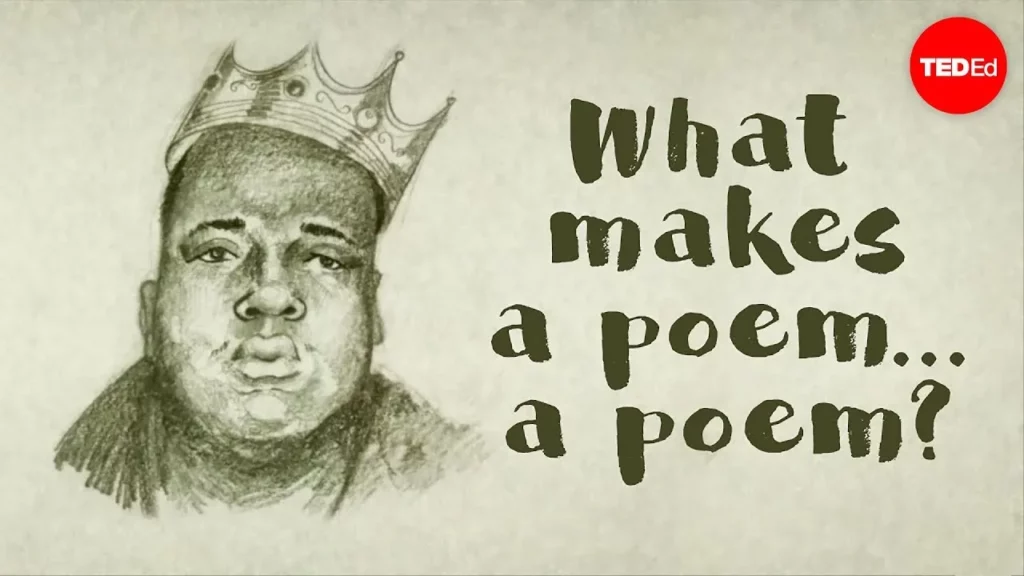
The lesson explores the multifaceted nature of poetry, highlighting its evolution from traditional forms to modern interpretations, including the impact of figures like Muhammad Ali and contemporary songwriters. It emphasizes that poetry transcends strict definitions, embodying musicality, emotional depth, and creative expression, whether in classic works or innovative prose poems. Ultimately, the essence of poetry remains a uniquely human endeavor, reflecting our capacity for connection and insight.
The world’s largest organism – Alex Rosenthal
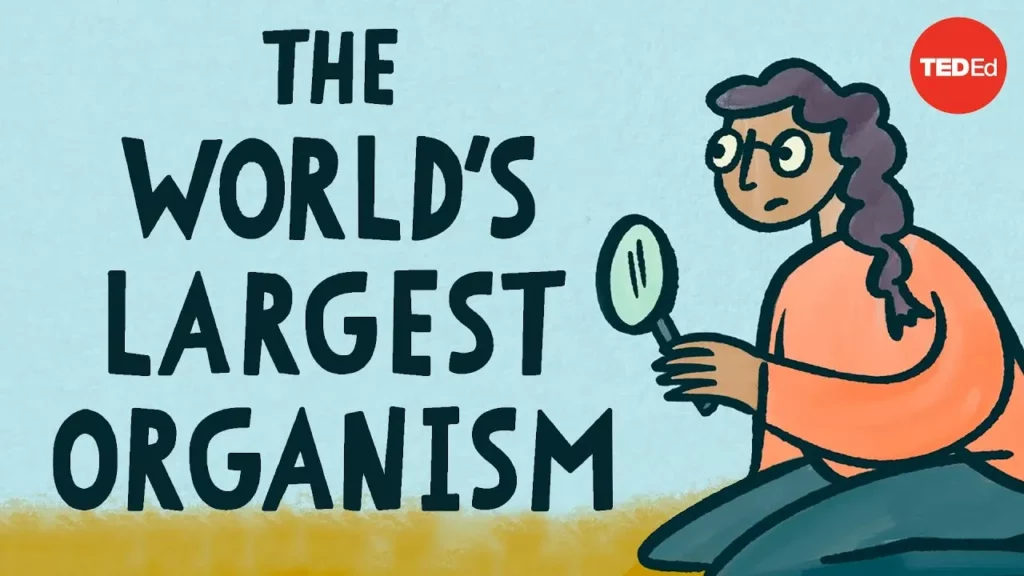
The lesson explores Pando, the world’s largest organism, a quaking aspen colony in Utah that weighs around 6 million kilograms and consists of approximately 47,000 genetically identical trunks. It highlights Pando’s unique reproductive strategy, ancient lineage, and the environmental factors that have allowed it to thrive, while also addressing the significant threats it faces from human activities and the importance of preservation efforts to ensure its survival for future generations.
Earworms: Those songs that get stuck in your head – Elizabeth Hellmuth Margulis
The lesson explores the phenomenon of earworms, which are involuntary snippets of music that frequently intrude into our thoughts, affecting over 90% of people weekly. It delves into the psychological nature of earworms, their repetitive characteristics, and the role of modern technology in their prevalence, while also examining why music, rather than other sensory experiences, tends to stick in our minds. Despite various theories, the exact reasons behind earworms remain a mystery, highlighting the complexities of human cognition.