
These squids can fly… no, really – Robert Siddall
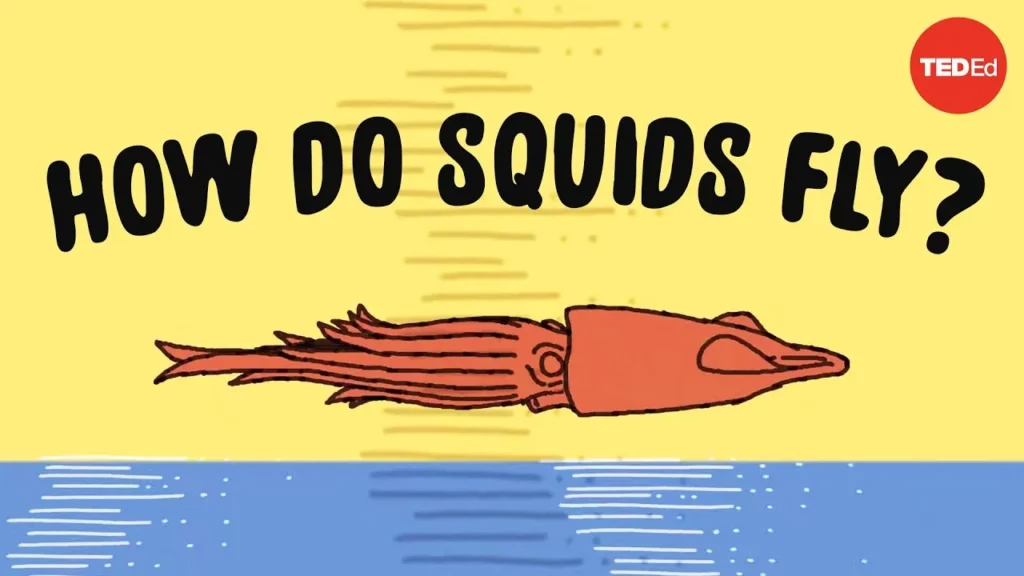
The lesson explores the intriguing phenomenon of squid flight, first observed by Scandinavian explorers in 1947, where these typically deep-sea creatures were seen soaring above the ocean. Utilizing a jet propulsion mechanism through their muscular mantle and stabilizing their flight with tentacles and fins, squid can achieve impressive aerial speeds, primarily as an escape tactic from predators or as an energy-efficient migration strategy. This remarkable adaptation highlights the ongoing scientific inquiry into the reasons behind their aerial capabilities and the survival advantages it provides.
The Atlantic slave trade: What too few textbooks told you – Anthony Hazard
The lesson on the Atlantic Slave Trade provides a comprehensive overview of its origins, expansion, and lasting effects on Africa and the Americas. It highlights the brutal conditions of the Middle Passage and the complex involvement of African kingdoms in the trade, which ultimately led to significant demographic shifts and the rise of racist ideologies. The enduring legacy of this inhumane practice continues to shape societal structures and global relations today.
A brief history of melancholy – Courtney Stephens
The lesson explores the multifaceted nature of sadness, tracing its historical interpretations from ancient Greece, where it was linked to internal imbalances, to contemporary understandings that connect it to brain chemistry and emotional responses. It emphasizes the value of sadness as an essential human experience that fosters wisdom, social bonds, and resilience, while also addressing its subjective nature and the philosophical implications of a world without sadness. Ultimately, the lesson highlights the importance of articulating and expressing sadness as a means of coping with this complex emotion.
How do your kidneys work? – Emma Bryce
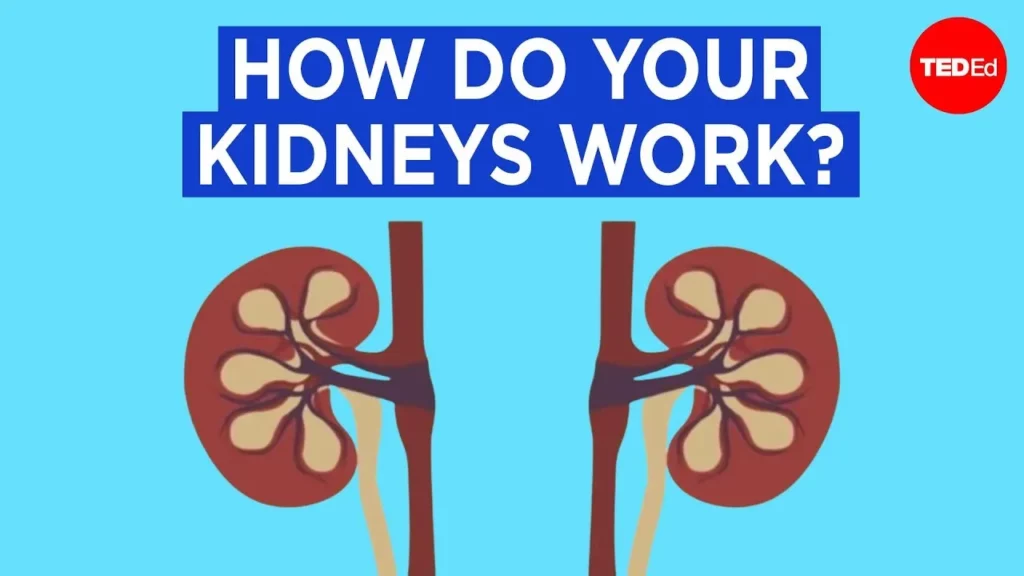
The lesson highlights the essential functions of the kidneys in maintaining the body’s fluid balance and filtering waste from the blood. Through a complex network of nephrons, the kidneys efficiently manage waste elimination and regulate vital nutrients and hormones, ensuring homeostasis. Additionally, they play crucial roles in activating vitamin D, regulating blood pressure, and stimulating red blood cell production, underscoring their importance for overall health.
Why is it so dangerous to step on a rusty nail? – Louise Thwaites

The lesson outlines the historical context and modern understanding of tetanus, tracing its recognition from Hippocrates’ time to contemporary medical practices. It explains how the bacterium *Clostridium tetani* enters the body through wounds, leading to severe muscle spasms and potentially fatal complications if untreated. Emphasizing the importance of vaccination and proper wound care, the lesson highlights ongoing challenges in preventing tetanus, particularly in regions with limited access to vaccines.
How did Hitler rise to power? – Alex Gendler and Anthony Hazard
The lesson on “The Rise of Adolf Hitler” highlights the precariousness of democratic institutions, illustrating how economic turmoil and social unrest can lead to the rise of authoritarian figures. Following World War I, Germany’s Weimar Republic faced immense challenges, including national humiliation and economic hardship, which Hitler exploited by scapegoating the Jewish community and promoting nationalist sentiments. His ascent to power serves as a cautionary tale about the dangers of charismatic leaders who manipulate public emotions, ultimately undermining democracy.
Learning from smallpox: How to eradicate a disease – Julie Garon and Walter A. Orenstein
The lesson on the journey of disease eradication highlights the transformative impact of vaccination, using smallpox as a case study to illustrate the complexities and successes of eradicating a disease. Smallpox, the only disease to be completely eradicated, serves as a model for understanding the necessary conditions for successful eradication efforts, including human-to-human transmission, identifiable symptoms, and effective vaccination strategies. The ongoing pursuit of eradicating other diseases, such as polio and guinea worm disease, underscores the importance of global cooperation and the broader benefits of strengthening public health infrastructure for the well-being of humanity.
What causes body odor? – Mel Rosenberg
The lesson explores the complex phenomenon of body odor, highlighting its origins in sweat secretions and the role of bacteria that thrive in the armpits. It discusses how factors such as genetics, diet, and hygiene influence individual body odor, and outlines methods for managing it, including the use of deodorants and antiperspirants. Ultimately, the lesson emphasizes the intricate relationship between our bodies and the microorganisms that contribute to this distinctive scent.
Oxygen’s surprisingly complex journey through your body – Enda Butler
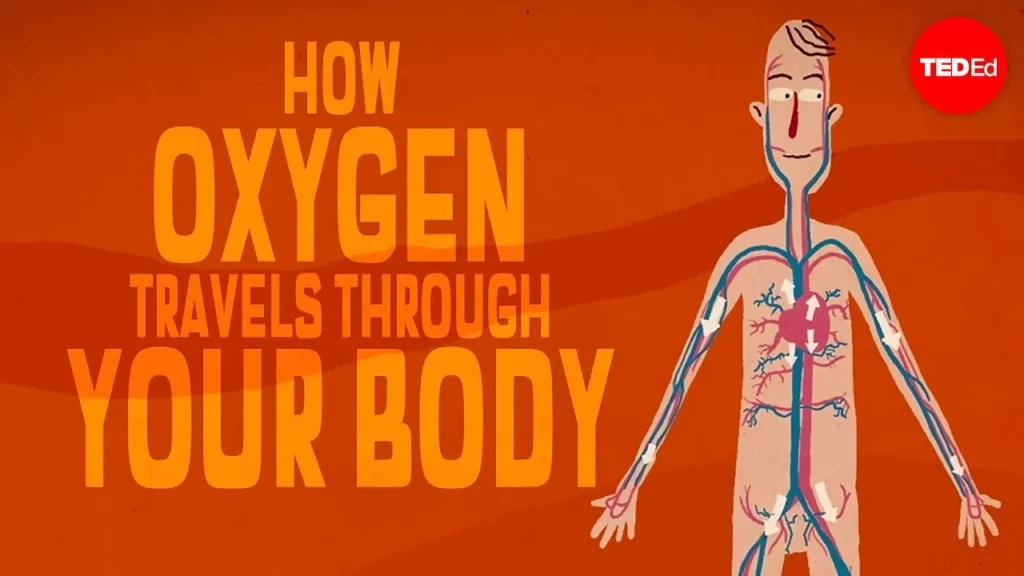
The lesson explores the intricate journey of oxygen through the human body, highlighting the essential roles of various organs and systems in this vital process. It emphasizes how oxygen is crucial for cellular respiration, the function of red blood cells in transporting oxygen, and the coordinated efforts of the brain, lungs, and heart to ensure efficient delivery throughout the body. Ultimately, the lesson illustrates the complexity and interdependence of bodily systems that sustain life with each breath.
What makes a hero? – Matthew Winkler
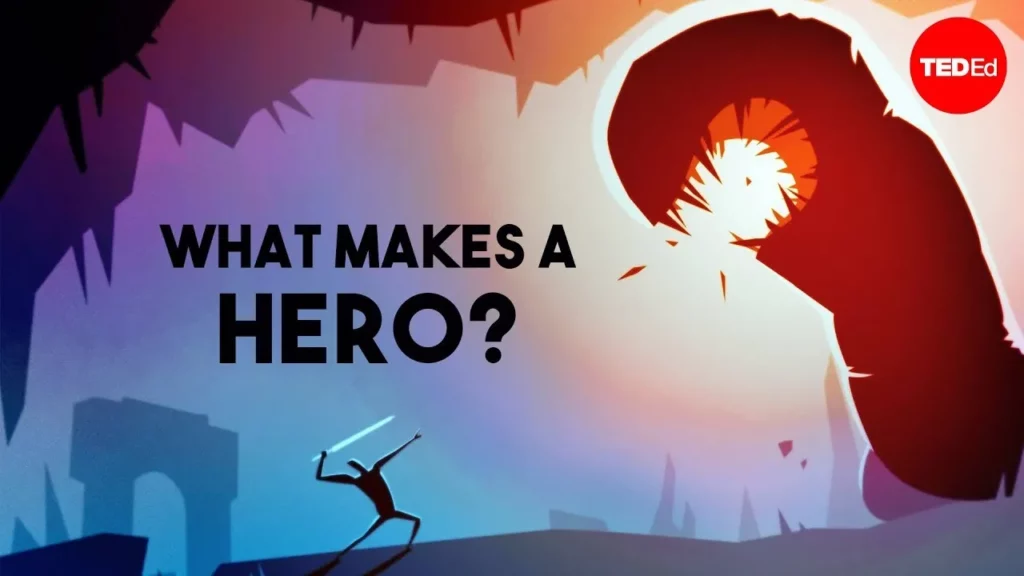
The lesson on “The Hero’s Journey” explores the universal narrative pattern identified by Joseph Campbell, which illustrates how heroes from various cultures and stories, such as Harry Potter and Katniss Everdeen, follow a similar transformative journey. This cycle includes stages like the call to adventure, trials, and eventual return, reflecting the challenges and growth we experience in our own lives. By recognizing these stages in both fiction and reality, we can better understand our personal journeys and the treasures that lie in overcoming our fears.