
How the food you eat affects your gut – Shilpa Ravella
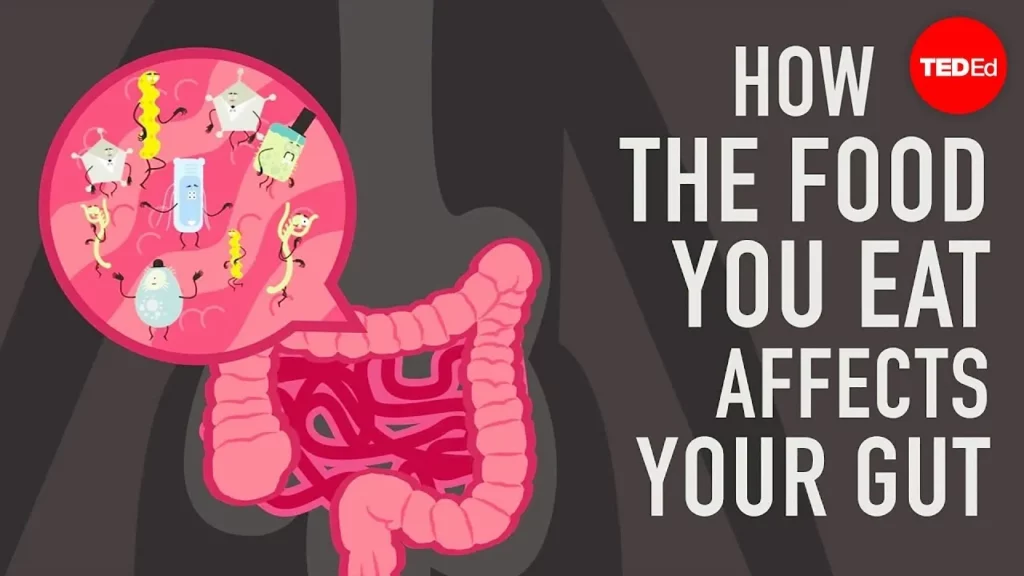
The lesson emphasizes the significance of the gut microbiome, a complex ecosystem of bacteria, viruses, and fungi that plays a vital role in our health by aiding digestion, producing nutrients, and regulating the immune system. It highlights the importance of dietary choices, particularly the consumption of fiber-rich foods and fermented products, in nurturing a diverse and healthy gut microbiome, while also noting the detrimental effects of low-fiber diets and processed foods. Ongoing research aims to deepen our understanding of the intricate relationships within the microbiome and its impact on overall well-being.
Why do we, like, hesitate when we, um, speak? – Lorenzo García-Amaya
The lesson explores the significance of disfluencies, such as “ums” and “uhs,” in spoken language, challenging the notion that they are mere errors. These filled pauses and discourse markers play crucial roles in communication by indicating the speaker’s thought process, guiding conversations, and enhancing listener comprehension. Additionally, they are essential in language acquisition, aiding both children and adults in learning new vocabulary and facilitating smoother interactions.
Try something new for 30 days – Matt Cutts

The lesson emphasizes the transformative power of 30-day challenges as a means to embrace change and develop new habits. By committing to a specific goal for a month, individuals can make time more memorable, boost their self-confidence, and pursue ambitious objectives, all while learning the importance of sustainable changes for lasting impact. Ultimately, the lesson encourages readers to take action and explore new possibilities in their lives.
How to understand power – Eric Liu
The lesson “Understanding Power: Its Sources and Influence in Civic Life” explores the nature of power in democratic societies, emphasizing its role in shaping civic engagement and community decision-making. It identifies six sources of civic power—physical force, wealth, state action, social norms, ideas, and numbers—and outlines three fundamental laws of power: its dynamic nature, its fluidity, and its tendency to compound. Ultimately, the lesson encourages individuals to develop a literacy in power, advocating for a proactive approach to understanding and wielding power for the benefit of the community, while reflecting on the ethical implications of their pursuit of power.
The benefits of a bilingual brain – Mia Nacamulli
The lesson explores the cognitive benefits of being bilingual or multilingual, highlighting how language proficiency affects brain function and structure. It categorizes bilinguals into three types based on their language acquisition and discusses how bilingualism enhances cognitive abilities, such as executive function and problem-solving, while also delaying the onset of age-related diseases like Alzheimer’s. Ultimately, the lesson encourages individuals to embrace learning new languages at any age for improved brain health and complexity.
What does the pancreas do? – Emma Bryce
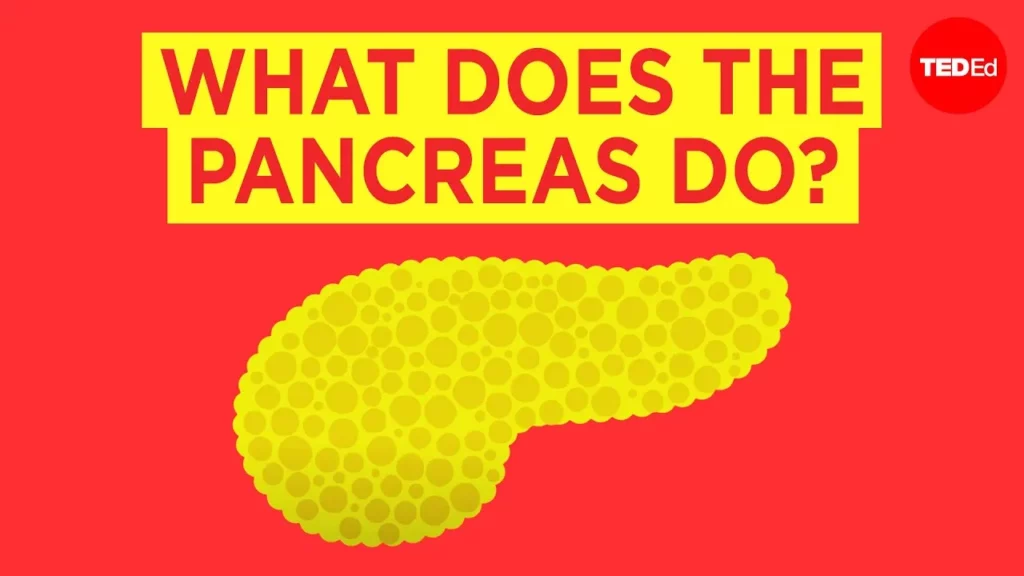
The pancreas is a crucial organ that functions as a personal health coach by regulating blood sugar levels and aiding in digestion. It produces digestive enzymes that break down fats, proteins, and carbohydrates, while also releasing hormones like insulin and glucagon to maintain stable blood sugar levels. A healthy lifestyle, including a balanced diet and regular exercise, is essential for supporting pancreatic function and overall health.
How does the Rorschach inkblot test work? – Damion Searls
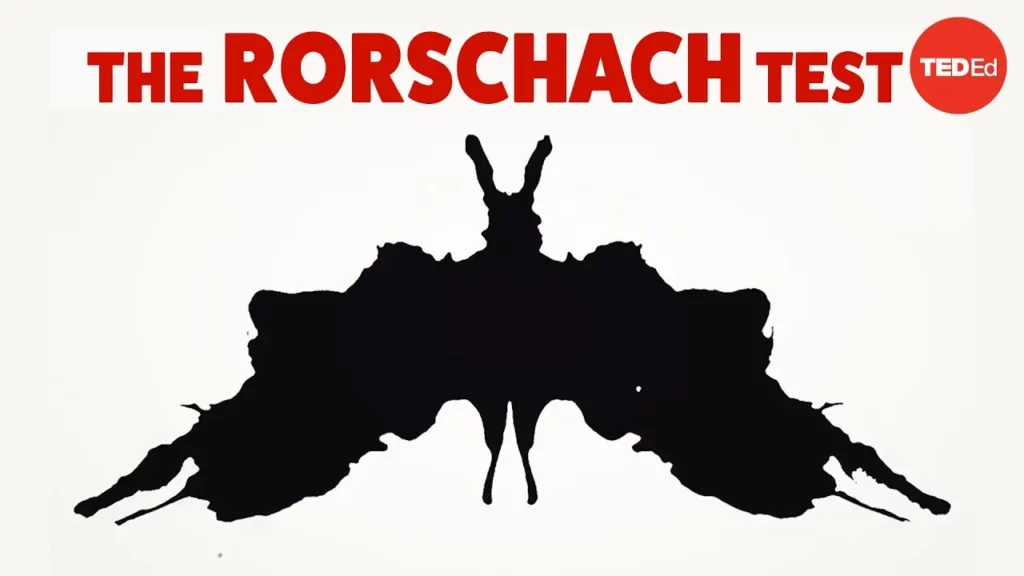
The Rorschach Test, created by Swiss psychiatrist Hermann Rorschach in the early 20th century, utilizes inkblots to explore individual perception and psychological profiles. By analyzing how participants interpret these abstract images, the test provides insights into their cognitive processes and emotional states, making it a valuable diagnostic tool despite its controversial legacy. Although its application has evolved and faced criticism, recent research supports its validity in understanding mental health and human perception.
How did clouds get their names? – Richard Hamblyn
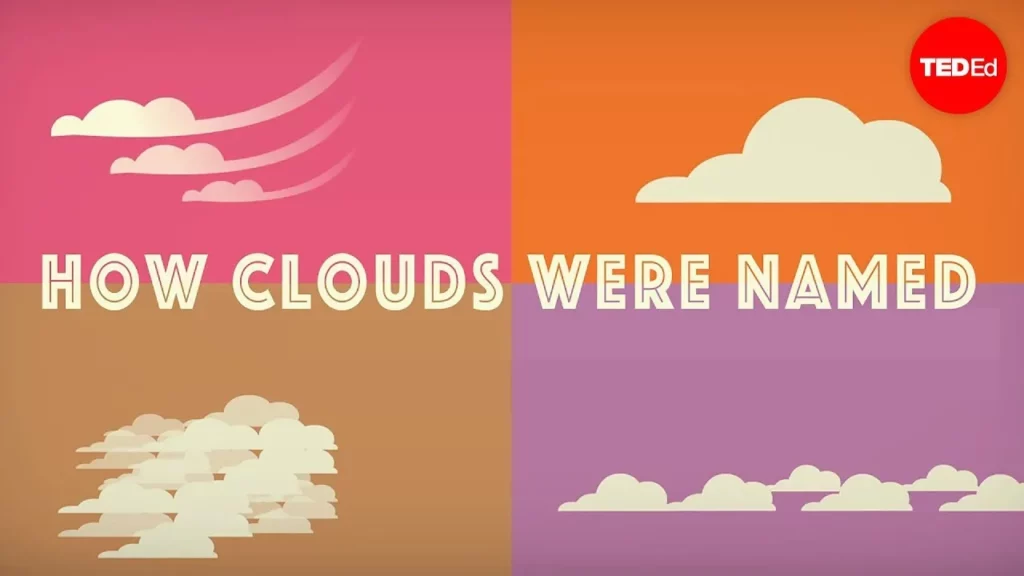
In his 1802 lecture, Luke Howard revolutionized meteorology by introducing a systematic classification of clouds, identifying three primary types—cirrus, cumulus, and stratus—along with their intermediate forms. His innovative approach not only made clouds more understandable as indicators of weather patterns but also inspired artists and poets, significantly enhancing humanity’s appreciation of the sky. Howard’s work laid the foundation for nephology, transforming the study of clouds into a respected scientific discipline.
The last chief of the Comanches and the fall of an empire – Dustin Tahmahkera
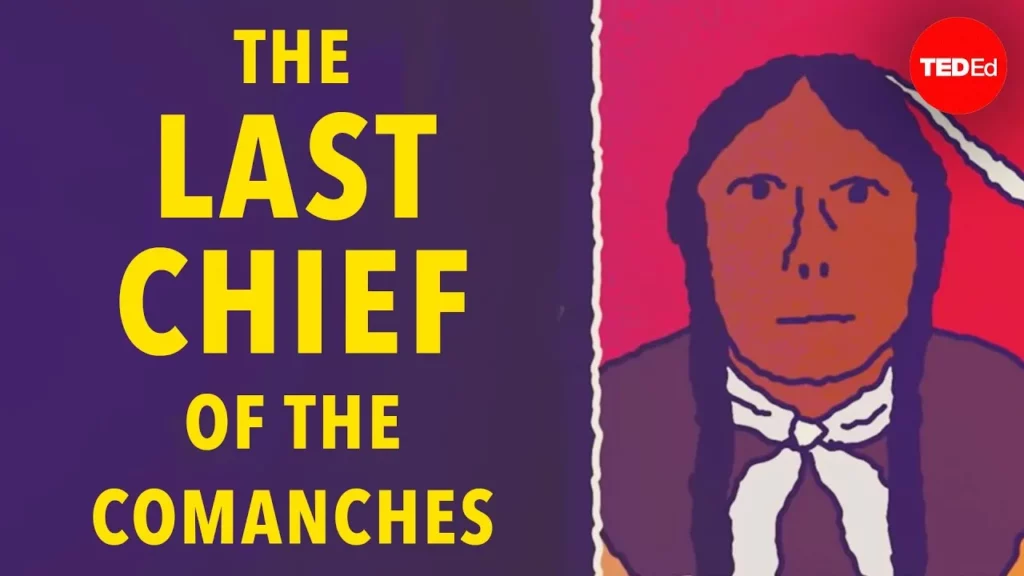
The lesson on Quanah Parker highlights his significant role as a symbol of Comanche resilience amidst the challenges faced by his people during the 19th century. Born into a tumultuous era, Quanah transitioned from a warrior to a leader who adapted to the changing realities of life on a reservation, ultimately advocating for the welfare of his people while preserving their cultural heritage. His legacy continues to inspire the Comanche Nation, reflecting a spirit of survival and adaptation that resonates with over 16,000 enrolled citizens today.
What is the Heisenberg Uncertainty Principle? – Chad Orzel
The Heisenberg Uncertainty Principle is a foundational concept in quantum physics that states it is impossible to know both the exact position and momentum of a particle simultaneously. This principle arises from the dual nature of matter, where particles exhibit both particle-like and wave-like behavior, leading to inherent uncertainties in measurement. Ultimately, the Uncertainty Principle reflects a fundamental limit of the universe, highlighting the interconnectedness of position and momentum in the quantum realm.