
Where do superstitions come from? – Stuart Vyse
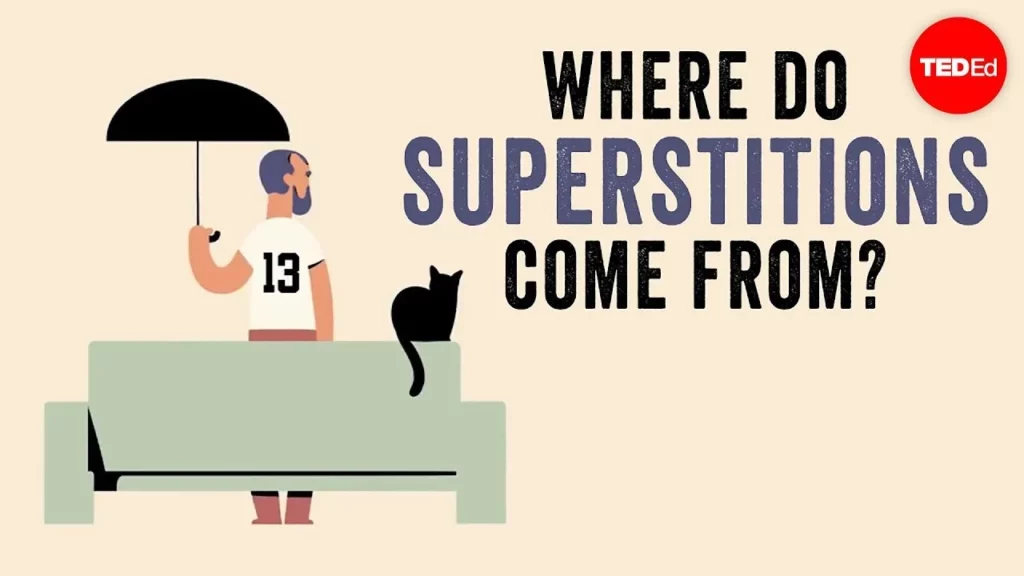
The lesson explores the intriguing origins and beliefs surrounding superstitions, highlighting their connections to religious traditions, linguistic quirks, and practical origins. It discusses how superstitions like the fear of the number thirteen or the practice of knocking on wood have persisted over time, often rooted in cultural habits rather than conscious belief. Additionally, the lesson examines the psychological factors that contribute to the adherence to these beliefs, suggesting that they can provide comfort and a sense of control in uncertain situations.
What causes opioid addiction, and why is it so tough to combat? – Mike Davis
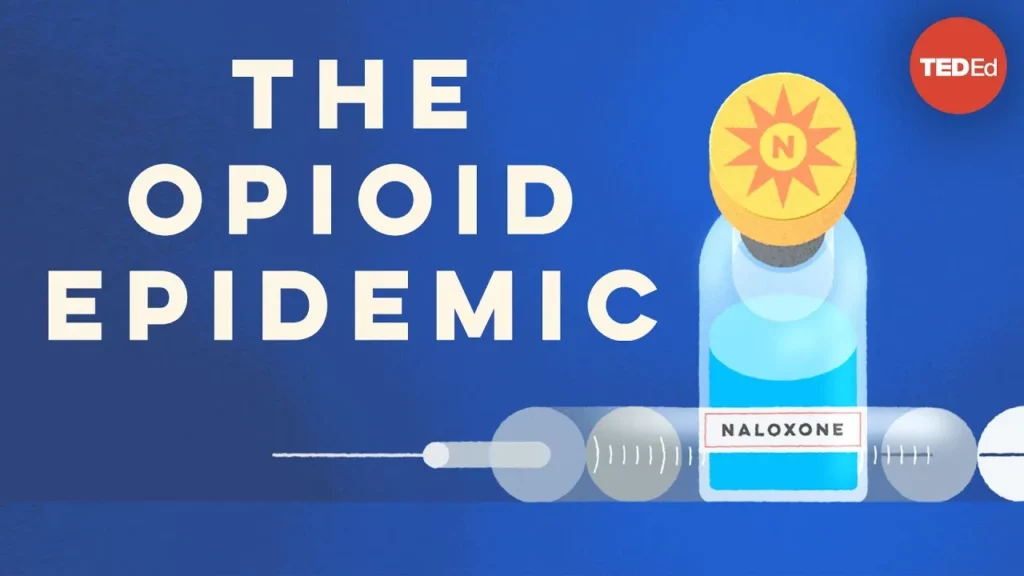
The lesson explores the historical use of opioids, tracing their origins from ancient remedies to their modern classification as highly addictive substances. It highlights the evolution of opioids, the rise of addiction due to aggressive marketing in the late 20th century, and the ongoing opioid crisis characterized by increasing overdose rates. Additionally, it discusses the complexities of opioid addiction, the importance of comprehensive treatment programs, and available resources for those seeking help.
A brief history of cannibalism – Bill Schutt
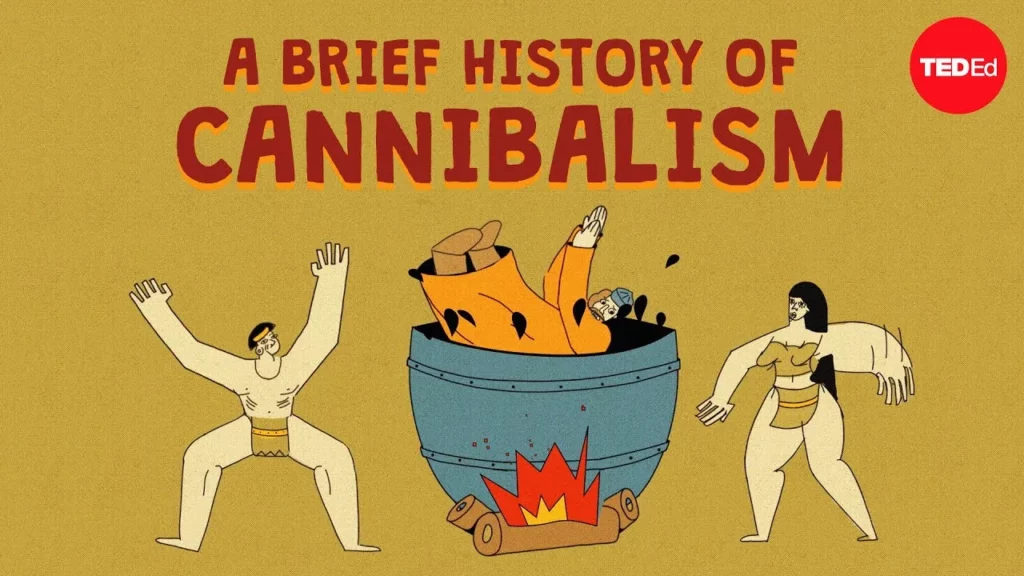
The lesson explores the multifaceted history of cannibalism, highlighting its medicinal use in 15th-century Europe, where powdered mummified human flesh, known as mumia, was consumed for various ailments. It traces the origins of the term “cannibal” to Christopher Columbus’s accounts of the Carib people, illustrating how colonial narratives dehumanized indigenous populations. Additionally, the lesson examines culturally accepted forms of cannibalism in different societies, such as filial cannibalism in China and funerary practices among the Fore people of New Guinea, revealing the complex and often unsettling legacy of cannibalism throughout history.
The rise and fall of the Inca Empire – Gordon McEwan
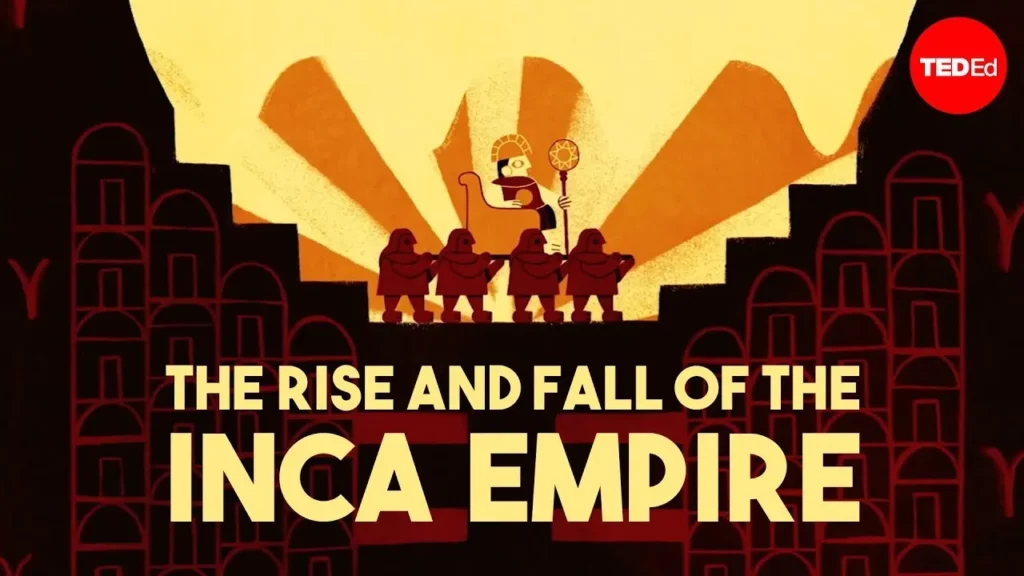
The lesson explores the rise and fall of the Inca Empire, highlighting its impressive achievements in administration, agriculture, and infrastructure despite lacking written language and advanced technology. Founded in the Cuzco Valley and expanded under leaders like Pachacuti and Topa Inca, the empire ultimately succumbed to internal strife, disease, and the conquest by Spanish conquistadors, leading to its rapid decline by the late 16th century. The legacy of the Incas remains significant, captivating historians and archaeologists alike.
Why incompetent people think they’re amazing – David Dunning
The lesson on the Dunning-Kruger effect explores how individuals often overestimate their abilities in various domains, leading to a false sense of competence. This cognitive bias particularly affects those with limited knowledge, who not only make poor decisions but also fail to recognize their mistakes. To combat this effect, the lesson emphasizes the importance of seeking feedback and committing to continuous learning to achieve a more accurate self-assessment of one’s skills.
The bug that poops candy – George Zaidan
The lesson explores the fascinating world of aphids, tiny insects that extract nutrient-rich sap from plants using a specialized feeding mechanism. It highlights their unique adaptations, such as the enzyme sucrase that allows them to thrive despite the high sugar content in sap, and their remarkable reproductive strategy that enables rapid population growth. Additionally, the lesson discusses the byproduct of their feeding—honeydew—which has ecological significance and human uses, illustrating the interconnectedness of these tiny creatures with the broader environment.
Is marijuana bad for your brain? – Anees Bahji
The lesson explores the evolving perception of marijuana, particularly its classification as a Schedule 1 drug and the subsequent recognition of its therapeutic benefits. It delves into the interaction of marijuana with the body’s cannabinoid system, highlighting the roles of THC and CBD, and discusses the potential risks associated with marijuana use, especially in younger individuals. Ultimately, the lesson emphasizes that the effects of marijuana on brain health are complex and vary significantly among individuals, necessitating further research to fully understand its implications.
Everything you need to know to read ‘The Canterbury Tales’ – Iseult Gillespie
Geoffrey Chaucer’s “The Canterbury Tales” is a celebrated collection of stories that captures the essence of medieval society through a diverse cast of characters, each sharing their unique narratives during a pilgrimage to Canterbury. Notable for its blend of humor and insight, particularly in tales like the comedic “Miller’s Tale,” the work satirizes various social classes and perspectives, showcasing Chaucer’s panoramic vision of his time. Despite its unfinished nature, the tales continue to resonate with readers due to their rich variety and timeless themes.
How do wind turbines work? – Rebecca J. Barthelmie and Sara C. Pryor
The lesson discusses the immense potential of wind energy as a renewable resource, capable of generating significantly more electricity than humanity consumes. It explains the mechanics of wind turbines, including the importance of blade design, orientation, and optimal wind conditions for maximizing energy output. Despite challenges such as efficiency limits and aesthetic concerns, wind energy remains a cost-effective and increasingly viable solution for meeting global energy needs, with advancements in technology promising to enhance its integration into existing power systems.
What happens to our bodies after we die? – Farnaz Khatibi Jafari
The lesson explores the journey of the human body after death, detailing the stages of decomposition and the cultural practices surrounding burial. It highlights the growing challenge of limited burial space in densely populated areas, prompting innovative alternatives such as vertical cemeteries and eco-friendly burial methods. As the demand for burial space increases, societies are evolving their approaches to address these challenges while respecting spiritual and cultural traditions.