
Why should you read Dante’s ‘Divine Comedy’? – Sheila Marie Orfano
Dante Alighieri’s “Divine Comedy” is a profound allegorical journey that explores the soul’s path toward God, beginning with his harrowing descent into Hell in “Inferno,” where he witnesses the consequences of sin across nine circles. The narrative continues through “Purgatorio” and “Paradiso,” highlighting not only Dante’s spiritual quest but also his sharp critique of Italian politics and the Church, reflecting his own experiences as a member of the White Guelphs. Central to this epic is Dante’s unrequited love for Beatrice, who serves as his divine guide, underscoring the enduring themes of love, redemption, and the human condition that resonate through the ages.
The dark history of Mount Rushmore – Ned Blackhawk and Jeffrey D. Means
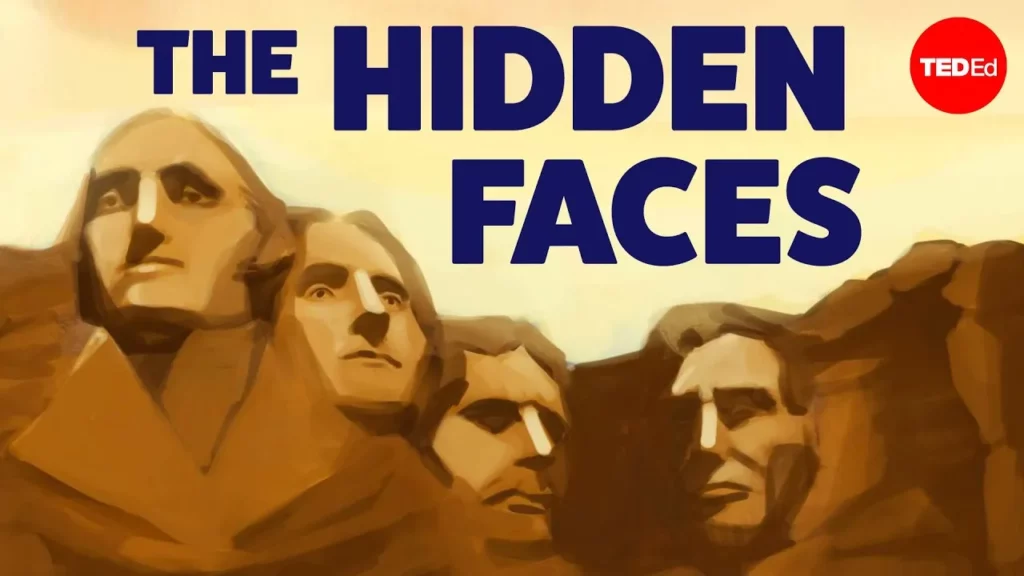
The lesson explores the complex legacy of Mount Rushmore, a monument carved between 1927 and 1941 that symbolizes both American patriotism and the historical injustices faced by the Lakota people. While the monument attracts millions of visitors, it stands on land the U.S. government unlawfully seized from the Lakota, who view it as a desecration of their sacred Black Hills. The ongoing debate over the monument’s future reflects broader issues of treaty rights and the struggle for justice among Indigenous nations.
Run, sail, or hide? How to survive the destruction of Pompeii – Gary Devore
The lesson explores the daily life of the people in Pompeii on the fateful day of the volcanic eruption of Mount Vesuvius, focusing on the experiences of Fabia and her brothers as they navigate their routines and the impending disaster. As they discuss personal matters and recent tremors, their lives are abruptly changed by the eruption, forcing them to make critical survival decisions amidst chaos. The aftermath reveals the devastating impact of the eruption on Pompeii and Herculaneum, highlighting how archaeological discoveries have provided profound insights into ancient Roman life and the catastrophic events that altered it forever.
The most dangerous elements on the periodic table – Shannon Odell
The lesson explores the chilling legacy of thallium poisoning in 1950s Sydney, where a series of murder and attempted murder cases were linked to this toxic element, which mimics potassium in the body and leads to gradual organ failure. The accessibility of thallium, particularly as a component in rat poison, facilitated its use for malicious purposes until its ban in 1953. This case highlights the broader dangers of various elements on the periodic table, emphasizing the need for awareness and caution in handling hazardous substances to prevent future tragedies.
A day in the life of an ancient Greek architect – Mark Robinson
In this lesson, we explore the challenges faced by Pheidias, the chief architect of the Parthenon, as he navigates accusations of embezzlement while racing against time to complete the grand temple dedicated to Athena. Amidst political intrigue and logistical hurdles, Pheidias employs innovative architectural techniques and oversees the creation of the statue of Athena Parthenos, ultimately proving his integrity with the help of Pericles. The lesson highlights Pheidias’ dedication and ingenuity, which culminate in the construction of one of history’s most celebrated masterpieces.
What if every satellite suddenly disappeared? – Moriba Jah

The lesson explores the catastrophic consequences of a sudden disappearance of all artificial satellites, emphasizing humanity’s reliance on satellite technology for communication, navigation, and economic stability. Immediate disruptions would affect global communication, travel, and essential services, leading to widespread chaos and a potential state of emergency. The lesson also highlights real-world threats to satellite systems, such as solar flares and orbital debris, urging the need for proactive measures to protect our celestial resources and maintain the functionality of modern civilization.
What you can do with an extra jaw – Darien Satterfield
The lesson explores the fascinating evolutionary adaptation of pharyngeal jaws in certain fish, which serve as a secondary set of jaws that enhance their ability to capture and process food. These specialized jaws, suspended in muscle, allow for diverse functionalities and adaptability to various diets, contributing to the remarkable diversity of fish species, particularly in cichlids. Overall, pharyngeal jaws exemplify nature’s ingenuity, enabling fish to thrive in diverse aquatic environments.
Why is meningitis so dangerous? – Melvin Sanicas
The 1987 meningitis outbreak during the Hajj pilgrimage in Saudi Arabia escalated into a global health crisis, resulting in over 2,000 cases and widespread infections worldwide. Meningitis, particularly bacterial meningitis, poses a severe threat due to its rapid progression and potential for fatal complications, emphasizing the critical need for early medical intervention and vaccination to prevent outbreaks. Awareness and prompt action are essential for saving lives in the face of this dangerous disease.
A brie(f) history of cheese – Paul Kindstedt
The lesson explores the ancient origins of cheese, tracing its development from Neolithic farmers in the Fertile Crescent around 8000 BCE to its integral role in various ancient civilizations. It highlights how cheese provided nutritional benefits and survival advantages, evolving through cultural adaptations and technological advancements, ultimately leading to the modern cheese industry that produces billions of kilograms annually while still honoring traditional methods.
How does caffeine keep us awake? – Hanan Qasim
The lesson explores the global consumption of caffeine, highlighting its dual role as a stimulant that enhances alertness and mood while also posing potential health risks. Caffeine functions by blocking adenosine receptors in the brain, preventing sleepiness and promoting feelings of pleasure, but regular use can lead to adaptation and withdrawal symptoms. Ultimately, understanding caffeine’s effects can help individuals make informed choices about their consumption and its impact on health.