
The Norse myth that inspired ‘The Lord of the Rings’ – Iseult Gillespie
The lesson of “The Curse of Andvari’s Ring” illustrates the destructive nature of greed and betrayal, as a seemingly innocuous act by Loki leads to a tragic chain of events. The acquisition of Andvari’s cursed ring brings about the downfall of Hreiðmarr and his sons, culminating in a cycle of violence and treachery that ultimately consumes them. This tale serves as a cautionary reminder of how the pursuit of wealth can lead to ruin and discord among even the closest of kin.
What causes seizures, and how can we treat them? – Christopher E. Gaw
The lesson explores the historical evolution of understanding and treating seizures, beginning with ancient Babylonian beliefs that attributed seizures to evil spirits, to Hippocrates’ identification of the brain as their source. Significant advancements in the 19th century laid the groundwork for modern treatments, including medications and surgical interventions, which have greatly improved the management of seizures today, although challenges remain in understanding their underlying causes and effective treatments for all cases. Additionally, the lesson emphasizes the importance of proper response techniques during a seizure to ensure the safety of the individual affected.
The philosophy of cynicism – William D. Desmond
The lesson explores the life and philosophy of Diogenes, a pivotal figure in the development of Cynicism, who embraced simplicity and self-sufficiency after losing his wealth and status. Through his provocative actions and disdain for societal norms, Diogenes and his followers, known as Cynics, advocated for a minimalist lifestyle that prioritized authenticity over materialism. Despite facing criticism and evolving interpretations over the centuries, the core values of questioning societal conventions and seeking genuine living continue to resonate in contemporary thought and counter-cultural movements.
A brief history of chess – Alex Gendler
The lesson explores the rich history and evolution of chess, tracing its origins from the ancient game of chaturanga in India to its modern form in Europe and beyond. It highlights chess’s dual role as both a strategic military simulation and a cultural metaphor, illustrating how it has adapted and transformed through various civilizations, including its rise in popularity during the Enlightenment and its geopolitical significance during the Cold War. The lesson concludes by acknowledging the impact of technology on chess, particularly the advent of computer programs that now surpass human players, while emphasizing the enduring creativity and ingenuity that the game inspires.
Can you survive nuclear fallout? – Brooke Buddemeier and Jessica S. Wieder
The lesson emphasizes the catastrophic consequences of a nuclear detonation and outlines a scientifically supported plan to mitigate its effects, potentially saving countless lives. Key protective measures include seeking shelter indoors to shield against the immediate threats of the fireball and shockwave, as well as long-term hazards like radioactive fallout. Staying informed through emergency broadcasts and remaining indoors for at least 24 hours post-blast are crucial steps to enhance survival chances in such a dire situation.
Mating frenzies, sperm hoards, and brood raids: The life of a fire ant queen – Walter R. Tschinkel
The lesson explores the intricate life cycle of fire ants, particularly focusing on their nuptial flight, where male and female alates take to the skies for mating. After the flight, the queen establishes a new colony, faces challenges such as brood-raiding from neighboring colonies, and ultimately builds a super-colony that thrives for several years before facing decline. The cycle concludes with the queen’s eventual death, yet her genetic legacy persists, ensuring the continuation of fire ant populations.
Ugly History: The U.S. Syphilis Experiment – Susan M. Reverby
The Tuskegee Syphilis Study, conducted from 1932 to 1972, involved unethical experimentation on nearly 400 Black men with late-stage syphilis, who were misled about their treatment and denied access to effective penicillin despite its discovery. This study highlighted severe ethical violations in medical research, including the lack of informed consent and the exploitation of marginalized populations. The public outcry following the study’s exposure led to significant changes in research ethics and regulations, yet systemic racism in healthcare remains a critical issue that requires ongoing attention and reform.
Turbulence: One of the great unsolved mysteries of physics – Tomás Chor

The lesson explores the complex phenomenon of turbulence, highlighting its prevalence in various natural systems and the challenges scientists face in understanding and predicting it. It distinguishes between laminar and turbulent flow, emphasizing the chaotic yet structured nature of turbulence, influenced by the interplay of inertia and viscosity. The future of turbulence research hinges on advancements in computational power and statistical methods, which could lead to significant practical applications, including improved weather forecasting and enhanced aviation safety.
The wild world of carnivorous plants – Kenny Coogan
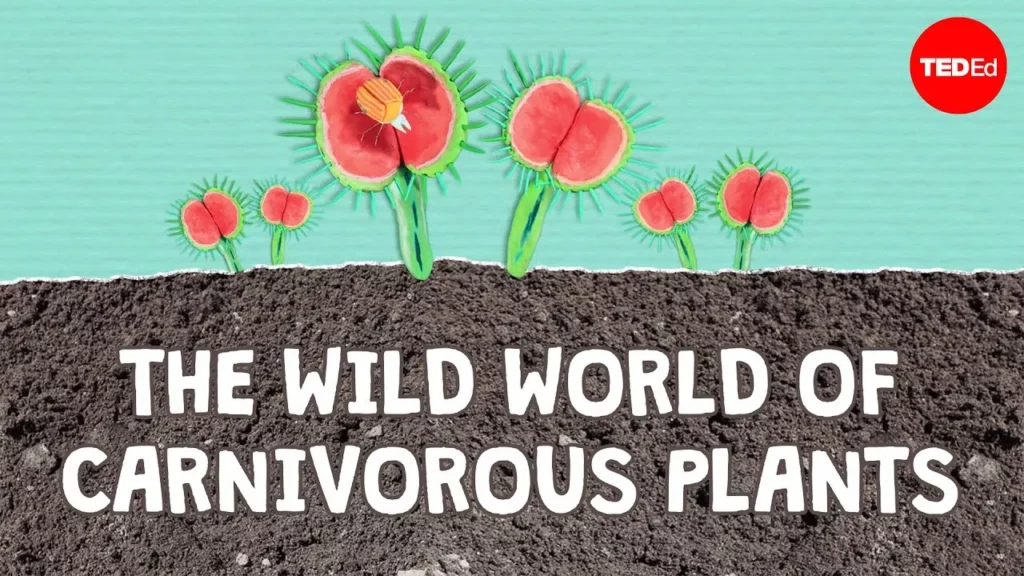
The lesson explores the intriguing adaptations of carnivorous plants, which have evolved over 600 species to supplement their nutrient intake by capturing and digesting insects and small animals. Highlighting various examples such as the pitcher plant, sundew, and Venus flytrap, the lesson illustrates how these plants thrive in nutrient-poor environments through unique trapping mechanisms, showcasing the remarkable diversity and resilience of life on Earth.
History’s deadliest colors – J. V. Maranto

The lesson explores the historical use of toxic pigments, highlighting the dangers associated with substances like radium, lead, arsenic, and uranium in art and everyday products. Initially celebrated for their vibrant colors and unique properties, these materials ultimately revealed severe health risks, including poisoning and long-term illnesses. The lesson emphasizes the importance of awareness regarding the safety of materials used in art and consumer goods, advocating for a more informed and cautious approach to color selection in the future.