
Why should you read Kurt Vonnegut? – Mia Nacamulli
Kurt Vonnegut’s “Slaughterhouse-Five” follows the protagonist Billy Pilgrim, who experiences life non-linearly due to being “unstuck” in time, reflecting on his traumatic experiences as a World War II prisoner. Drawing from his own war experiences, Vonnegut challenges traditional narrative structures and explores the randomness of life, suggesting that moments in time are interconnected and immutable. Through themes of love, meaning, and the absurdity of existence, Vonnegut ultimately advocates for human connection and hope amidst despair.
The art forger who tricked the Nazis – Noah Charney
The lesson recounts the extraordinary story of Han van Meegeren, an art forger who cleverly deceived the art world by creating convincing forgeries of works attributed to the renowned painter Johannes Vermeer. After being arrested for allegedly collaborating with the Nazis, van Meegeren turned the trial into a demonstration of his forgery skills, ultimately convincing the court of his guilt and avoiding a death sentence. His tale highlights the complexities of art, deception, and the sometimes misguided judgments of experts in the field.
The history of the world according to corn – Chris A. Kniesly
The lesson explores the remarkable journey of Yellow Dent #2 corn, tracing its origins from the ancient grass teosinte to its status as the most widely cultivated crop globally. It highlights the factors contributing to its dominance, including early domestication, European adoption, standardization in the 19th century, and technological advancements post-World War II. However, the lesson also addresses the environmental and health challenges associated with corn’s extensive cultivation, raising questions about the sustainability of its future in global agriculture.
What causes heartburn? – Rusha Modi
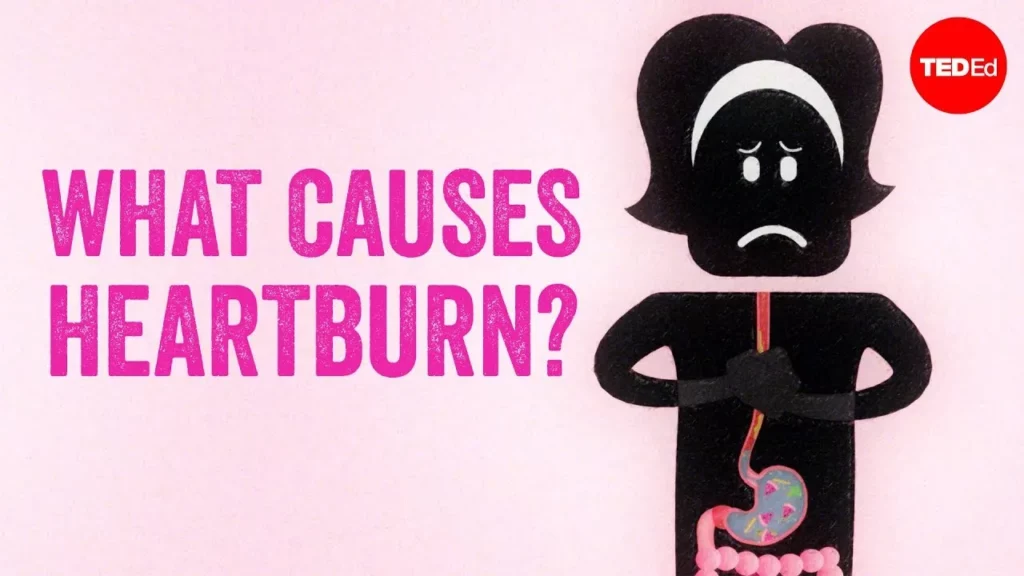
The lesson highlights the importance of the lower esophageal sphincter (LES) in the digestive process and its role in preventing heartburn, a common ailment caused by the malfunctioning of this muscle. It discusses the rising incidence of heartburn and Gastroesophageal Reflux Disease (GERD), identifying various dietary and lifestyle triggers that can weaken the LES. The lesson also outlines potential complications from untreated heartburn and emphasizes the importance of preventive measures and treatment options to maintain digestive health.
The ingredient in almost everything you eat – Francesca Bot
The lesson explores the historical significance and global impact of soybeans, highlighting their journey from ancient cultivation in Asia to becoming a staple in modern diets, largely due to innovations by figures like Henry Ford. It discusses the nutritional benefits of soy, its diverse applications in food and industry, and the environmental challenges associated with its production, emphasizing the need for sustainable farming practices to balance demand with ecological preservation.
Are ghost ships real? – Peter B. Campbell
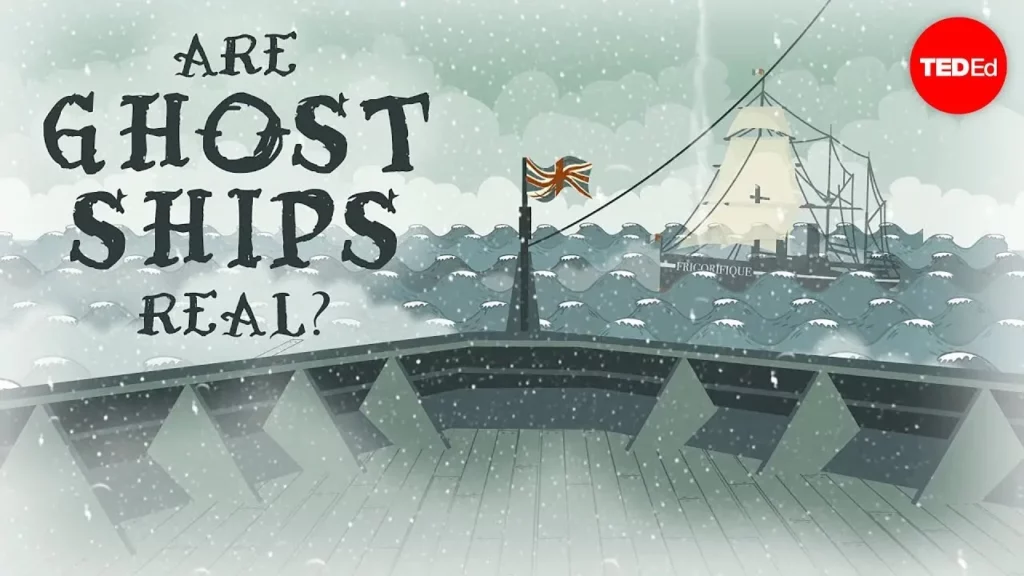
The lesson explores the fascinating phenomenon of ghost ships, highlighting a historical incident involving the “Rumney” and “Frigorifique” that contributed to ghost ship lore. It explains that these mysterious vessels are not the result of supernatural occurrences but can be understood through scientific principles such as buoyancy, fluid dynamics, and ocean currents. By examining cases like the “Mary Celeste” and “A. Ernest Mills,” the lesson illustrates how natural forces and human misunderstandings have shaped the legends surrounding these enigmatic ships.
How to see more and care less: The art of Georgia O’Keeffe – Iseult Gillespie
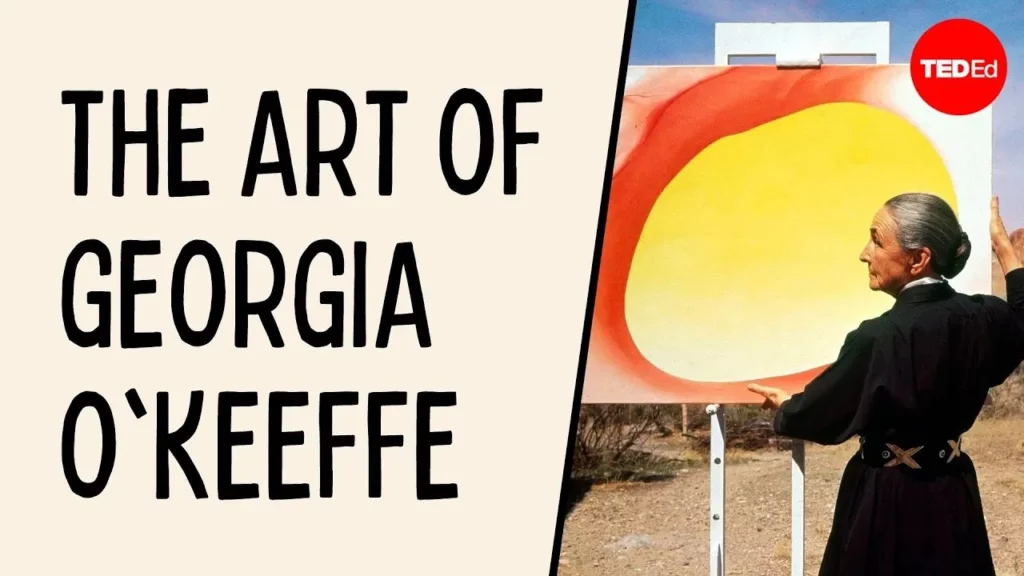
The lesson on Georgia O’Keeffe highlights her transformative impact on American Modernism through her unique approach to abstract art, characterized by vibrant colors and bold compositions. Born in Wisconsin and later moving to New York, O’Keeffe broke away from traditional realist techniques to explore the emotional essence of nature, ultimately gaining acclaim for her innovative perspectives on overlooked subjects. Her legacy endures as she is celebrated as the “Mother of American Modernism,” continuing to inspire future generations of artists.
What ‘Machiavellian’ really means – Pazit Cahlon and Alex Gendler
The lesson explores the complex legacy of Niccolò Machiavelli, particularly through his work *The Prince*, which is often misinterpreted as a manual for tyranny. While Machiavelli’s pragmatic approach to power acquisition has led to his reputation as a proponent of unscrupulous behavior, a deeper analysis reveals that he may have intended to critique princely rule and expose the dangers of tyranny. Ultimately, his work serves as a dual warning about the nature of power and the potential for subjugation, influencing political thought by encouraging a realistic examination of governance.
The mysterious origins of life on Earth – Luka Seamus Wright
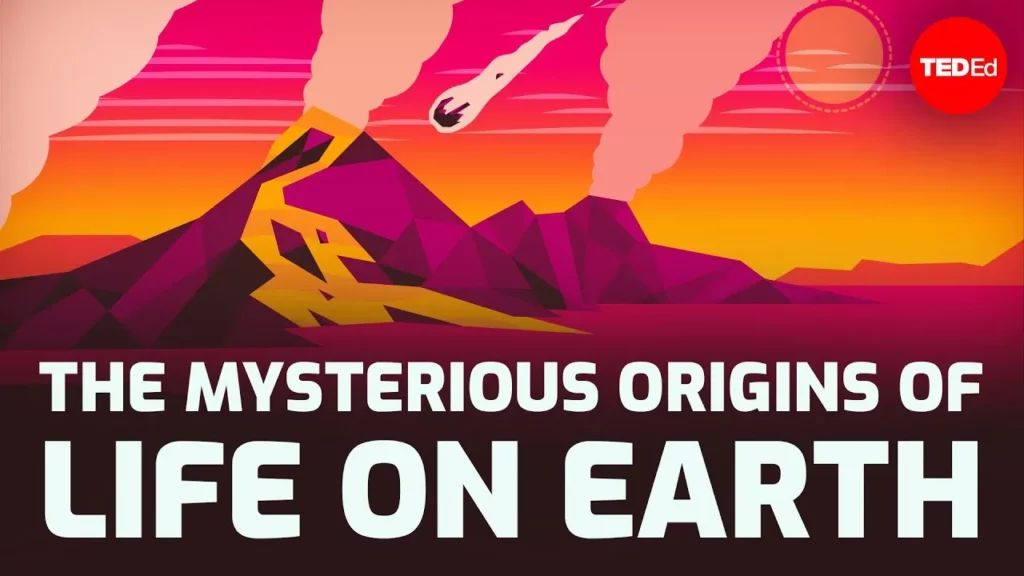
The lesson explores the origins of life on Earth, highlighting the formation of simple organic compounds that evolved into complex life forms in a hostile environment characterized by volcanic activity and UV radiation. It emphasizes the essential elements and conditions necessary for life, particularly focusing on hydrothermal vents as promising cradles for early life due to their rich chemical gradients and protective environments. The Lost City hydrothermal vent field is identified as a leading candidate for the origin of life, providing the necessary conditions for the first organisms to thrive and evolve into the diverse species we see today.
Does time exist? – Andrew Zimmerman Jones
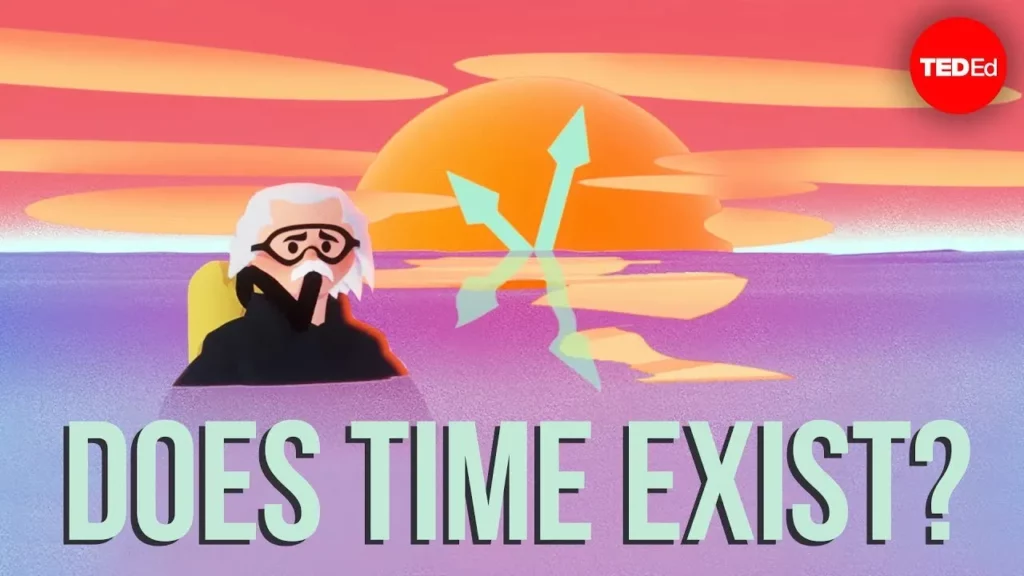
The lesson explores the complex nature of time, examining its measurement through natural cycles and the evolution of timekeeping methods. It delves into Einstein’s theory of relativity, which reveals the non-uniformity of time’s passage and introduces the concept of space-time, while also addressing the unidirectional flow of time defined by entropy. Ultimately, the lesson suggests that time may be an emergent property rather than a fundamental one, prompting ongoing exploration into its true nature within the universe.