
Why should you read Toni Morrison’s ‘Beloved’? – Yen Pham
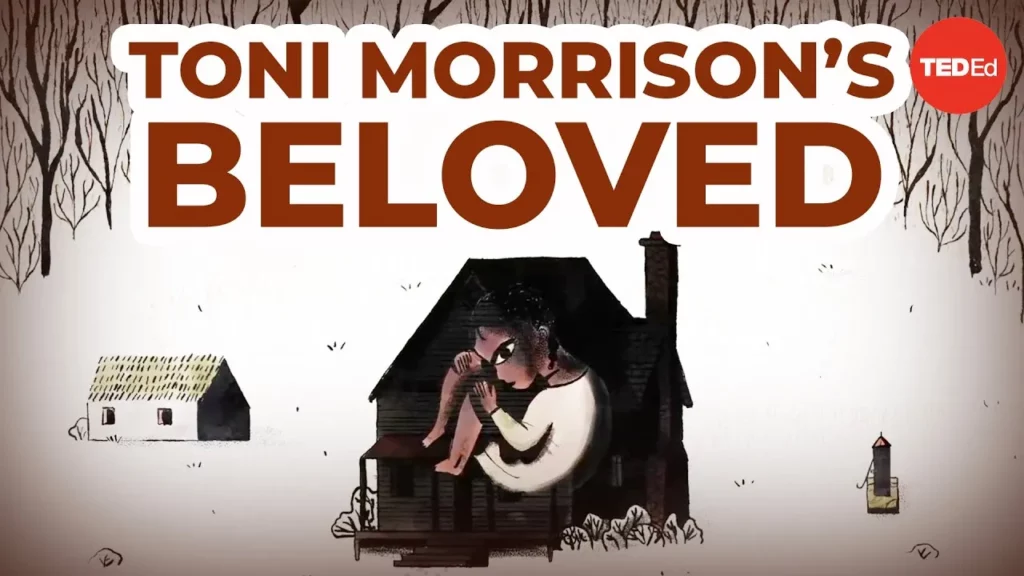
In “Beloved,” Toni Morrison explores the profound impact of trauma and love within the context of African-American history, particularly the scars left by slavery. Through the story of Sethe, a woman haunted by her past and the ghost of her deceased daughter, Morrison illustrates how the dehumanizing effects of slavery corrupt love and shape the lives of both the enslaved and their oppressors. The novel ultimately serves as a poignant reminder of the enduring legacy of trauma, the complexities of human relationships, and the importance of acknowledging and learning from the past.
What happens if you’re injected with the wrong blood type? – Bill Schutt
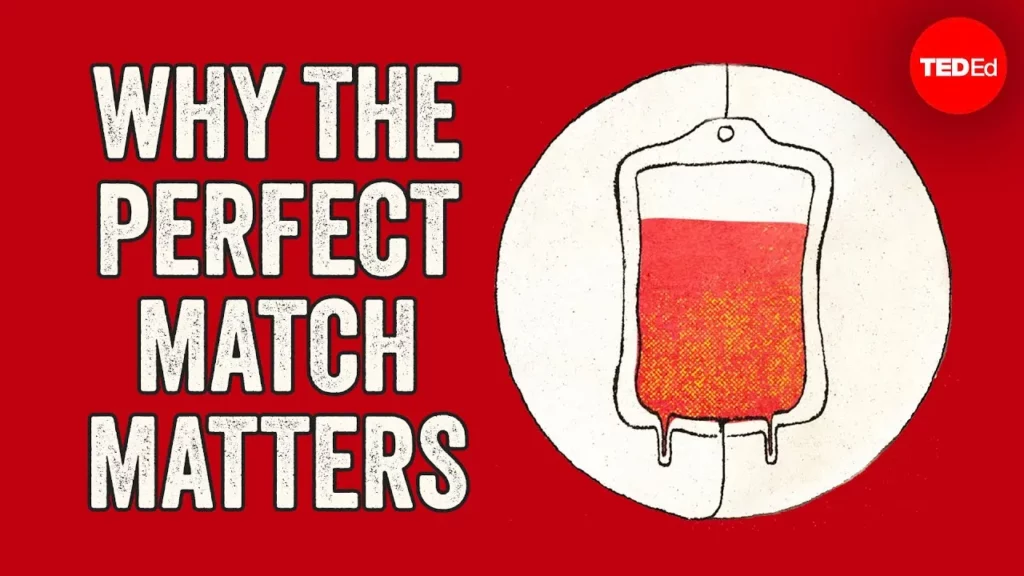
The lesson outlines the historical evolution of blood transfusions, beginning with early experiments in the 17th century that faced significant challenges due to immune responses and cross-species complications. A pivotal moment occurred in 1901 with Karl Landsteiner’s discovery of blood types, which revolutionized transfusion practices by allowing for safe matching of donors and recipients. The development of blood storage techniques and the establishment of blood banks during World War I further advanced the field, transforming blood transfusions into a critical and life-saving component of modern medicine.
What’s the big deal with gluten? – William D. Chey
The lesson explores the rise of the gluten-free trend, highlighting the complexities surrounding gluten and its health implications. It explains that while gluten is a protein found in certain grains, it can cause significant health issues for some individuals, such as celiac disease and non-celiac gluten sensitivity. The lesson emphasizes the importance of understanding these conditions and suggests that the decision to adopt a gluten-free lifestyle should be based on informed and personalized considerations.
Are food preservatives bad for you? – Eleanor Nelsen
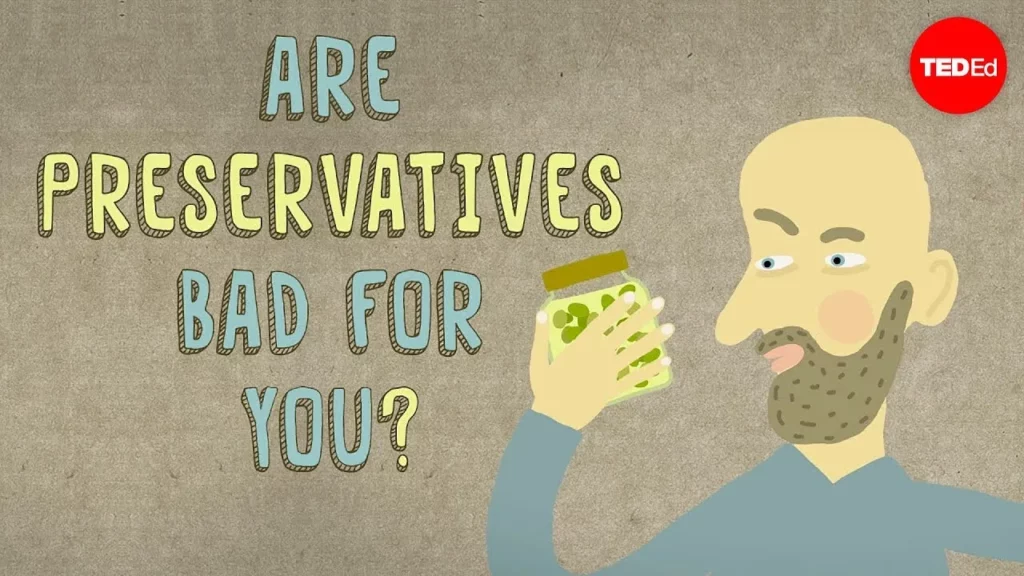
The lesson discusses the importance of preservatives in preventing food spoilage caused by microbes and oxidation, which can lead to unpleasant and potentially harmful food deterioration. It explains how various types of preservatives, including synthetic acids, sugars, salts, and antioxidants, work to inhibit microbial growth and chemical changes in food, while also addressing safety concerns associated with their consumption. Ultimately, the lesson emphasizes the need for a balanced approach to using preservatives, advocating for moderation and the exploration of alternative preservation methods.
Why should you read Tolstoy’s ‘War and Peace’? – Brendan Pelsue
The lesson explores the monumental literary achievement of Leo Tolstoy’s “War and Peace,” highlighting its transformation from a concise novel into a sprawling epic that intricately weaves together personal narratives and significant historical events. Through a rich tapestry of characters and profound philosophical inquiries, Tolstoy examines the complexities of war, society, and human nature, ultimately creating a work that transcends traditional literary classifications. The lesson emphasizes that “War and Peace” is not just a novel, but a deep exploration of history and humanity, reflecting Tolstoy’s unique vision and the tumultuous context of his life.
How does your immune system work? – Emma Bryce
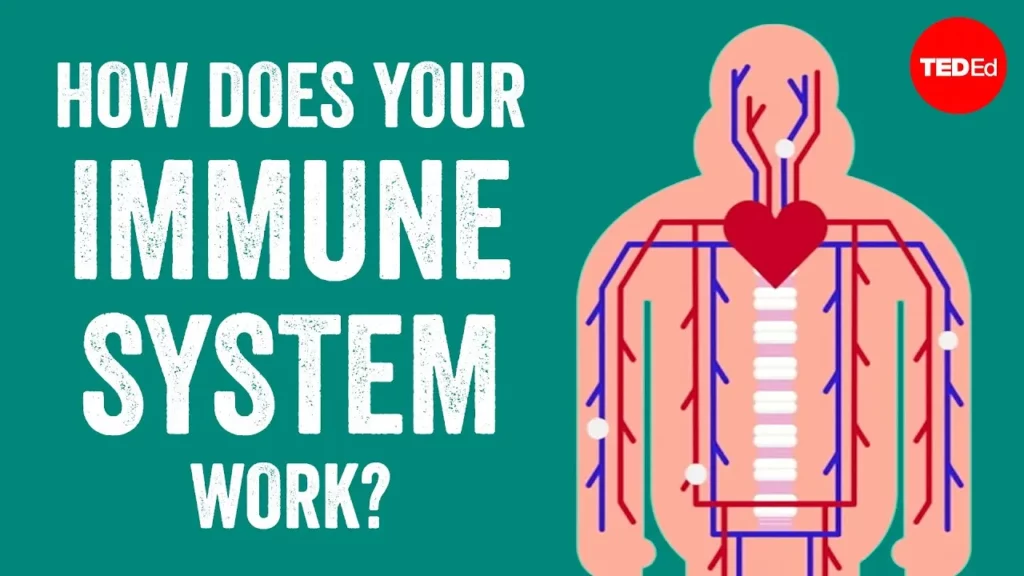
The lesson explores the intricate workings of the immune system, highlighting its role as the body’s primary defense against infections and diseases. It details how white blood cells, particularly leukocytes, identify and respond to pathogens through a two-pronged immune response involving phagocytes and lymphocytes, ultimately leading to long-term immunity. Additionally, it emphasizes the importance of symptoms like fever and swelling in aiding the immune response, while acknowledging the challenges posed by autoimmune diseases.
The world’s most painful insect sting – Justin Schmidt
This lesson explores the fascinating and painful world of insect stings, focusing on the evolutionary significance and the intense pain caused by various insects such as the Western honeybee, tarantula hawk wasp, and bullet ant. Through the work of entomologist Justin O. Schmidt, the lesson highlights the unique venoms and pain experiences associated with these stings, with the bullet ant’s sting being deemed the most excruciating. Ultimately, the lesson emphasizes how these painful defenses have evolved to protect insect colonies from predators.
‘The Nutritionist’ by Andrea Gibson
In “The Nutritionist,” Andrea Gibson explores the intricate relationship between mental health, societal pressures, and personal resilience through a series of encounters with various figures offering advice. The poem highlights the often superficial solutions to deeper issues, emphasizing the importance of authenticity, shared experiences, and embracing vulnerability as a means of healing. Ultimately, Gibson’s work serves as a powerful reminder of the strength found in connection and the necessity of persevering through life’s challenges.
How squids outsmart their predators – Carly Anne York
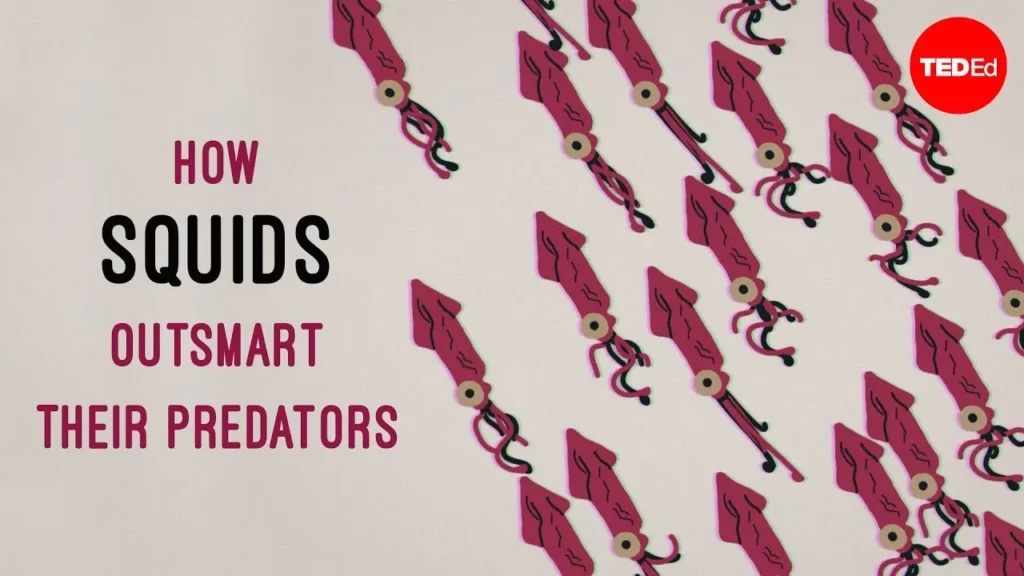
The lesson explores the intense and dynamic interactions between sperm whales and colossal squids in the ocean’s depths, highlighting the remarkable adaptations of both species. Sperm whales utilize echolocation to hunt squids, while squids employ advanced sensory systems, camouflage, and unique defense mechanisms like ink ejection and jet propulsion to evade their predators. The lesson emphasizes the evolutionary ingenuity of squids, which have thrived for over 500 million years, showcasing their role as both prey and predator in the marine ecosystem.
The surprising secrets of hummingbird flight – Kristiina J. Hurme and Alejandro Rico-Guevara
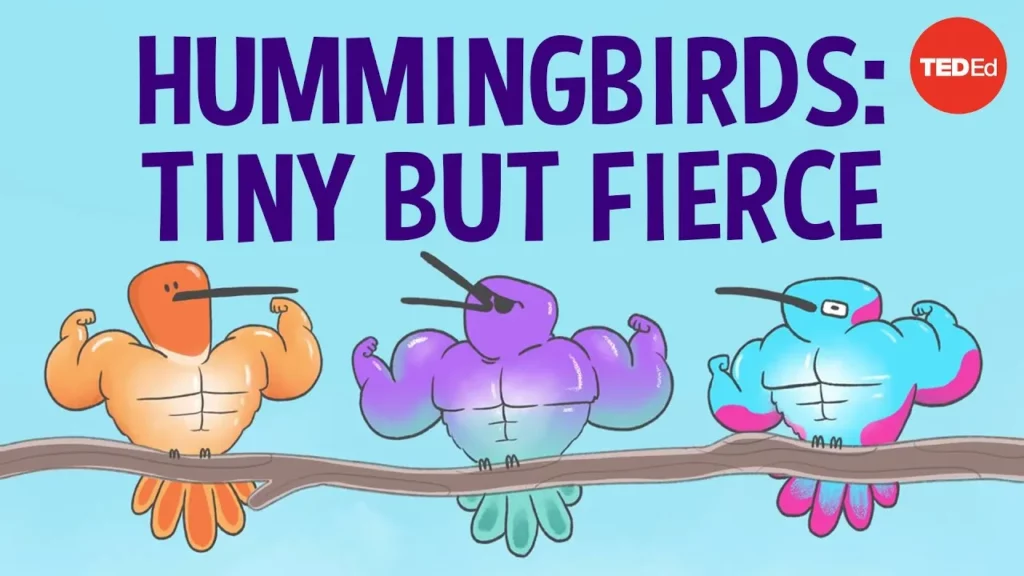
The lesson explores the remarkable abilities of hummingbirds, highlighting their unique flight mechanics, including rapid wing beats and the ability to hover, which allows them to feed and pollinate efficiently. It also discusses their territorial behaviors and energy-intensive lifestyle, emphasizing their ecological significance and the adaptations that enable them to thrive despite their small size. Ultimately, hummingbirds exemplify how extraordinary capabilities can exist in seemingly delicate creatures.