
What causes headaches? – Dan Kwartler
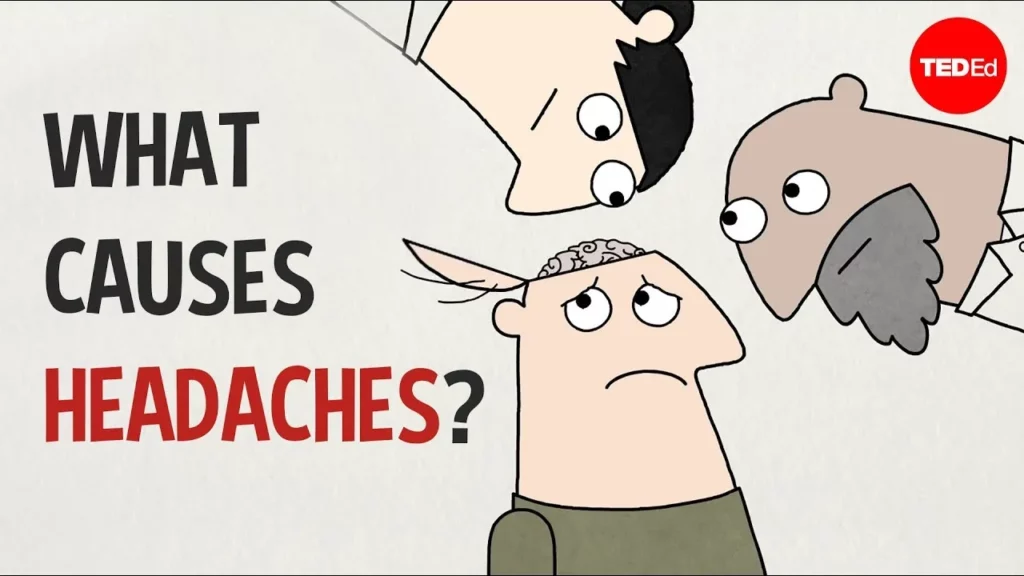
The lesson explores the historical and modern understanding of headaches, highlighting the drastic ancient practice of trepanation and the evolution of headache classification into primary and secondary types. While secondary headaches, such as those caused by sinus infections, have identifiable triggers and treatments, the origins of primary headaches like migraines and tension headaches remain elusive, prompting ongoing research. Current treatments primarily focus on pain relief and prevention, but the complexity of primary headaches continues to challenge medical science.
Which type of milk is best for you? – Jonathan J. O’Sullivan & Grace E. Cunningham

This lesson explores the various milk options available, comparing the nutritional benefits and environmental impacts of dairy milk and popular plant-based alternatives like almond, soy, and oat milk. While dairy milk is rich in protein and essential nutrients, plant-based milks often have lower environmental footprints, with oat and soy milks being particularly sustainable choices. Ultimately, the best milk for you will depend on your dietary needs and preferences, but opting for plant-based options can also contribute positively to the planet.
What is schizophrenia? – Anees Bahji
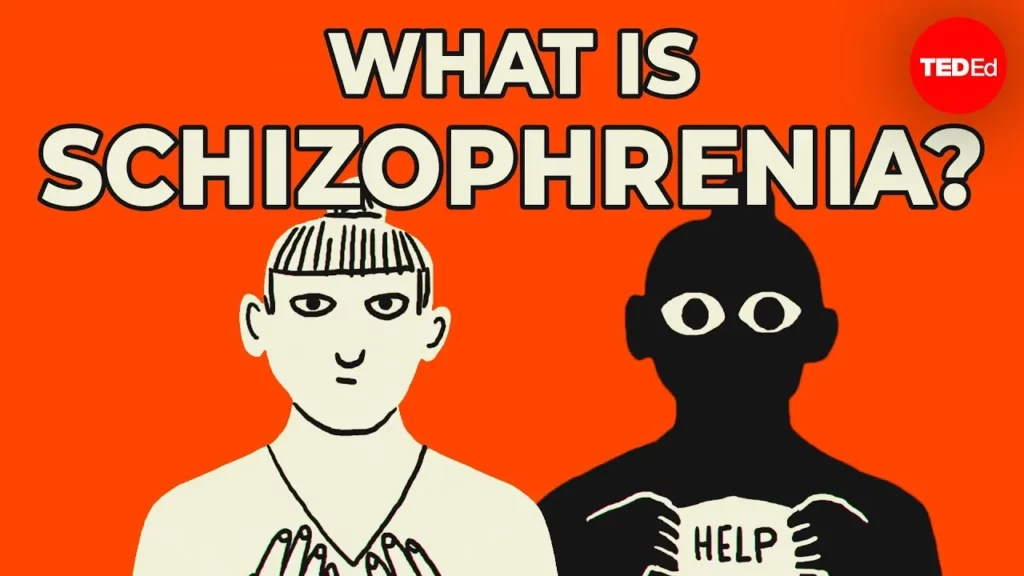
This lesson provides an overview of schizophrenia, a complex mental illness characterized by a range of symptoms that can vary significantly among individuals. It discusses the classification of symptoms into positive, negative, and cognitive categories, explores the interplay of genetic and environmental factors in its onset, and outlines treatment options, including antipsychotic medications and therapy. Emphasizing the importance of early intervention and education, the lesson aims to combat the stigma surrounding schizophrenia and promote a better understanding of the disorder.
Why the insect brain is so incredible – Anna Stöckl
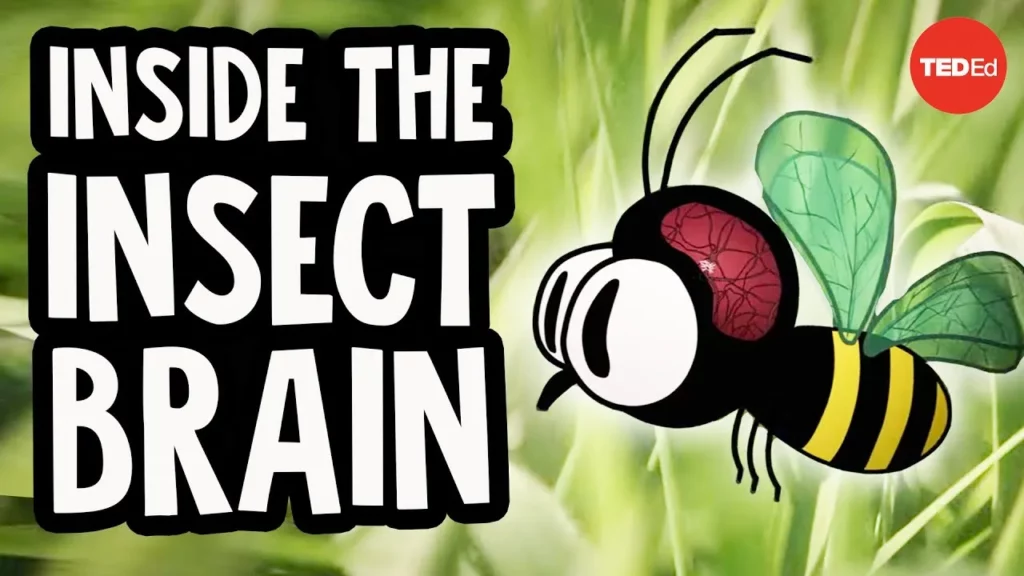
The lesson explores the remarkable complexity and efficiency of insect brains, particularly highlighting the ant’s brain as a marvel of nature despite its small size. It contrasts the decentralized nervous system of insects, which allows them to function even after losing their heads, with the centralized system of humans, while also noting the surprising similarities in brain functions due to convergent evolution. This understanding not only deepens our appreciation for insect intelligence but also has practical implications for advancements in science and engineering.
Why do blood types matter? – Natalie S. Hodge
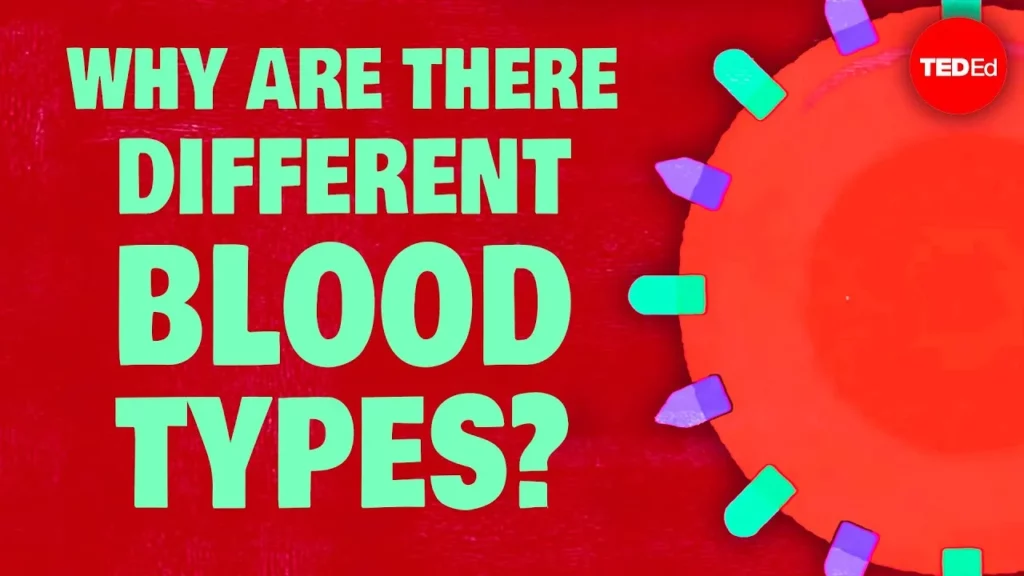
The lesson explores the complexities of human blood types, emphasizing that blood is not uniform but varies due to specific proteins and antigens. It explains how blood types A, B, AB, and O are determined by genetic inheritance of alleles, and highlights the critical importance of blood compatibility in medical contexts, particularly during transfusions. Additionally, it touches on the Rh factor’s role in complications during pregnancy and the cultural beliefs surrounding blood types, while also noting the diversity of blood types across different species.
Why sitting is bad for you – Murat Dalkilinç
The lesson emphasizes the hidden dangers of prolonged sitting, highlighting how our increasingly sedentary lifestyles can lead to serious health issues, including spinal problems, reduced lung capacity, and impaired brain function. It explains that the human body is designed for movement, and sitting for extended periods can disrupt blood flow and fat metabolism, contributing to long-term health risks such as heart disease and diabetes. To mitigate these effects, the lesson encourages incorporating regular movement into daily routines, such as standing and stretching every half hour.
Is radiation dangerous? – Matt Anticole
The lesson “Understanding Radiation: Beyond the Myths” clarifies the complexities of radiation, distinguishing between electromagnetic radiation, which is generally harmless, and nuclear radiation, which can pose health risks. It emphasizes that while ionizing radiation can damage DNA and lead to serious health issues, most radiation exposure in daily life is low and manageable, with practical precautions available to minimize risks. Ultimately, the lesson encourages a better understanding of radiation to alleviate fears and promote informed decision-making regarding exposure.
A brief history of dogs – David Ian Howe
The lesson explores the evolutionary journey of domestic dogs from their ancestors, the gray wolves, highlighting the transition from rivals to allies as humans and wolves adapted to coexist. Through selective breeding and the development of various dog breeds for specific tasks, dogs became integral companions to humans, fostering a unique bond that is reinforced by shared emotional connections. This long-standing relationship illustrates how even the fiercest competitors can evolve into loyal friends over time.
The origins of ballet – Jennifer Tortorello and Adrienne Westwood
The lesson explores the evolution of ballet from its origins in Renaissance Italy as a social dance among the aristocracy to its development into a theatrical art form in France, particularly under the influence of Louis XIV. It highlights how ballet transitioned from a means of courtly control to a professional performance art, with significant contributions from key figures like Louis XIV and Pierre Beauchamp, ultimately leading to the establishment of institutions like the Royal Academy of Dance and the Paris Opera Ballet. Today, ballet is celebrated as a refined art form, showcasing the intricate techniques and storytelling that have evolved over centuries.
How much electricity does it take to power the world?
The lesson discusses the urgent need to transition to clean energy sources to meet the projected 80% increase in global electricity demand by 2050, driven by industrialization and greater access to electricity. It highlights the importance of moving away from fossil fuels, which contribute to greenhouse gas emissions, and emphasizes the potential of renewable energy sources like wind and solar, as well as advancements in nuclear fission and fusion technologies. Ultimately, the lesson underscores the necessity of innovation and infrastructure improvements to create a sustainable energy future.