
Check your intuition: The birthday problem – David Knuffke

The Birthday Paradox illustrates that in a group of just 23 people, there is a surprising 50.73% chance that at least two individuals share the same birthday, despite there being 365 possible birthdays. This counterintuitive result arises from combinatorial mathematics, where the number of potential pairs increases rapidly with group size, leading to a higher probability of matches than one might intuitively expect. The lesson emphasizes how mathematical principles can challenge our perceptions of probability and coincidence in everyday life.
How do fish make electricity? – Eleanor Nelsen
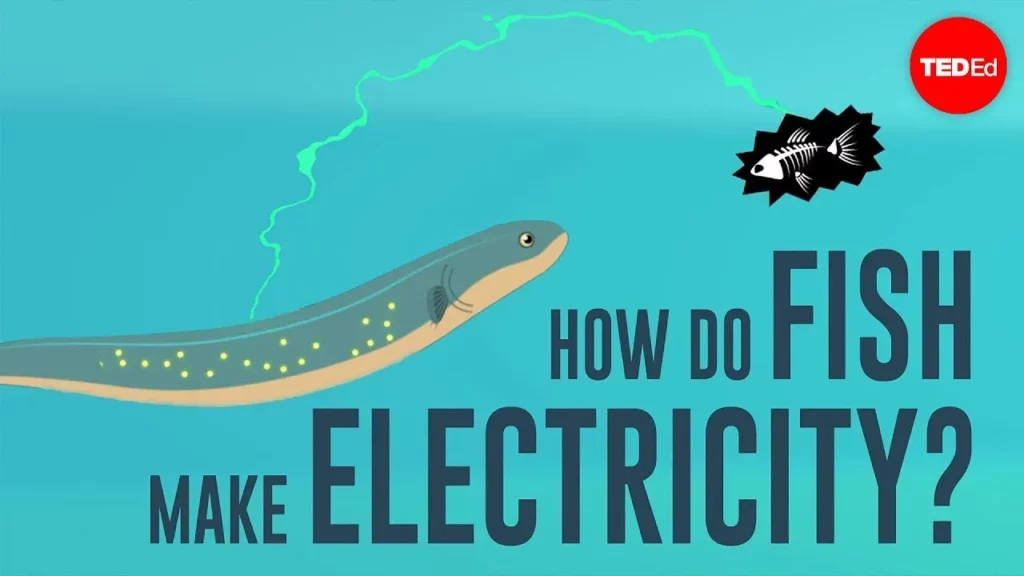
The lesson explores the fascinating adaptations of electric fish, highlighting their ability to generate and detect electrical signals for communication, navigation, and hunting. It distinguishes between weakly electric fish, which use subtle electrical fields for interaction, and strongly electric fish, like electric eels, that can produce powerful discharges for predation. The lesson also touches on the intriguing question of how these fish avoid self-electrocution, emphasizing the ongoing mysteries in their biology.
Cannibalism in the animal kingdom – Bill Schutt
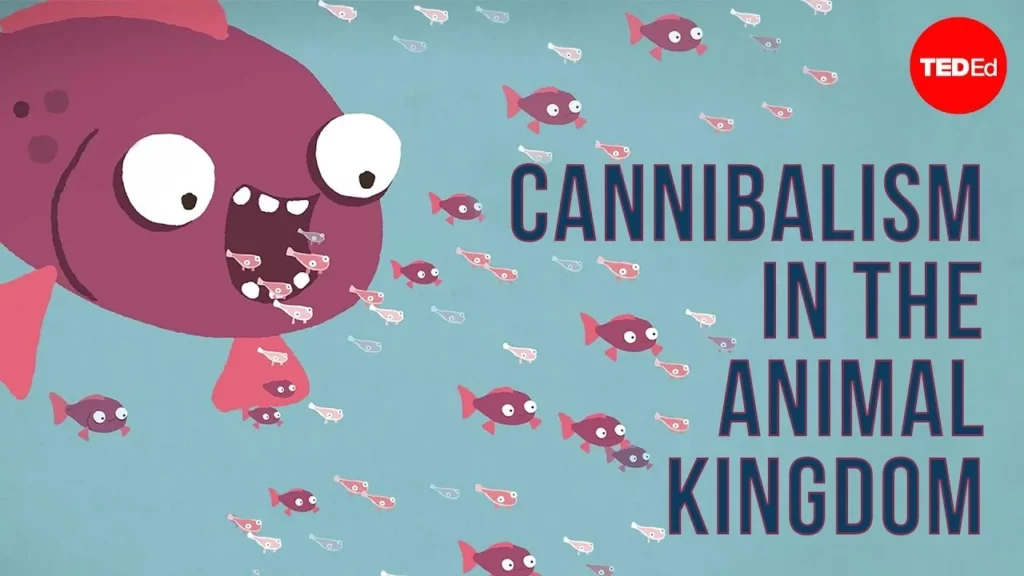
The lesson explores the phenomenon of cannibalism in the animal kingdom, highlighting its role as a survival strategy rather than a mere act of desperation. Using examples such as spadefoot toad tadpoles and sand tiger sharks, it illustrates how cannibalism can enhance survival by reducing competition and ensuring that the strongest individuals thrive. The lesson encourages a reevaluation of cannibalism in nature, emphasizing its significance in various species and the complexities of animal behavior.
What causes bad breath? – Mel Rosenberg

The lesson on halitosis, or bad breath, explores its historical significance and microbial origins, highlighting how bacteria in the mouth produce foul-smelling compounds that contribute to this common condition. It discusses the evolutionary reasons behind our sensitivity to unpleasant odors and emphasizes the importance of oral hygiene in combating bad breath. Additionally, it offers practical remedies while acknowledging that persistent halitosis may indicate underlying health issues.
Why every world map is wrong – Kayla Wolf

The lesson explores the complexities and inaccuracies of flat maps in representing the Earth’s spherical shape, highlighting the historical evolution of mapmaking from Ptolemy’s grid system to modern projections like the Mercator and AuthaGraph maps. It emphasizes the trade-offs between usability and accuracy in map design, noting how different projections can influence perceptions of geography and power dynamics. Ultimately, while flat maps are convenient tools, they inherently distort reality and shape our understanding of the world.
Why are some people left-handed? – Daniel M. Abrams
The lesson explores the evolutionary perspective on left-handedness, highlighting its prevalence and historical consistency in the human population, which remains around 10% for up to 500,000 years. It discusses the complex interplay of genetic and environmental factors influencing handedness, as well as the evolutionary advantages left-handed individuals may have in competitive scenarios, while also considering the cooperative pressures that contribute to their minority status. Ultimately, the balance between competition and cooperation shapes the distribution of handedness, providing insights into human evolution and social dynamics.
The breathtaking courage of Harriet Tubman – Janell Hobson
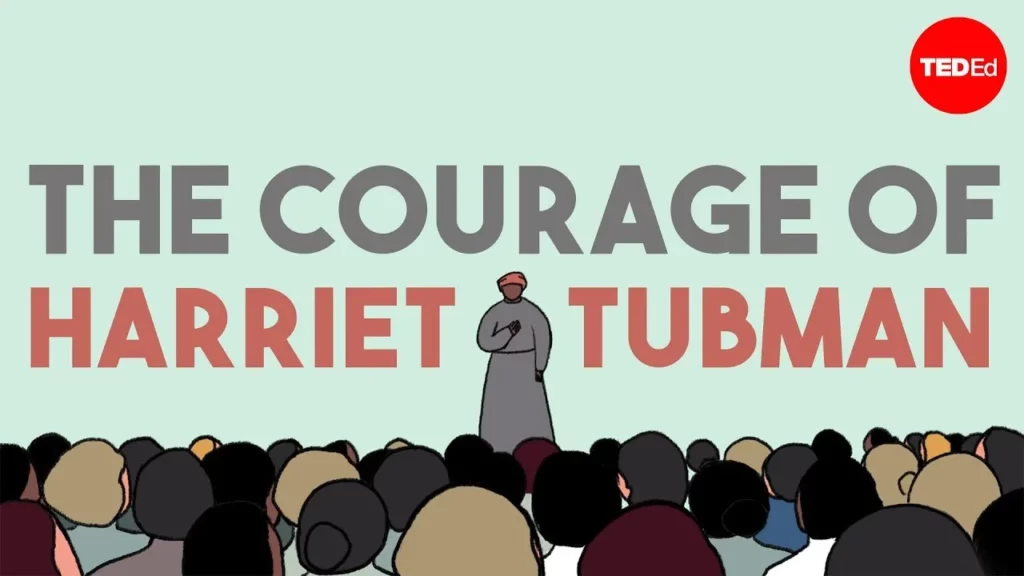
The lesson on Harriet Tubman highlights her extraordinary courage and significant contributions to the fight for freedom and equality in America. Born into slavery, Tubman escaped and became a key figure in the Underground Railroad, rescuing many enslaved individuals, and later served as a military leader during the Civil War. Her advocacy for women’s suffrage and her lasting legacy are celebrated, culminating in her recognition on the twenty-dollar bill, symbolizing her enduring impact on American history.
Why should you read ‘The Master and Margarita’? – Alex Gendler

In “The Devil’s Magic Show: Exploring ‘The Master and Margarita’,” the lesson delves into Mikhail Bulgakov’s surreal novel, which intertwines the antics of the devil, Woland, with the struggles of artists in Stalinist Russia. The narrative oscillates between 1st century Jerusalem and 1930s Moscow, using dark humor and magical realism to critique Soviet society while exploring themes of art, love, and redemption. Ultimately, the lesson highlights the resilience of creativity and the enduring power of manuscripts, reflecting Bulgakov’s own challenges with censorship and his quest for artistic expression.
How tall can a tree grow? – Valentin Hammoudi
The lesson explores the impressive heights of Californian sequoias, which can exceed 100 meters, while also examining the factors that limit their growth. It highlights the role of sap circulation in nutrient distribution and the challenges posed by gravity, particularly through the hydraulic limitation hypothesis, which suggests that as trees grow taller, they struggle to maintain the necessary water supply for further growth. Ultimately, this understanding underscores the intricate balance between tree physiology and environmental forces that dictate the maximum height of these majestic giants.
How the world’s first metro system was built – Christian Wolmar

The lesson explores the groundbreaking development of London’s Underground, which opened on January 10, 1863, as the world’s first subway system. Spearheaded by visionary Charles Pearson, the Metropolitan Railway was created to alleviate severe road congestion in the bustling city, despite initial skepticism and significant construction challenges. Its success not only transformed urban transportation in London but also inspired the establishment of subway systems in cities around the globe, marking a pivotal moment in public transit history.