
How smart are orangutans? – Lu Gao
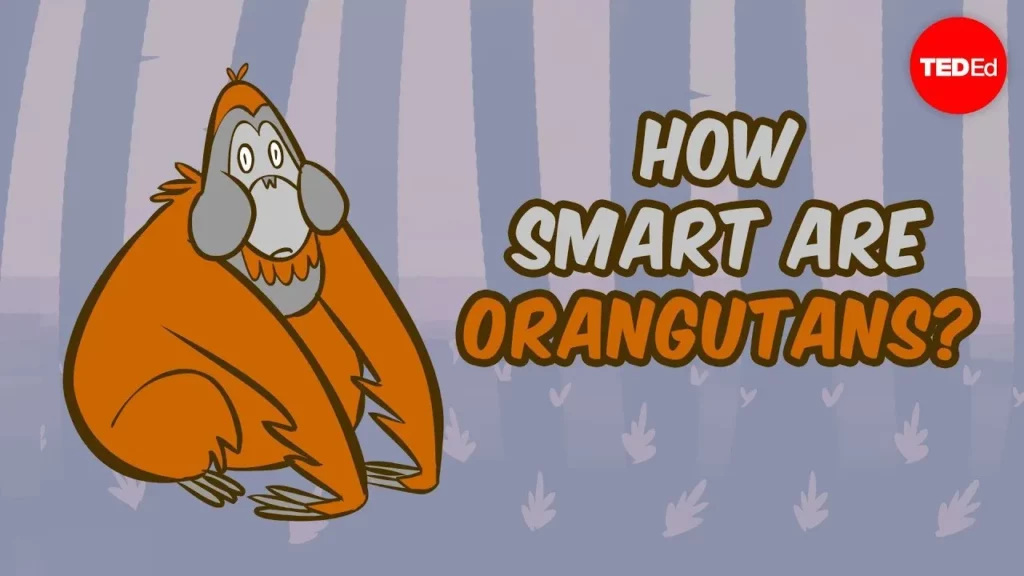
The lesson highlights the remarkable intelligence and adaptability of orangutans, exemplified by Fu Manchu, an escape artist at the Omaha Zoo who cleverly picked the lock of his enclosure. It emphasizes the importance of maternal bonds in teaching survival skills, the development of social and emotional intelligence, and the use of tools for daily tasks. Despite their capabilities, orangutans face significant conservation challenges due to habitat loss and poaching, underscoring the need for human intervention to ensure their survival.
Which sunscreen should you choose? – Mary Poffenroth

This lesson emphasizes the importance of selecting the right sunscreen by understanding how different types function and their impact on both personal health and the environment. It covers the significance of UV radiation, the protective mechanisms of physical versus chemical sunscreens, and the importance of SPF ratings. Additionally, it highlights the need to consider safe ingredients and environmental effects, particularly regarding marine life, when making a sunscreen choice.
The evolution of the human eye – Joshua Harvey
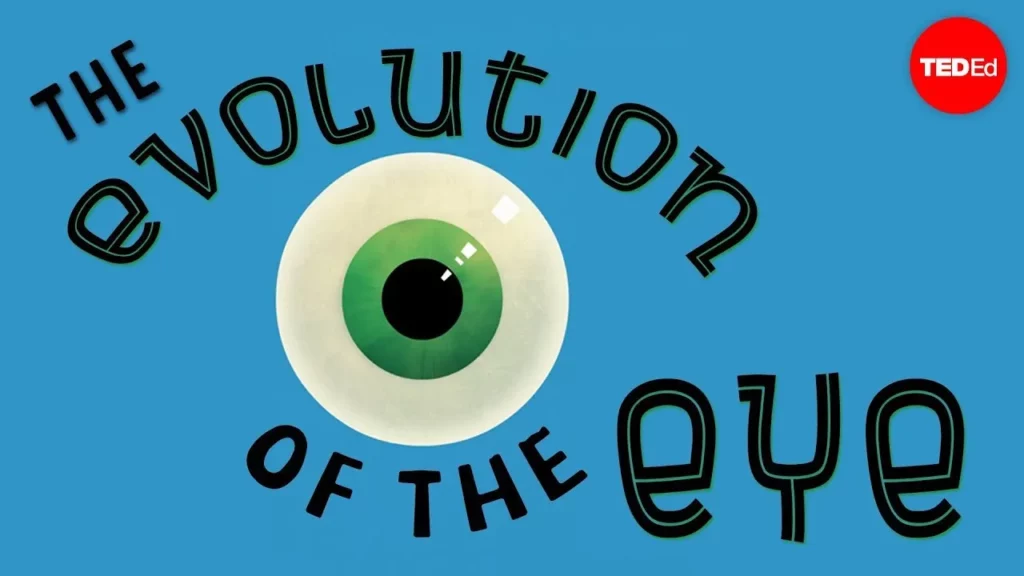
The lesson explores the evolutionary journey of the human eye, tracing its origins from simple light-sensitive spots in single-celled organisms to the complex structure we recognize today. It highlights key developments, such as the evolution of the lens and various adaptations seen in different species, while also noting the eye’s historical imperfections, like the inverted retina. Additionally, the lesson discusses the potential for future advancements in vision technology, suggesting that biomechanical implants may one day enhance or surpass natural eyesight.
Can you solve the airplane riddle? – Judd A. Schorr
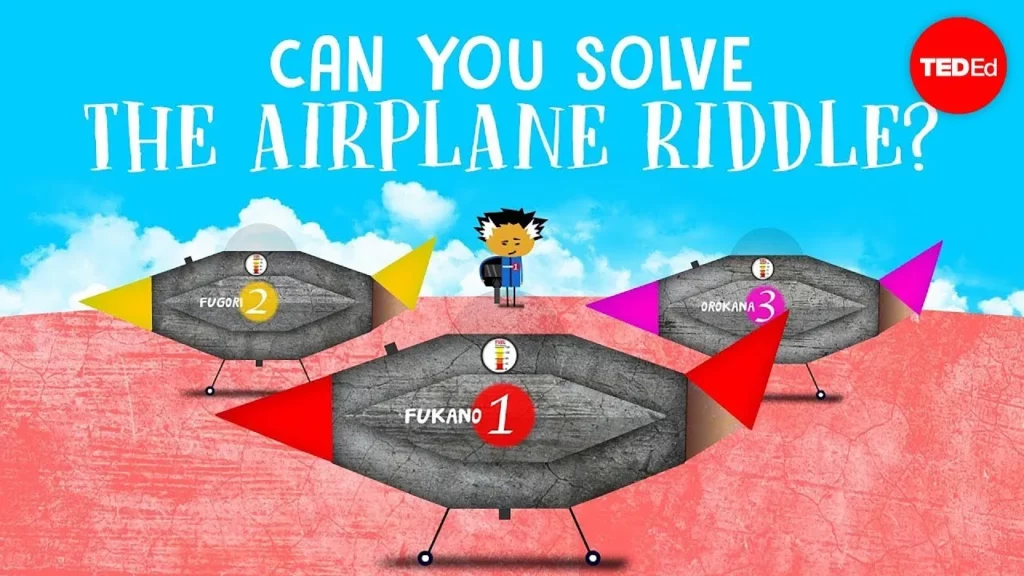
In “Professor Fukanō’s Ambitious Aerial Adventure,” the eccentric scientist devises a clever plan to fly around the world nonstop using three identical planes, each capable of midair fuel transfers. By strategically coordinating the aircraft and their fuel supplies, the team successfully completes the journey, landing safely at the starting airport with their fuel gauges nearly empty. Professor Fukanō’s innovative approach not only showcases his adventurous spirit but also hints at future commercial applications for his aircraft, albeit with a humorous nod to the challenge of in-flight meal management.
The psychology of narcissism – W. Keith Campbell
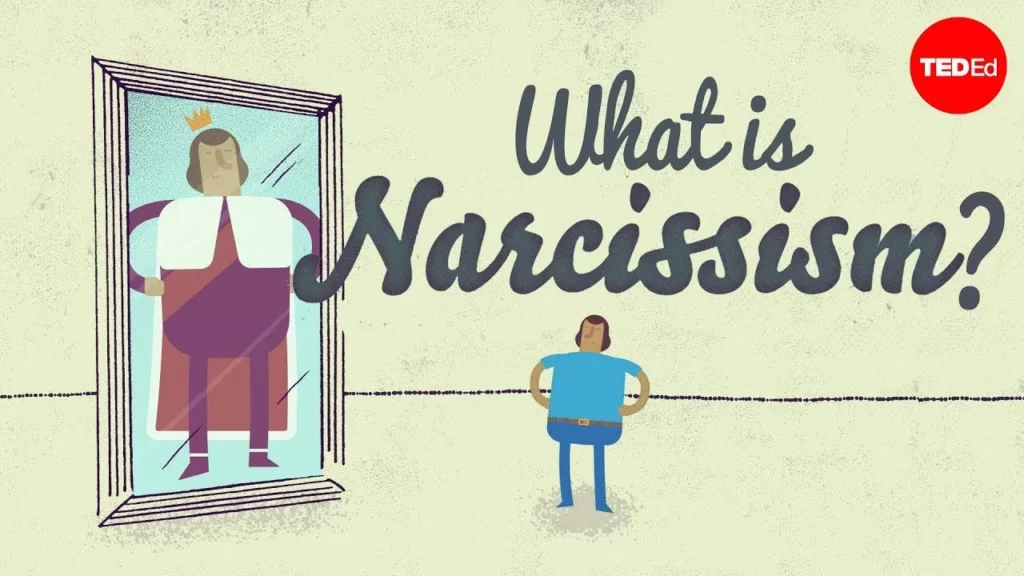
The lesson explores the myth of Narcissus, illustrating the timeless theme of self-obsession and its psychological implications. It delves into the characteristics of narcissism, distinguishing between grandiose and vulnerable types, and discusses narcissistic personality disorder as a severe manifestation of these traits. Additionally, the lesson examines the causes of narcissism, including genetic and environmental factors, and highlights the potential for change through self-reflection and empathy-building activities.
Can you solve the birthday cake riddle? – Marie Brodsky
In the lesson “Counting Candles: A Birthday Dilemma,” you face the challenge of determining your giant friend’s age to create a chocolate centerpiece for his birthday cake. Using a clever strategy within a tunnel beneath the cake, you can manipulate the state of the candles to count them efficiently, employing methods such as systematic guessing and doubling your guesses to minimize the number of trips needed. Ultimately, you discover that your friend is turning 12, allowing you to prepare for the celebration while hoping to avoid any repercussions from the giant.
The surprising reason you feel awful when you’re sick – Marco A. Sotomayor
The lesson explores the complex relationship between the immune system and flu symptoms, highlighting how the body’s response to viral invasion can lead to discomfort. It explains that symptoms like fever, aches, and fatigue are not solely caused by the virus but are also a result of the immune system’s efforts to combat the infection, including the release of cytokines that influence both physical and emotional states. Ultimately, while these symptoms can be unpleasant, they serve important roles in recovery and reflect an evolved defense mechanism against pathogens.
What causes panic attacks, and how can you prevent them? – Cindy J. Aaronson
The lesson on panic attacks highlights their nature as intense fear episodes that can mimic serious health issues, though they do not cause long-term physical harm. It explains the physiological response triggered by the amygdala and identifies common triggers and associated disorders, emphasizing the importance of understanding panic attacks for prevention. Treatment options, primarily antidepressants and cognitive behavioral therapy (CBT), are discussed, with CBT offering lasting results through education, breathing exercises, and exposure techniques to manage and reduce the impact of panic attacks on daily life.
Why the @#$/ is there so much traffic? – Benjamin Seibold
The lesson on phantom traffic jams explains how these unexpected slowdowns occur due to dynamic instability in high-density traffic, where minor disturbances can trigger significant stop-and-go waves. It highlights the potential of self-driving cars to mitigate these jams by maintaining consistent speeds and anticipating traffic conditions, ultimately leading to safer roads and reduced pollution. Understanding these concepts can help drivers navigate traffic more effectively and appreciate the role of technology in improving traffic flow.
Can you solve the penniless pilgrim riddle? – Daniel Finkel
In the lesson “Discovering Duonia: A Pilgrim’s Journey to the Temple,” you navigate the city of Duonia while facing a unique tax challenge that complicates your pilgrimage to the temple. By strategically planning your route and utilizing counterclockwise loops, you learn that an indirect approach can effectively reduce your tax debt, ultimately allowing you to reach the temple without incurring additional costs. This journey emphasizes the importance of strategic thinking and adaptability in overcoming obstacles.