
Why doesn’t the Leaning Tower of Pisa fall over? – Alex Gendler
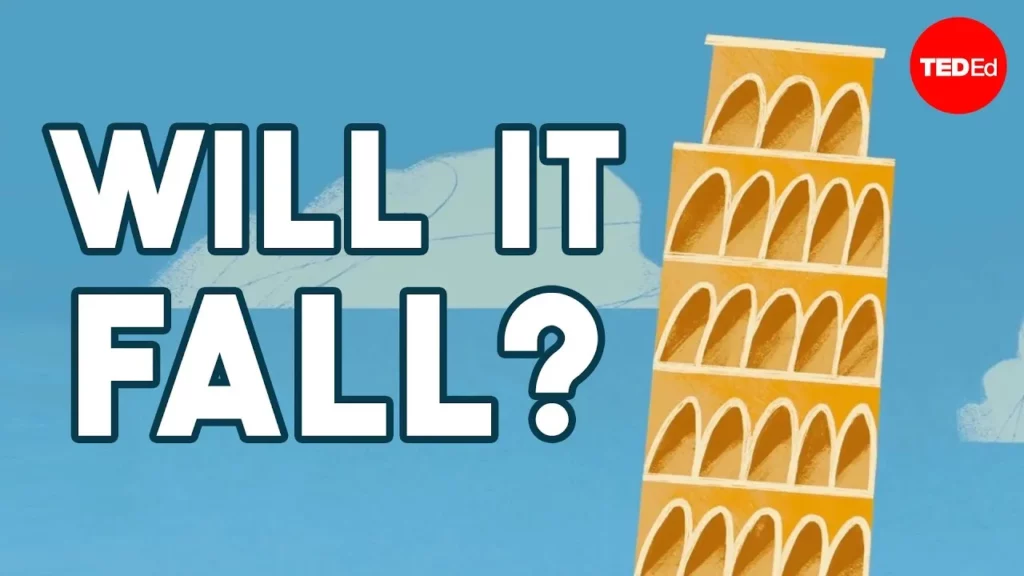
The lesson on the Leaning Tower of Pisa highlights the engineering challenges and triumphs associated with stabilizing this iconic structure, which has leaned since its construction in the 12th century due to inadequate foundation support on marshy ground. Despite numerous failed attempts over the centuries, modern engineering techniques and advanced computer modeling ultimately allowed experts to stabilize the tower, reducing its tilt and ensuring its preservation for future generations. Today, the Leaning Tower of Pisa stands as a symbol of both imperfection and the successful resolution of historical engineering dilemmas.
What would happen if you didn’t drink water? – Mia Nacamulli
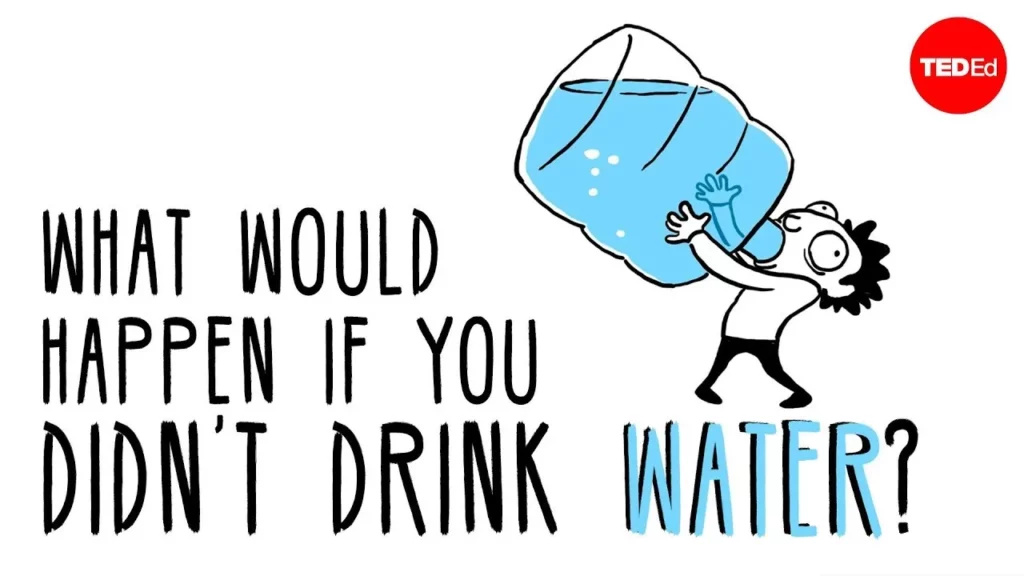
Water is a vital component of the human body, constituting about 55-60% of an adult’s body weight and even more in infants. It plays essential roles, including cushioning joints, regulating temperature, and nourishing the brain, while daily water loss through various bodily functions necessitates regular intake to prevent dehydration or over-hydration. Maintaining optimal hydration is crucial for overall health, with recommendations varying based on individual factors, and proper hydration can lead to long-term benefits such as reduced risks of stroke and improved cognitive function.
How to spot a pyramid scheme – Stacie Bosley

The lesson on Vemma Nutrition serves as a cautionary tale about the dangers of pyramid schemes, illustrating how the company initially presented an enticing opportunity for financial success through recruitment and product sales. Despite rapid growth and impressive revenue figures, the majority of participants ultimately lost money, revealing the deceptive nature of such schemes that prioritize recruitment over legitimate sales. The lesson emphasizes the importance of recognizing red flags and understanding the thin line between legitimate multi-level marketing and fraudulent pyramid schemes to protect individuals and communities from financial harm.
How does alcohol cause hangovers? – Judy Grisel
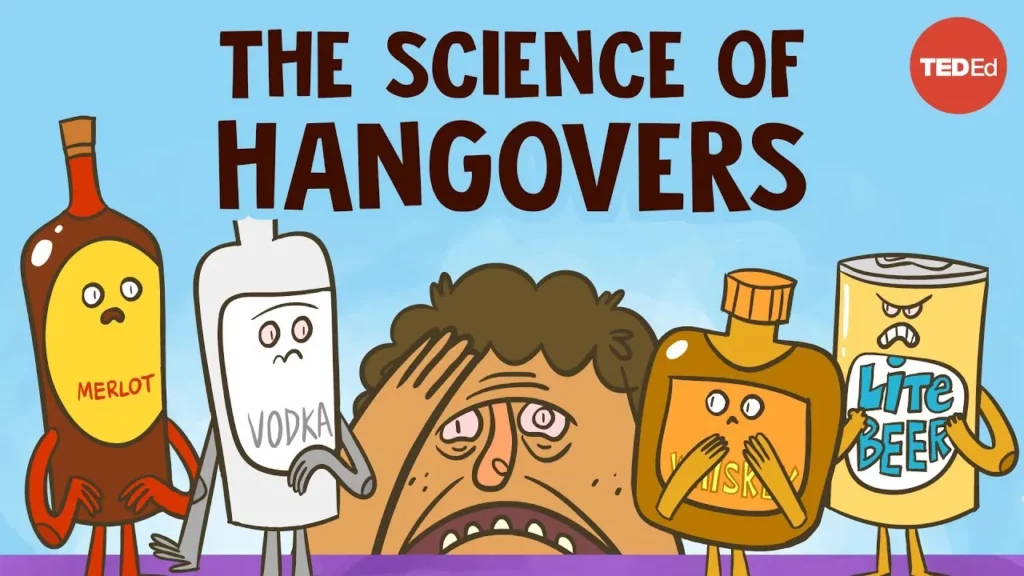
The lesson explores the science behind hangovers, highlighting ethanol as the primary cause and discussing how it affects the brain and body, leading to symptoms like dehydration, headaches, and gastrointestinal distress. It also examines the influence of beverage choice on hangover severity and evaluates common remedies, ultimately emphasizing that moderation or abstinence is the most effective way to prevent hangovers.
Can you solve the egg drop riddle? – Yossi Elran
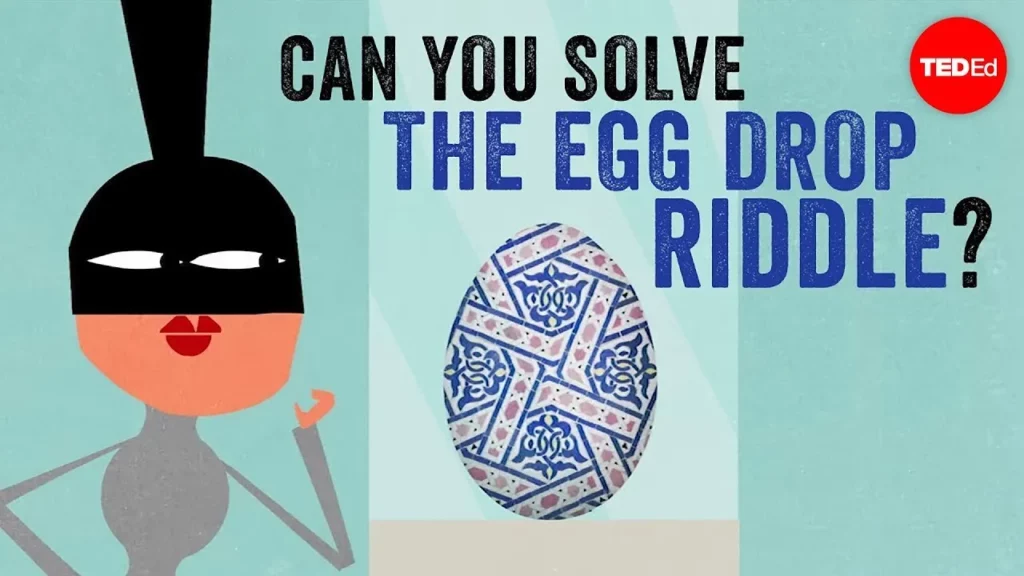
In the lesson “Cracking the Code: The Art of the Perfect Heist at the Fabergé Egg Museum,” a jewel thief devises a strategic plan to determine the highest floor from which a Fabergé egg can be dropped without breaking, using two replica eggs for testing. By employing a method that optimizes the number of attempts through calculated intervals, she concludes that starting from the 14th floor allows her to identify the critical floor in a maximum of 14 drops. This lesson emphasizes the importance of precision and strategic planning in executing a successful heist.
What happens to your body at the top of Mount Everest – Andrew Lovering
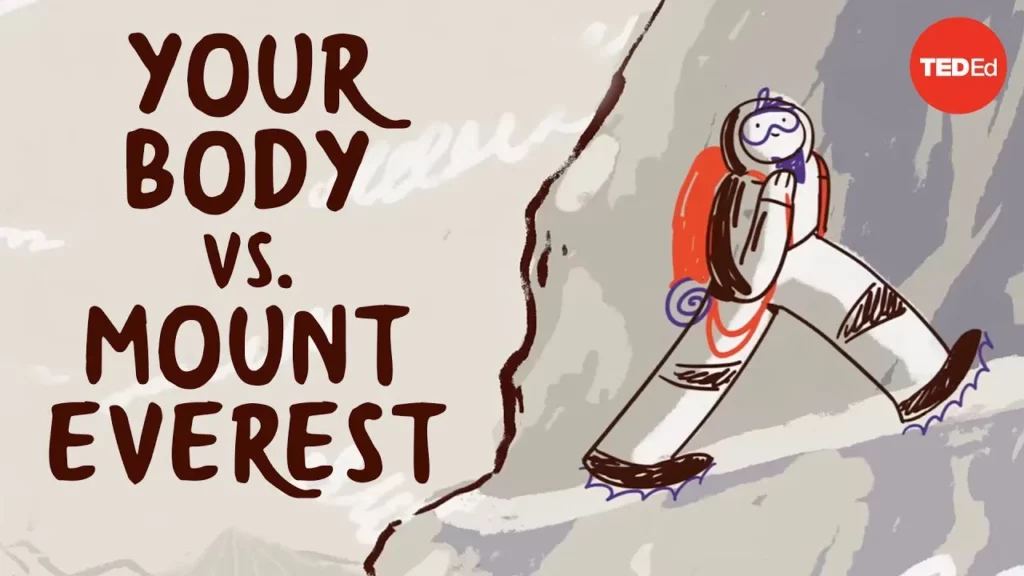
The lesson explores how the human body adapts to high altitudes, particularly in extreme environments like the summit of Mount Everest. It details the immediate physiological responses, such as increased breathing and heart rate, as well as long-term adaptations like enhanced hemoglobin concentration, which enable individuals to survive in low-oxygen conditions. Additionally, it highlights the risks of altitude sickness and the unique genetic advantages some populations possess, ultimately showcasing the remarkable resilience of the human body in overcoming environmental challenges.
Which is stronger: Glue or tape? – Elizabeth Cox
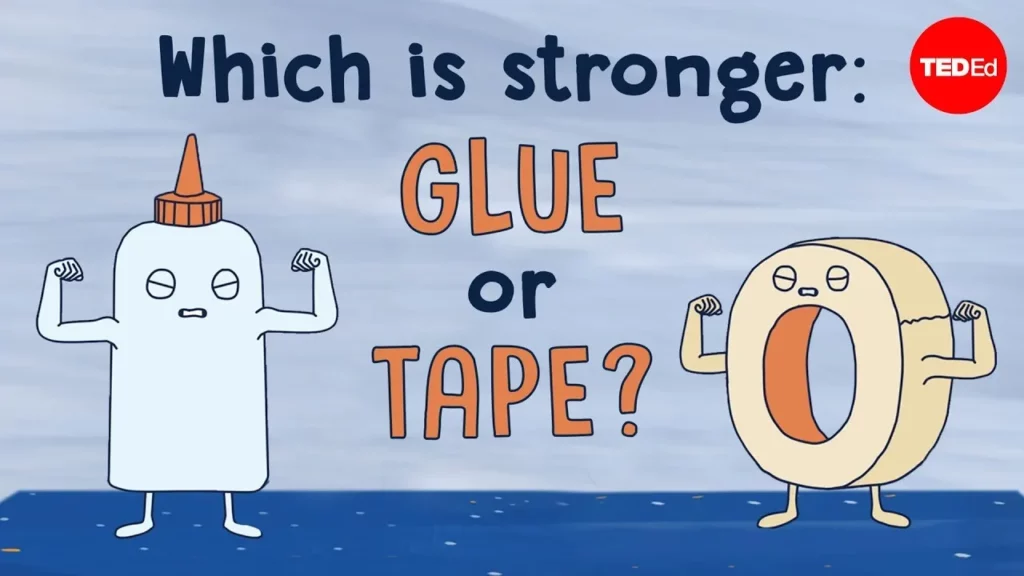
The lesson explores the historical and scientific significance of adhesives, tracing their evolution from ancient natural glues to modern synthetic options. It highlights the differences between glue and tape, focusing on their bonding mechanisms, strengths, and practical applications, such as the irreversible nature of glue versus the reversible bonds of tape. Additionally, it emphasizes the importance of selecting the appropriate adhesive based on specific requirements, such as heat resistance and environmental conditions.
What causes cavities? – Mel Rosenberg
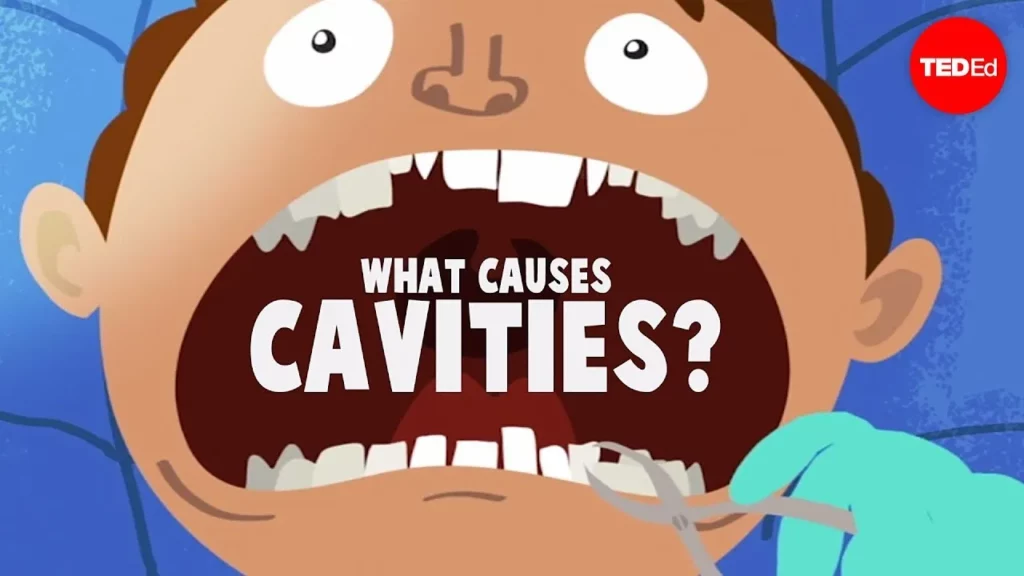
The lesson explores the historical context of dental health, revealing that even ancient humans, despite their lower sugar diets, suffered from cavities due to harmful oral microbes. It highlights the ongoing battle against cavities, emphasizing the importance of diet, oral hygiene, and modern preventive measures like fluoride, while also acknowledging the advancements in dental care compared to primitive practices. Ultimately, the lesson underscores the necessity of applying our knowledge of oral health to prevent cavities effectively.
The myth of Prometheus – Iseult Gillespie
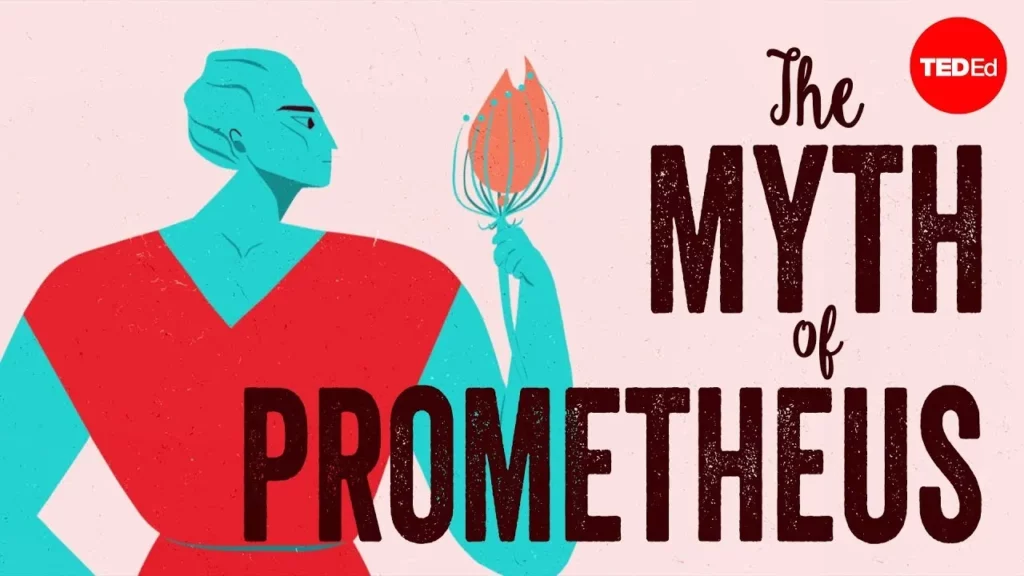
The lesson of “The Myth of Prometheus” explores themes of foresight, rebellion, and the quest for knowledge. Prometheus, a Titan who defied Zeus, gifted humanity with fire, enabling their advancement and empowerment, despite facing severe punishment for his actions. His enduring legacy serves as a symbol of humanity’s potential to challenge authority and harness nature for progress, inspiring both admiration and caution in art and literature.
How to manage your time more effectively (according to machines) – Brian Christian
The lesson from NASA’s Pathfinder mission emphasizes the importance of effective scheduling in both computer science and personal productivity. It highlights how prioritizing tasks can lead to inefficiency and suggests strategies like interrupt coalescing to manage interruptions and reclaim attention. By simplifying task management and finding a balance between productivity and responsiveness, individuals can enhance their efficiency and achieve a healthier work-life balance.