
How long should your naps be? – Sara C. Mednick
The lesson explores the science behind napping and its impact on productivity, emphasizing the importance of understanding sleep cycles. It explains the different stages of sleep, the optimal nap lengths for cognitive benefits, and how timing affects the quality of a nap. Ultimately, the effectiveness of napping varies by individual, necessitating personal experimentation to determine what works best.
The myth of Sisyphus – Alex Gendler
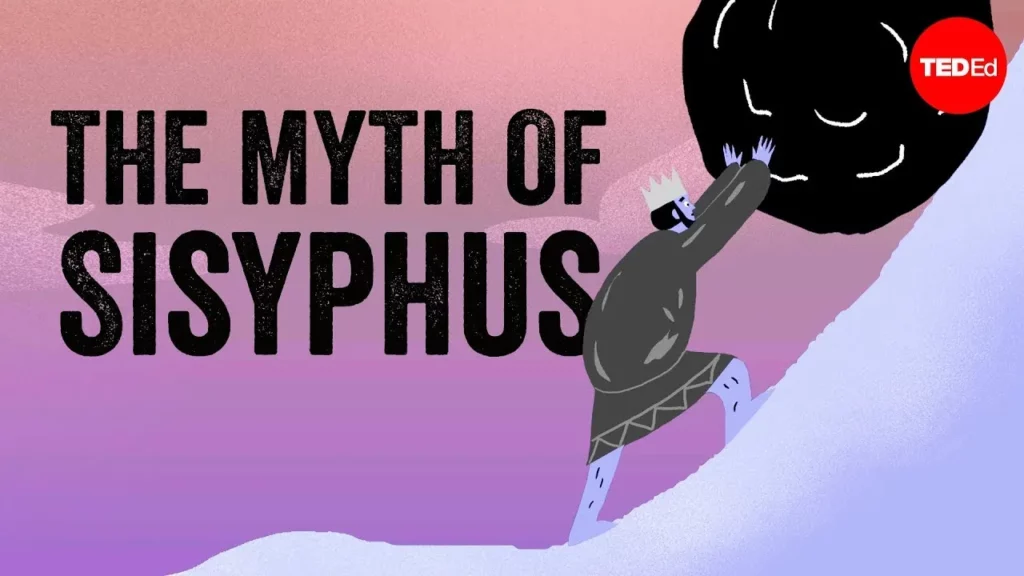
The lesson on the myth of Sisyphus explores themes of eternal struggle and the human condition through the story of Sisyphus, a cunning king punished by the gods for his transgressions. His eternal task of rolling a boulder up a hill, only for it to roll back down, serves as a powerful allegory for the futility of life and the search for meaning. Philosopher Albert Camus interprets this myth as a reflection of humanity’s resilience, suggesting that we can find significance in our struggles by embracing them, even in an indifferent universe.
What is dyslexia? – Kelli Sandman-Hurley
The lesson “Understanding Dyslexia: A Journey Through the Mind” explores the nature of dyslexia, clarifying that it is primarily a phonological processing issue rather than a visual one, and highlighting common misconceptions about the condition. It emphasizes the challenges individuals with dyslexia face in decoding language and the importance of recognizing neurodiversity, showcasing how many successful individuals have thrived despite their dyslexia. The lesson also discusses the potential for improvement through targeted interventions that help individuals leverage their brain’s capabilities more effectively.
How does anesthesia work? – Steven Zheng
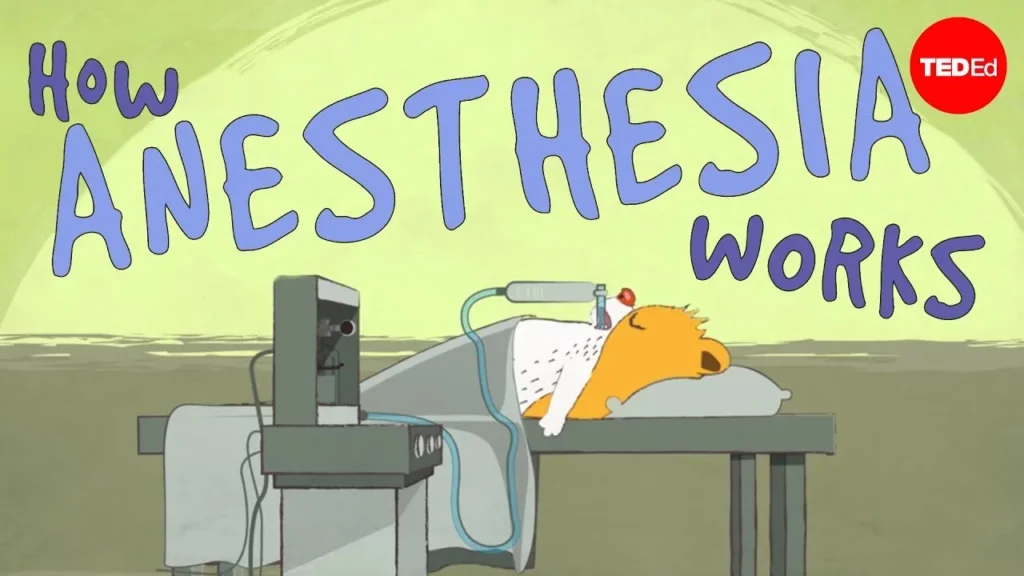
The lesson explores the complexities of anesthesia, emphasizing its critical role in modern surgery by rendering patients unconscious and pain-free. It traces the evolution of anesthetic practices from ancient times to contemporary methods, including regional, inhalational, and intravenous anesthesia, while highlighting the underlying science and mechanisms that enable these techniques. The advancements in anesthesia have transformed surgical procedures, allowing for safer and more complex operations, ultimately improving patient outcomes and paving the way for future innovations in the field.
Why do cats act so weird? – Tony Buffington
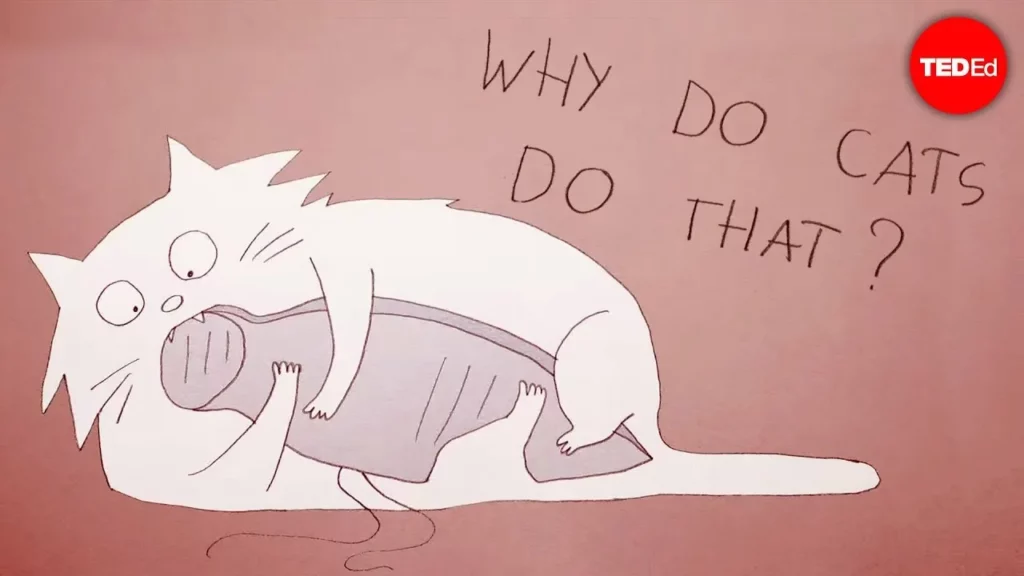
The lesson explores the intriguing behaviors of cats, highlighting their dual nature as both predators and prey, which shapes their instinctual actions. It explains how behaviors like climbing, hunting, curiosity, claw maintenance, and purring are rooted in their evolutionary history and survival instincts. Understanding these behaviors can enhance our appreciation of cats as they navigate their environments, viewing our homes as their natural habitats.
Can you solve the time travel riddle? – Dan Finkel
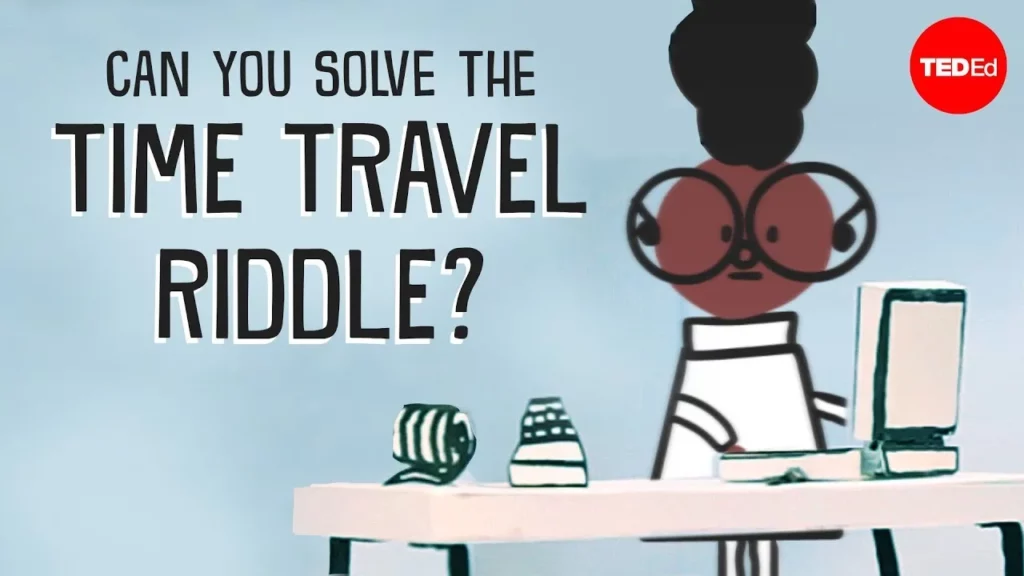
In this lesson, you embark on a thrilling adventure in Professor Ramsey’s physics lab, where you must navigate the complexities of time travel after the professor accidentally steps through a time portal. To return to the present, you learn about Ramsey Theory and discover that a minimum of six chrono-nodules is necessary to guarantee the formation of a red or blue triangle, which will open a doorway back home, regardless of the random color connections. This exploration not only highlights the mathematical principles behind the challenge but also emphasizes the importance of systematic problem-solving in overcoming seemingly insurmountable obstacles.
Can you outsmart the fallacy that divided a nation? – Elizabeth Cox
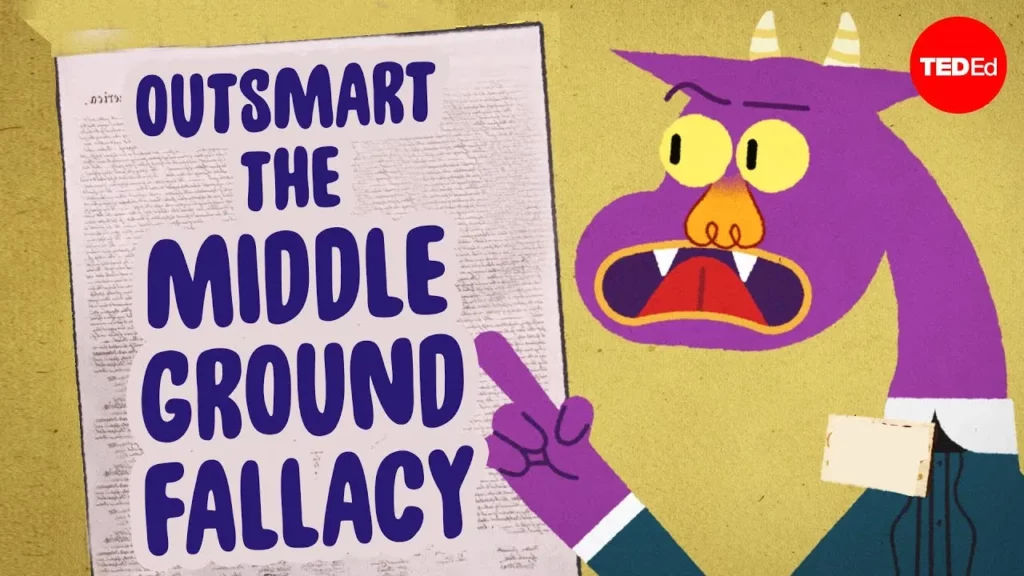
The Missouri Compromise of 1819 aimed to address the contentious issue of slavery as Missouri sought statehood, allowing it to enter as a slave state while Maine joined as a free state. However, critics highlighted the compromise’s fundamental flaw: it treated pro-slavery and anti-slavery positions as equally valid, failing to confront the moral indefensibility of slavery itself. Ultimately, the compromise illustrated that some issues, particularly those involving fundamental morality, cannot be resolved through compromise, as evidenced by the subsequent Civil War.
The history of chocolate – Deanna Pucciarelli
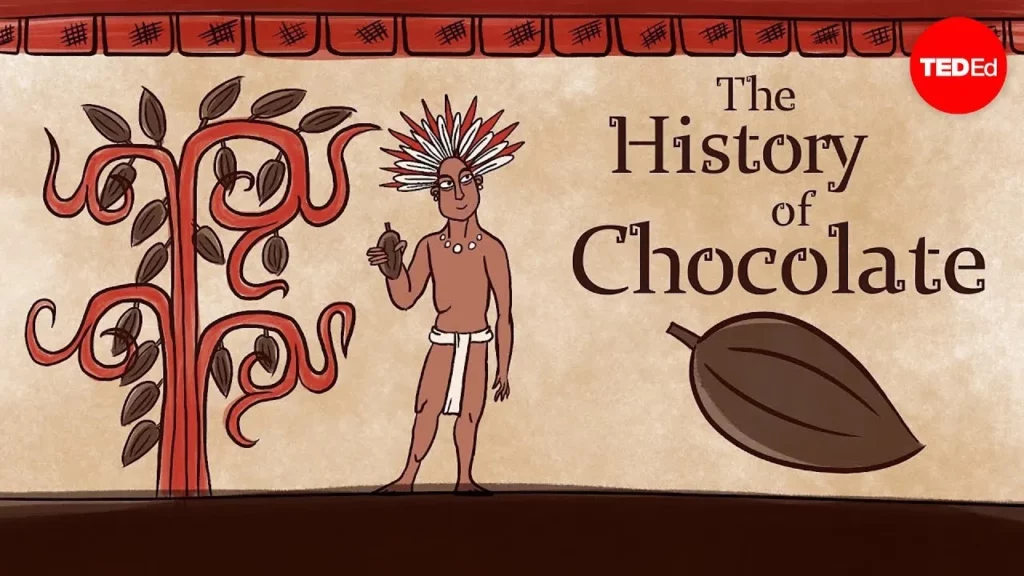
The lesson explores the rich history of chocolate, tracing its origins from the bitter cacao drinks of ancient Mesoamerican cultures to its transformation into the sweet delicacy we enjoy today. It highlights the cultural significance of chocolate in Mesoamerica, its introduction to Europe, and the industrial innovations that made it widely accessible. However, it also addresses the darker aspects of chocolate production, particularly the human rights abuses associated with cocoa farming in West Africa, urging consumers to reflect on the complexities behind their favorite treat.
What would happen if you didn’t sleep? – Claudia Aguirre
The lesson emphasizes the critical importance of sleep for overall health and well-being, illustrated by Randy Gardner’s extreme sleep deprivation experiment, which revealed severe cognitive and physical impairments. It highlights the necessity of adequate sleep for adults and adolescents, the serious health risks associated with chronic sleep deprivation, and the brain’s waste management system that operates during sleep to maintain cognitive function. Ultimately, the lesson underscores that sleep is vital for rejuvenation and mental clarity, with significant consequences for those who do not prioritize it.
5 tips to improve your critical thinking – Samantha Agoos
The article discusses the importance of critical thinking in enhancing decision-making skills, particularly in the face of numerous daily choices. It outlines a five-step process—formulating a question, gathering information, applying that information, considering implications, and exploring different viewpoints—that can help individuals make more informed and rational decisions. By adopting critical thinking, people can better navigate complex situations and improve their overall decision-making outcomes.