
The tale of the doctor who defied Death – Iseult Gillespie
In “The Tale of the Thirteenth Child: A Dance with Death,” a desperate father makes a pact with Death to ensure prosperity for his thirteenth child, who grows up to become a renowned doctor. Despite receiving a powerful antidote from Death, the doctor succumbs to temptation and attempts to deceive Death to save a king and later a princess, ultimately leading to his downfall. As punishment for his betrayal, Death extinguishes the doctor’s life, leaving him with nothing but a wisp of smoke.
How to practice effectively…for just about anything – Annie Bosler and Don Greene
The article discusses the importance of dedicated practice in mastering physical skills, highlighting the role of grey and white matter in the brain’s neural pathways. It explains how repetitive practice enhances myelination, improving the efficiency of neural communication between the brain and muscles. Additionally, it offers tips for maximizing practice effectiveness, emphasizing the significance of focused, quality practice over mere quantity.
The science of attraction – Dawn Maslar
The article explores the scientific mechanisms behind romantic attraction, emphasizing that it involves complex brain processes and the interplay of all five senses rather than being purely an emotional experience. It highlights the roles of vision, scent (particularly pheromones), sound (voice), and touch in shaping attraction, culminating in the significance of the first kiss as a critical test of compatibility. Ultimately, the piece illustrates how biological and chemical responses contribute to the feelings of attraction, blending science with the romantic notion of love.
The fall of the House of Cadmus – Iseult Gillespie
The article recounts the myth of Cadmus, a warrior and heir to the Phoenician throne, who embarks on a quest to rescue his sister Europa, leading to the founding of Thebes. His fate takes a tragic turn after he kills a sacred serpent, incurring the wrath of the gods, which results in a series of family tragedies. Ultimately, Cadmus and his wife Harmonia transform into serpents as a form of atonement for their misfortunes, highlighting the complex relationship between mortals and divine forces.
Can you solve the Ragnarok riddle? – Dan Finkel
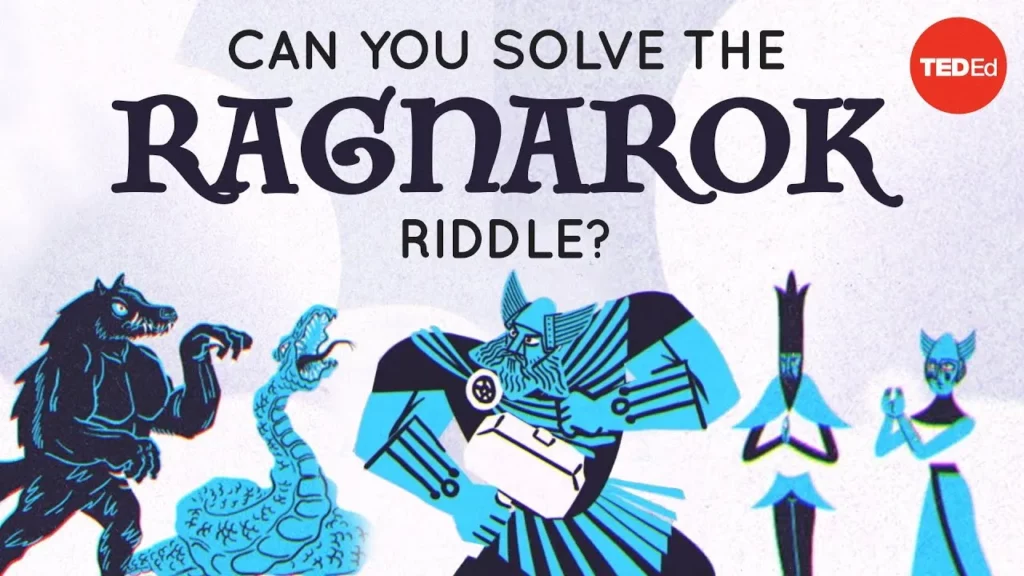
The article explores the epic battle of Ragnarok in Norse mythology, focusing on Odin’s desperate plan to defeat the serpent Jörmungandr using the hammer Mjölnir and principles of graph theory. It explains how Odin must navigate the serpent’s body in a way that ensures every part is struck by lightning, transforming the challenge into finding an Eulerian path within a graph representing the serpent’s structure. Ultimately, the narrative combines mythological elements with mathematical concepts to illustrate the strategy needed for victory in this legendary confrontation.
The ballet that incited a riot – Iseult Gillespie
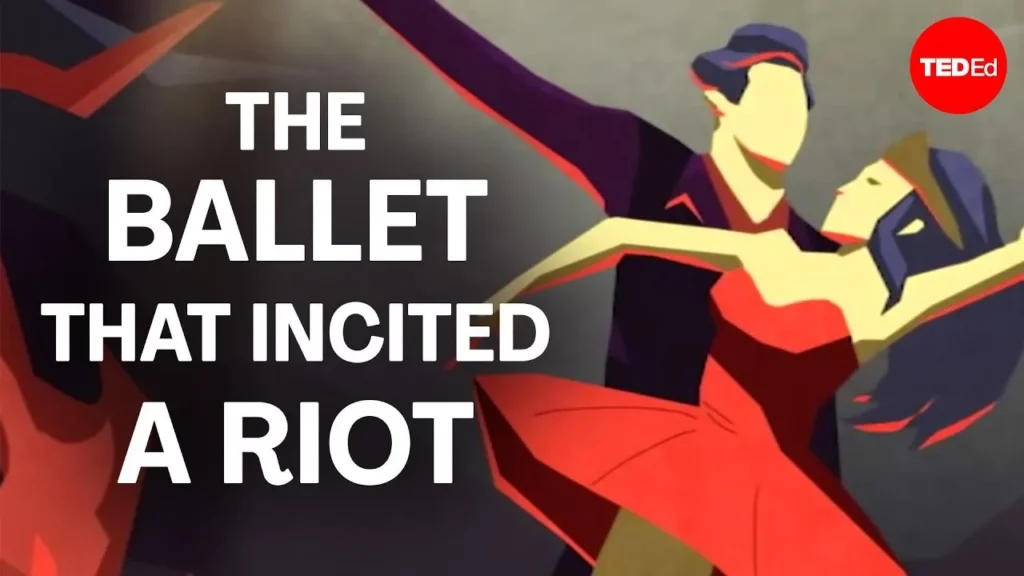
Igor Stravinsky’s “The Rite of Spring,” premiered in 1913, revolutionized ballet by challenging traditional notions of elegance and grace, leading to a riotous reaction from its audience. The ballet’s unsettling music, innovative choreography by Vaslav Nijinsky, and themes of primal rituals and humanity’s relationship with nature broke away from classical norms, leaving a profound and lasting influence on music and dance. Despite its controversial debut, “The Rite of Spring” continues to inspire and provoke strong reactions in contemporary art forms.
How does a jellyfish sting? – Neosha S Kashef
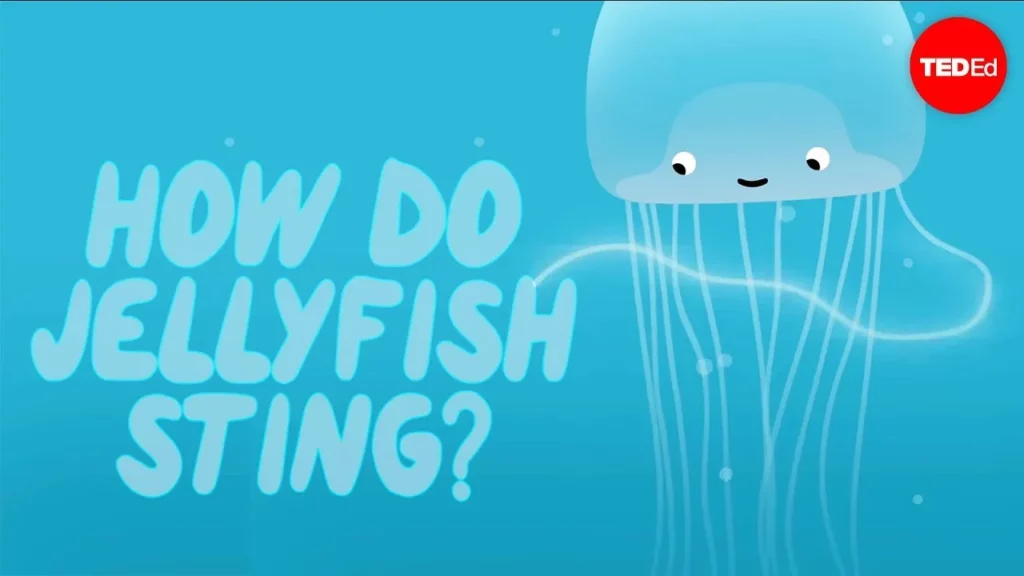
The article explores the fascinating biology and ecological significance of jellyfish, highlighting their unique anatomy, which is composed of 95% water and equipped with venomous stinging cells called cnidocytes. It details the mechanics of their sting, the potential dangers posed by certain species, and their role in the marine ecosystem, while also mentioning the potential for medical advancements through the study of jellyfish stings. Overall, it emphasizes the need for caution around these beautiful yet formidable creatures.
Can you solve the temple riddle? – Dennis E. Shasha
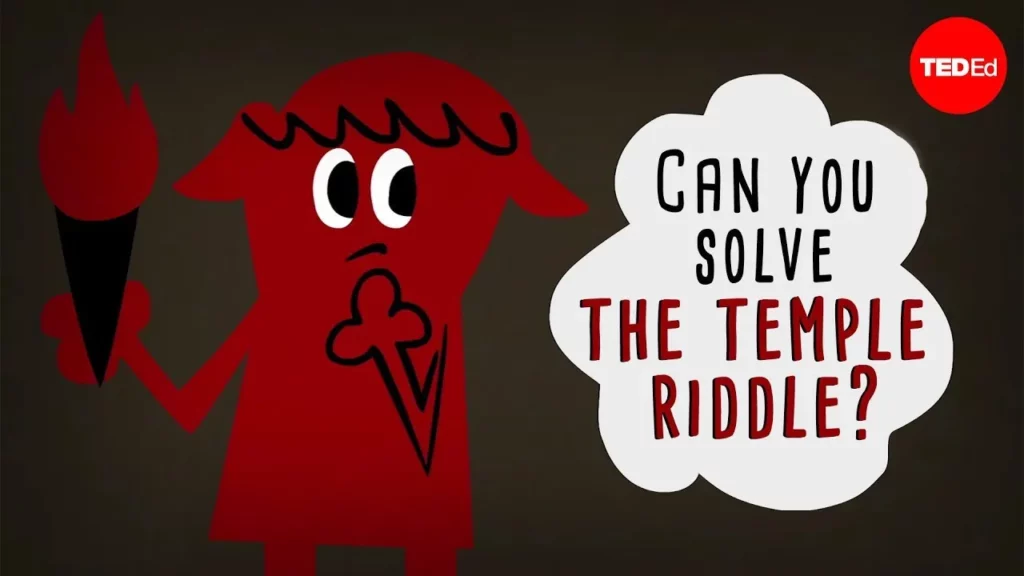
In “Escaping the Ancient Temple: A Puzzle of Trust and Strategy,” a group of eight graduate students must navigate a collapsing temple after triggering a curse that affects two of their members. With time running out and the correct path to safety obscured, they devise a strategy to split into groups, allowing them to determine which students can be trusted based on their reports. Ultimately, they successfully escape the temple, confirming the possession of two students, and celebrate their survival while contemplating future adventures.
The physics of surfing – Nick Pizzo
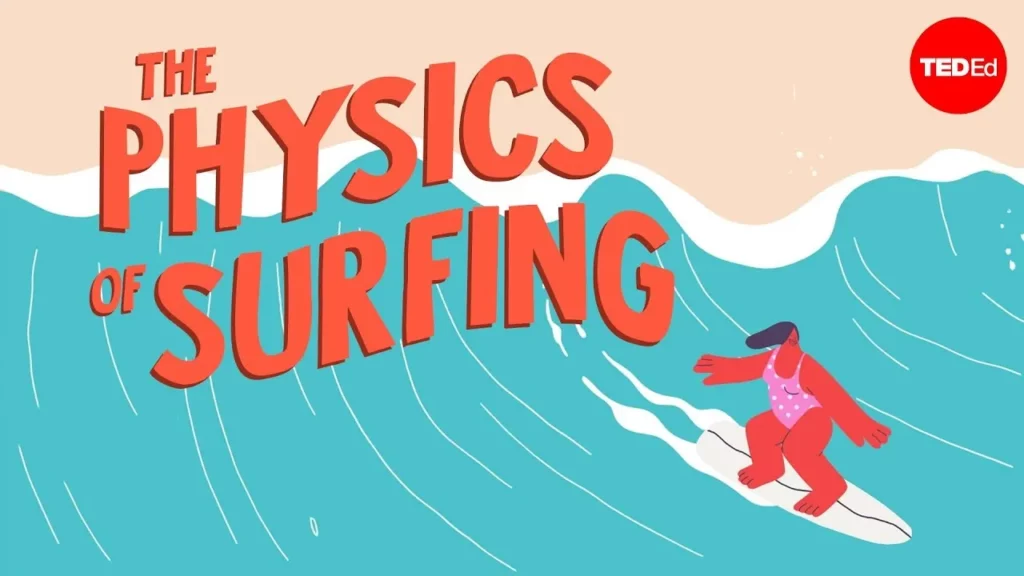
The article explores the intricate physics behind surfing, highlighting how buoyancy, wave dynamics, and shoreline topography interact to create the perfect conditions for riding waves. It explains the process of wave formation, the surfer’s technique in catching and riding waves, and the unique experiences offered by different surfing destinations influenced by geological and meteorological factors. Ultimately, surfing is portrayed as a profound interaction with the fundamental forces of nature, making it both a sport and an exhilarating experience.
The power of the placebo effect – Emma Bryce
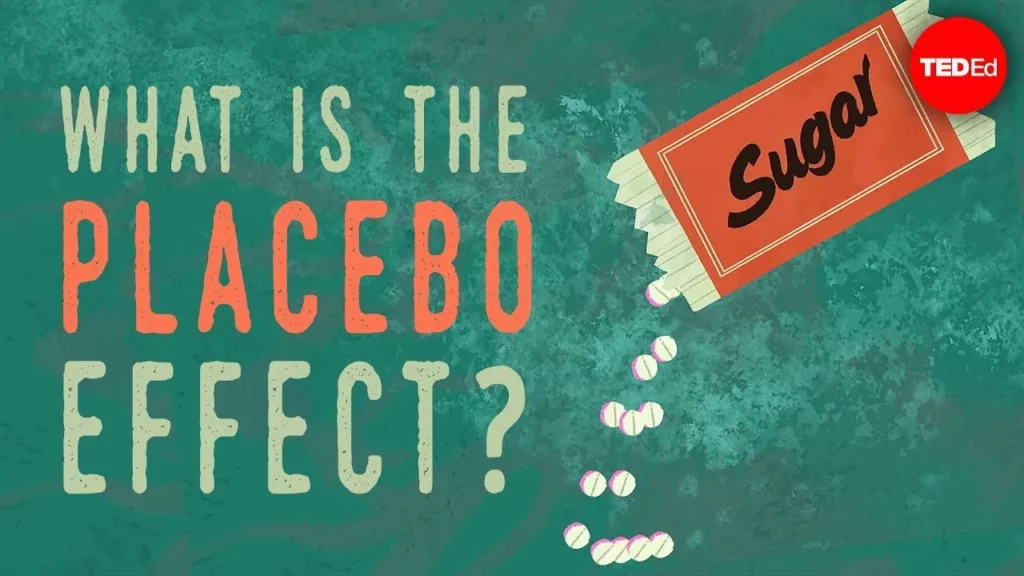
The article explores the placebo effect, a phenomenon where fake treatments can lead to real improvements in patients’ conditions, as demonstrated by a 1996 study involving a non-effective painkiller that still resulted in reduced pain perception. Historically recognized since the 1700s, placebos are essential in clinical trials to eliminate bias, although ethical concerns have shifted their use towards comparisons with existing treatments. Despite their psychological basis, placebos can induce measurable physiological changes, prompting ongoing research into their mechanisms and implications for medical practice.