
Sugar: Hiding in plain sight – Robert Lustig
The article “The Hidden Sugar Game: Unveiling the Sweet Truth” reveals that sugar is often concealed in unexpected food products, with about half of added sugars in our diets coming from items like ketchup, spaghetti sauce, and peanut butter, rather than just sweets. It highlights the numerous aliases of sugar, complicating efforts to identify it on labels, and emphasizes the importance of being mindful of sugar intake, as the World Health Organization recommends limiting added sugars to 25 grams per day. To reduce hidden sugars, the article suggests focusing on whole foods and drinking water instead of sugary beverages.
Why are eating disorders so hard to treat? – Anees Bahji
The article explores the complexities of eating disorders, highlighting their prevalence and the common misconceptions surrounding them. It emphasizes that eating disorders affect individuals of all genders and can occur at any weight, while also discussing the psychological and social factors that contribute to these conditions. Effective treatment options exist, but early intervention is crucial, and increased awareness can help reduce stigma and improve access to care.
The complicated history of surfing – Scott Laderman
The article explores the rich history of surfing, tracing its origins back to the Polynesian islands, particularly Hawaii, where it held significant spiritual and social importance. It details how surfing evolved from a culturally revered practice with strict rules and rituals to a competitive sport, facing decline due to foreign influence and disease, before experiencing a revival and global expansion in the 20th century. Today, surfing has transformed into a multi-billion dollar industry, with millions of enthusiasts worldwide, while efforts continue to preserve its traditional roots.
A day in the life of an ancient Athenian – Robert Garland
In 427 BCE, amidst the ongoing Peloponnesian War, Athens faced significant challenges, including a devastating plague and the need to rely on its naval power while retreating behind city walls. The article explores the life of Archias, a prosperous painter, and his wife Dexileia, who navigated the complexities of wartime Athens, including family dynamics and the exclusion of women from political life. The narrative culminates in a heated debate within the Athenian assembly regarding the fate of Mytilene, showcasing the tensions and rapid changes characteristic of Athenian democracy during this tumultuous period.
Meet the bluefin tuna, the toughest fish in the sea – Grantly Galland and Raiana McKinney
The Atlantic bluefin tuna, the largest and longest-lived of its species, is a remarkable ocean predator known for its impressive speed of up to 40 miles per hour and unique adaptations, including warm-bloodedness, which enhances its hunting capabilities in colder waters. These tunas undergo significant migrations between feeding and spawning grounds, but they face serious threats from overfishing and illegal practices due to high market demand. Conservation efforts are crucial for ensuring the survival of this magnificent species in the face of human exploitation.
What causes insomnia? – Dan Kwartler
The article explores insomnia, a prevalent sleep disorder characterized by difficulty falling or staying asleep, often exacerbated by stress and anxiety. It discusses the causes and effects of insomnia, including the cycle of sleeplessness that can lead to chronic insomnia, and offers strategies for breaking this cycle, such as establishing a consistent sleep routine and managing stress. Additionally, it highlights the importance of distinguishing insomnia from other sleep disorders, like delayed sleep phase disorder, to ensure appropriate treatment.
The myth of Jason and the Argonauts – Iseult Gillespie
The article recounts the legendary journey of Jason and the Argonauts, a group of formidable heroes from Greek mythology who unite to help Jason reclaim his rightful throne by retrieving the golden fleece from King Aeetes in Colchis. Their adventure is filled with perilous trials, including encounters with monstrous foes and romantic entanglements, ultimately testing their bravery and camaraderie. This timeless tale highlights themes of unity, sacrifice, and the relentless pursuit of noble goals.
The Romans flooded the Colosseum for sea battles – Janelle Peters
The Colosseum, built in 80 CE under Emperor Titus, served as a grand amphitheater for various spectacles, including gladiatorial duels and the remarkable naumachiae, or staged naval battles. These events, which transformed the arena into a watery battlefield, highlighted Rome’s engineering prowess and imperial power, showcasing the grandeur of the Flavian Emperors. However, the aquatic spectacles were short-lived, as the Colosseum was later modified for different types of entertainment, marking the end of its era as a venue for naval combat.
Does grammar matter? – Andreea S. Calude
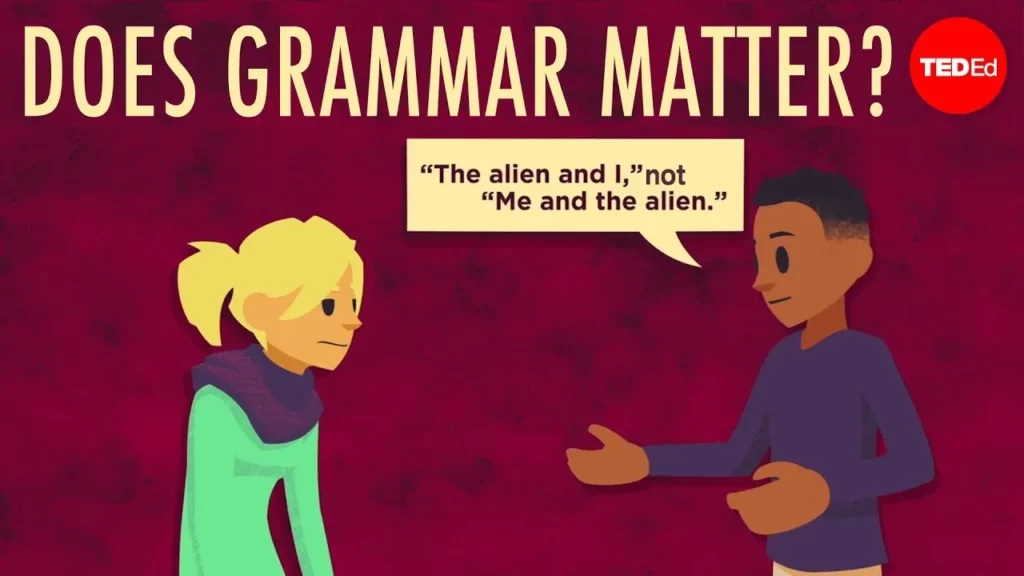
The article explores the ongoing debate between prescriptivism and descriptivism in grammar, highlighting how prescriptivism emphasizes adherence to established language rules while descriptivism embraces the natural evolution and variation of language. It discusses the historical context of language standardization and the distinct characteristics of spoken versus written language, ultimately suggesting that both perspectives are valuable in understanding and navigating the complexities of grammar. The piece concludes by framing grammar as a dynamic interplay of linguistic habits shaped by diverse speakers and contexts.
Why are cockroaches so hard to kill? – Ameya Gondhalekar
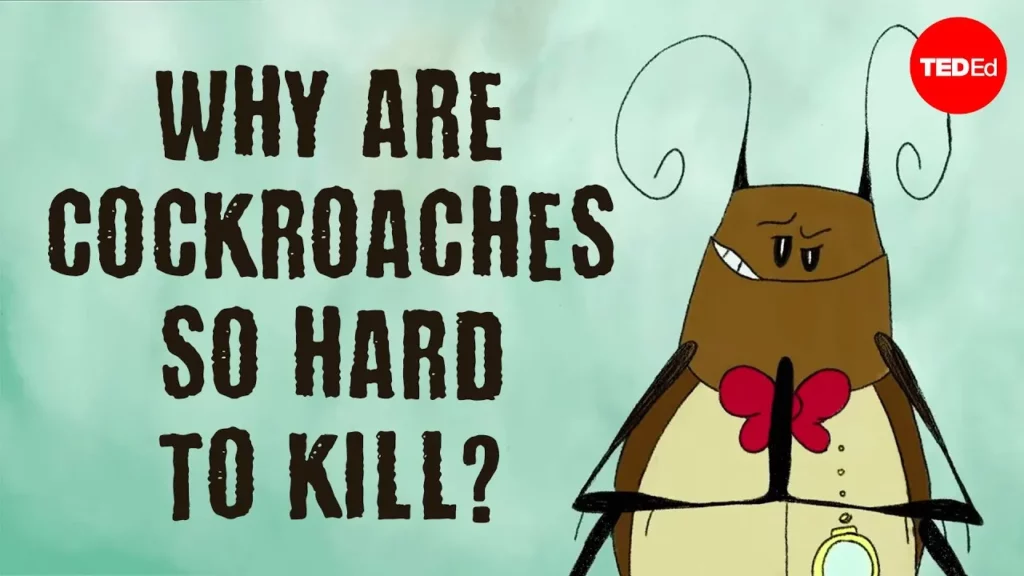
The article explores the remarkable resilience of cockroaches, highlighting their ecological importance, physical adaptations, and dietary versatility that enable them to thrive in various environments, including human habitats. With nearly 5,000 species, these insects have developed significant defenses against eradication methods, including rapid reproduction and resistance to pesticides, making them difficult to eliminate. Contrary to popular belief, however, cockroaches are not as resistant to nuclear radiation as often claimed, suggesting that their survival is intricately linked to their habitats and food sources provided by humans.