
Is human evolution speeding up or slowing down? – Laurence Hurst
The article discusses the unique genetic adaptations of Tibetan high plateau inhabitants, who have evolved over 3,000 years to thrive in low-oxygen environments, showcasing one of the fastest adaptations in human history. It also highlights various global adaptations, such as those in Arctic populations and the Bajau people, while addressing the impact of modern medicine on natural selection and human evolution. As advancements in technology and healthcare continue, the future trajectory of human evolution remains uncertain, with ongoing research into genetic drift and epigenetic modifications.
Who were the Vestal Virgins, and what was their job? – Peta Greenfield
The article recounts the tragic fate of Rome’s Vestal Virgins, focusing on the harrowing experience of a priestess condemned to live burial for alleged unchastity, highlighting the severe consequences of their sacred duties. It follows young Licinia, who is chosen to become a Vestal Virgin, as she undergoes rigorous training to maintain the sacred flame of Vesta, a symbol of Rome’s endurance. The narrative underscores the immense pressure and fear these women faced, as their lives were intricately linked to the city’s fortunes and the ever-present threat of sacrifice for perceived failures.
How to read music – Tim Hansen
The article “The Art of Music Notation: Understanding the Basics” explains the fundamental principles of music notation, likening it to a script that guides musicians in their performances. It details the structure of music notation, including the staff, pitch, rhythm, and the use of clefs and time signatures, which together allow musicians to create complex compositions. Ultimately, the piece emphasizes that while mastering music notation requires practice, anyone can learn to create music by combining different pitches and rhythms.
How to stay calm under pressure – Noa Kageyama and Pen-Pen Chen
The article explores the phenomenon of “choking under pressure,” where individuals fail to perform at their best despite extensive practice, particularly in high-stakes situations like sports and public speaking. It outlines two main theories behind choking: distraction theories, which suggest that competing thoughts hinder focus, and explicit monitoring theories, which indicate that overthinking automatic skills can disrupt performance. To combat choking, the article recommends practicing under pressure, establishing pre-performance routines, and maintaining an external focus on the ultimate goal.
The benefits of good posture – Murat Dalkilinç
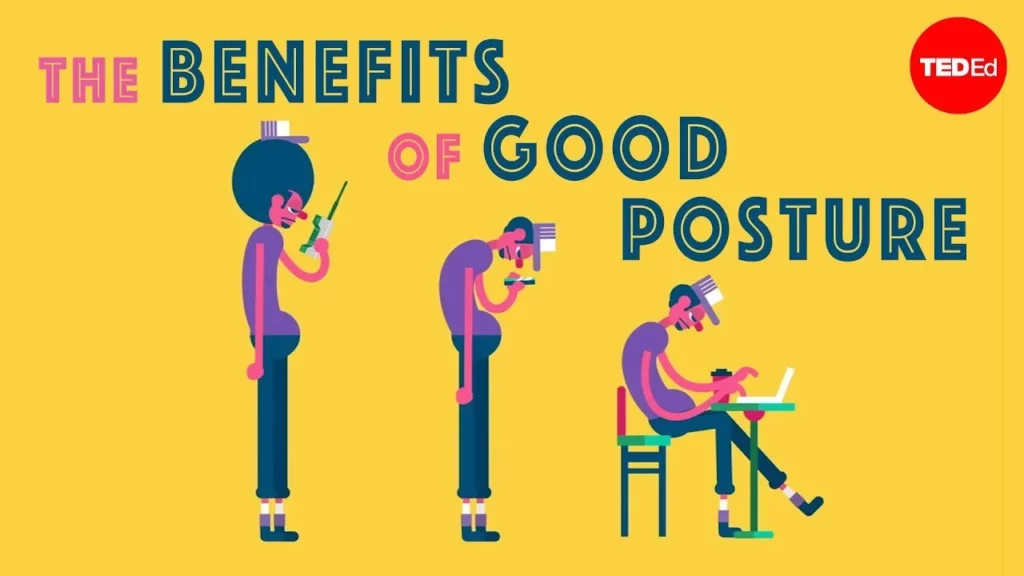
The article emphasizes the critical role of good posture in maintaining overall health, highlighting how poor posture can lead to muscle strain, joint issues, and even affect emotional well-being. It discusses the challenges of maintaining proper posture in a modern, sedentary lifestyle and provides practical tips for improving posture, such as ergonomic adjustments and regular movement. Ultimately, the article advocates for awareness and proactive measures to enhance posture as a means to promote better health.
This tool will help improve your critical thinking – Erick Wilberding
The article explores the legacy of Socrates, a foundational figure in Western philosophy known for his unique method of inquiry that emphasized questioning over lecturing. His approach, now known as the Socratic Method, encouraged deep discussions about morality and society, allowing individuals to critically examine their beliefs and assumptions. Despite facing trial and execution for his ideas, Socrates’ influence persists across various fields, highlighting the enduring power of questioning in fostering critical thinking and understanding.
How do investors choose stocks? – Richard Coffin

The article provides an overview of stock investments, explaining that stocks represent partial ownership in companies and their prices fluctuate based on market demand. It distinguishes between active and passive investing strategies, with active investors seeking to outperform the market through selective stock picking, while passive investors rely on long-term market trends and often invest in index funds. The article emphasizes that both strategies can coexist and that investing is inherently uncertain, lacking a guaranteed method for success.
Why can parrots talk? – Grace Smith-Vidaurre and Tim Wright
The article explores the remarkable vocal abilities of parrots, highlighting a case where a parrot transformed from speaking with a British accent to Spanish after going missing for four years. It discusses the social nature of parrots, their unique anatomical features that enable speech mimicry, and their capacity for contextual communication, exemplified by the famous African grey parrot, Alex. Additionally, the article emphasizes the conservation challenges facing parrots due to poaching and habitat loss, underscoring the need for protective measures to ensure their survival.
Why do your knuckles pop? – Eleanor Nelsen
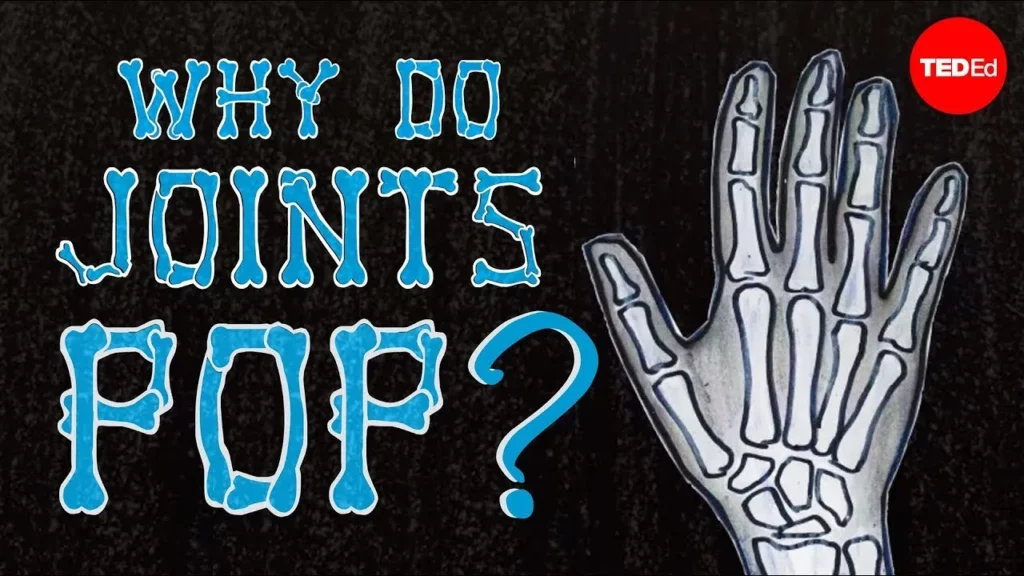
The article explores the science behind the sound of knuckle cracking, primarily attributing it to the formation and collapse of gas bubbles in synovial fluid when joints are stretched. While myths suggest that cracking joints could lead to arthritis, research, including a notable experiment by Dr. Donald Unger, indicates that it does not cause significant harm, although it may lead to minor physical changes and social annoyance. Ultimately, the phenomenon is explained as a harmless, albeit sometimes irritating, occurrence.
History vs. Cleopatra – Alex Gendler
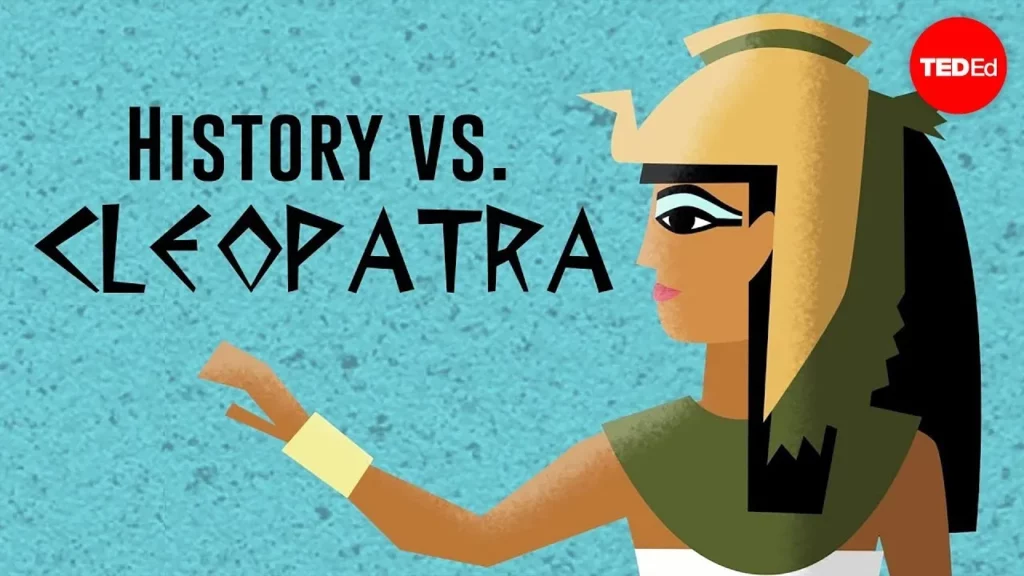
The article explores the multifaceted legacy of Cleopatra VII, the last ruler of the Ptolemaic dynasty, highlighting her significant contributions to Egypt’s stability and prosperity during her reign. It examines her strategic alliances with prominent Roman figures like Julius Caesar and Marc Antony, which were crucial for maintaining Egypt’s independence amidst political turmoil. Ultimately, the piece calls for a reassessment of Cleopatra’s legacy, emphasizing her achievements and the complexities of her historical narrative beyond the sensationalized portrayals.