
Amazing Energy Facts To Blow Your Mind
The lesson “Amazing Energy Facts To Blow Your Mind” explores the vast and varied sources of energy that power our daily lives, highlighting that humans consume about 15 terawatts of energy globally, with the U.S. accounting for 25% of this total. It discusses the energy content of food, comparing it to explosive power, and emphasizes the potential of renewable sources like solar and wind energy, noting that sufficient sunlight reaches Earth every minute to meet annual energy needs. The lesson also touches on the innovative technologies in wind energy that could help mitigate the impact of natural disasters like hurricanes.
This Will Most Likely Kill You
The lesson highlights the varying causes of mortality across different age groups, emphasizing that heart disease is the leading cause of death for older adults, while cancer dominates among middle-aged individuals. For younger adults, unintentional poisoning, particularly from drug overdoses, is a significant concern, whereas motor vehicle accidents are the primary risk for teenagers. The article also discusses the impact of diseases like malaria on children and underscores the importance of scientific advancements in addressing these mortality issues.
Everywhere That Will FLOOD In Our Lifetime

The lesson discusses the critical state of our oceans and the potential impacts of climate change over the next few decades to millennia. It highlights alarming trends such as the decline in fish populations, rising sea levels, and the challenges faced by marine life due to increased carbon emissions and ocean acidification. Ultimately, the lesson emphasizes the importance of taking immediate action to protect our oceans and mitigate future consequences for both the environment and human livelihoods.
Sibling DNA Test Results! | Was I Adopted??
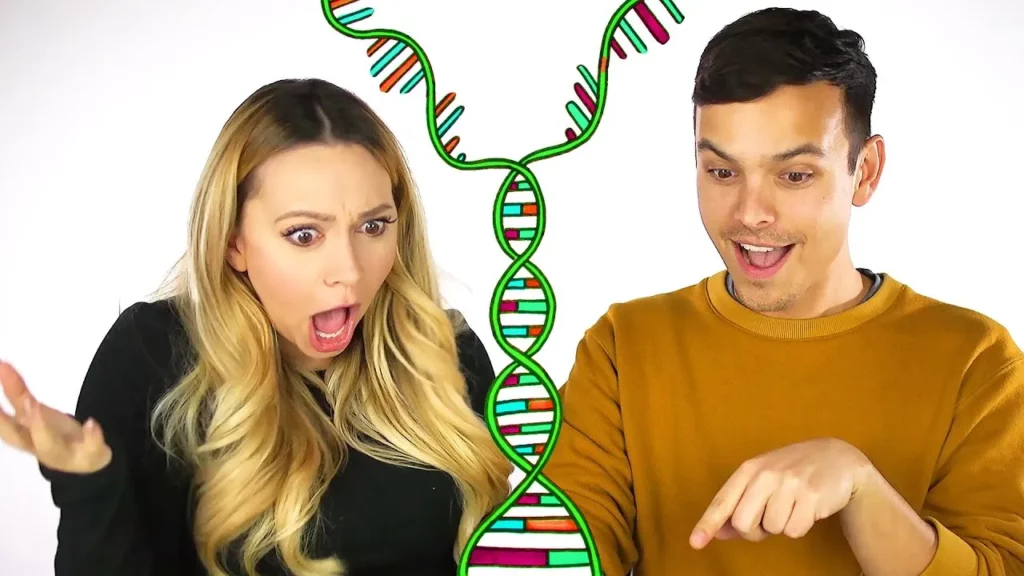
In the lesson “Discovering Our Ancestry: Are We Really Siblings?”, the narrator shares their experience of taking a DNA test with their sister, Kim, to explore their family history and confirm their sibling relationship. The results revealed surprising insights about their ancestry, including varying percentages of European and South Asian heritage, and highlighted how siblings can inherit different traits despite sharing a significant amount of DNA. Ultimately, the experience deepened their bond and emphasized the value of understanding one’s ancestry through DNA testing.
The Biggest Mystery In Human History Was Just Solved
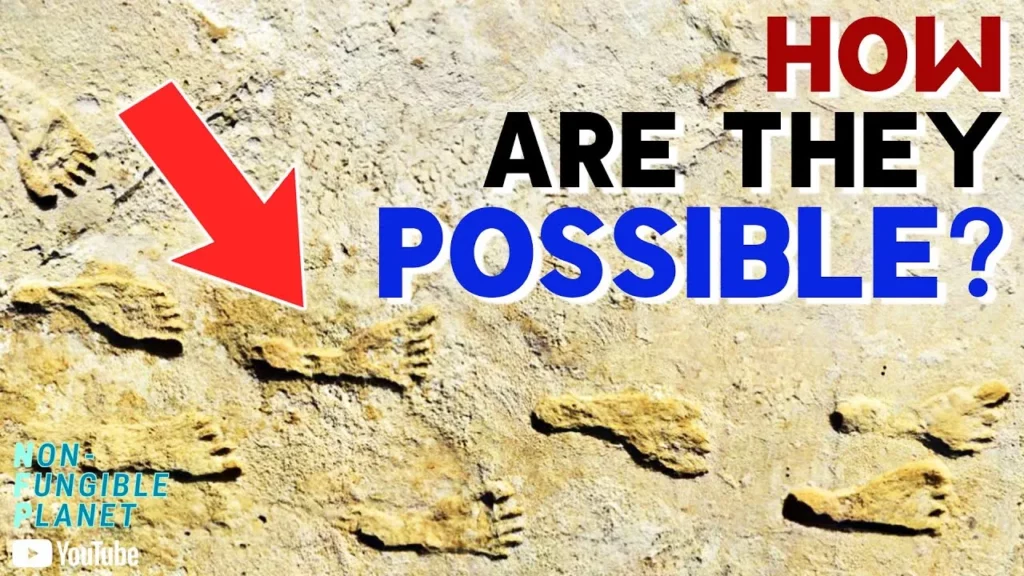
The lesson explores the unique geological and ecological features of White Sands National Park in New Mexico, revealing its history as a former sea and the formation of its striking gypsum dunes. It highlights the discovery of ancient human footprints dating back 22,000 to 23,000 years, challenging previous beliefs about human presence in North America. The lesson also emphasizes the importance of preserving natural wonders and encourages appreciation for national parks through initiatives like YouTube’s Non-Fungible Planet campaign.
What Your Fetish Says About You
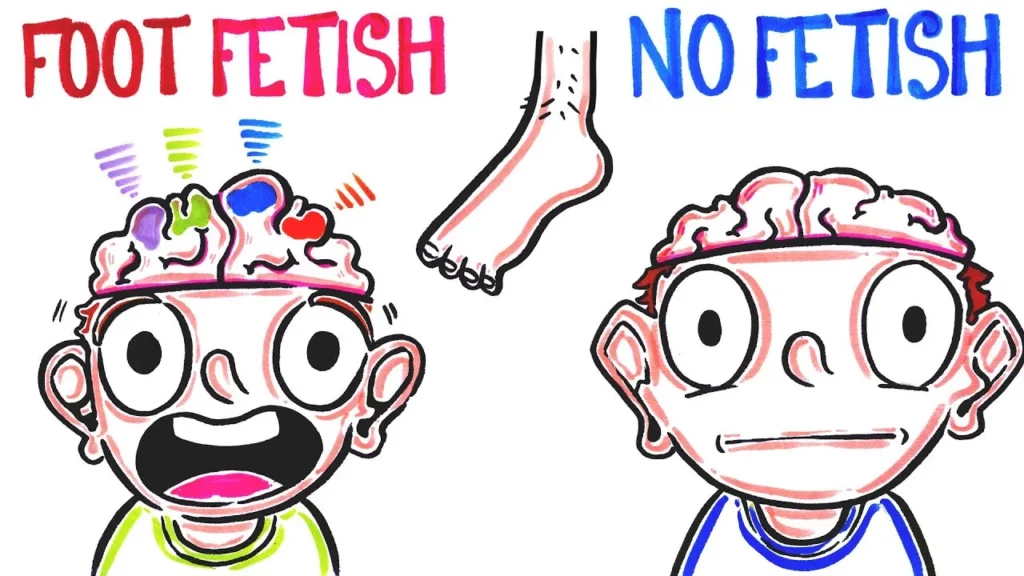
The lesson explores the nature of fetishes, highlighting a 2015 case involving a man with a tractor fetish that sparked research into the psychological and neurological aspects of such interests. It outlines the physiological steps of sexual arousal, discusses common fetishes like foot and armpit fetishes, and examines the role of brain plasticity and technology in shaping sexual preferences. Ultimately, the lesson emphasizes the complexity of fetishes as a facet of human sexuality and the implications of technology on our understanding of these desires.
How To Talk To Climate Change Deniers

The lesson on engaging with climate change skeptics emphasizes the importance of understanding your audience and fostering productive dialogue. It advocates starting conversations with questions, using storytelling to create emotional connections, and being prepared with scientific information to counter misinformation. Additionally, it highlights the need to address ideological beliefs and approach discussions with vulnerability, focusing on the impact of climate change on future generations.
What The COVID Vaccine Does To Your Body
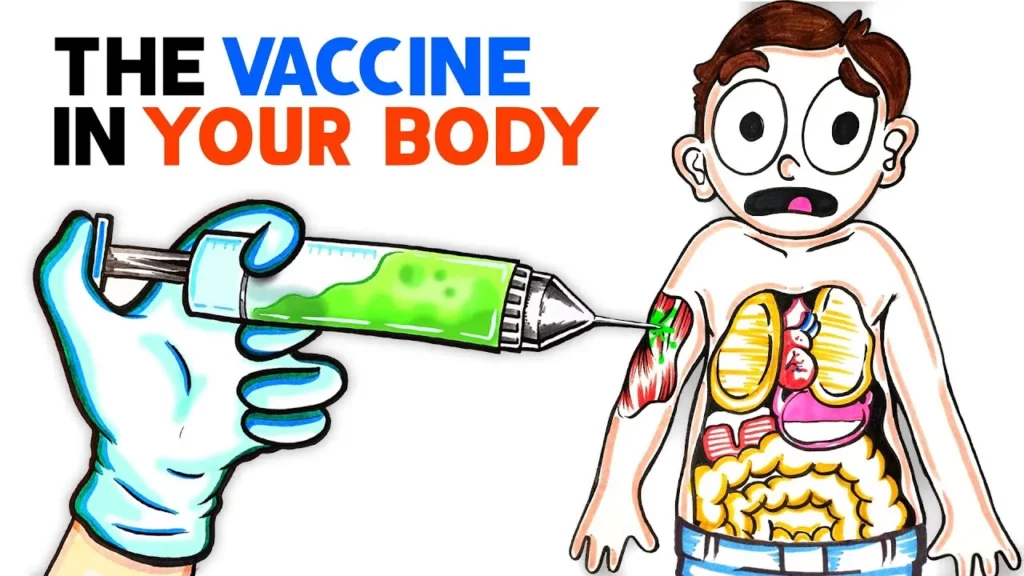
The lesson explains the functioning and impact of COVID-19 mRNA vaccines, highlighting their innovative approach compared to traditional vaccines. By delivering messenger RNA that instructs cells to produce harmless spike proteins of the virus, these vaccines enable the immune system to recognize and combat the actual virus without causing illness. The lesson also emphasizes the safety, efficacy, and rapid development of mRNA vaccines, showcasing their crucial role in addressing the pandemic.
Why The Human Body Sucks, and How To Fix It
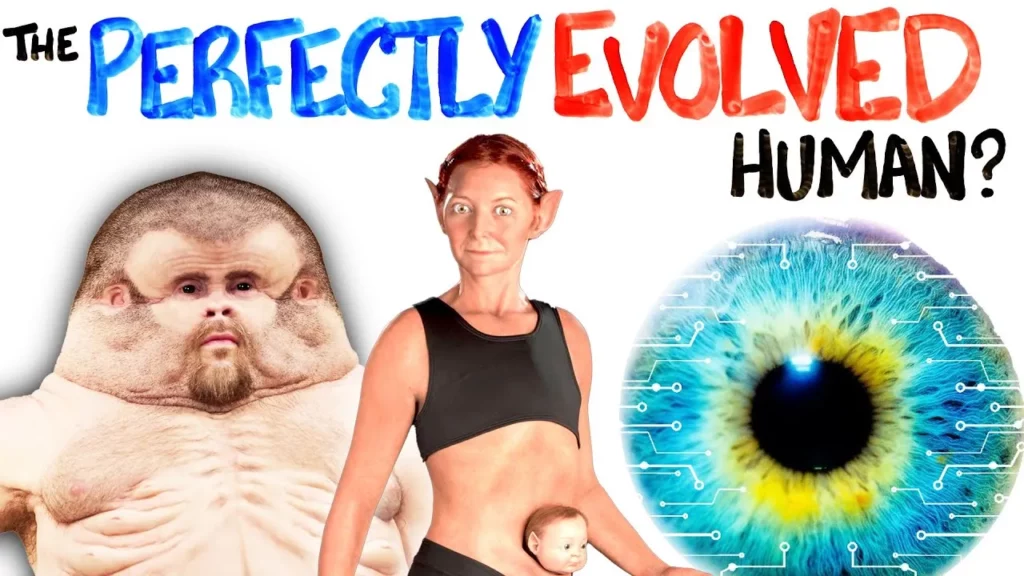
The lesson explores the imperfections of the human body, highlighting how evolution has shaped our anatomy and suggesting potential improvements. By examining various body parts, such as our feet, knees, and lungs, the lesson proposes adaptations inspired by other species, like ostriches and swans, that could enhance our functionality and resilience. Ultimately, it emphasizes that while our bodies have flaws, these imperfections contribute to our unique human experience.
Two Stoned Comedians Explain the Respiratory System | STONED SCIENCE
In this lesson, we explored the respiratory system through an engaging and humorous lens, led by comedians Matt and Dave. We learned about the journey of air as it enters the body through the nose or mouth, the role of the larynx in sound production, and the crucial gas exchange that occurs in the lungs’ alveoli, highlighting the importance of breathing for our health and energy. The lesson emphasized the fascinating complexity of our respiratory system while encouraging curiosity about the wonders of science.