
The Science Love Song | SCIENCE SONGS
The lesson explores the intersection of science and romance through a playful song that uses chemistry and physics to describe love and relationships. It highlights concepts such as chemical reactions, genetic connections, and the unpredictability of relationships, illustrating how scientific principles can metaphorically represent emotional experiences. Ultimately, the lesson emphasizes the joy of discovering the connections between science and love, making complex ideas accessible and enjoyable.
You're Not What You Think You Are
The lesson “You’re Not What You Think You Are” emphasizes the significance of the microbiome, a vast community of microorganisms that outnumber human cells in our bodies and play crucial roles in digestion, immune function, and overall health. It highlights how our diet can influence this microbiome, suggesting that a healthy intake of prebiotics and probiotics can enhance our well-being, while processed foods may diminish microbial diversity. Ultimately, the lesson encourages individuals to recognize their interconnectedness with these microorganisms and take proactive steps to support their health through dietary choices.
This Is The First LIQUID Robot, And It’s Unbelievable
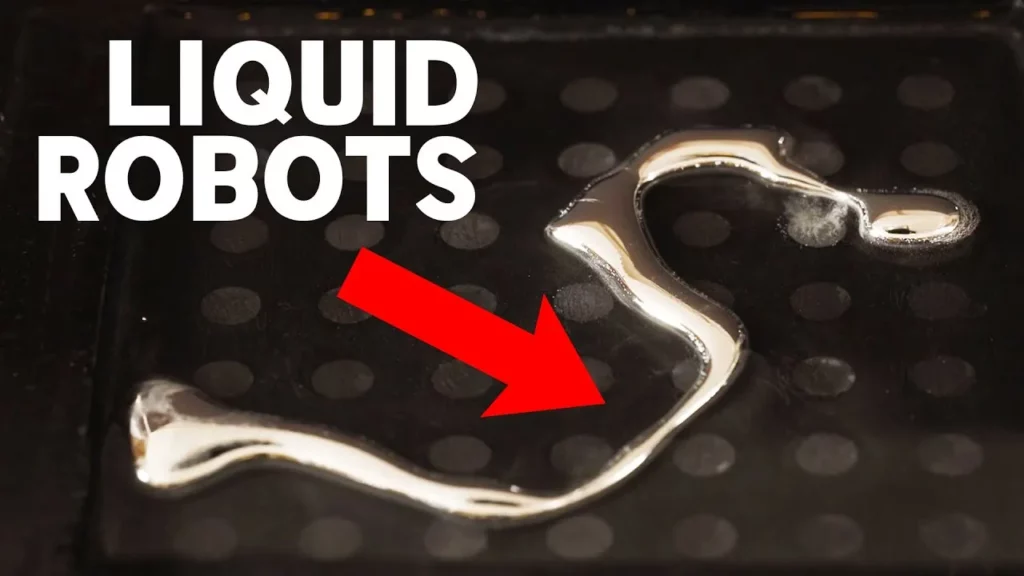
The lesson introduces a groundbreaking innovation in robotics: a slime robot that combines the ability to navigate tight spaces with the delicate touch needed for intricate tasks. Made from a viscoelastic polymer embedded with strong magnetic particles, this robot can adapt its shape and grip objects, making it particularly promising for medical applications such as targeted drug delivery and minimally invasive surgeries. While still in the research phase, the slime robot’s unique properties and potential for self-healing and adaptability could revolutionize various fields, including medicine and robotics.
The Strange Science of Lip Fillers
The lesson on lip fillers highlights the growing trend of lip augmentation, particularly in the U.S., and emphasizes the importance of understanding the procedure and its implications. Lip fillers, primarily made of hyaluronic acid, are generally safe and can enhance lip volume and symmetry, with effects lasting four to twelve months. While there are potential side effects, they are typically mild and manageable, underscoring the necessity of consulting certified professionals for safe treatment.
Is This Glass Half Empty?
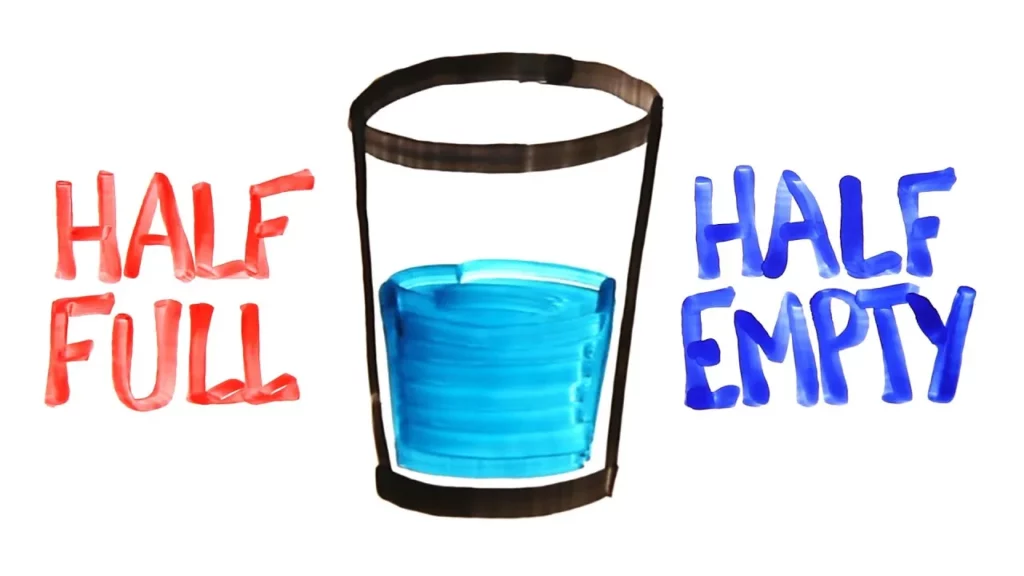
The lesson explores how our perspectives on life, represented by the metaphor of a glass being half empty or half full, can be influenced by genetics and emotional outlooks. Research indicates that optimists tend to enjoy various advantages, such as better health and academic success, while pessimists often adopt a more realistic and cautious approach to life. Ultimately, the lesson emphasizes the significance of perspective, suggesting that our inherent optimism bias shapes how we perceive our future and ourselves.
Do You Hear "Yanny" or "Laurel"? (SOLVED with SCIENCE)
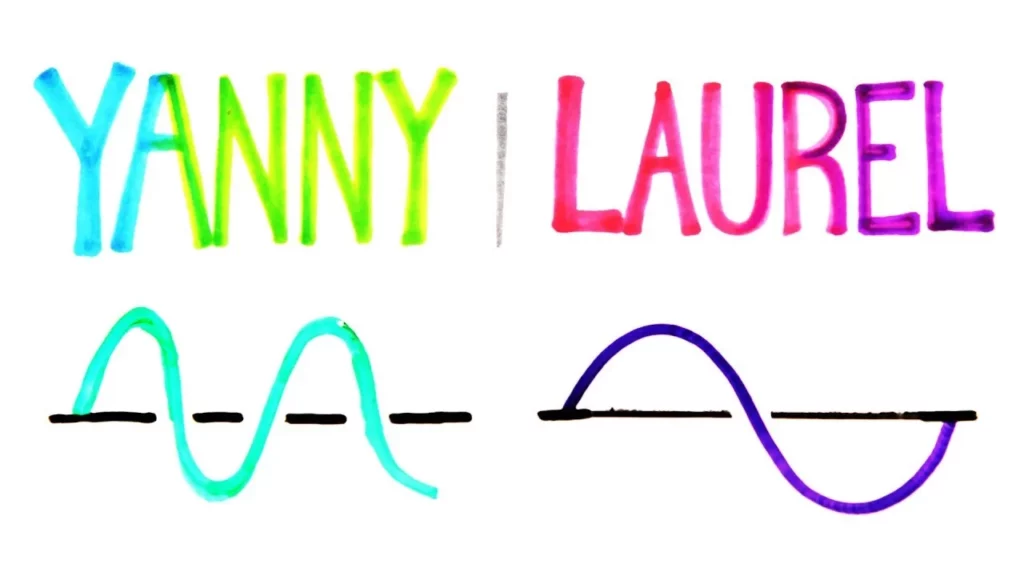
The lesson explores the audio illusion of “Yanny” versus “Laurel,” explaining that perception of the words is influenced by factors such as priming, sound wave characteristics, and the listener’s age and hearing ability. The original recording actually says “LAUREL,” but variations in pitch and sound quality can lead to different interpretations. Ultimately, the lesson highlights how our brains process sound and make decisions based on existing knowledge and auditory cues.
Generation alpha is gunna SUCK!
The lesson on Generation Alpha explores the unique experiences and challenges faced by this young generation growing up amidst rapid technological advancements and environmental changes. It emphasizes the importance of appreciating nature, understanding diverse beliefs and traditions, and recognizing the impact of technology on relationships. By reflecting on the past and learning from these insights, we can inspire Generation Alpha to positively influence the future.
Will 3D Printing Change Everything?
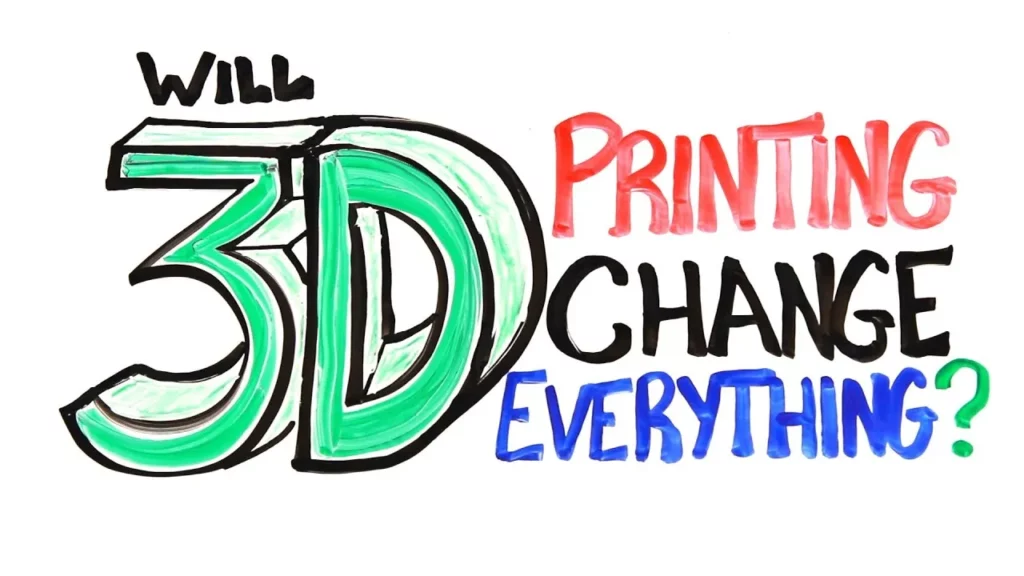
The lesson explores the transformative potential of 3D printing, likening it to an industrial revolution that enables the creation of complex three-dimensional objects by layering materials like plastic and metal. It highlights the technology’s ability to customize products, from unique gifts to tailored medical solutions like prosthetics and even bio-printed organs, which could revolutionize healthcare by eliminating the need for organ donors. As 3D printing continues to develop, it promises to significantly alter various aspects of daily life and industry.
AsapSCIENCE Needs Your Help!
In this lesson, the creators of ASAPScience express their gratitude for the support they’ve received and outline their mission to make science relatable and enjoyable for a global audience. They introduce their new book, which addresses popular science topics and encourages fans to support their efforts by purchasing it, thereby helping to fund their content creation and expand their reach. The book serves as a way for fans to engage with science while contributing to the growth of the ASAPScience community.
Should You Hover Or Cover The Toilet Seat?
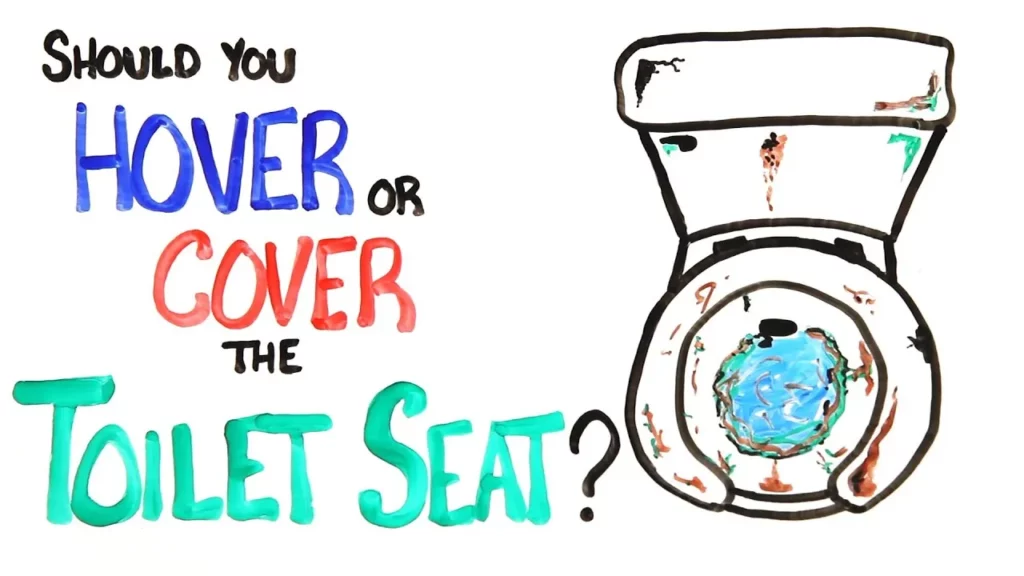
The lesson discusses the debate between hovering over a toilet seat or covering it with toilet paper when using public restrooms. It reveals that toilet seats are often cleaner than common household items, and emphasizes that the real risk of germs comes from improper hand hygiene rather than contact with the seat itself. Ultimately, hovering can be a viable option for those concerned about germs, but proper handwashing is the most effective way to prevent illness.