
The Biggest Lie About Climate Change
The lesson discusses the historical awareness and subsequent denial of climate change by Exxon, an oil company that recognized the detrimental effects of fossil fuel combustion as early as the 1980s but chose to mislead the public to protect its profits. Despite internal warnings about the catastrophic consequences of climate change, Exxon and other oil companies engaged in misinformation campaigns that contributed to widespread public confusion and political inaction. The lesson emphasizes the urgent need to address climate change and explores potential solutions, including legal challenges and innovative scientific efforts.
Tears of sadness will blow your mind
The lesson “Tears of Sadness Will Blow Your Mind” explores the unique human ability to cry as an emotional response, highlighting that tears of sadness contain more proteins, allowing them to fall slowly and signal distress to others. This biological mechanism not only fosters empathy and support from those around us but also strengthens interpersonal relationships by enhancing communication. Ultimately, crying serves as a powerful tool for emotional connection and understanding.
Can You Trick A Breathalyzer? (The LAB)
In this lesson, Mitch and Greg explore the effects of alcohol on the body through engaging experiments, including attempts to trick a breathalyzer and discussions on how quickly one can sober up. They emphasize the scientific understanding of alcohol’s impact, including its effects on the brain and body, while debunking common myths about masking drunkenness. The session combines fun facts, historical insights, and recent scientific news, all aimed at educating viewers about the complexities of alcohol consumption.
Can You Actually Eat A Bus?
The lesson explores the human digestive process, emphasizing the role of enzymes in breaking down food for energy. It discusses unusual eating behaviors, such as those exhibited by Michel Lotito, who consumed non-food items, and introduces the condition known as pica, which can lead to dangerous eating habits. Ultimately, while it might be theoretically possible to “eat” something like a bus, it would not provide any nutritional value, highlighting the importance of consuming actual food for health.
What Actually Happens When You Have An Abortion?

The lesson on “Understanding Abortion: Procedures and Implications” provides an overview of the various abortion methods, including medical and surgical procedures, and highlights the importance of understanding these processes regardless of personal beliefs. It emphasizes that legal abortions are among the safest medical procedures, debunking common myths about associated health risks, while also addressing the dangers of unsafe abortions. Additionally, the lesson discusses the legal and social implications of abortion access, noting that restrictive laws do not decrease abortion rates but rather lead to unsafe practices, and underscores the role of comprehensive sex education and contraceptive access in reducing unwanted pregnancies.
Should Gas Stoves Be BANNED?

The lesson discusses the health and environmental concerns associated with gas stoves, highlighting that they can release harmful gases such as nitrogen oxides and carbon monoxide, which can exacerbate respiratory issues, particularly in children. It also notes that gas stoves contribute significantly to indoor pollution and greenhouse gas emissions, prompting some cities to consider bans on gas lines in new buildings. The lesson encourages individuals to improve ventilation when using gas stoves and suggests switching to electric stoves as a safer and more environmentally friendly alternative.
Will This Trick Your Ears? (Audio Illusions)
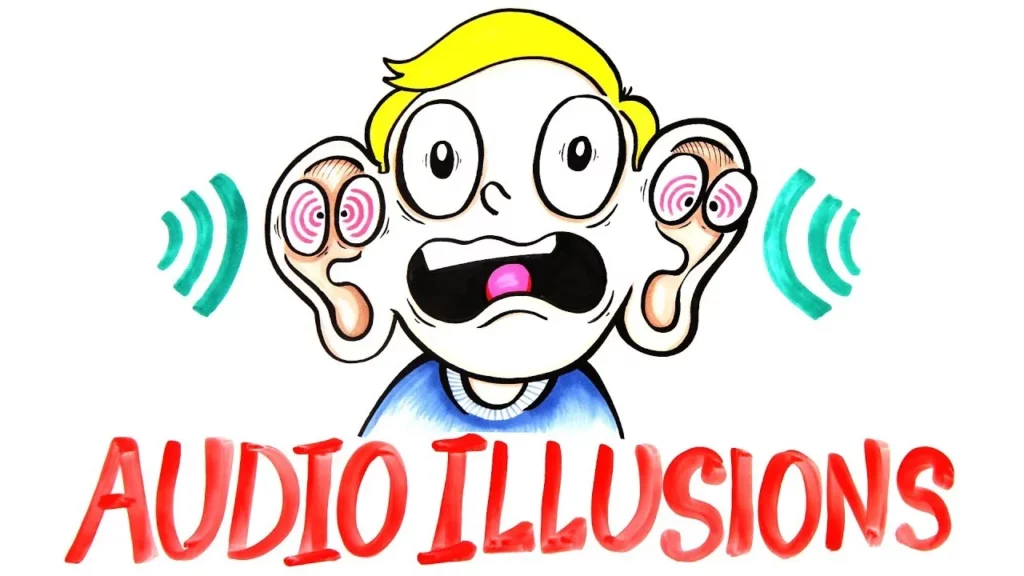
The lesson “Will This Trick Your Ears? (Audio Illusions)” explores how our brains perceive sound and fill in gaps based on context and expectation. Through examples like hearing a singer’s voice in a piano melody and the phenomenon of a speaking piano, it illustrates how our auditory perception can be influenced by prior knowledge and visual cues. Additionally, concepts like temporal induction and the risset rhythm demonstrate the brain’s ability to create a continuous auditory experience, even when sounds are incomplete or seemingly absent.
The Muscle Song (Memorize Your Anatomy) | SCIENCE SONGS
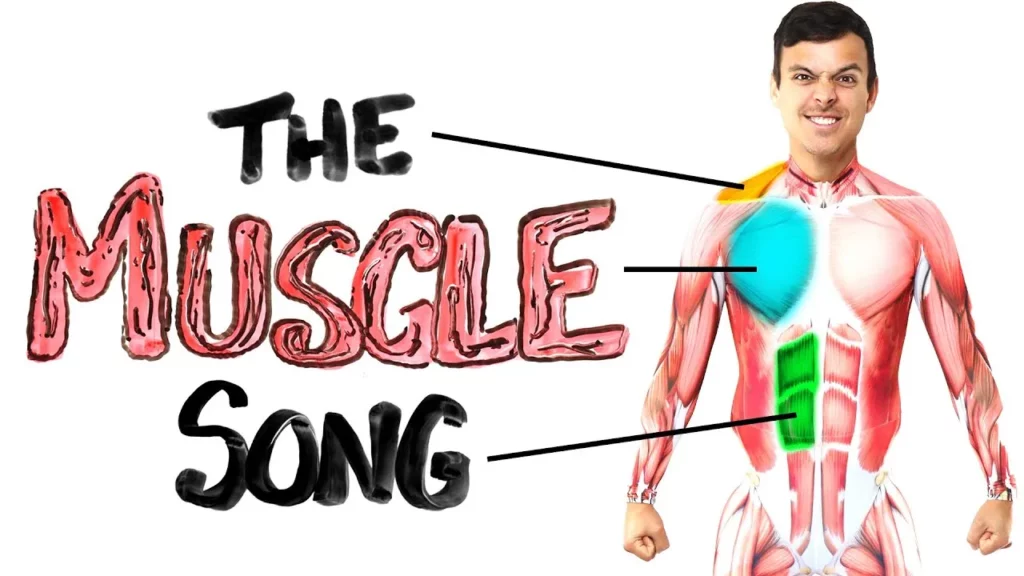
In this lesson, students explore the anatomy of muscles through an engaging and interactive approach, starting with the chest muscles (pectoralis major and minor) and moving through the back, shoulders, arms, abdomen, and legs. Key muscle groups such as the deltoids, biceps, triceps, quadriceps, and glutes are highlighted, emphasizing their functions in movement and stability. The lesson encourages learning through a fun song, making it easier to remember the various muscles and their roles in the body.
Debunking Our Own Video

In this lesson, we explored the complexities of skincare science, guided by insights from Michelle, known as Lab Muffin, who emphasized the importance of accurate information and the nuances of skincare ingredients. We learned that while ingredient lists can be informative, more isn’t always better, and that consumers should make informed choices based on anecdotal evidence and ingredient efficacy. Additionally, the discussion highlighted the need for evolving conversations in skincare research, particularly regarding the Eurocentric bias in studies and the importance of understanding different skin types and aging perceptions.
The Biggest Paradox on Earth Was Just Solved
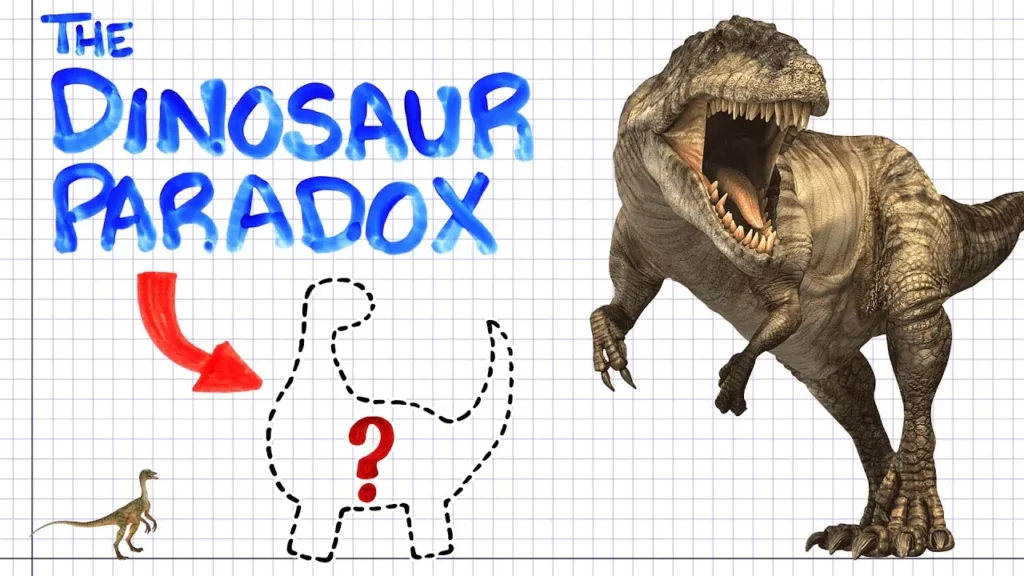
The lesson explores the intriguing size distribution of carnivorous dinosaurs, highlighting a paradox where there were many large species but very few medium-sized ones, unlike modern carnivorous mammals. It suggests that the unique reproductive and growth patterns of dinosaurs, particularly the role of juvenile dinosaurs in the ecosystem, contributed to this phenomenon. Ultimately, the research indicates that young megatheropods, such as juvenile T. rexes, may have occupied ecological niches typically held by medium-sized dinosaurs, reshaping our understanding of dinosaur diversity and competition.