
Why Do We Blush?
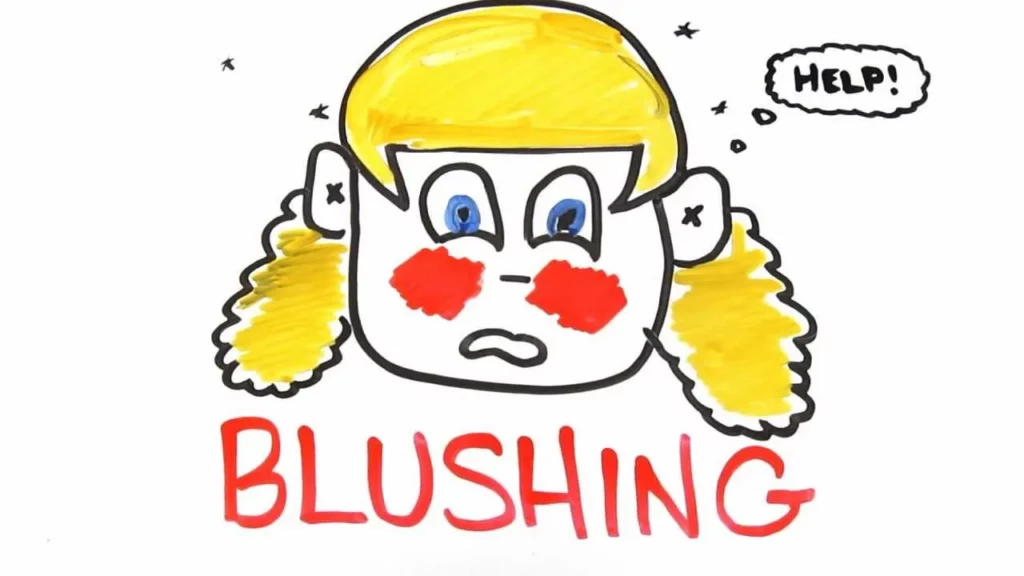
The lesson explores the phenomenon of blushing, explaining that it is an involuntary response triggered by the sympathetic nervous system, particularly during moments of embarrassment. Blushing serves as a social signal, indicating regret or acknowledgment of a mistake, which can foster understanding and forgiveness in social interactions. This unique human reaction not only highlights our emotional awareness but also reinforces social bonds by conveying honesty in communication.
The Strange Reason You Can Hallucinate
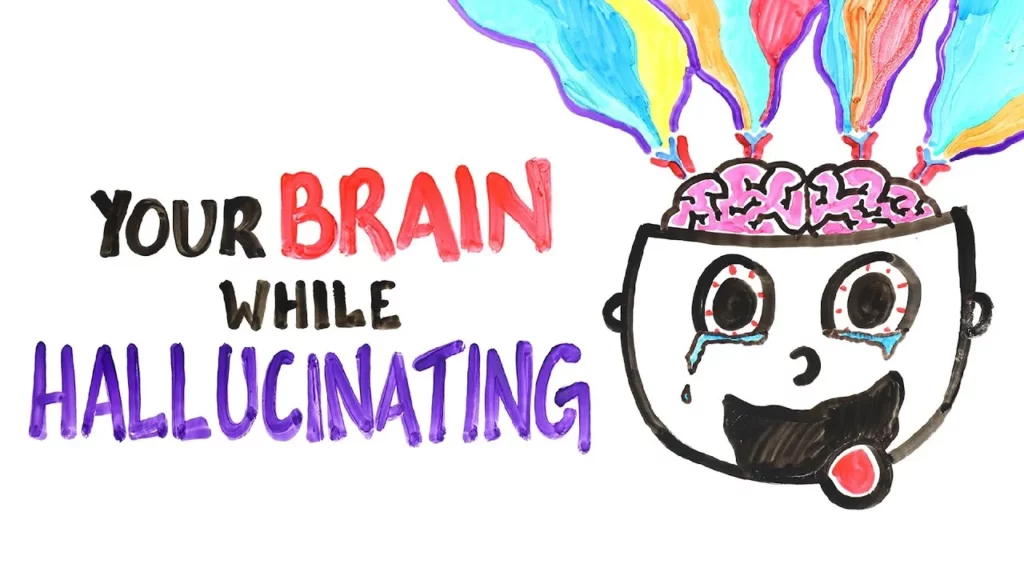
The lesson explores how psychedelics, such as psilocybin and LSD, can induce hallucinations by decreasing activity in the brain’s default mode network (DMN), which is crucial for self-reflection and identity. Research using advanced imaging techniques has shown that psychedelics bind to serotonin receptors, leading to altered perception and experiences like ego dissolution. This understanding of brain function and consciousness has implications for therapeutic applications, particularly in treating existential distress and addiction.
Can You Be Scared To Death?

The lesson explores the concept of fear, its origins, and its potential dangers, particularly in relation to heart health. It explains that many fears are inherited from our ancestors and shaped by personal experiences, while also discussing how extreme fear can trigger a “fight-or-flight” response that may overwhelm the heart. Although fear can be dangerous in rare cases, especially for those with pre-existing heart conditions, it is possible to train oneself to manage fear more effectively.
Everyone is freaking out about this graph
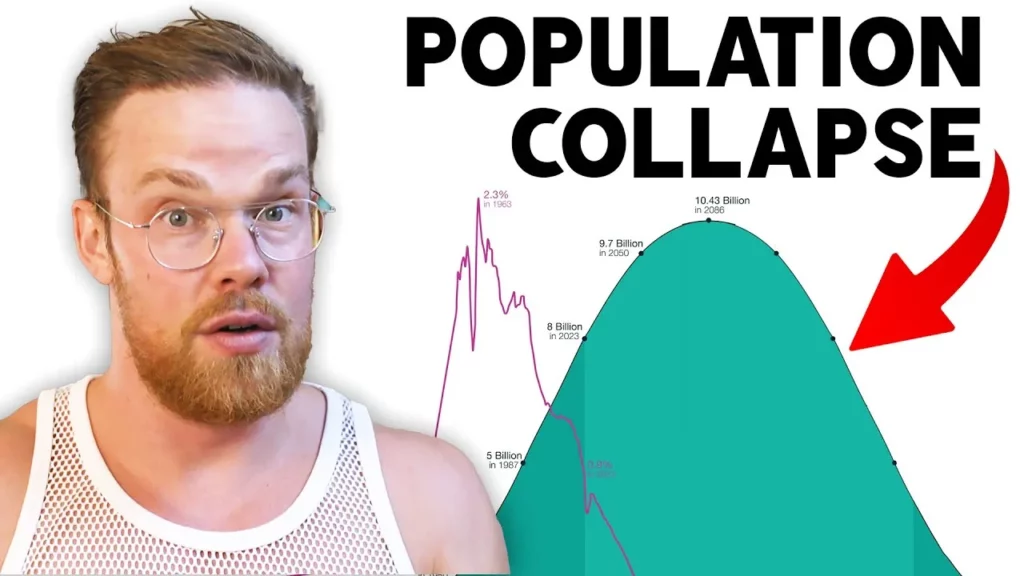
The lesson on global population dynamics explores the anticipated peak and subsequent decline of the world’s population, projected to reach around 10.9 billion before decreasing due to declining fertility rates, particularly in affluent countries. It highlights the historical context of population tracking, the accuracy of predictions made by organizations like the UN, and the implications of these trends on resources, immigration, and economic growth. Ultimately, the lesson suggests that a declining population could foster more equitable societies and sustainable environmental practices.
What If You Sleep 2 Hours Less Every Night?
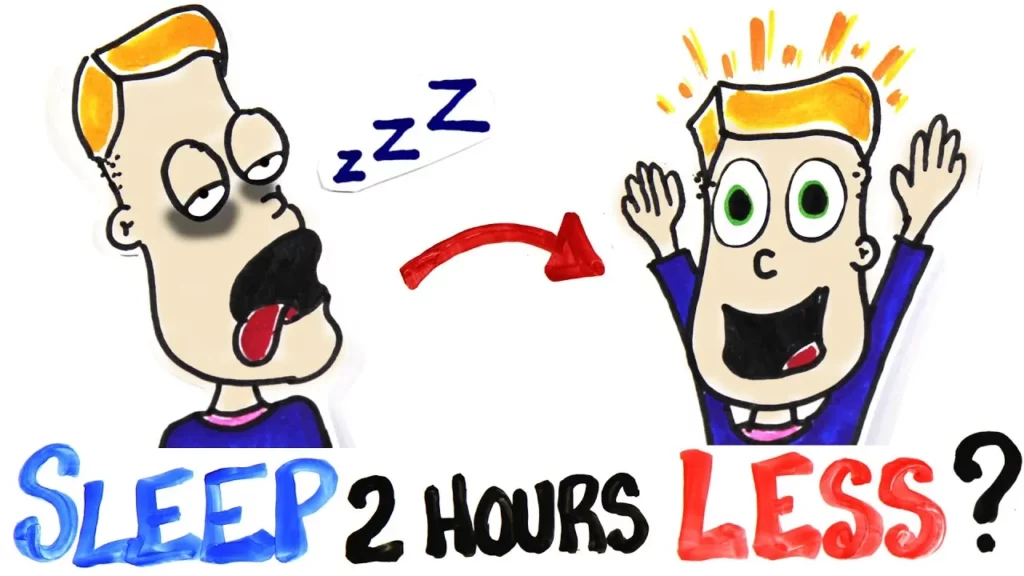
The lesson explores the consequences of reducing sleep by two hours each night, highlighting that while it may seem beneficial for productivity, it can significantly impair cognitive function, decision-making, and overall health. Research indicates that most individuals require about eight hours of sleep for optimal performance, and even slight reductions can lead to severe effects such as decreased memory, weakened immune response, and increased risk of serious health issues. Ultimately, the lesson emphasizes that the perceived gains from less sleep may come at a much higher cost to mental and physical well-being.
Childbirth vs Getting Kicked in the Balls
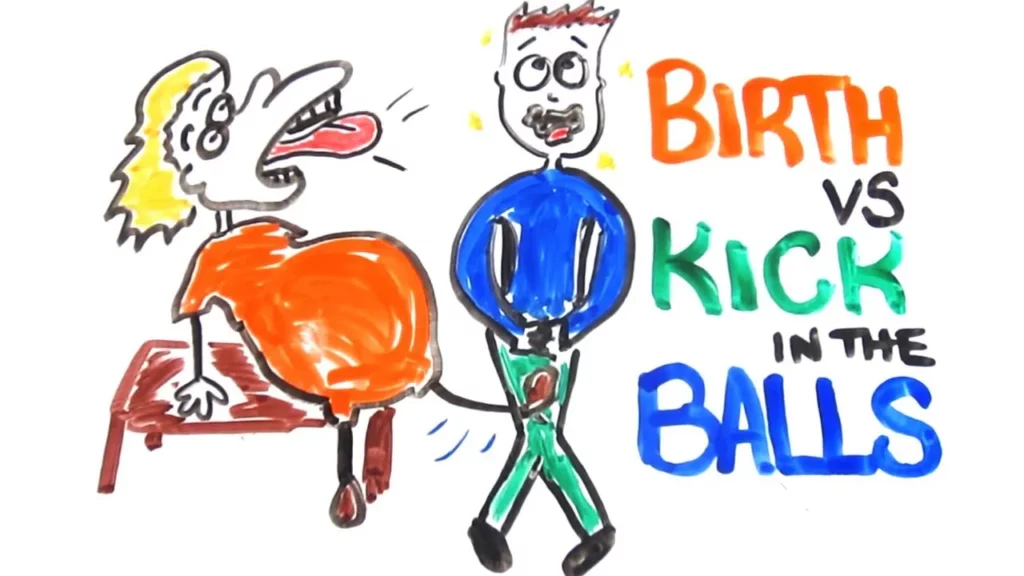
The lesson explores the complexities of pain, specifically comparing the experiences of women during childbirth and men when struck in a sensitive area. It highlights that while both experiences can be intensely painful, they involve different types of pain and are influenced by individual factors such as mood and genetics, making direct comparisons challenging. Ultimately, pain is a subjective experience that varies greatly among individuals, emphasizing the need for a nuanced understanding of how we perceive pain.
The Truth About Rising Sea Levels
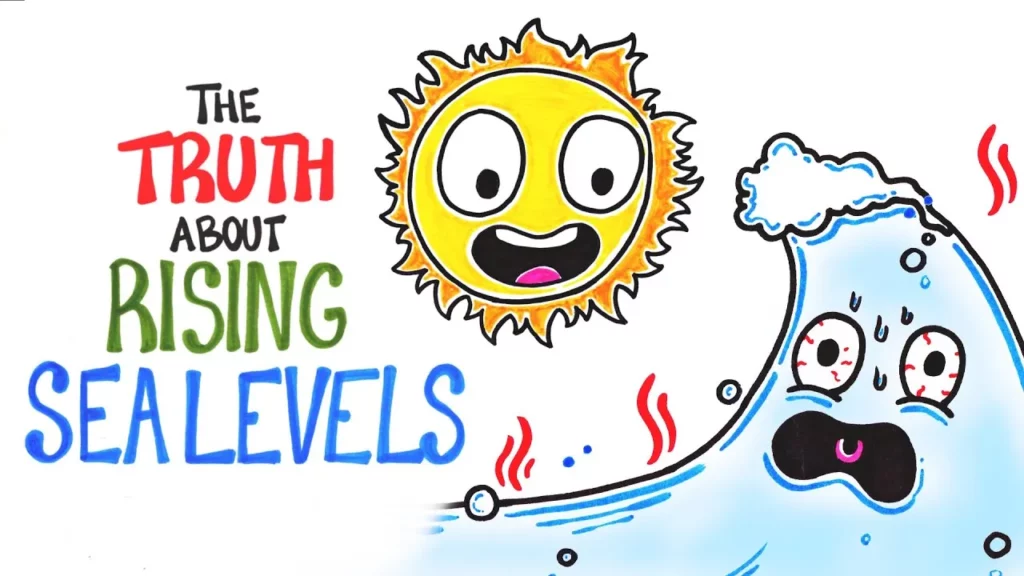
The lesson explains that rising sea levels are primarily caused by two factors: the melting of ice caps and glaciers due to global climate change, and thermal expansion of seawater as it warms. As ocean temperatures increase, the water expands, contributing significantly to rising sea levels, which can lead to serious consequences for coastal areas, including flooding and erosion. Understanding these processes highlights the importance of addressing climate change to mitigate its impacts.
Could Your Brain Be Hacked?
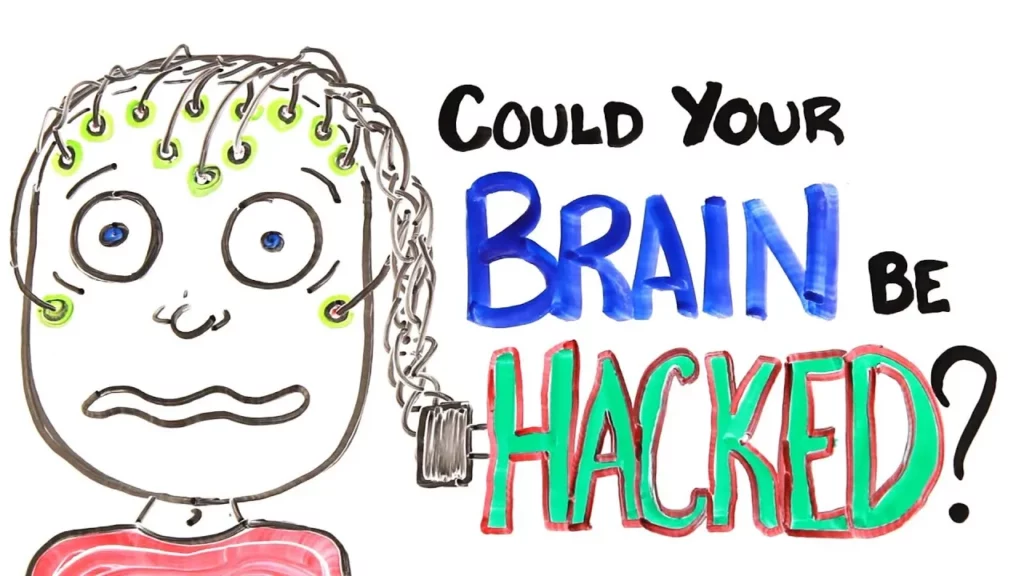
The lesson explores the intriguing possibility of “hacking” the human brain through the integration of technology and biology, particularly using light to control brain functions with precision. By modifying neurons to respond to light, researchers envision applications that could enhance mental health, control movement, and even trigger emotions, while also raising significant ethical concerns about the implications of such advancements. As we delve deeper into this intersection, it is essential to balance the potential benefits with the risks and moral considerations involved.
This Is NOT NATURAL
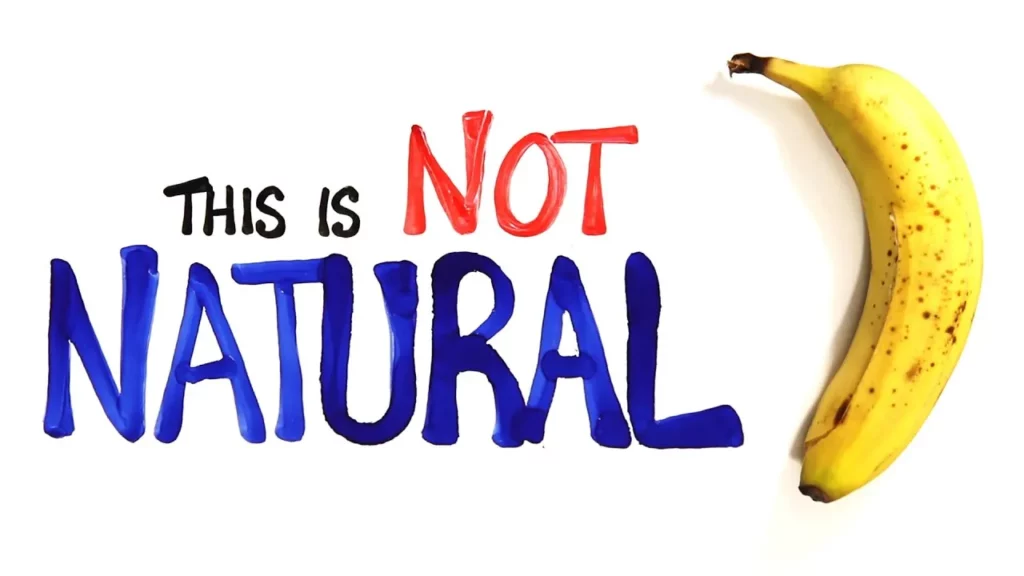
The lesson emphasizes that all food, including natural items like fruits, contains chemicals, and the distinction between “natural” and “man-made” chemicals is not as clear-cut as often portrayed. It highlights that both types of chemicals can be safe or harmful depending on their quantity and context, urging a nuanced understanding of food ingredients rather than relying on simplistic labels. Ultimately, the lesson encourages consumers to research and critically evaluate what they eat, debunking myths around “chemical-free” foods and the concept of detoxing.
No fap is a fib

This lesson explores the relationship between masturbation and sperm health, emphasizing the importance of maintaining sperm viability through regular ejaculation. It highlights that while frequent masturbation can help clear out older sperm, excessive engagement may reduce overall sperm count, suggesting a balanced approach of about once every five days for optimal reproductive health. Understanding these dynamics allows individuals to make informed choices regarding their reproductive well-being.