
Why Are You Always Tired?
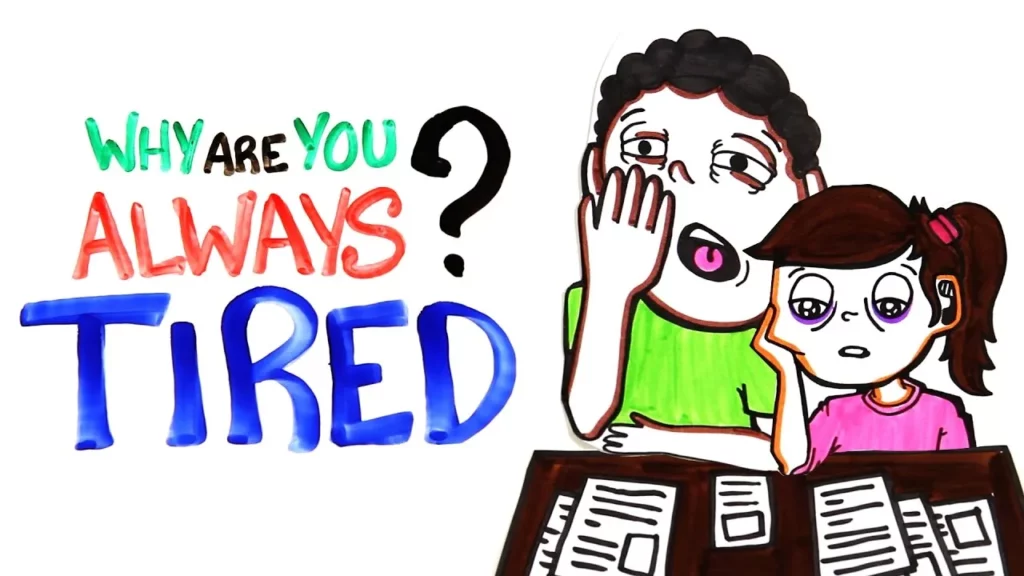
The lesson “Why Are You Always Tired?” explores various factors contributing to persistent fatigue, even when one gets adequate sleep. Key points include the importance of regular physical activity and a balanced diet, the effects of caffeine and alcohol on sleep quality, the significance of hydration, and the impact of mental health on energy levels. Additionally, it highlights the challenges faced by night owls in a structured society and suggests consulting a doctor if fatigue persists despite lifestyle changes.
Are You Sitting Too Much?
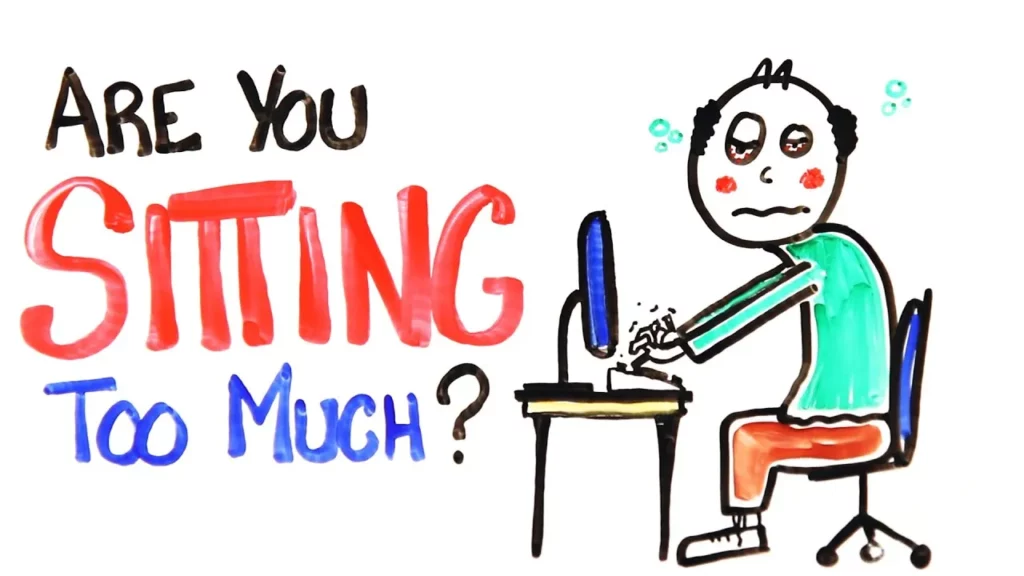
The lesson “Are You Sitting Too Much?” highlights the detrimental effects of prolonged sitting on our health, including reduced muscle activity, impaired insulin function, and increased risks of chronic diseases such as type 2 diabetes and heart disease. It emphasizes the importance of regular movement to counteract these negative impacts and suggests practical strategies to incorporate more physical activity into daily routines. Ultimately, reducing sitting time can significantly enhance overall health and potentially extend lifespan.
The Scientific Power of Meditation
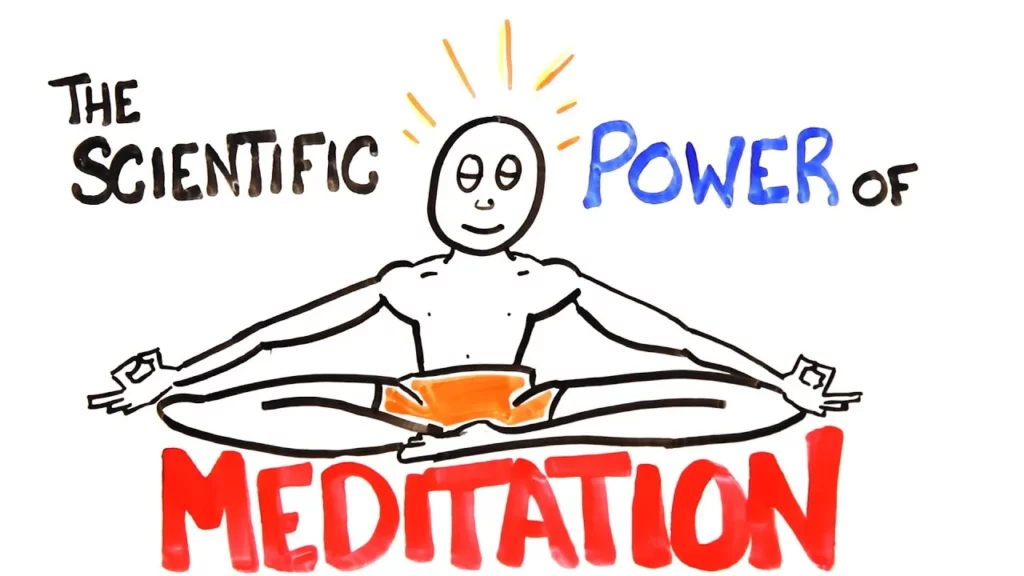
The lesson highlights the scientific benefits of meditation, emphasizing its positive effects on brain function and overall health. Research shows that meditation enhances brain activity related to anxiety reduction, empathy, and emotional regulation, while also leading to structural changes in the brain that support learning and memory. Additionally, meditation can improve physical health by lowering blood pressure, boosting immune response, and even influencing cellular health by maintaining telomere length, making it a valuable practice for enhancing well-being.
The Scientific Power of Thought
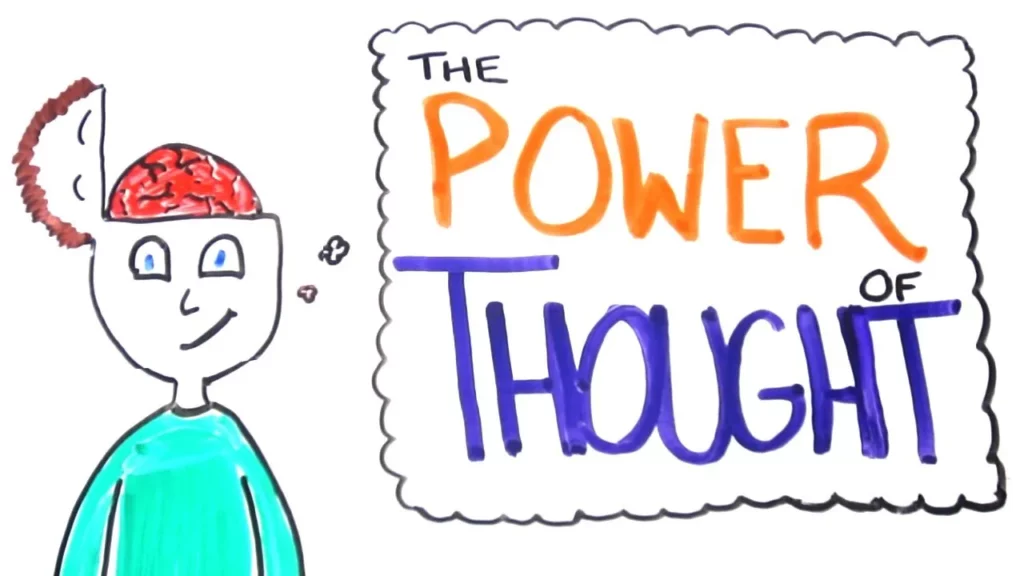
The lesson “The Scientific Power of Thought” highlights the brain’s remarkable adaptability and the profound connection between imagination and physical action. Recent research shows that visualizing actions activates the same brain areas as performing them, demonstrating that mental practice can lead to physical changes and improvements in skills, such as piano playing and muscle strength. While imagination alone cannot replace physical effort, it serves as a valuable complement, enhancing learning and performance.
3.14159 this is pi followed by…

The lesson on pi introduces this fascinating mathematical constant, which represents the ratio of a circle’s circumference to its diameter, always equating to approximately 3.14159. It highlights the significance of pi in various fields such as engineering and architecture, as well as the intriguing fact that its digits continue infinitely without repeating. Students are encouraged to memorize more digits of pi and explore its applications, making math an engaging and enjoyable subject.
Your Brain on Crack Cocaine
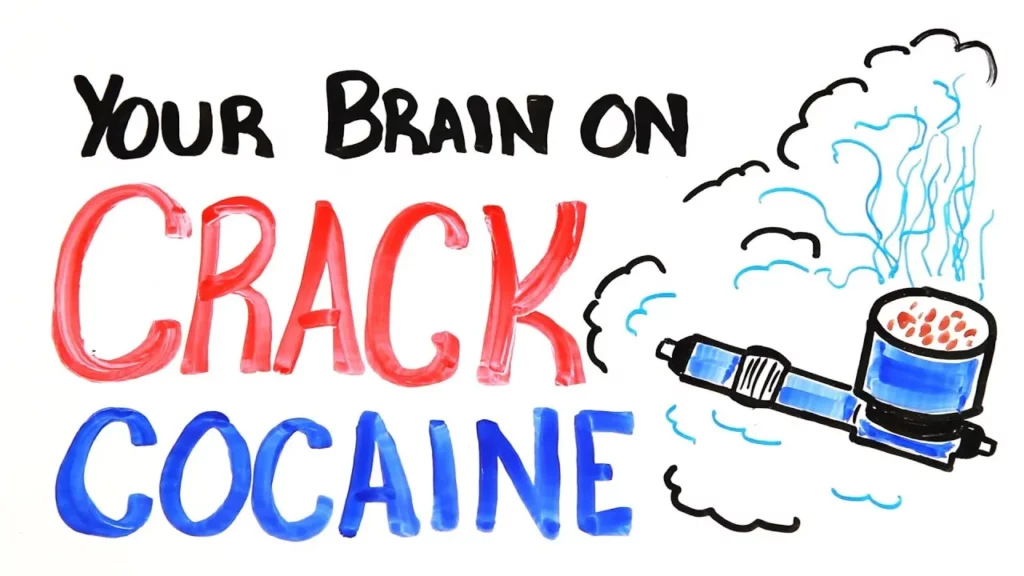
The lesson “Your Brain on Crack Cocaine” explains the nature of crack cocaine, a smokable form of cocaine derived from coca leaves, and its rapid effects on the brain. When smoked, crack quickly enters the bloodstream, leading to a short-lived euphoric high due to increased dopamine levels, but this is followed by a significant drop in mood and a strong craving for more, which can result in addiction and serious health risks, including heart attacks and strokes. Overall, the lesson highlights the dangerous cycle of use and the severe consequences associated with crack cocaine.
What If You Stopped Sleeping?
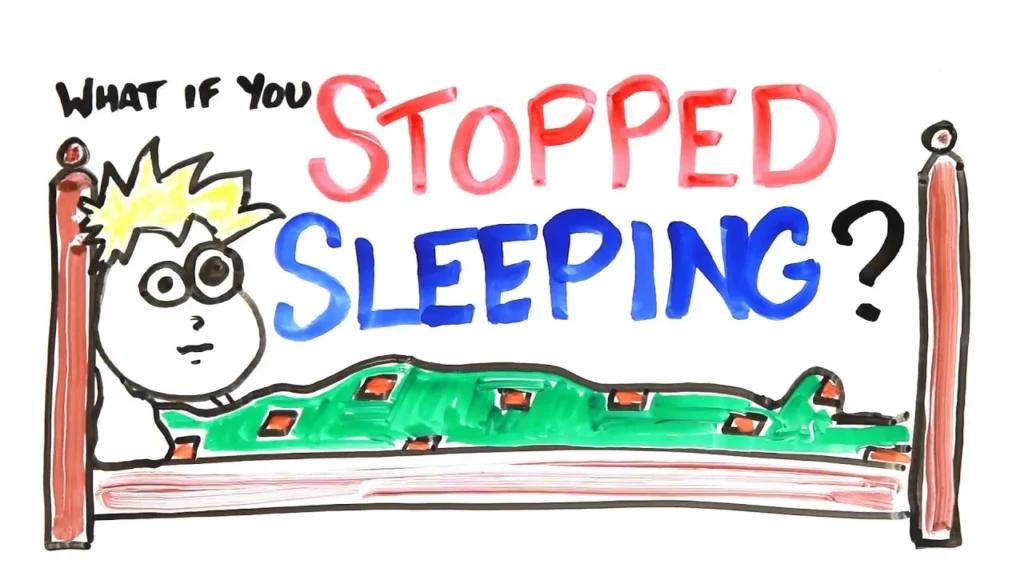
The lesson explores the consequences of sleep deprivation, highlighting that while a short period without sleep may initially boost energy and motivation, it ultimately leads to negative effects such as impaired decision-making, weakened immune function, and potential hallucinations after extended periods. It also discusses the importance of balanced sleep, noting that both insufficient and excessive sleep can contribute to health issues, including heart disease and obesity. Additionally, the lesson touches on rare conditions like fatal familial insomnia, emphasizing the critical role of sleep in overall health and well-being.
The Science of Procrastination – And How To Manage It

The lesson on “The Science of Procrastination” explores the psychological factors behind procrastination, particularly the concepts of temporal discounting and present bias, which explain why immediate rewards often outweigh the value of delayed gratification. To combat procrastination, the lesson offers practical strategies such as rewarding oneself, using the Pomodoro Technique, setting personal deadlines, finding enjoyment in tasks, and minimizing distractions. Ultimately, it emphasizes that understanding procrastination as a symptom rather than a cause can help individuals enhance their motivation and productivity.
Your Brain On Shrooms
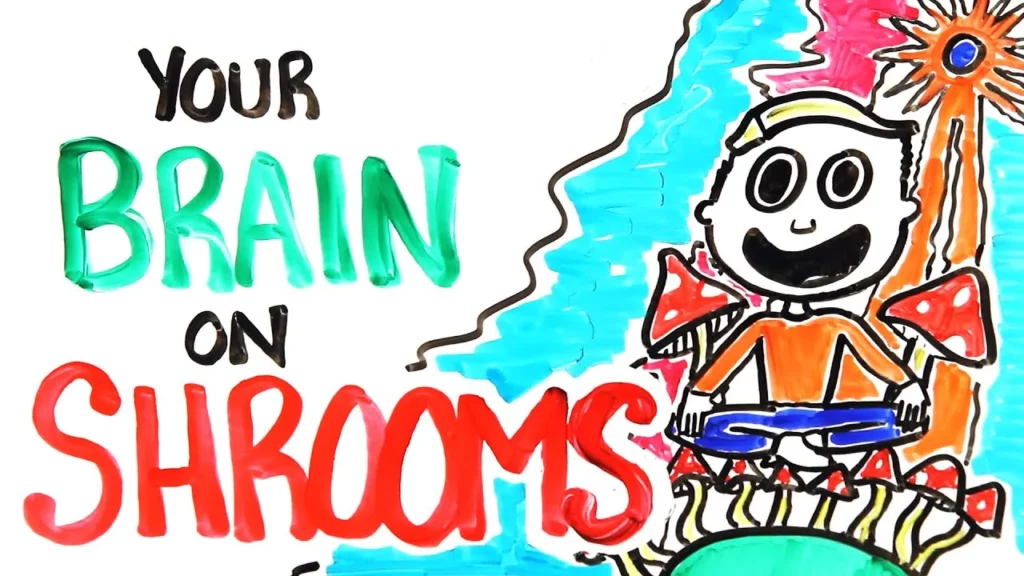
The lesson explores the effects of psychedelic mushrooms, particularly the psychoactive compound psilocybin, on the brain. When ingested, psilocybin is converted to psilocin, which enhances serotonin activity, leading to hallucinations and altered perceptions of reality. While many users report positive, insightful experiences, some may encounter fear and paranoia, highlighting the need for further research to understand the full spectrum of effects and potential therapeutic benefits of these substances.
What If You Stopped Going Outside?
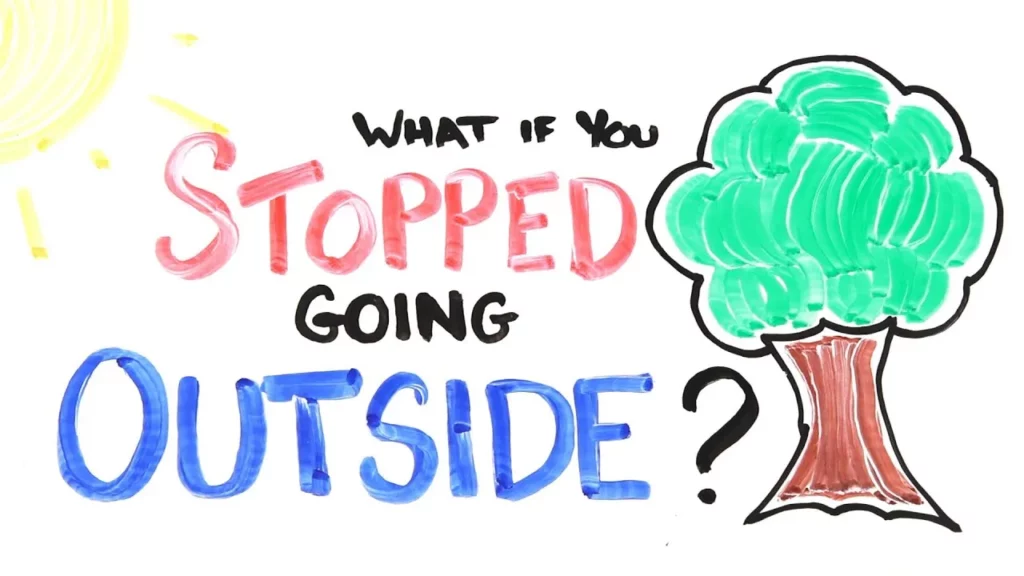
The lesson explores the consequences of staying indoors and the vital role of sunlight in maintaining health. Sunlight helps produce vitamin D, which is essential for strong bones and a robust immune system, while spending time in nature can enhance mental well-being. Additionally, prolonged indoor activity can lead to serious health risks, emphasizing the importance of outdoor movement and exposure to natural environments.