
Soil Formation
In this lesson, we explored the processes involved in soil formation, highlighting the roles of temperature, water, wind, and living organisms. Temperature changes cause rocks to crack, while water and wind further break them down into smaller pieces. Additionally, organisms like lichens contribute to the initial stages of soil creation, demonstrating the intricate ways nature collaborates to produce the essential resource that supports life on Earth.
What if we Lived Inside Oceans?
The lesson explores imaginative scenarios that challenge our understanding of everyday life, such as living underwater, the absence of traffic signals, and the unique movements of snakes. It also delves into the mechanics of flight, the whimsical idea of shooting webs like Spider-Man, and the implications of living near a volcano or on Neptune. Each scenario encourages creative thinking about how our world would change in response to these fantastical situations.
What if there was No Electricity?
The lesson explores the significant impact of a world without electricity, highlighting the challenges and adaptations that would arise in daily life. Without modern conveniences like gadgets, communication tools, and efficient transportation, people would need to revert to older methods for entertainment, communication, and travel. However, the absence of electricity could also lead to a cleaner environment, prompting a shift in how society functions and encouraging human adaptability.
What if Social Networks Disappeared?
The lesson explores the potential impact of a world without social networks, highlighting both challenges and opportunities. Influencers would struggle to maintain their careers without their platforms, while individuals might gain more free time to pursue hobbies and activities. Additionally, personal connections could deepen as people find alternative ways to celebrate milestones and meet new friends, potentially leading to more meaningful interactions.
What if Everyone had Superpowers?
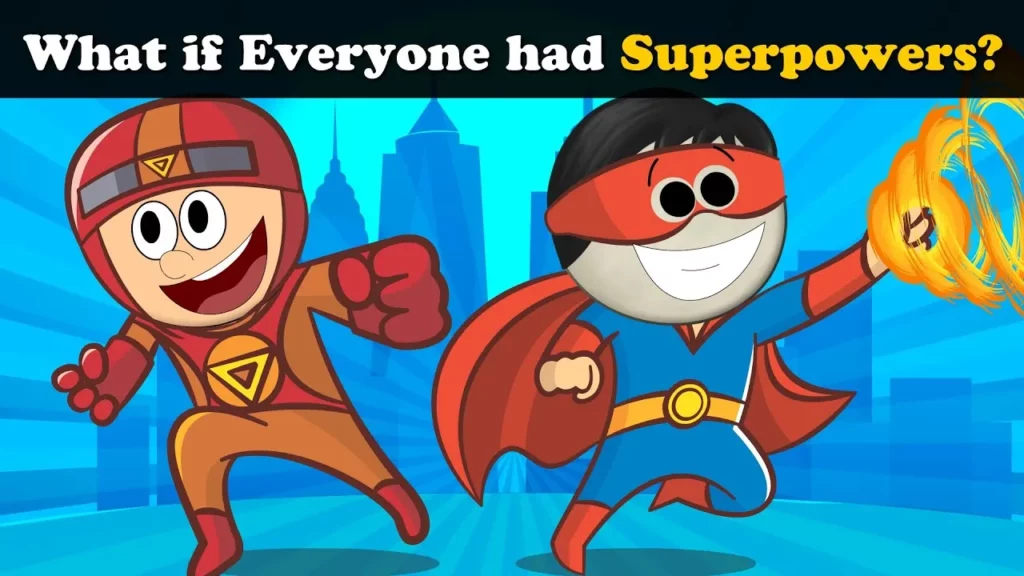
The lesson explores the implications of a world where everyone possesses superpowers, highlighting both the exciting and challenging aspects of such a scenario. While superpowers could lead to entertaining displays and deter villains, they might also create chaos in law enforcement, diminish the thrill of sports, encourage laziness in daily tasks, and potentially lead to the retirement of traditional superheroes. Ultimately, the lesson suggests that while superpowers seem appealing, they could result in significant and unforeseen changes to society.
Why do we Scratch our Itch?
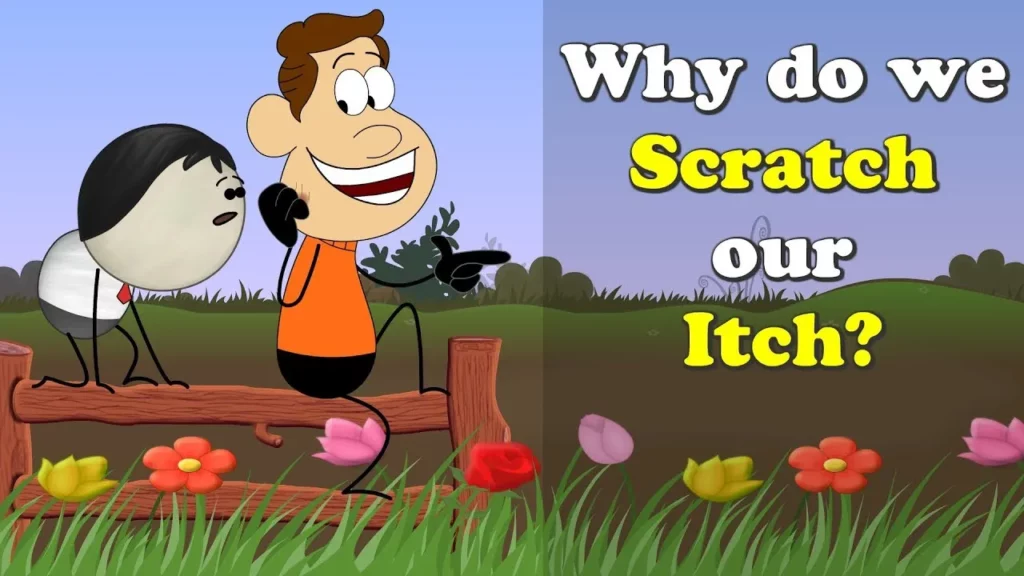
The lesson explores various biological and physical phenomena, starting with the reasons behind the pleasurable sensation of scratching an itch, which involves the activation of pain receptors and the release of serotonin in the brain. It also discusses the causes of wrinkles and eye bags, attributing them to aging and lifestyle factors, and explains how a magnifying glass can concentrate sunlight to burn paper. Finally, it highlights the advantages of having two eyes, including a wider field of view and improved depth perception.
What if we could Switch the Moon On & Off?
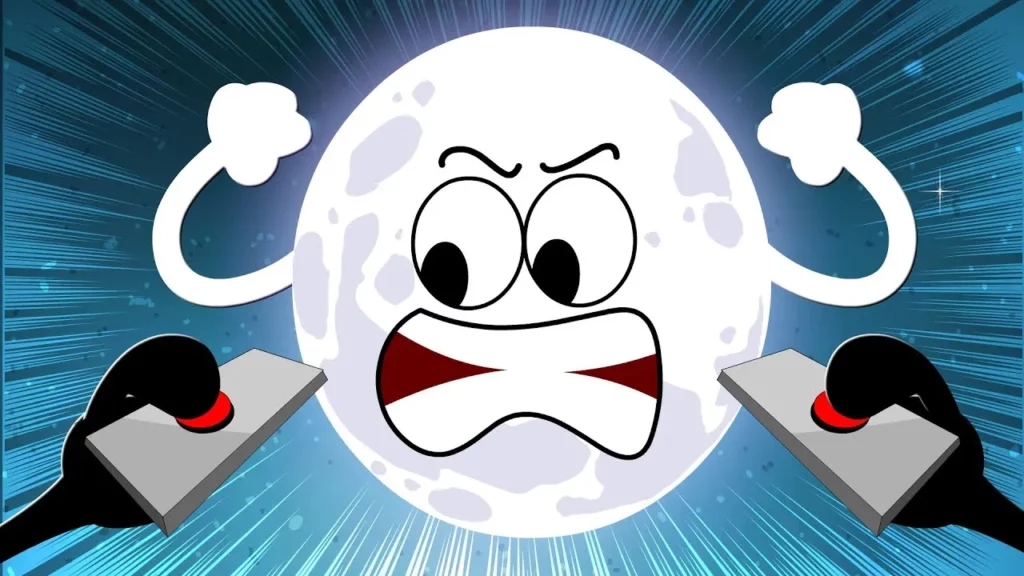
The lesson explores the whimsical idea of being able to control the Moon’s light, discussing the potential consequences of such power. It highlights how the Moon influences sleep patterns for both humans and animals, and suggests that tampering with its light could lead to confusion and disruption in nature. Ultimately, the lesson emphasizes the importance of allowing the Moon to shine naturally, as it plays a vital role in our world.
What if we had 2 Heads?
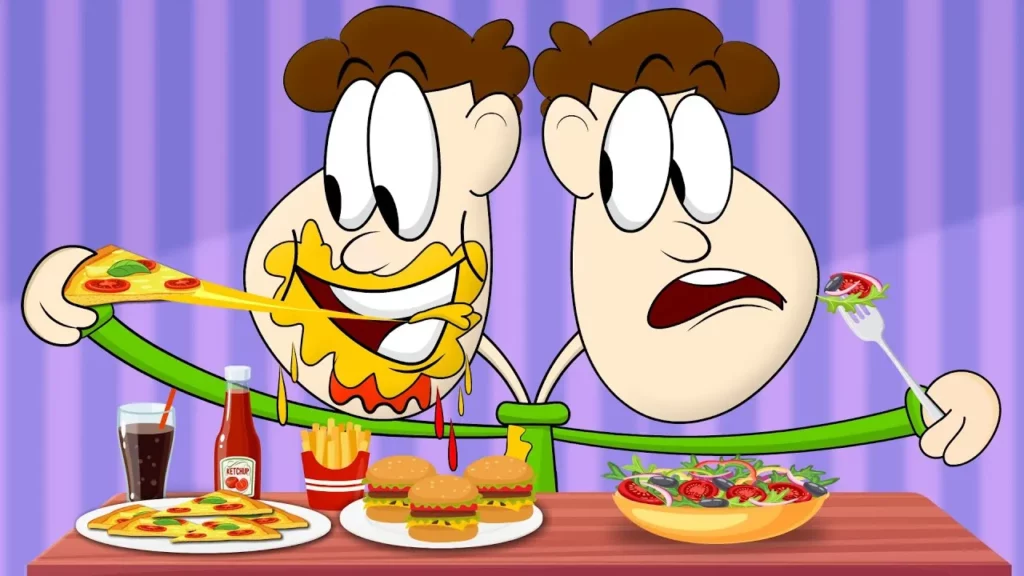
The lesson explores various imaginative scenarios and scientific concepts, such as the implications of having two heads, the mechanics of batteries, and the formation of hurricanes. Each section presents a unique idea, blending humor with educational insights, such as how hair straighteners work and the significance of leap years. Overall, the lesson encourages curiosity about the world while providing foundational knowledge on diverse topics.
What if Borders Disappeared?
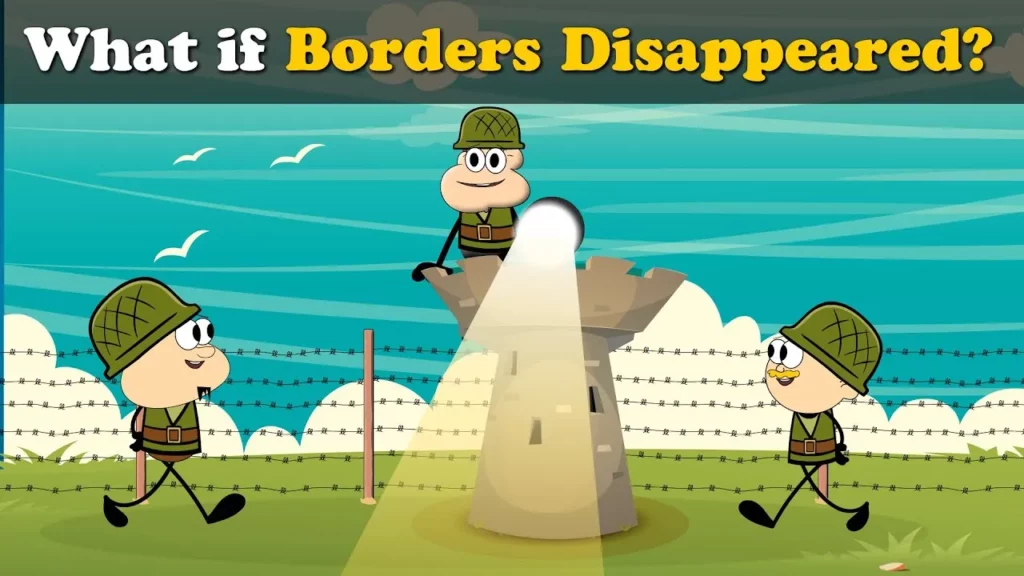
The lesson explores the concept of a world without borders, highlighting the potential benefits such as easier travel, increased trade, and reduced inequality, as well as the possibility of reallocating resources currently spent on border protection. However, it also acknowledges the challenges that could arise, emphasizing the need for careful planning and cooperation to ensure that the advantages are realized while addressing any negative consequences. Ultimately, the idea invites us to envision a more connected global community and the collaborative efforts required to achieve it.
What if Sharks became our Best Friends?
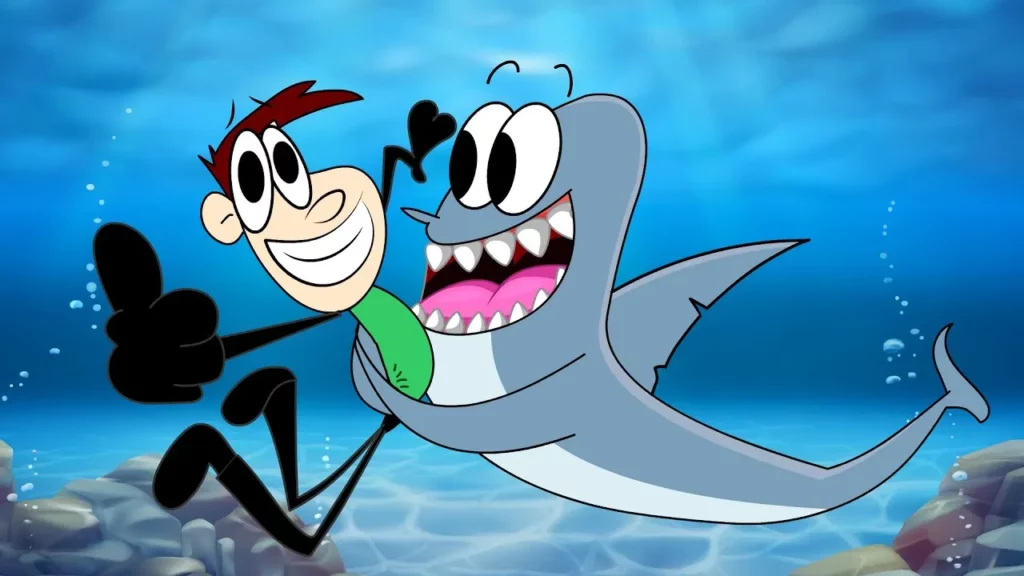
The lesson explores imaginative scenarios involving sharks as friendly companions, the consequences of oceans drying up, and the implications of transparent oceans. It also covers scientific concepts such as why the Atlantic and Pacific Oceans don’t mix, the salinity of ocean water, the addition of fluoride to drinking water, how fish drink, the safety of distilled water, and daily water intake recommendations. Through these topics, the lesson highlights the interconnectedness of marine life, environmental changes, and human health.