
What if Everyone was a Thief?

In this lesson, we explore the hypothetical scenario of a world where everyone is a thief, highlighting the chaos that would ensue, such as overcrowded jails and overwhelmed police forces. People would likely feel unsafe in their homes, leading to increased use of security measures, while costume shops might thrive as individuals attempt to disguise themselves. Ultimately, the lesson emphasizes the importance of honesty and kindness in our interactions with others.
Why do some people Sweat more than others?

The lesson explores various physiological processes related to sweating, body temperature regulation, and skin health. It explains that while sweating is a natural cooling mechanism, some individuals experience excessive sweating due to hyperhidrosis, and discusses how antiperspirants work to manage sweat and odor. Additionally, it touches on related topics such as why some people feel cold constantly and the causes of pimples, highlighting the complex interplay of bodily functions and external factors.
How do Electromagnets Work?
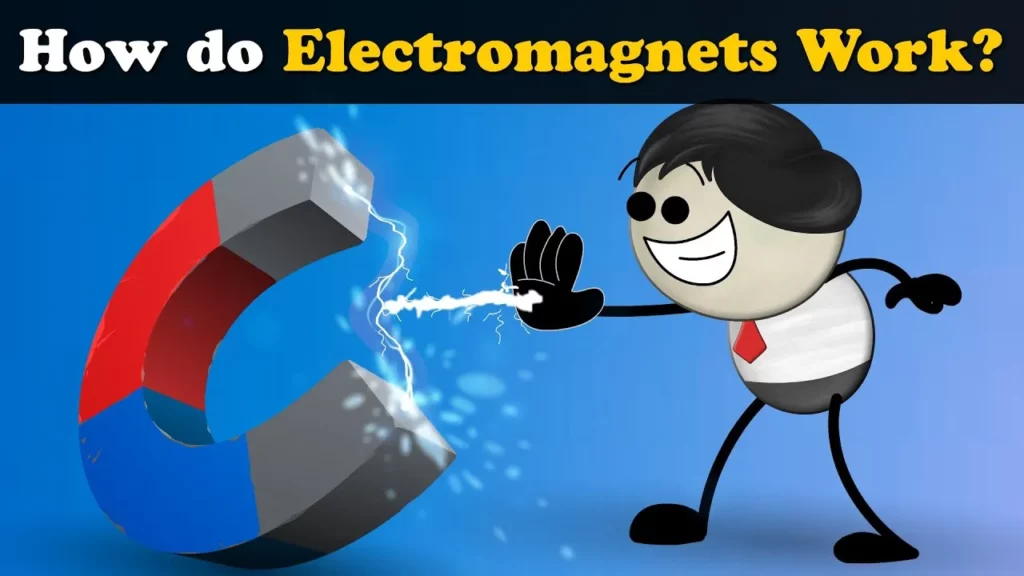
In this lesson, we explored the fascinating world of electromagnets, which are magnets that can be turned on and off using electricity. By wrapping a wire around a piece of metal and allowing an electric current to flow, a magnetic field is generated, transforming the metal into a magnet. Electromagnets are particularly useful because their magnetism is temporary, making them ideal for applications like electric bells and heavy-duty lifting in junkyards.
What if Mumbai Disappeared?

The lesson explores the hypothetical scenario of Mumbai disappearing and its significant implications. It highlights Mumbai’s role as the heart of Bollywood, a culinary paradise, a hub for billionaires, a densely populated city, and India’s financial capital, emphasizing how its absence would impact not only local culture and economy but also have far-reaching effects globally. Ultimately, it illustrates the profound influence a single city can have on various aspects of life.
How does an Airplane Fly?

This lesson explains the four main forces that enable an airplane to fly: lift, drag, weight, and thrust. Lift, created by the wings, allows the airplane to rise, while thrust from the engines propels it forward. For successful flight, thrust must exceed drag, and lift must surpass weight, demonstrating the balance of these forces in aviation.
What if China Disappeared?

The lesson explores the hypothetical scenario of China disappearing and its profound implications on the world. Key points include a significant decrease in global population, the potential loss of cultural heritage such as Kung Fu, disruptions in the global economy and trade, challenges in manufacturing due to reliance on Chinese goods, and fluctuations in metal prices. Ultimately, it emphasizes China’s vital role in shaping global culture and economy.
How do Mirrors Work?
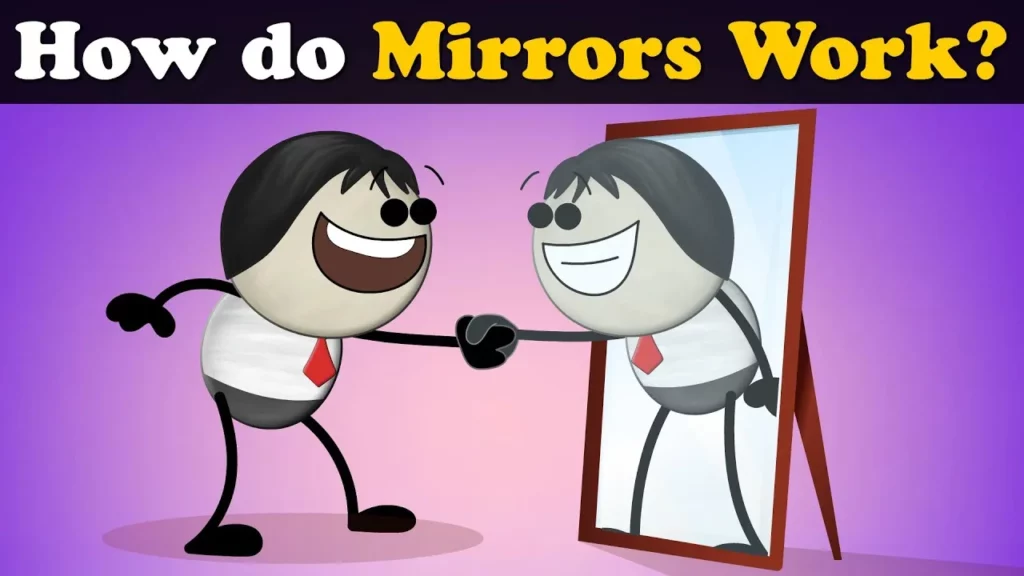
This lesson explains how mirrors work through the concept of reflection and the properties of light. It highlights that mirrors consist of a smooth glass surface backed by a metal layer that reflects all colors of light, allowing us to see clear images. Additionally, it contrasts mirrors with rough surfaces like snow, which scatter light and prevent clear reflections, while also noting that some animals use natural reflective surfaces for camouflage.
What if the Year 2014 Disappeared?

The lesson explores the hypothetical scenario of a year, specifically 2014, disappearing and the significant events that would be lost as a result. Key highlights include Germany’s FIFA World Cup victory, the Winter Olympics in Russia, the Rosetta spacecraft landing on a comet, the opening of One World Trade Center, and India’s successful cryogenic rocket launch. Ultimately, the lesson emphasizes the importance of each year in shaping history and preserving collective memories.
How does an Electric Fuse Work?
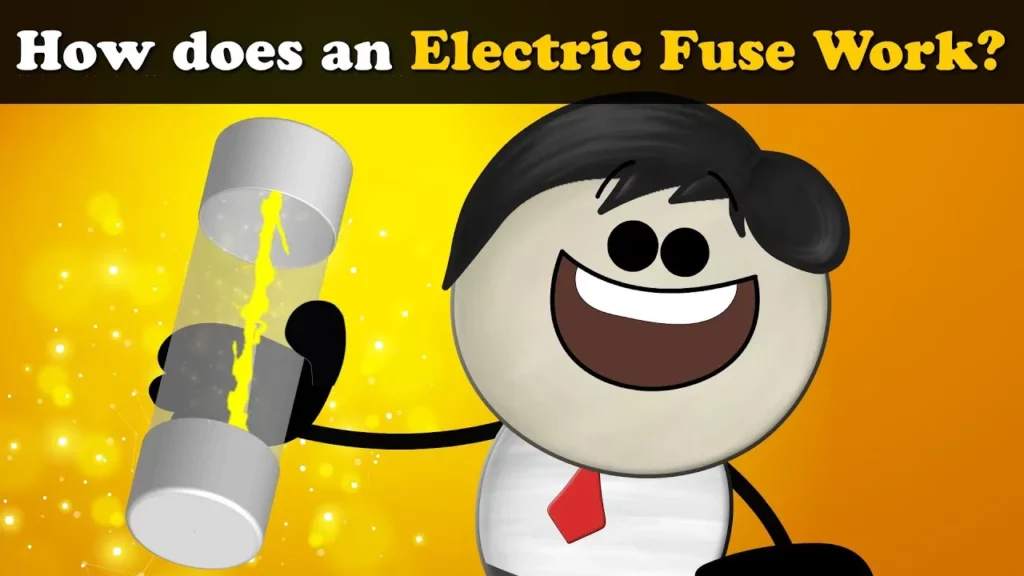
An electric fuse is a crucial safety device that protects electrical appliances by preventing short circuits and damage from excessive electricity flow. It contains a metal strip that heats up due to resistance; if the current exceeds safe levels, the strip melts, breaking the circuit and stopping the electricity. This mechanism is essential for maintaining safety in homes and preventing potential hazards like overheating and fires.
How does a 3D Printer Work?
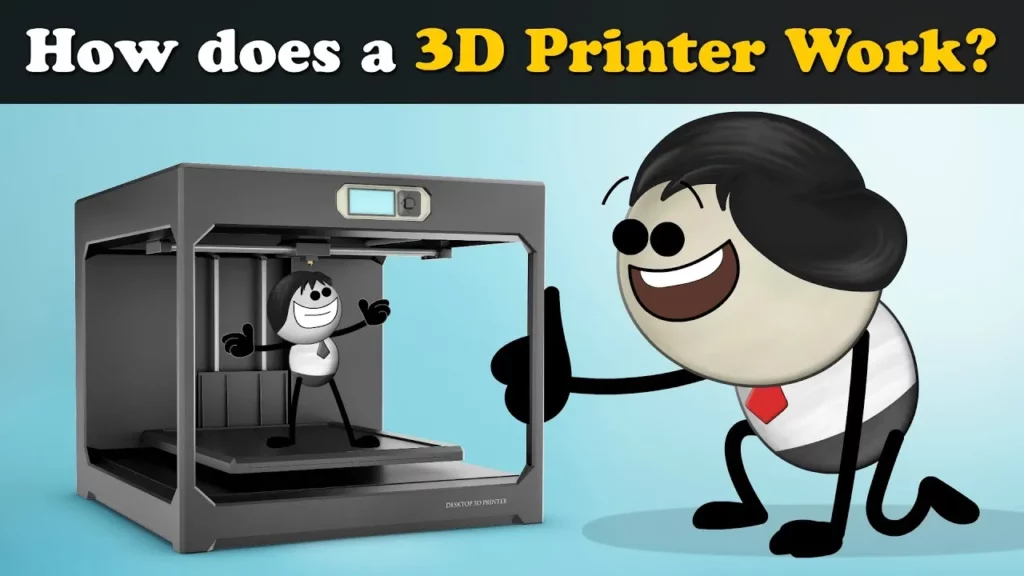
This lesson explains the fascinating process of 3D printing, which utilizes a method called fused deposition modeling to create objects layer by layer from a 3D CAD drawing. Instead of ink, a 3D printer uses molten plastic, which is carefully applied and bonded to form a solid structure. The lesson highlights the versatility of 3D printing, showcasing its ability to produce a wide range of items, making it a revolutionary technology in manufacturing and design.