
Why is Ice Slippery?
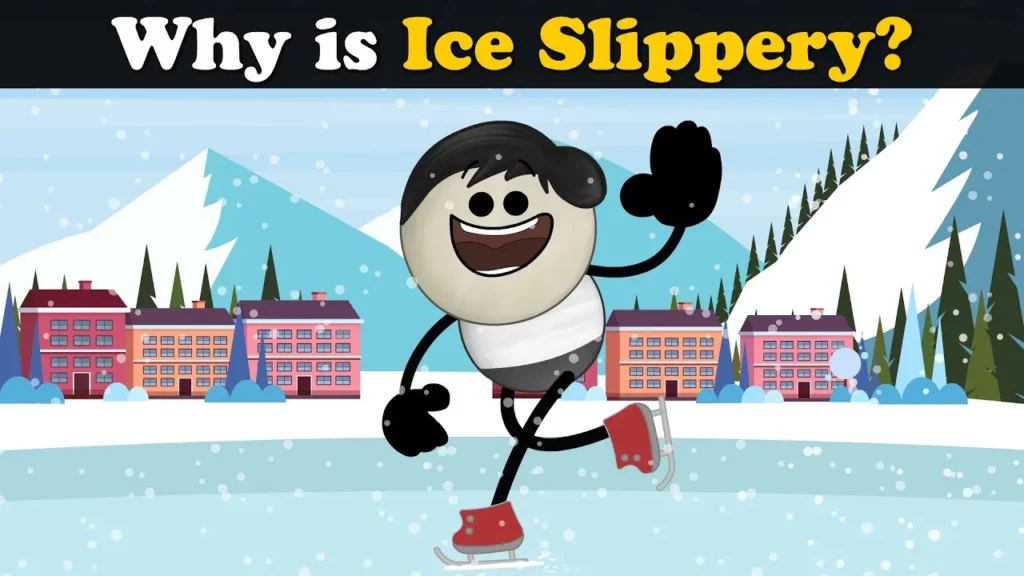
The lesson explains the science behind why ice is slippery, revealing that instead of simply creating a layer of liquid water when stepped on, the surface of ice consists of a mix of ice, water, and tiny bits of crushed ice. This unique combination forms a super thin, viscous film that allows for smooth gliding, which is particularly beneficial for ice skaters performing spins and jumps.
Living and Nonliving Things
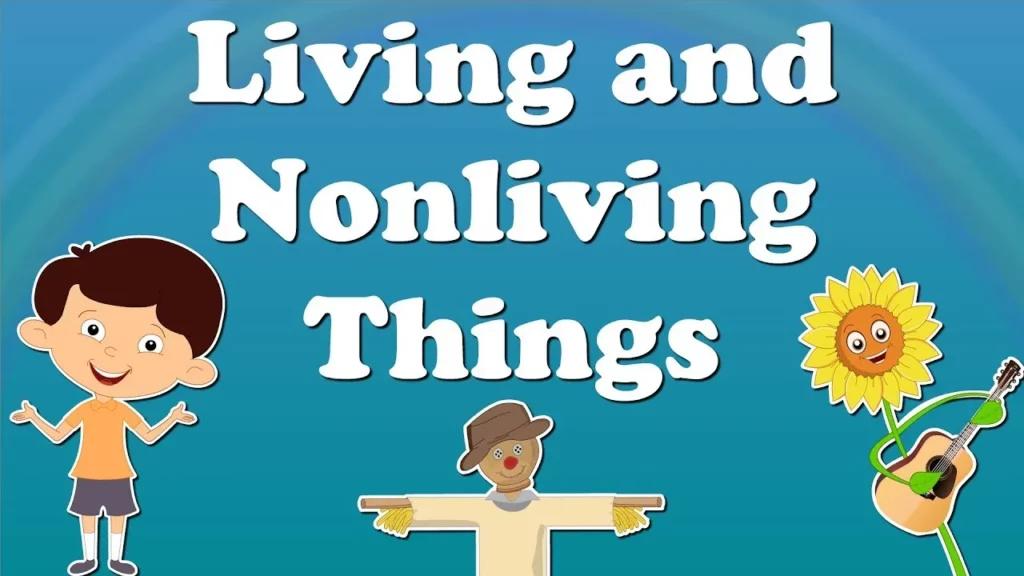
In today’s lesson, we explored the differences between living and nonliving things. Living things, such as people, animals, and plants, can grow, move, breathe, and feel emotions, while nonliving things, like rocks and water, do not possess these characteristics and cannot change or feel. We also learned that nonliving things can be essential for the survival of living things, highlighting their interconnectedness in our environment.
Why do Corpse flowers smell so Bad?
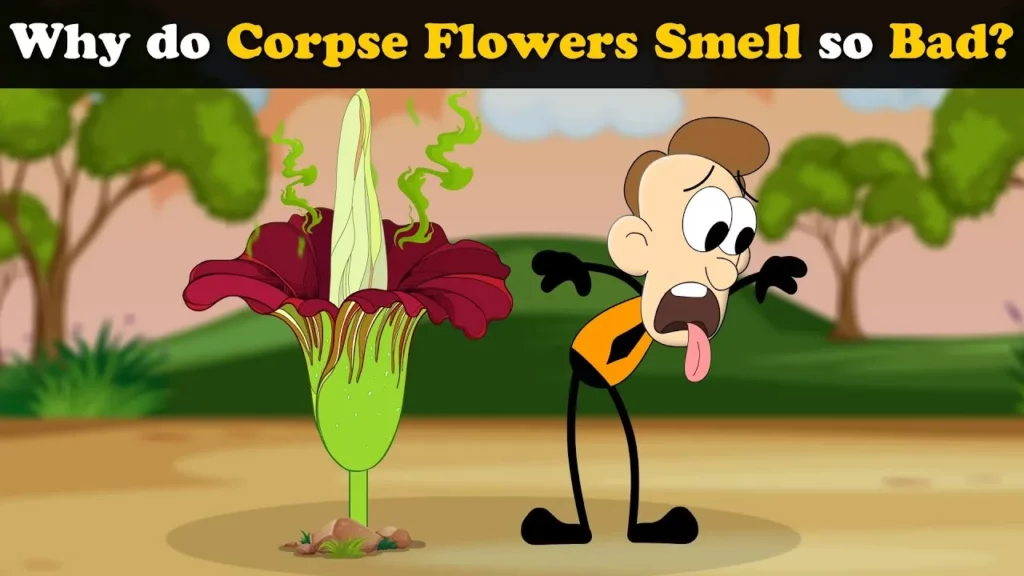
The Corpse flower is notorious for its foul odor, which mimics the scent of decaying flesh to attract specific pollinators like flesh flies and dung beetles. This unique plant employs three strategies—its dark burgundy color, strong smell, and ability to generate warmth—to entice these insects, tricking them into visiting. Although the insects leave disappointed, they inadvertently assist in the flower’s pollination, ensuring its survival and reproduction.
What if Earth’s Temperature dropped below Zero?
The lesson explores various hypothetical scenarios regarding Earth’s environment and conditions, such as a sudden drop in temperature, the cooling of the Earth’s core, and the implications of digging a hole through the planet. It also discusses the potential effects of magnetic pole flips, the concept of a space elevator, and the consequences of losing nitrogen from the atmosphere. Additionally, it touches on practical topics like food safety with leftovers and the feasibility of covering the Sahara Desert with solar panels for renewable energy.
A Transparent Ocean: What If?
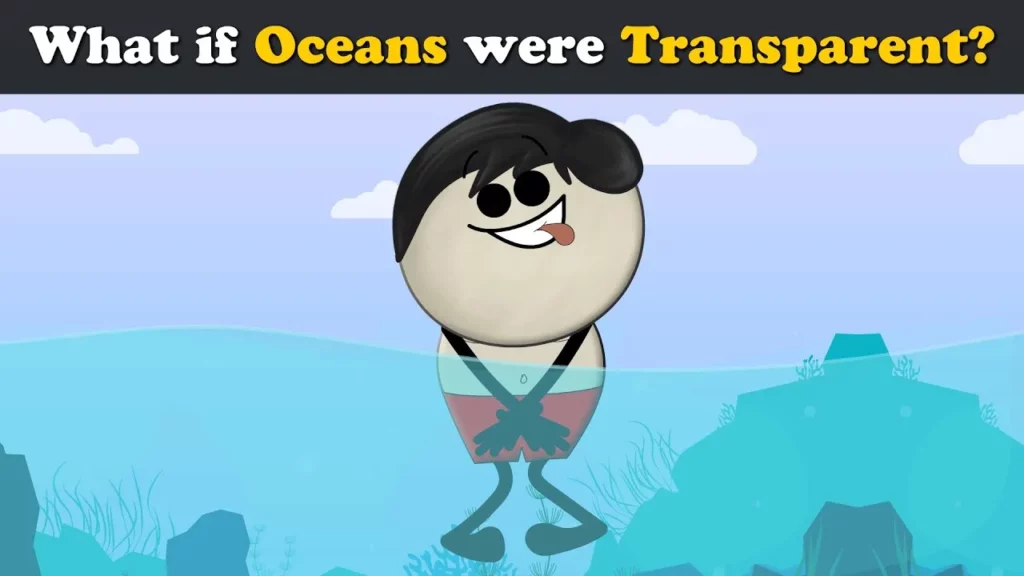
The lesson “A Transparent Ocean: What If?” explores the potential consequences of oceans becoming transparent, highlighting significant changes in marine life, human activities, and environmental conditions. Submarines would struggle to remain hidden, predators would have an easier time locating prey, and increased sunlight could raise ocean temperatures, affecting marine ecosystems. Additionally, the visibility of both treasures and pollution on the ocean floor would serve as a reminder of the need for better ocean conservation efforts.
What if our Eyes became Huge in Size?
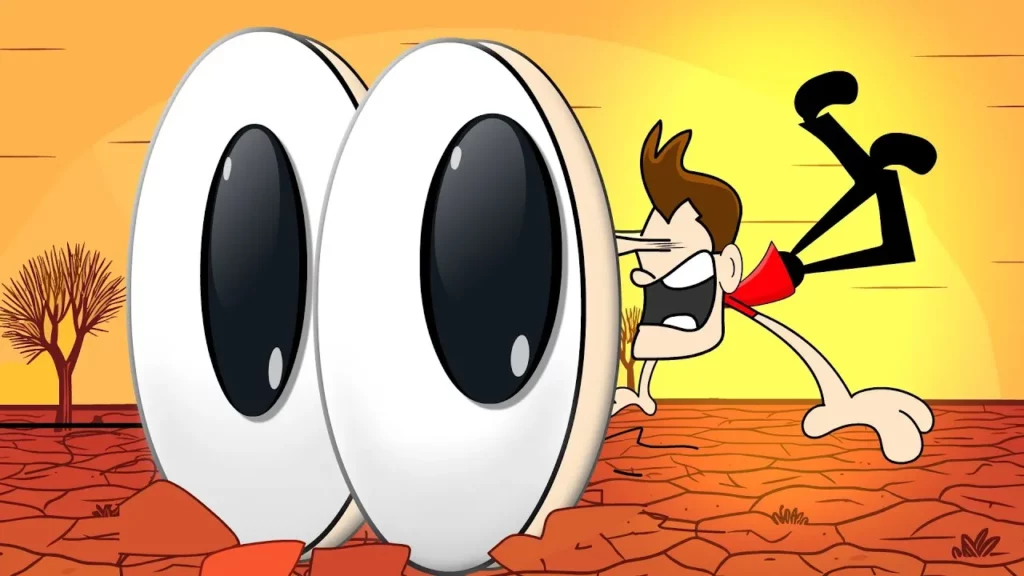
The lesson explores various intriguing aspects of eye health and anatomy, beginning with a whimsical scenario of what life would be like if our eyes were enormous. It then delves into practical topics such as the causes of styes, dry eyes, and the effects of rubbing our eyes, as well as the genetics behind eye color and the reasons pirates wore eye patches. Additionally, it explains phenomena like why some animals’ eyes glow in the dark, the causes of red eyes in swimming pools, and the nature of eye floaters.
Can we Burp in Space?
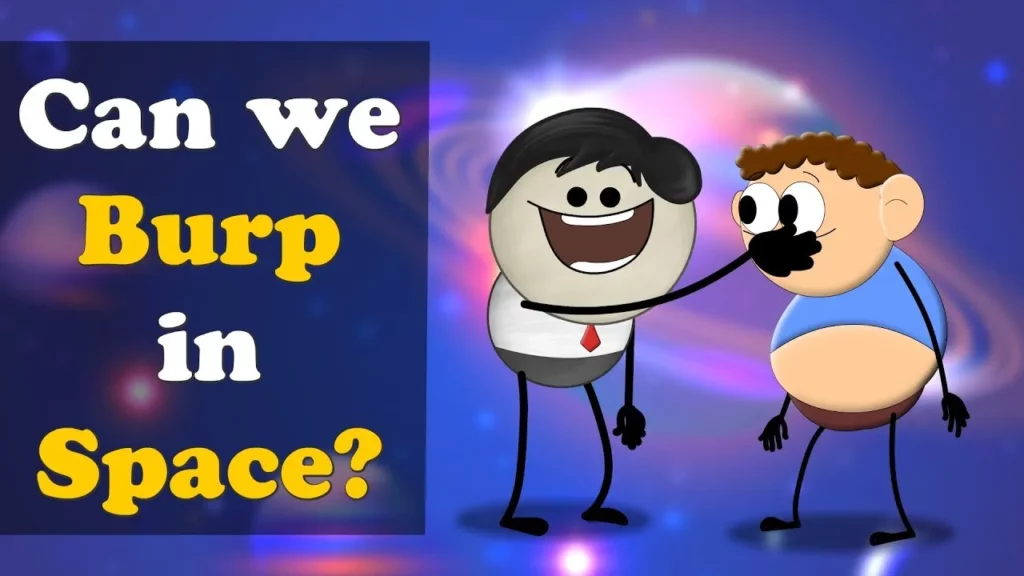
The lesson explores various intriguing scientific concepts, including the challenges of burping in space due to the absence of gravity, the role of the inner ear in maintaining balance, how caffeine in coffee keeps us awake by blocking adenosine, the formation of Saturn’s rings through gravitational forces, and the process of scar formation as the skin heals. Each topic highlights the fascinating ways our bodies and the universe function, encouraging curiosity about science.
How does a Lie Detector Test Work?
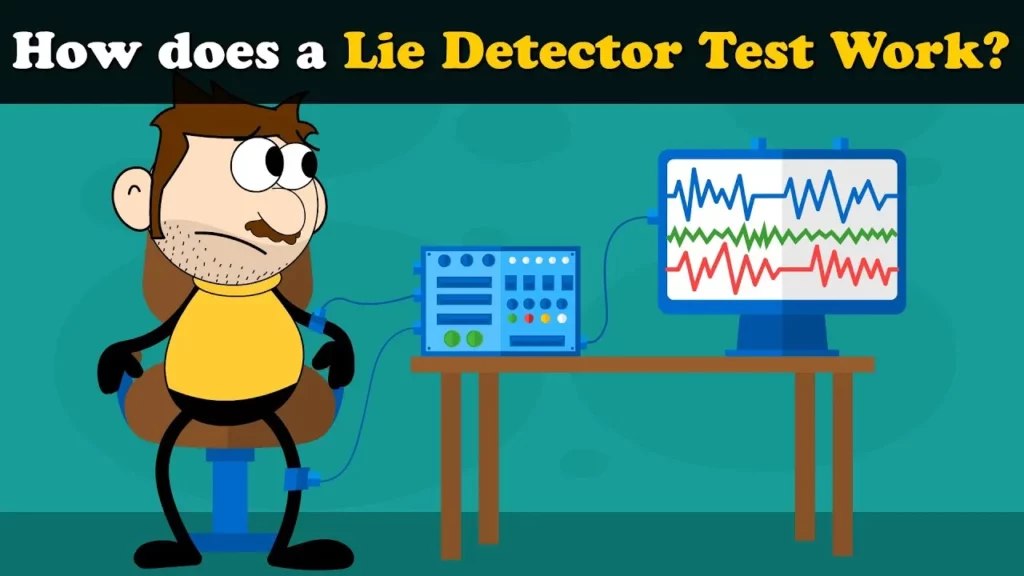
This lesson explores the functioning of lie detector tests, specifically focusing on polygraph machines that measure physiological responses such as breathing rate, pulse, and blood pressure to determine truthfulness. During the test, sensors monitor these vital signs while the examiner asks questions, and any significant changes in responses may indicate deception. However, the accuracy of lie detector tests can vary, and they are not always admissible as evidence in court.
Why do Astronauts Float in the Space Station?
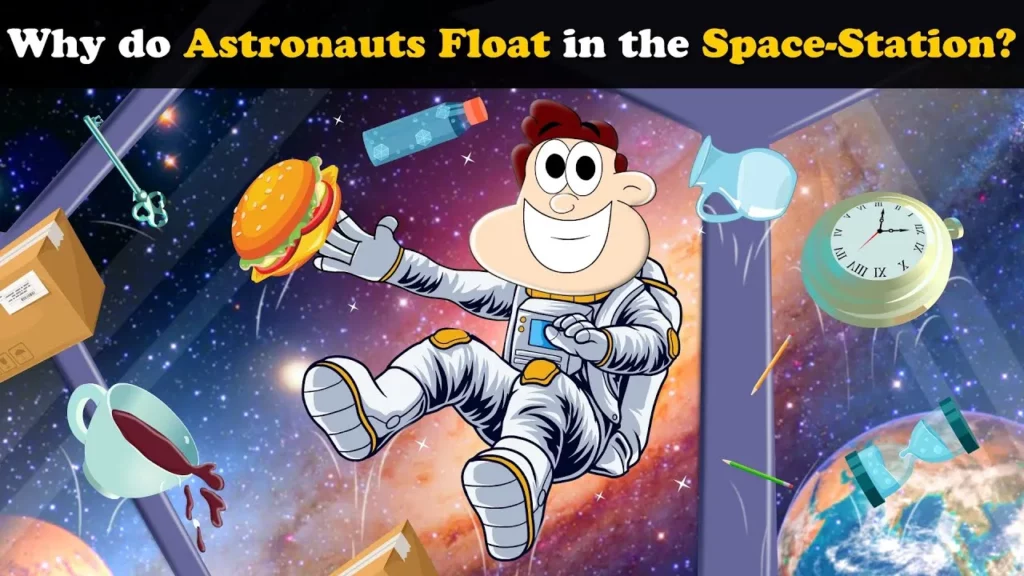
Astronauts float in the space station due to a phenomenon called “free fall,” where both they and the station are continuously falling towards Earth while moving at a speed that allows them to maintain orbit. This creates the sensation of weightlessness, as everything inside the station is falling together without the resistance of air. Essentially, they are not defying gravity; they are in a constant state of free fall around our planet.
Why can’t Birds Fly in Space?
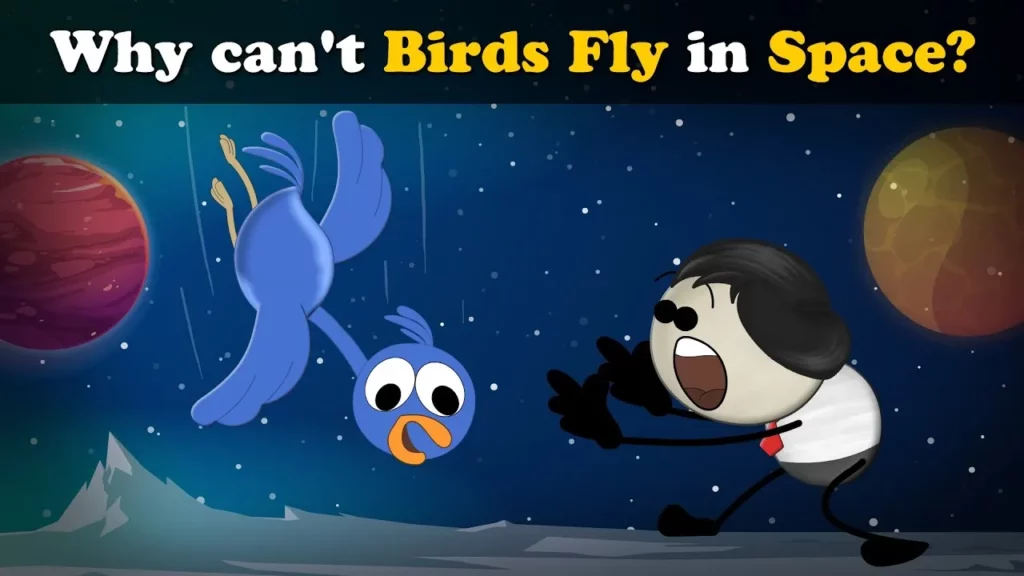
The lesson explains why birds cannot fly in space, highlighting that their ability to soar relies on the presence of air and the principles of lift, which are absent in the vacuum of space. Additionally, it discusses the challenges birds would face in microgravity, such as difficulty swallowing food, emphasizing that while birds thrive in Earth’s atmosphere, space presents insurmountable obstacles for them.