
Are Dolphins Smart?
The lesson explores various fascinating topics, starting with the intelligence of dolphins, which exhibit complex social behaviors, echolocation, and self-awareness. It also covers how vaccines work by training the immune system to recognize and combat germs, the science behind the popping sensation of Pop Rocks candy, the reasons for the red hues of sunsets due to light scattering, and the practicality of using black umbrellas in summer for cooling.
What if Dogs played Basketball?

In this imaginative lesson, we explore the whimsical idea of dogs playing basketball, highlighting how different breeds might contribute to the game in unique ways. Taller dogs could excel at scoring, while shorter, faster dogs might use their speed to support their teams, and all dogs would celebrate victories with tasty treats instead of trophies. The lesson emphasizes the joy and excitement that such a playful scenario would bring, showcasing the fun dynamics of canine basketball.
Is Expired Food Safe to eat?
The lesson discusses the importance of understanding food expiration dates, specifically the differences between Sell-By, Best-By, and Use-By dates, with a focus on the Use-By date as the expiration marker. It highlights the potential risks of consuming expired food, including decreased nutritional value, the growth of harmful bacteria, and concerns with canned goods, while also encouraging the use of sensory checks to assess food safety. Ultimately, the lesson emphasizes the significance of being mindful of expiration dates to ensure health and safety when consuming food.
Why does Water Dance on a Hot Pan?
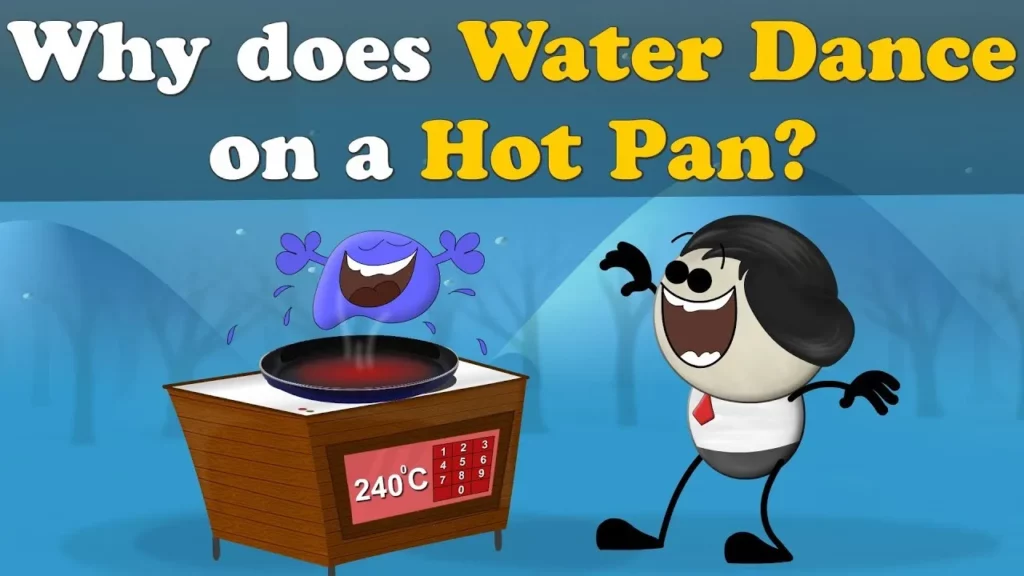
This lesson explores various scientific phenomena, starting with the Leidenfrost effect, which explains why water droplets appear to dance on a hot pan due to vapor formation beneath them. It also covers buoyancy in the Dead Sea, the formation of kidney stones, the cooling function of elephants’ large ears, and the effects of spicy food on the body, highlighting that individual tolerance to spice varies. Overall, the lesson illustrates how everyday observations can be explained through scientific principles.
What if we Only eat Spicy Food?

This lesson explores the effects of exclusively consuming spicy food, highlighting both its benefits and drawbacks. While spicy foods can enhance flavor, aid in weight management, and provide health benefits due to capsaicin, excessive consumption may lead to issues like reduced taste sensitivity, acid reflux, and digestive problems. The key takeaway is to enjoy spicy foods in moderation to reap their advantages while minimizing potential negative effects.
What if we Grow a Tail?
In this lesson, we explore the imaginative concept of humans growing tails and the various ways it could impact our lives. From enhancing our daily tasks and gymnastic abilities to influencing fashion and personal grooming, the idea of having a tail opens up a world of fun possibilities and creative thinking. Ultimately, it encourages us to consider how such a change could transform our interactions with the world around us.
What if Mountains started Walking?
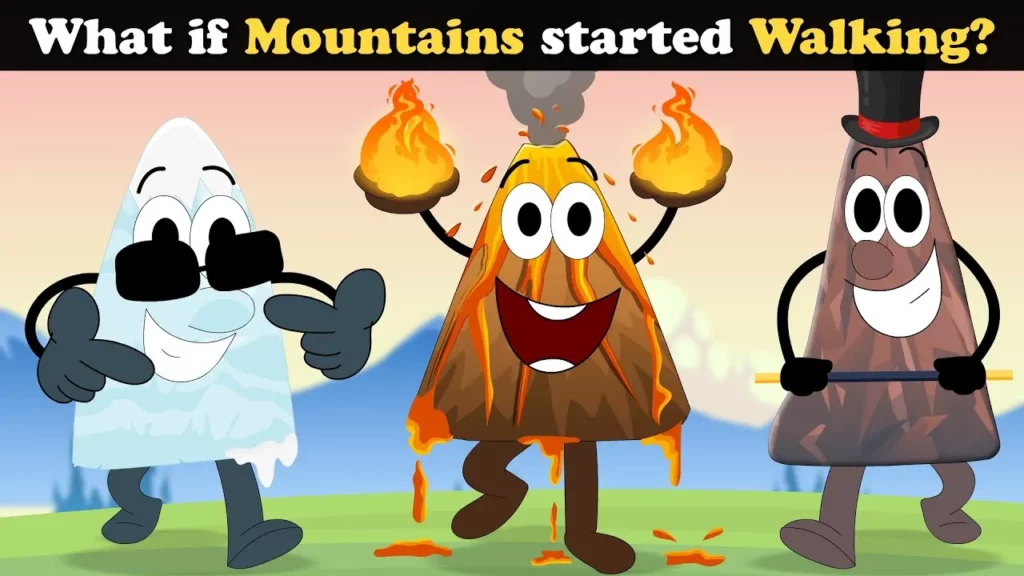
In this lesson, we explore the imaginative concept of mountains that can walk, considering the various impacts such a phenomenon would have on the environment and human life. From shaking cities and surprising relocations to changing rivers and new tourist attractions, the idea highlights the significance of mountains and their stability in our world. Ultimately, while walking mountains are a whimsical thought, they serve as a reminder of the vital role mountains play in shaping our landscapes and experiences.
What if Sun became Black in Color?
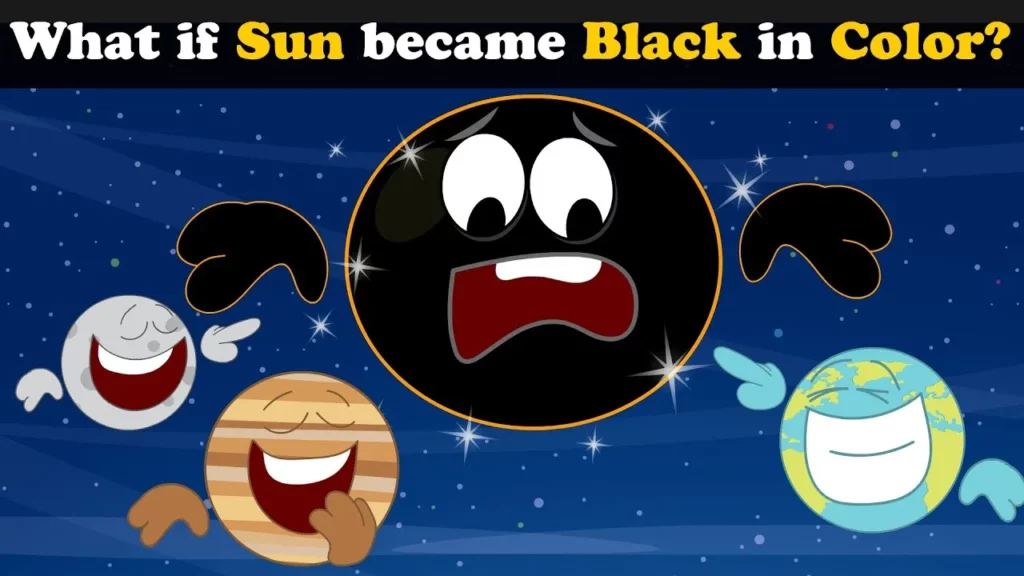
The lesson explores the hypothetical scenario of the Sun turning black, highlighting the profound effects this would have on Earth and the solar system. Without the Sun’s light, darkness would envelop the planet, leading to increased electricity usage and a transformed appearance of the Moon. Additionally, the gravitational pull of the Sun would diminish, potentially causing planets to drift away and even resulting in cosmic collisions, while Halley’s Comet might alter its trajectory. Ultimately, the lesson emphasizes that such a change is purely imaginative, as the Sun is not expected to change color.
What if all Spiders Disappeared?
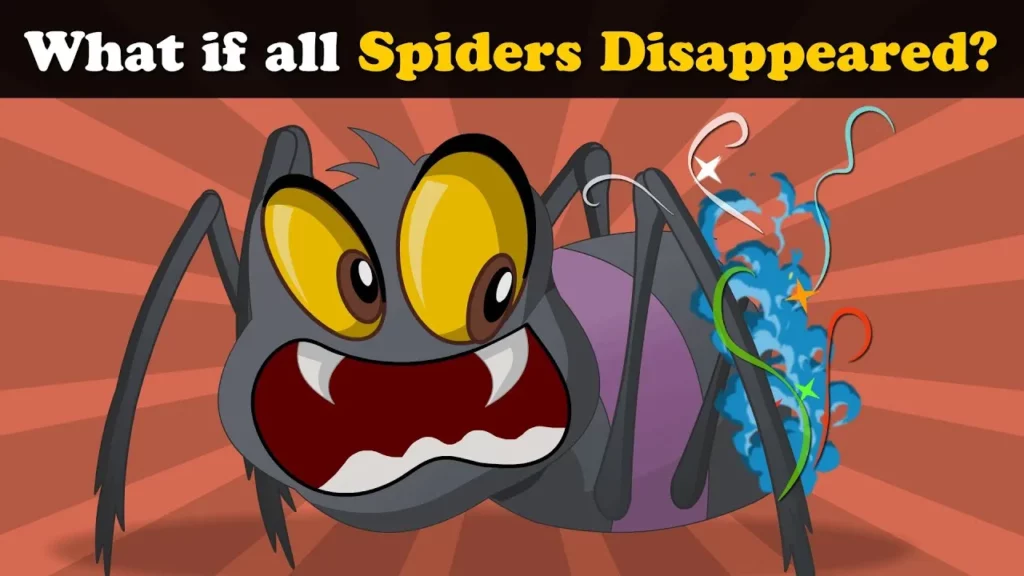
The lesson explores the ecological and cultural impacts of the hypothetical disappearance of various species, including spiders, dinosaurs, humans, snakes, and cats. It highlights how these creatures play crucial roles in maintaining ecological balance, contributing to medical research, and influencing popular culture. The absence of these species would lead to significant changes in ecosystems, potential food shortages, and shifts in entertainment narratives, illustrating the interconnectedness of life on Earth.
What if Paris Disappeared?
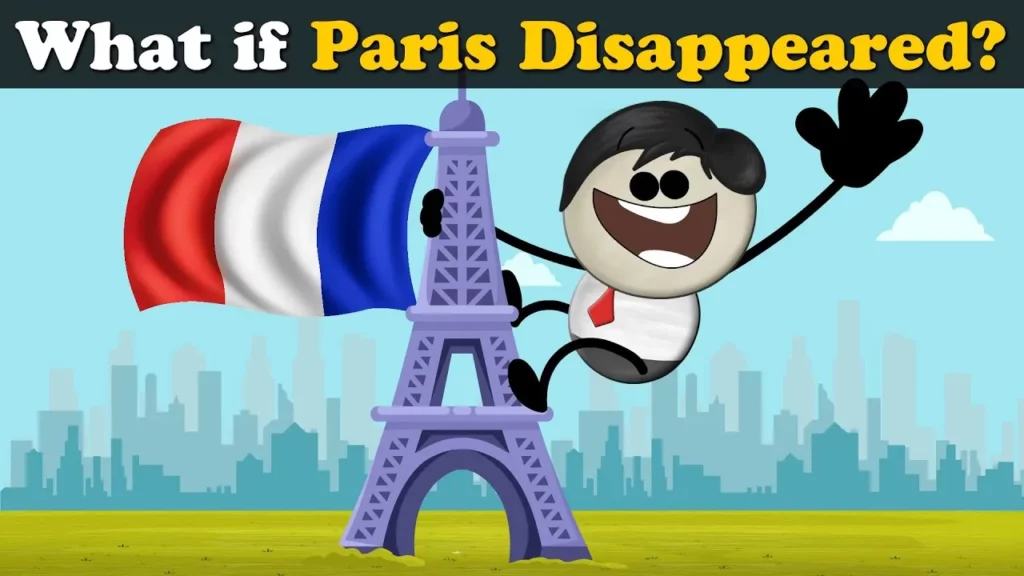
The lesson explores the hypothetical scenario of Paris disappearing and its far-reaching consequences. It highlights the city’s significance as a fashion capital, a major tourist destination, and an economic powerhouse for France, emphasizing the cultural loss of landmarks like the Eiffel Tower and the Louvre Museum. Ultimately, the lesson illustrates how integral Paris is to global culture and economy, making its absence difficult to fathom.