
What if Humans were Cold-Blooded?
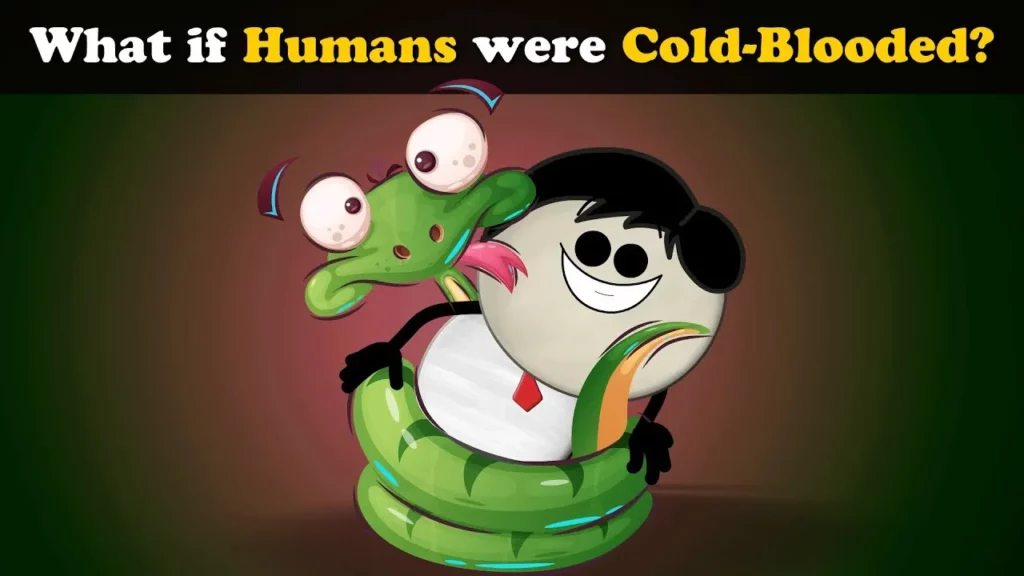
The lesson explores the hypothetical scenario of humans being cold-blooded, highlighting the significant changes this would bring to our daily lives. Key differences include the need for sunbathing to regulate body temperature, challenges in adapting to various climates affecting travel and tourism, altered eating habits due to reduced energy needs, and potential health benefits from lower infection risks. Overall, it emphasizes how our lifestyles would dramatically shift in a cold-blooded existence.
What If: Life Underground
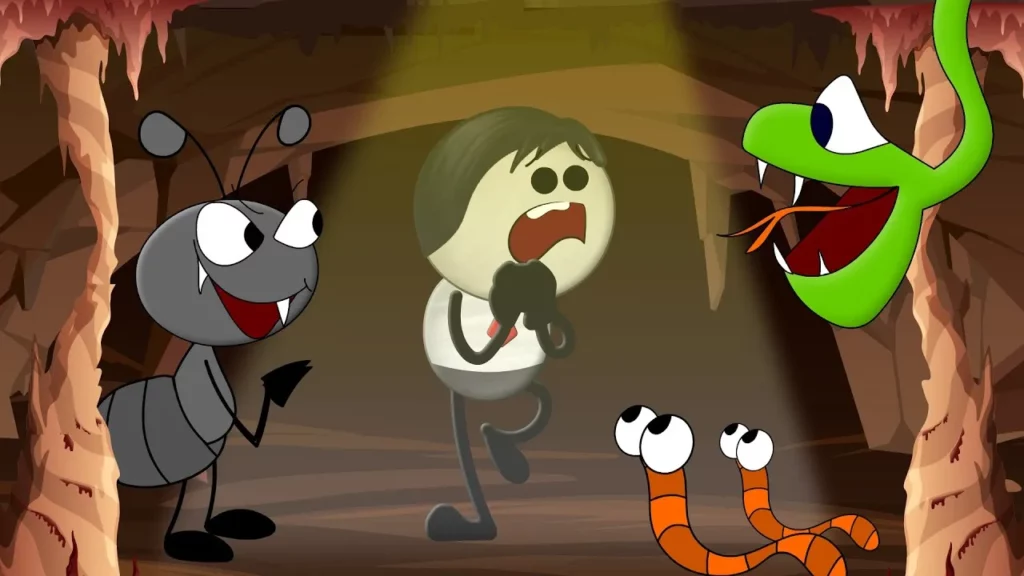
The lesson “What If: Life Underground” explores the intriguing concept of living beneath the Earth’s surface, highlighting both the potential benefits and challenges. While moving underground could lead to a greener surface environment and the discovery of new species, it would also mean sacrificing sunlight and fresh air, facing water and earthquake hazards, and coexisting with underground animals. Ultimately, the lesson encourages reflection on the feasibility and desirability of such a lifestyle change.
Is Butter Coffee healthy?
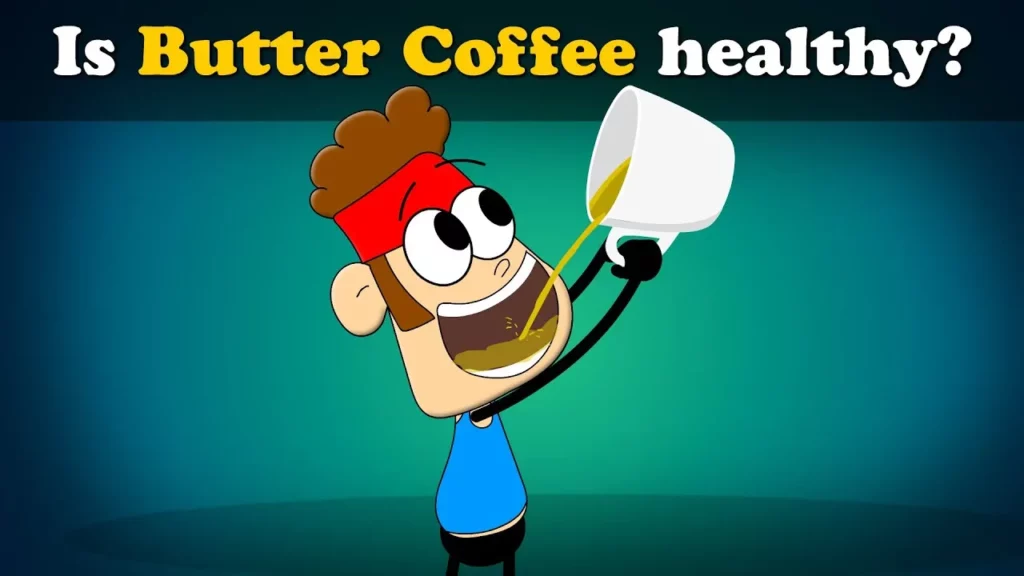
Butter coffee, a blend of brewed coffee and butter, has been enjoyed in high-altitude regions like the Himalayas for its potential benefits, including providing an energy boost, promoting ketosis, and helping to curb appetite due to its high-fat content. While it can be a tasty and energizing option, moderation is essential to avoid excessive calorie intake and ensure it fits within a balanced diet. Overall, butter coffee can be a unique addition to your beverage choices if consumed responsibly.
What if we were Made of Steel?
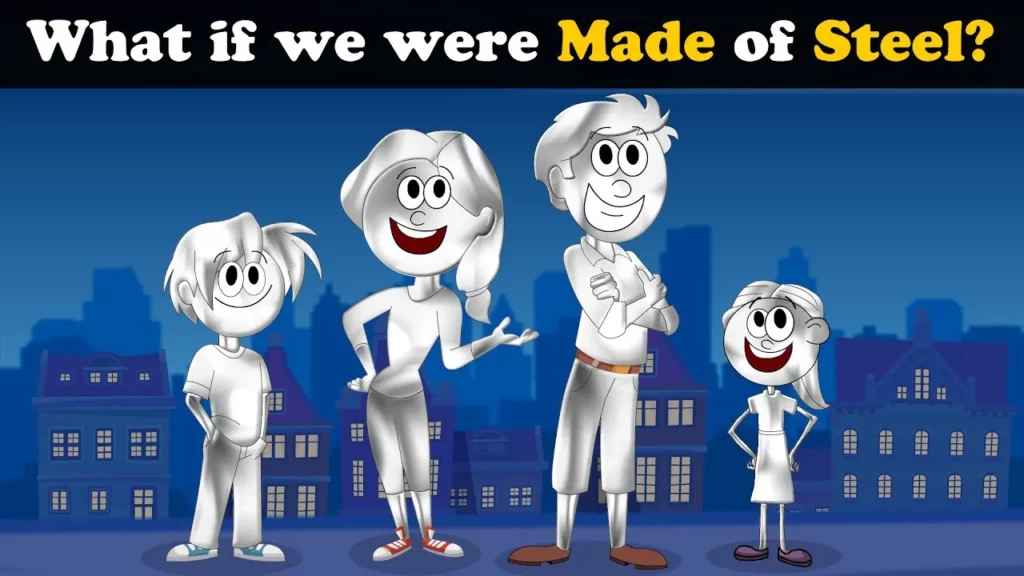
In this lesson, we explore the imaginative concept of what life would be like if humans were made of steel. The discussion highlights the advantages of being strong and fearless, the implications for superheroes and villains, and the potential challenges for bodybuilders and law enforcement. Ultimately, while steel bodies might reduce the need for medical visits due to fewer injuries, the importance of health care remains significant.
What makes tattoos permanent?
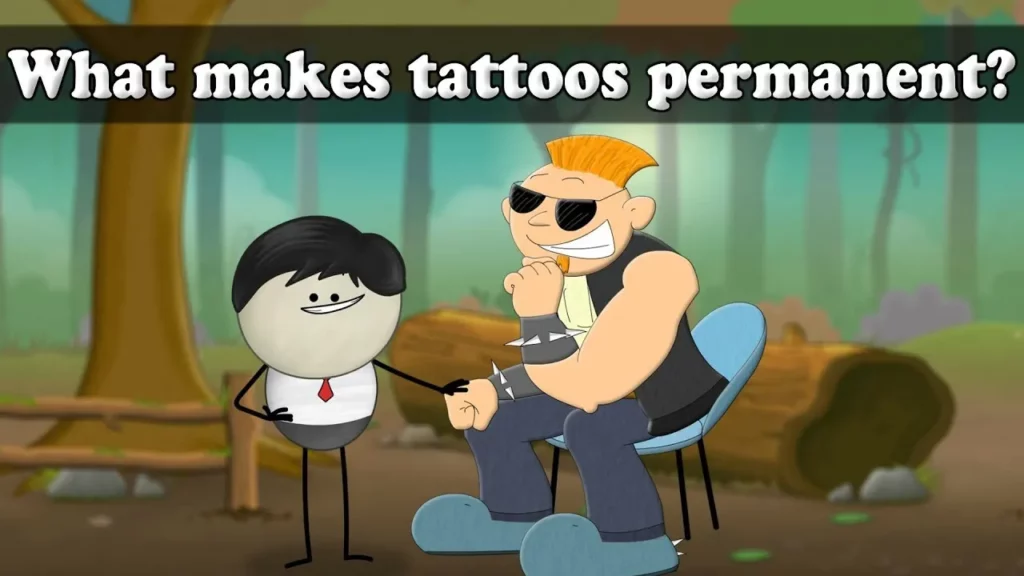
Tattoos are permanent because they are applied to the dermis, the second layer of skin that does not shed like the outer epidermis. When the tattoo needles create tiny wounds, the immune system responds by sending macrophages to absorb ink particles and fibroblasts to hold onto larger particles, ensuring the ink remains embedded in the skin. This combination of skin structure and immune response is what allows tattoos to last over time.
Magnetism
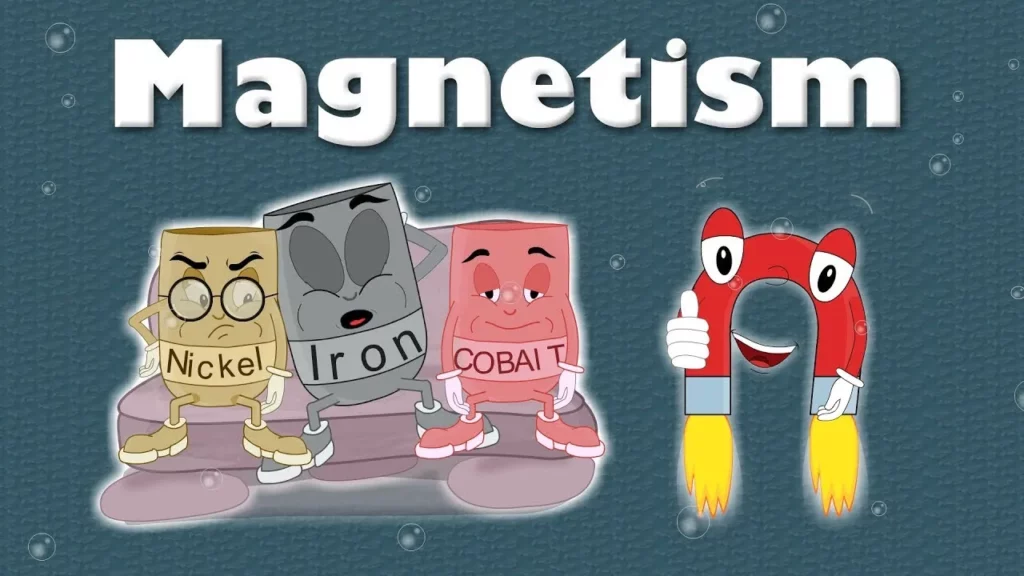
This lesson introduces the concept of magnetism, explaining how magnets can attract certain metals like nickel, iron, and cobalt through a magnetic field. It highlights the two poles of a magnet—North and South—and their interactions, as well as how the Earth functions as a giant magnet with its own magnetic field, which is utilized in compasses for navigation. Overall, the lesson emphasizes the fascinating properties of magnets and their importance in understanding our world.
Is Sugar bad for you?
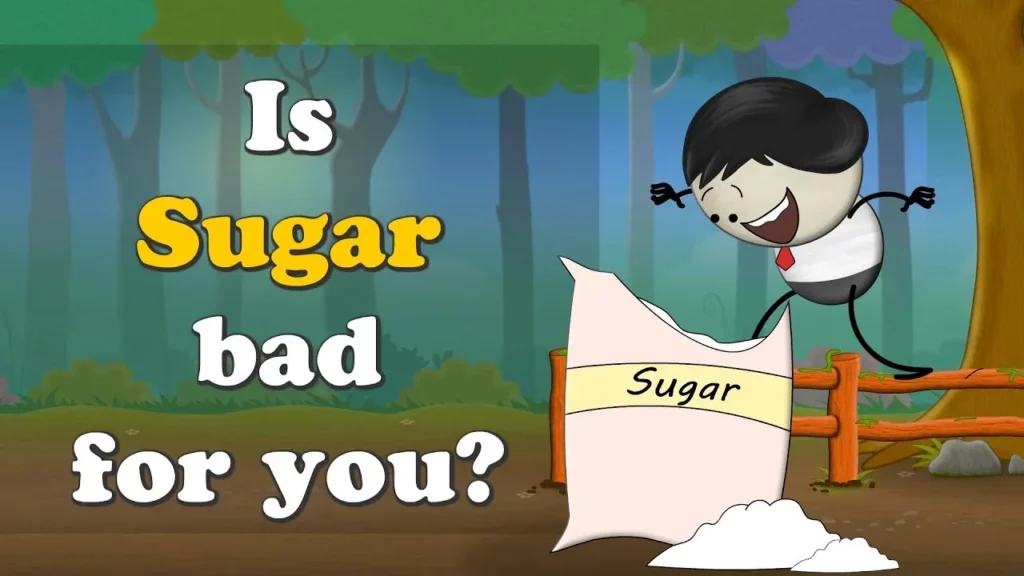
The lesson covers various topics related to health and science, including the effects of sugar on the body, the causes of dandruff, the resilience of tardigrades, muscle soreness from exercise, and the pH indicator properties of turmeric. It highlights that while sugar can lead to health issues when consumed excessively, dandruff is linked to a yeast that causes inflammation on the scalp. Additionally, it explains the unique survival abilities of tardigrades, the physiological reasons behind muscle soreness, and the color-changing properties of turmeric based on pH levels.
Why do mosquitoes bite only some people?
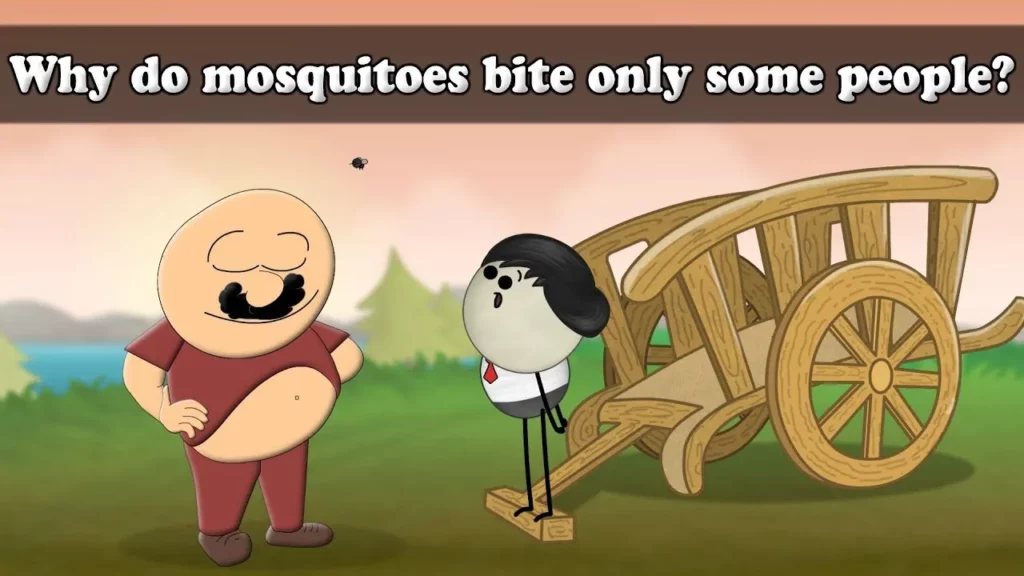
This lesson explores the reasons why mosquitoes tend to bite certain individuals more than others, highlighting factors such as body odor, blood type, and physical activity. It explains that unique body odors produced by skin bacteria can attract mosquitoes, with those having Type O blood being particularly favored. Additionally, exercising increases the likelihood of bites due to the higher production of carbon dioxide, heat, and sweat, which are appealing to these insects. Tips for avoiding mosquito bites are also provided, including wearing light-colored clothing and using insect repellent.
Why don’t we get crushed by atmospheric pressure?
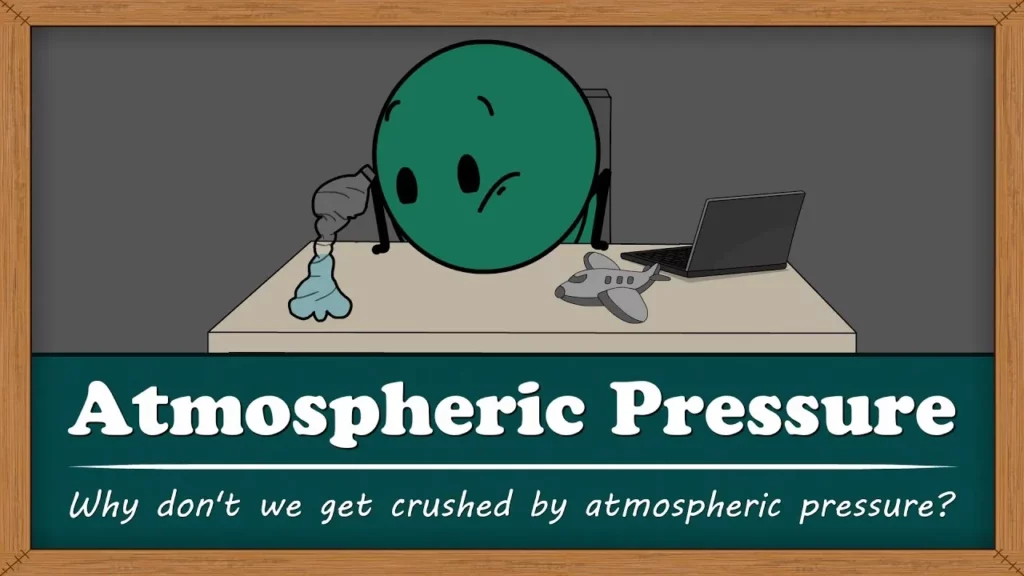
The lesson explains the concept of atmospheric pressure and how it affects our bodies and everyday objects. It highlights the balance between the pressure inside our bodies and the atmospheric pressure outside, which prevents us from feeling crushed despite the significant force exerted by the atmosphere. Real-life examples, such as the crushing of a water bottle during a flight, illustrate the effects of changing atmospheric pressure and reinforce the idea that our bodies are equipped to handle this pressure.
Is spicy food bad for you?
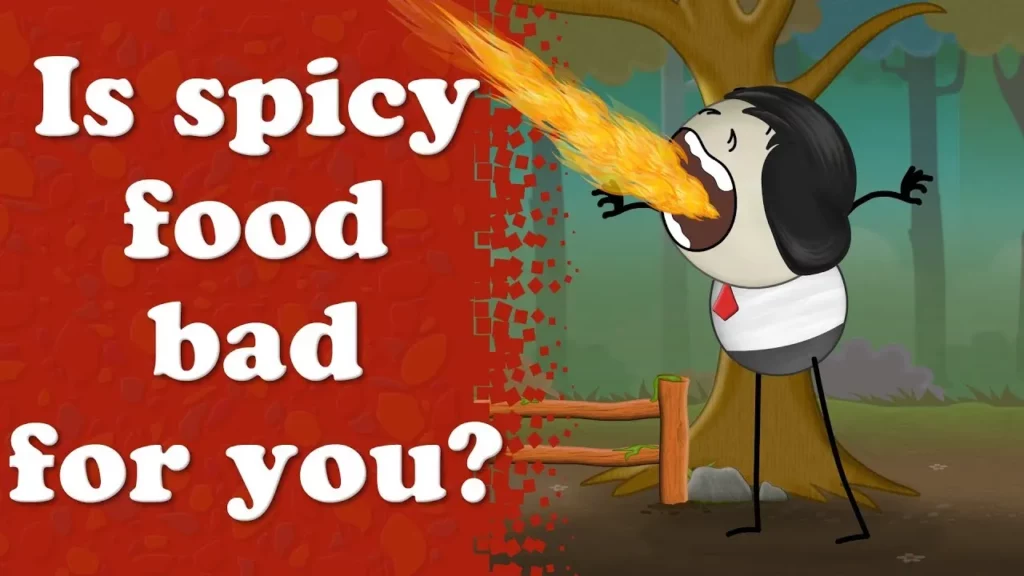
In this lesson, we explored the effects of spicy food on the body, focusing on the role of capsaicin, the compound that gives chili peppers their heat. While spicy food can cause discomfort for those unaccustomed to it, it is generally not harmful and may even offer health benefits such as boosting metabolism and improving heart health. Enjoying spicy food in moderation and gradually increasing spice levels can help individuals safely experience its flavors.