
What if Lions Ruled the World?
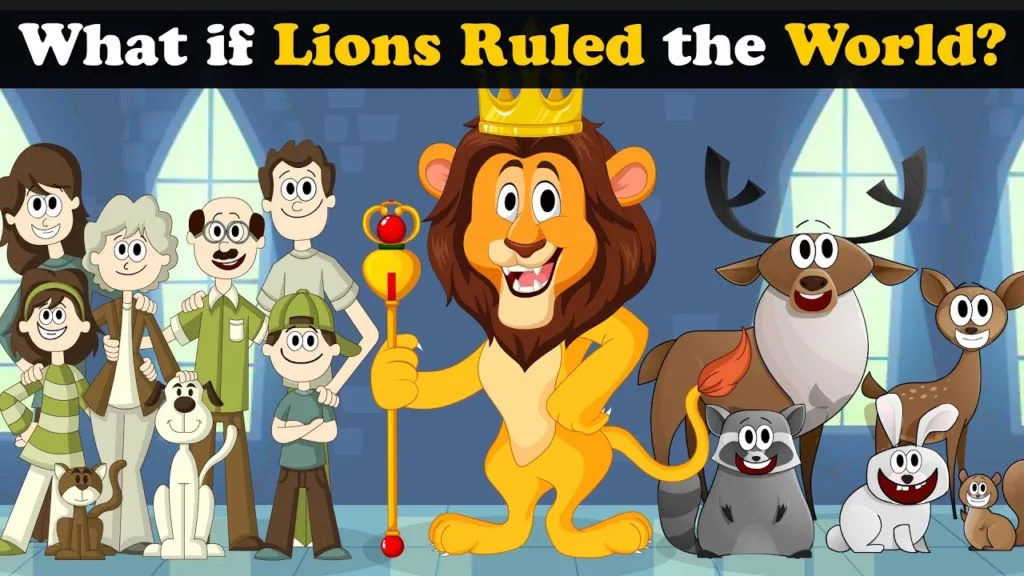
In this imaginative lesson, students explore a whimsical world where lions are the rulers, leading to fun and quirky changes in society. From everyone growing long hair to resemble lions, to learning how to roar and keeping busy salons, the lesson highlights how human behaviors and lifestyles might adapt to accommodate these majestic creatures. Additionally, it touches on the challenges of entertaining lions and the unique demands placed on dentists, creating a playful vision of a lion-led world.
Are you Afraid of Heights?
The lesson covers various scientific topics, including the distinction between vertigo and a fear of heights, the bioluminescence of fireflies, the preservation properties of honey, the process of fracking for fossil fuels, and the effectiveness of oxalic acid in removing rust stains. Each section explains the underlying mechanisms and processes, such as how vertigo occurs due to inner ear disturbances, how fireflies produce light through chemical reactions, and how honey’s low water content prevents spoilage. Overall, the lesson highlights fascinating natural phenomena and scientific principles.
What if Pangea Never Broke Apart?
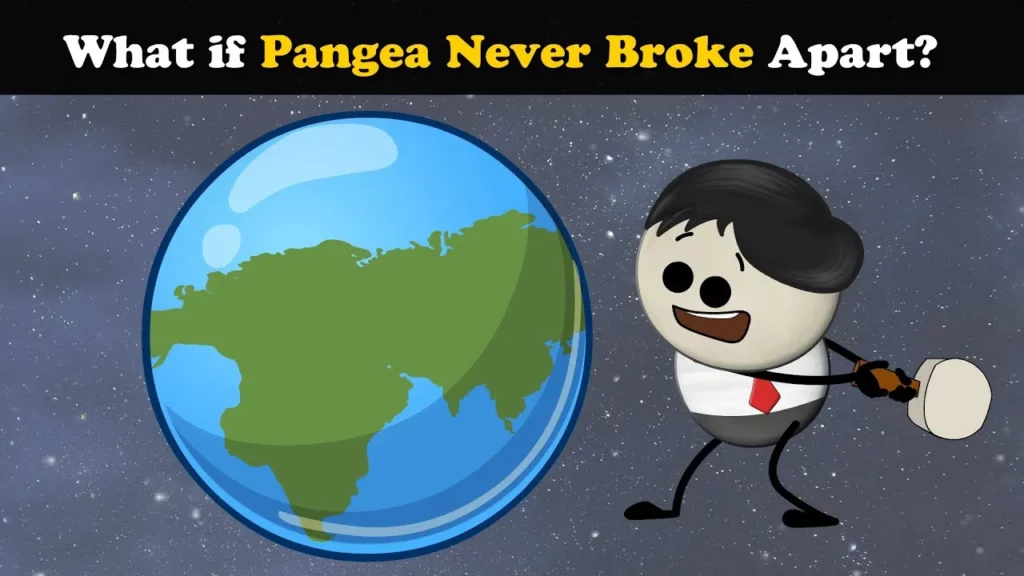
The lesson explores the hypothetical scenario of Pangea remaining intact, highlighting how this would significantly impact biodiversity, climate, and transportation. Without the separation of continents, the unique evolution of species would be limited, resulting in less diversity of life. Additionally, the climate would feature extreme conditions in the interior, while coastal areas would thrive, and transportation would shift from ocean routes to land travel, creating vast beaches for recreation. Ultimately, the lesson emphasizes the importance of appreciating the current world shaped by the separation of continents.
What if we were Made of Gold?
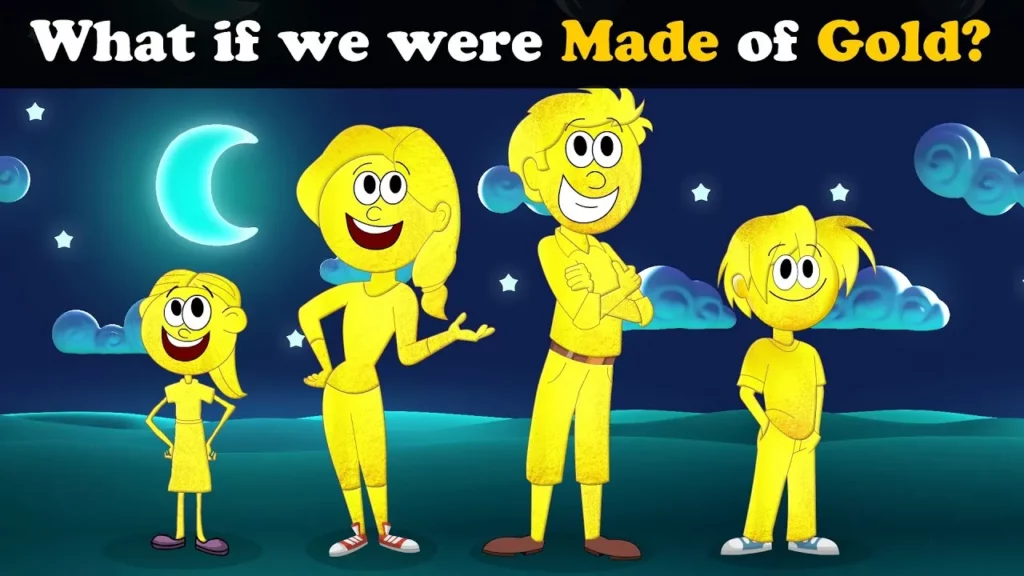
The lesson “What if We Were Made of Gold?” invites students to explore the whimsical idea of humans being made of gold and its implications. It discusses how this scenario could lead to unique living situations, changes in work dynamics, and even the potential for everything around us to be painted gold, while also considering the curiosity of aliens. Ultimately, it encourages imaginative thinking about the fun and challenges of such a shiny existence.
What if we Swallow Chewing Gum?
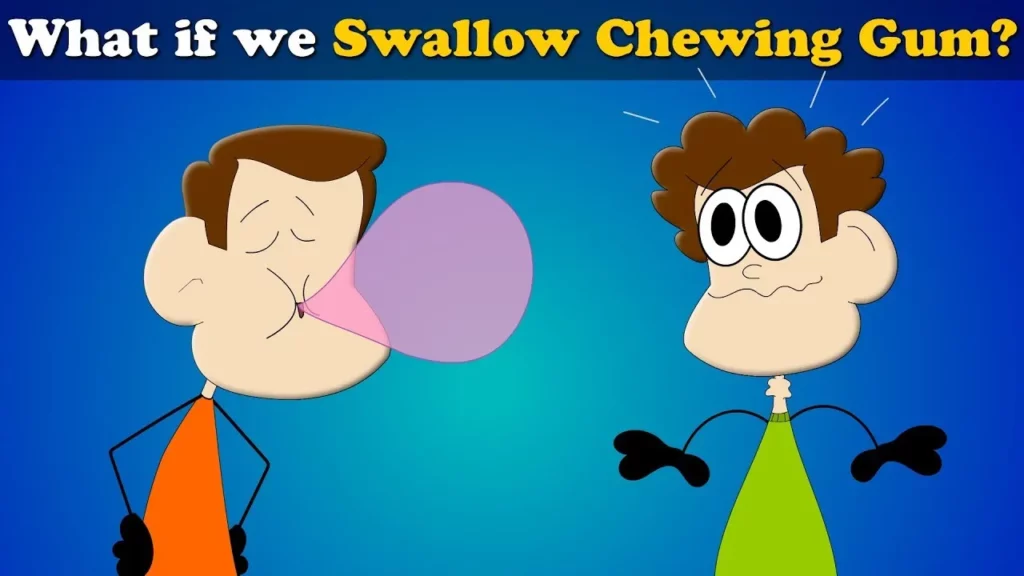
The lesson explores various intriguing scenarios, starting with the myth surrounding swallowing chewing gum, clarifying that it passes through the digestive system without causing harm. It then imagines a world where dinosaurs never went extinct, suggesting they might have evolved to be smaller and potentially more intelligent, which could have impacted human existence. Additionally, it discusses the potential consequences of a massive solar flare hitting Earth, including disruptions to technology and communication, and emphasizes the critical role of bees in pollination and the food chain, highlighting the importance of protecting them.
Why do you fall backwards when a bus starts suddenly?
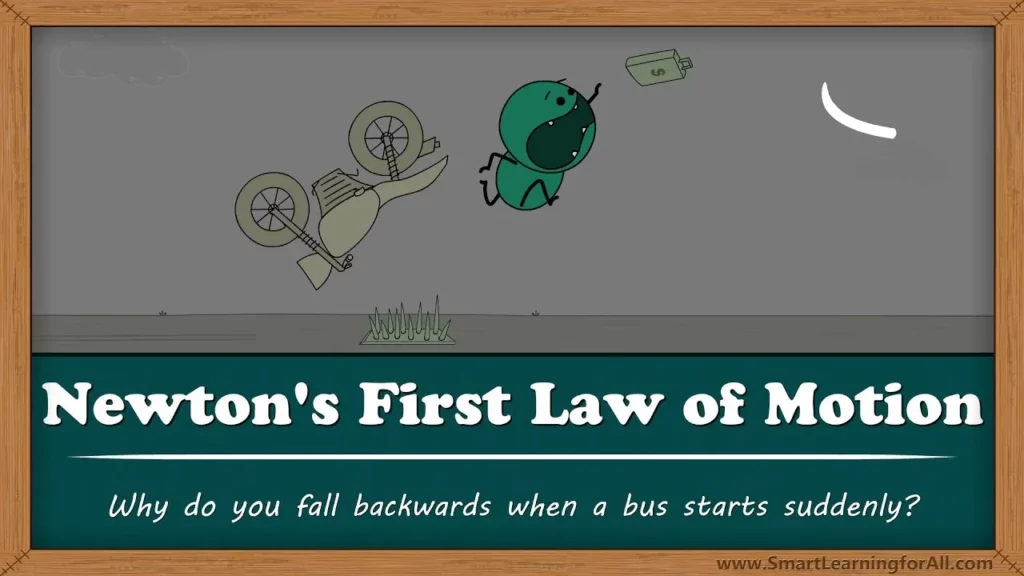
The lesson explains the concept of inertia, which is the tendency of objects to resist changes in their state of motion, as described by Newton’s First Law of Motion. It illustrates how inertia causes a person to feel like they are falling backwards when a bus suddenly accelerates, as the lower body moves with the bus while the upper body tends to remain in place. This principle of inertia is also evident in everyday situations, such as when a bag falls off a bike after sudden braking, highlighting its significance in understanding motion and safety, such as the importance of seat belts in vehicles.
What if there were no Schools?
The lesson explores the implications of a world without schools, highlighting both challenges and opportunities. Without formal education, children would spend more time at home, leading parents to create engaging activities, while online learning and parental teaching would become more prevalent. Additionally, the absence of grades could shift job application focus towards practical skills, and increased outdoor play might promote better physical health among children.
Why is Ocean water Salty?
This lesson explores various natural phenomena, starting with the reasons behind ocean water’s salinity, which is primarily due to rainwater picking up minerals and salts as it flows over land, and additional contributions from hydrothermal vents. It also explains why we can see our breath in cold weather, the auditory debate of “Yanny or Laurel,” and how sound travels faster in warmer temperatures. Overall, the lesson highlights the fascinating interactions between environmental factors and physical processes in nature.
Why are flamingos pink?
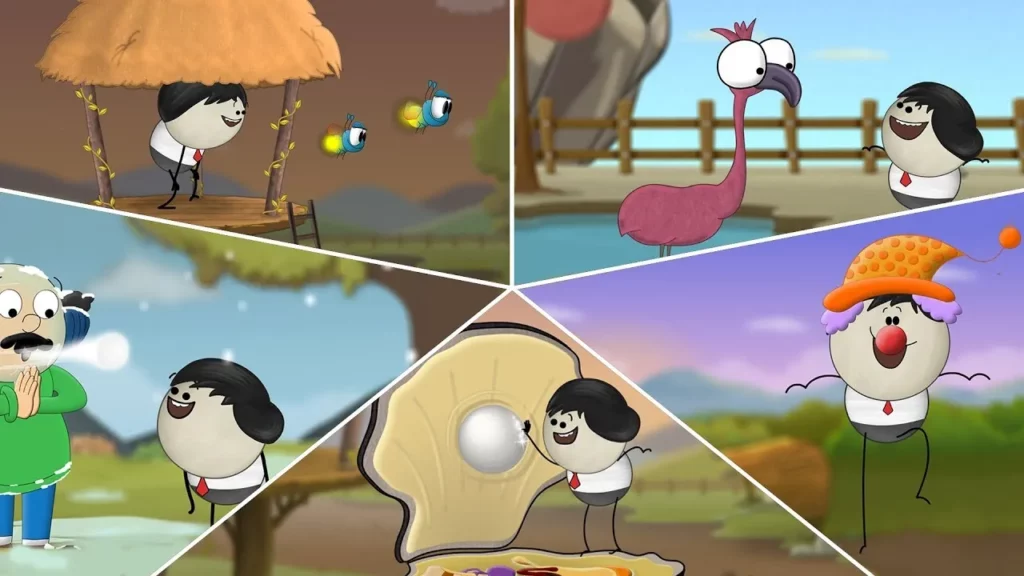
This lesson explores various fascinating natural phenomena, including the reasons behind flamingos’ pink coloration, how fireflies produce light, the formation of pearls, the visibility of breath in cold weather, and the effects of helium on voice pitch. Each topic highlights the unique biological and chemical processes that contribute to these intriguing aspects of nature, illustrating how diet, chemical reactions, and environmental conditions shape our world.
What if Earth’s Core Cooled Down?
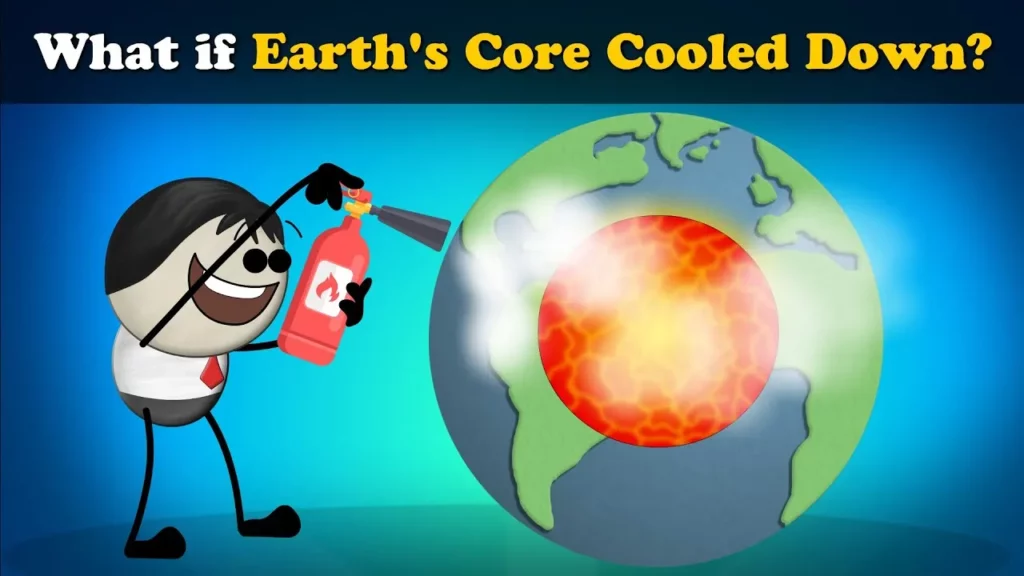
The lesson explores the critical role of Earth’s hot core, highlighting its influence on geological activity and the planet’s magnetic field. If the core were to cool down, it would lead to the extinction of volcanoes and earthquakes, as these phenomena are driven by the core’s heat. Additionally, the cooling of the core would result in the loss of Earth’s magnetic field, jeopardizing the atmosphere and the survival of many living organisms.