
What if we Dump Trash into Volcanoes?
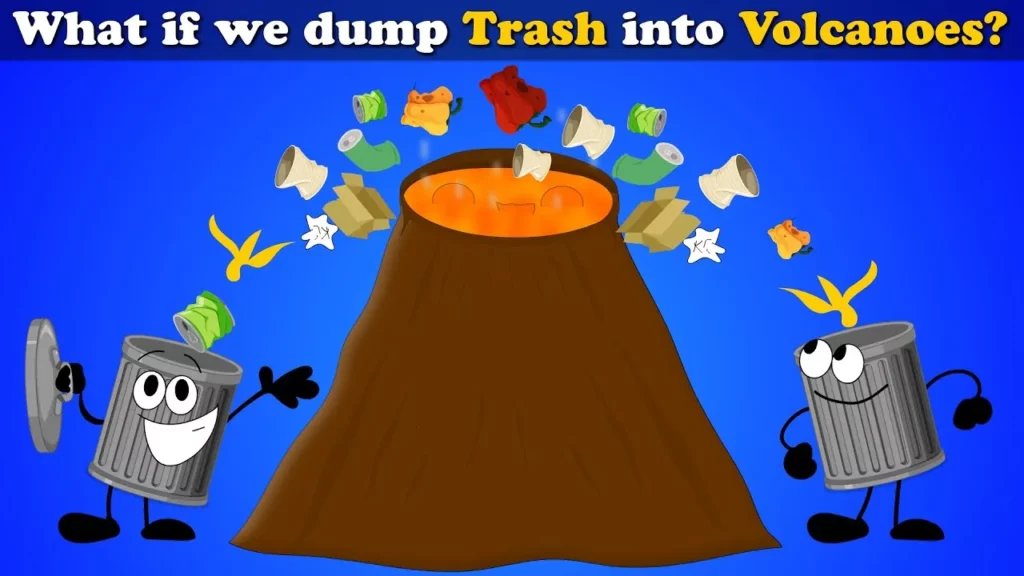
The lesson explores the impracticality and dangers of dumping trash into volcanoes as a waste disposal method. While it may seem like a natural incinerator due to the extreme heat, challenges such as finding suitable volcanoes, transportation costs, pollution control, and the unpredictable nature of volcanic eruptions make this idea unsafe and ineffective. Instead, the lesson emphasizes the importance of reducing waste and recycling to better manage our trash and protect the environment.
Can Blind people Dream?
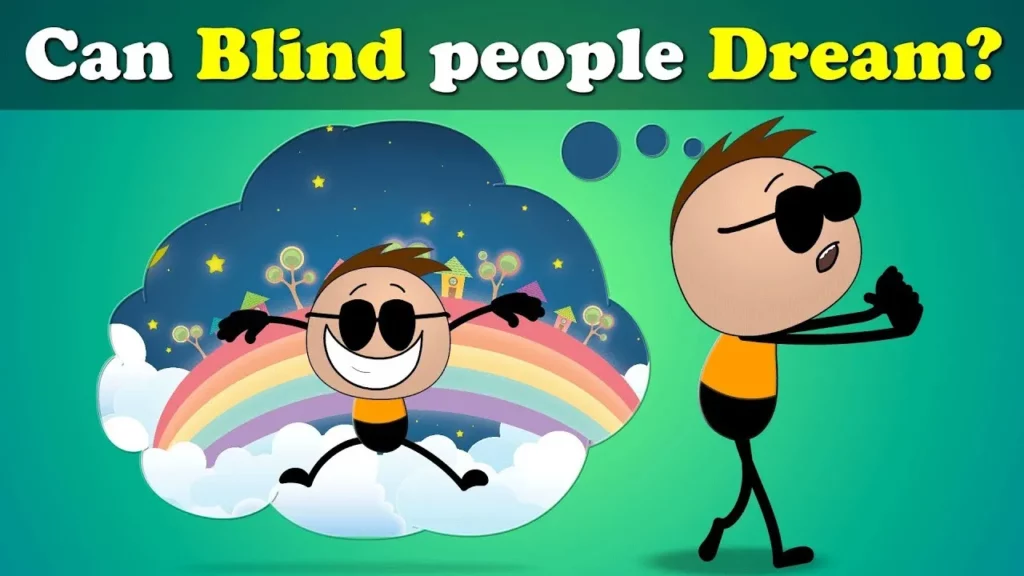
The lesson explores whether blind people can dream, confirming that they can, with the nature of their dreams influenced by when they lost their sight. Those who became blind later in life may dream in images based on visual memories, while those who have been blind since birth experience dreams through sounds, smells, and other sensations. Additionally, the lesson touches on theories of dreaming, including Freud’s wish fulfillment theory and the Activation-Synthesis theory, while also briefly explaining color blindness and its impact on vision.
Why does salt make food taste better?
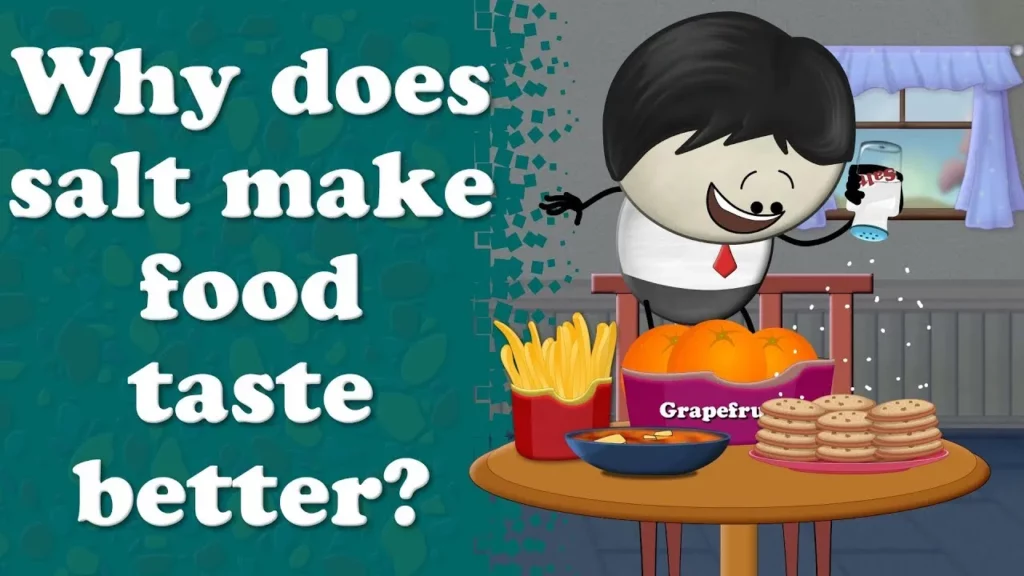
This lesson explores the reasons why salt enhances the flavor of food, highlighting its composition of sodium and chloride and its essential role in our health. It explains how salt not only improves the taste of various dishes but also reduces bitterness, making food more enjoyable. Additionally, the lesson touches on the historical significance of salt in food preservation and cultural practices, emphasizing its multifaceted importance in our diets.
What if all Volcanoes Erupted at Once?
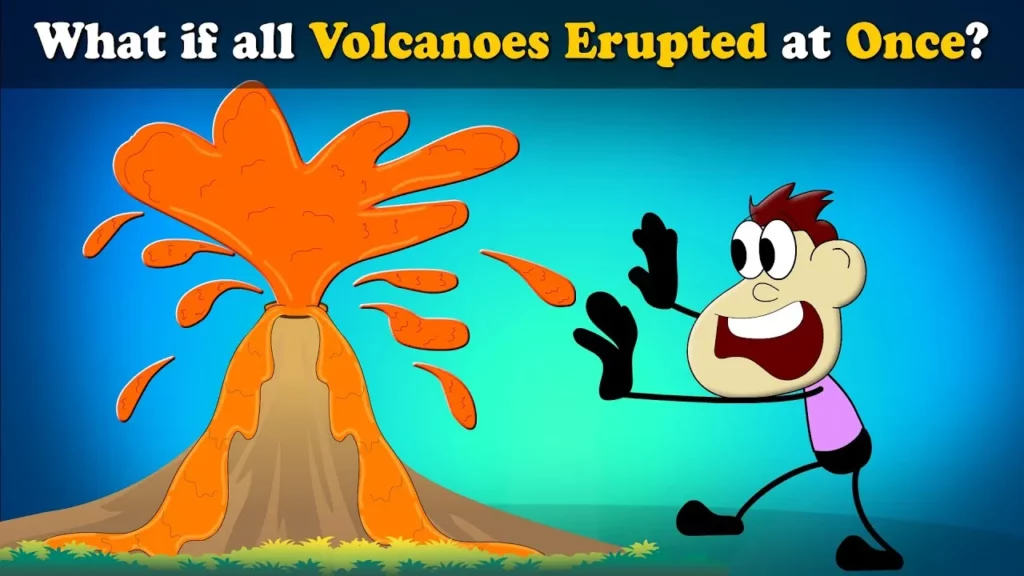
The lesson explores the hypothetical scenario of all volcanoes on Earth erupting simultaneously, highlighting the potential catastrophic effects on the planet. Such an event would lead to widespread ash clouds, respiratory issues, grounded air travel, reduced sunlight affecting plant growth, and the creation of acid rain, which could harm agriculture and marine ecosystems. While this scenario is unlikely, it emphasizes the power of volcanoes and the importance of preparedness for natural disasters.
What if Aliens Visited Us?
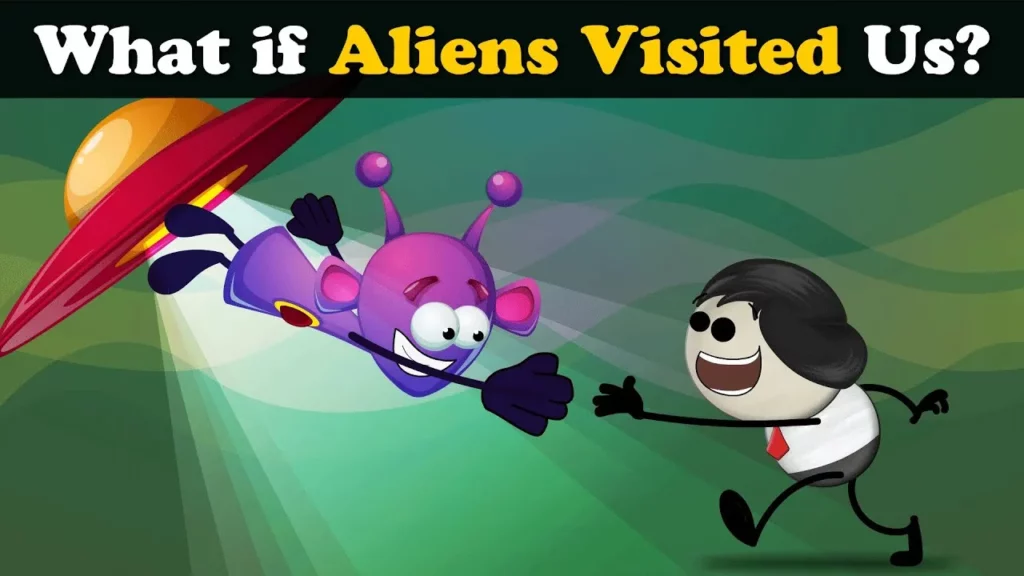
In this lesson, we explore the intriguing possibility of alien visitation and its potential implications for humanity. We discuss the advanced technology aliens might possess, the idea of invisible beings, and the importance of human collaboration in the face of potential threats. Additionally, we consider the benefits of friendly aliens, such as sharing knowledge about the universe, while also emphasizing the need for caution regarding health and environmental care.
What if we Never Cut our Hair?
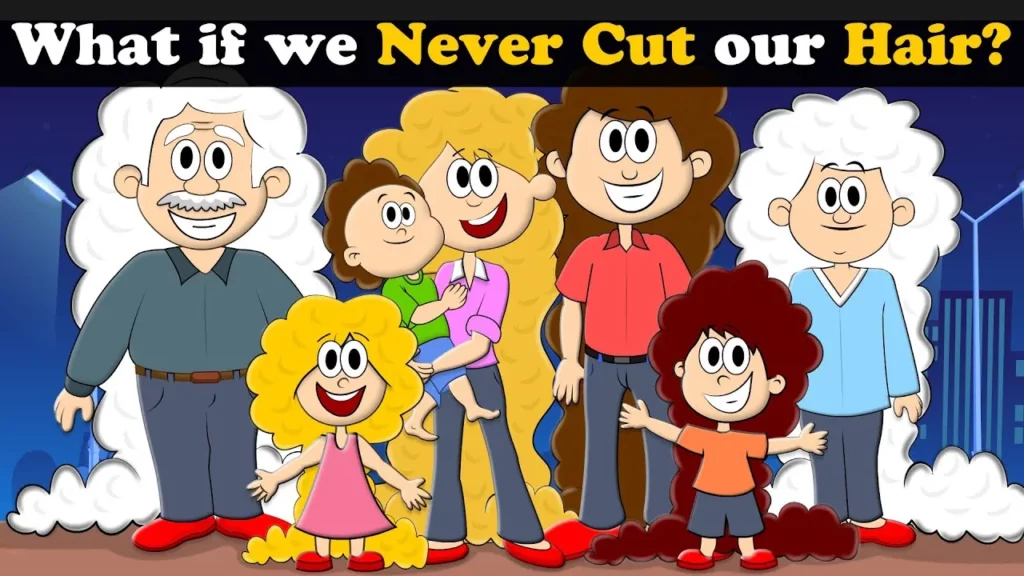
The lesson explores the whimsical idea of what life would be like if we never cut our hair, highlighting various fun scenarios such as the potential for people to become unrecognizable, the impact on daily routines, and even the possibility of aliens joining in on the trend. It also discusses practical implications, like increased shampoo sales and the need for more hairstylists to manage the long hair, while encouraging creative uses for it. Ultimately, it invites reflection on personal preferences regarding hair maintenance.
Can gargling Saltwater cure Sore Throat?
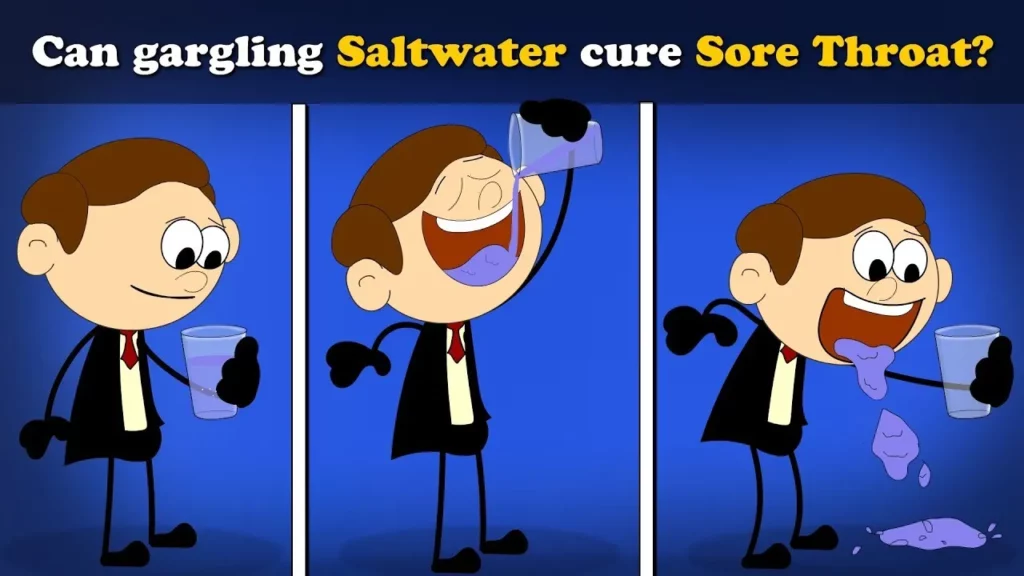
Gargling saltwater may not cure a sore throat, but it can alleviate discomfort by reducing swelling through osmosis. The lesson also explains the mechanics of coughing as a protective reflex and discusses the reasons behind our preference for salty foods, as well as the natural processes that contribute to the ocean’s salinity. Overall, the lesson highlights the benefits of saltwater gargling and provides insights into related physiological and environmental topics.
Should we drink Fruit Juices?
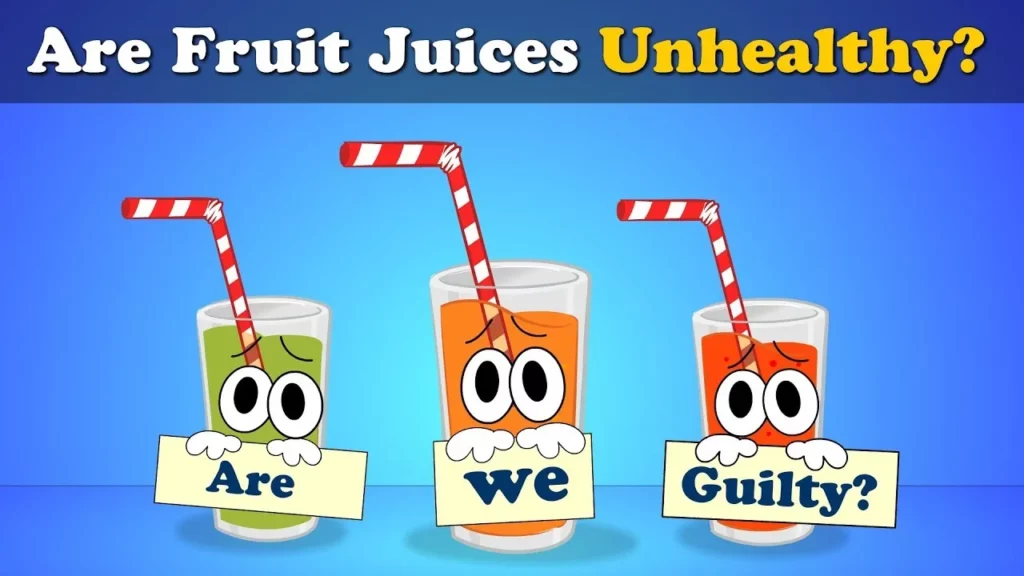
The lesson discusses the health implications of consuming fruit juices, highlighting that they often lack the fiber found in whole fruits, which can lead to quicker absorption of sugars and increased insulin levels, raising the risk of Type 2 Diabetes. It also touches on the unique properties of miracle fruit that can alter taste perceptions, the health benefits and risks associated with coffee consumption, and the appeal of junk food due to its engineered flavor profiles that trigger the brain’s reward system, often leading to overeating.
Where does Wind come from?
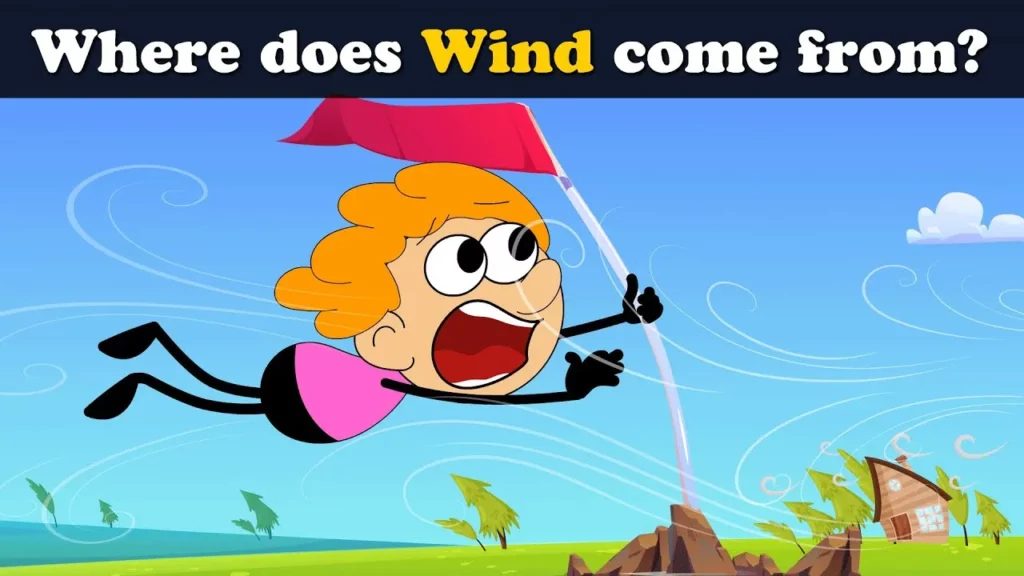
The lesson explains that wind is the movement of air caused by the uneven heating of the Earth’s surface by the sun. As the sun warms different areas, hot air rises and cooler air moves in to replace it, creating breezes—specifically, sea breezes during the day and land breezes at night. Wind plays a crucial role in nature, aiding in bird flight, sailing, seed dispersal, and even generating electricity through wind turbines.
What if Earth was as Small as the Moon?
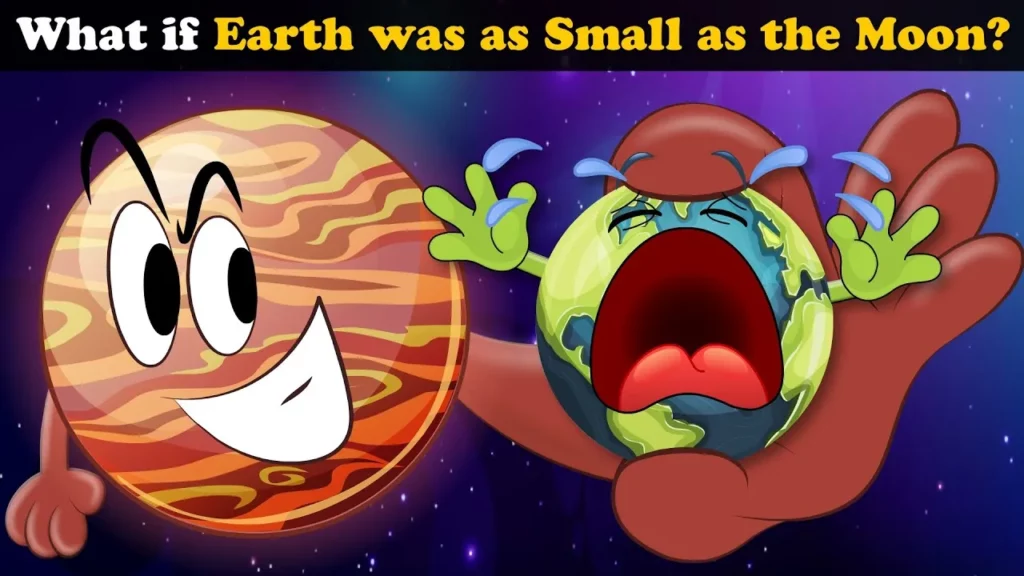
In this lesson, we explore the imaginative scenario of Earth shrinking to the size of the Moon, considering the humorous reactions of other planets and the significant changes that would occur. Mountains would appear much smaller, living spaces would shrink drastically, and Earth would be a mere dot in the cosmic landscape, prompting thoughts about how life and our perspective of the universe would change. This exercise encourages creative thinking while deepening our understanding of Earth’s place in the cosmos.