
What if the Moon Disappeared?
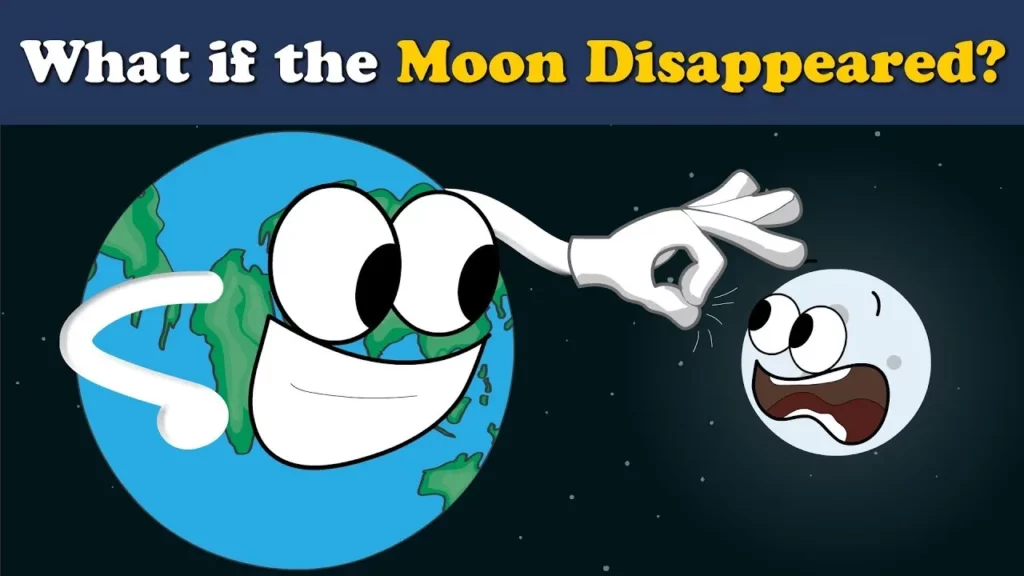
The lesson explores various hypothetical scenarios, such as the disappearance of the Moon, the absence of plastic, accidental ingestion of plastic, and not showering for a year. Each scenario highlights significant impacts on the environment, health, and daily life, emphasizing the Moon’s role in regulating Earth’s rotation and tides, the challenges of replacing plastic, the health risks associated with consuming plastic, and the balance needed in personal hygiene practices. Overall, the lesson encourages critical thinking about the interconnectedness of these elements in our lives.
What if Sun started Snoring?
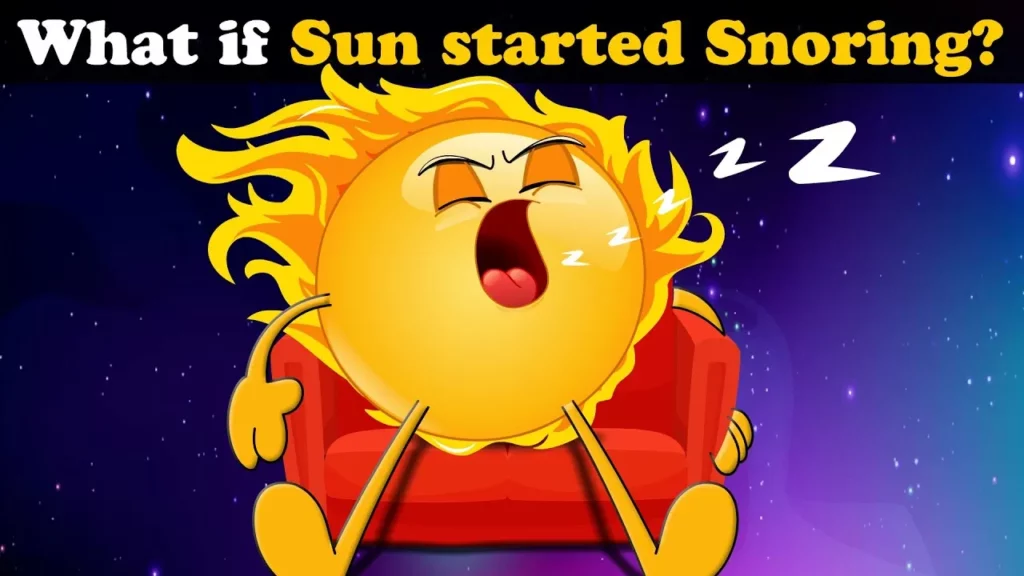
In this imaginative lesson, we explore the whimsical scenario of the Sun snoring and its potential effects on the Solar System. The loud snoring could disturb the planets, prompting them to consider relocating for peace, while also amusingly startling them and possibly attracting the attention of aliens. Ultimately, this playful narrative serves as a fun way to understand the dynamics between the Sun and its planetary companions.
Why can’t we Smell or Taste with a Cold?
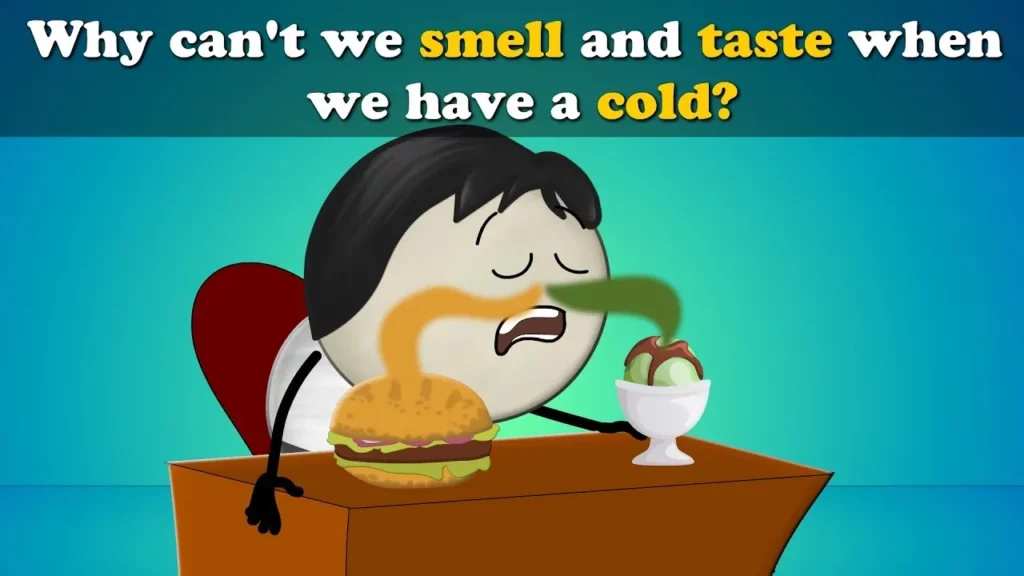
When you have a cold, an increase in mucus production blocks odorants from reaching the olfactory receptors in your nose, making it difficult to smell. This also affects your sense of taste, as the gustatory receptors on your tongue rely on olfactory input to fully experience flavors, resulting in bland-tasting food. Essentially, the combination of blocked receptors and disrupted sensory signals is why you can’t smell or taste properly when you’re under the weather.
What if we could Teleport?
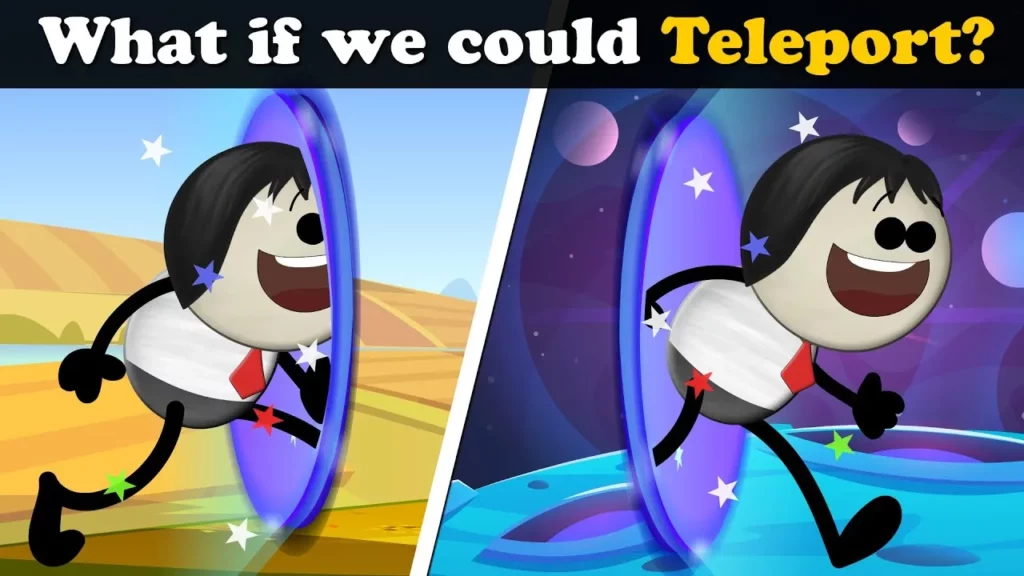
The lesson explores the hypothetical implications of teleportation, highlighting both its exciting possibilities and significant challenges. While teleportation could eliminate the need for walking, driving, and airports, it could also lead to health issues due to reduced exercise, complicate border security, and create new difficulties for law enforcement and crime prevention. Overall, the concept of teleportation presents a fascinating yet complex vision of the future.
What if Humans painted Earth Green?
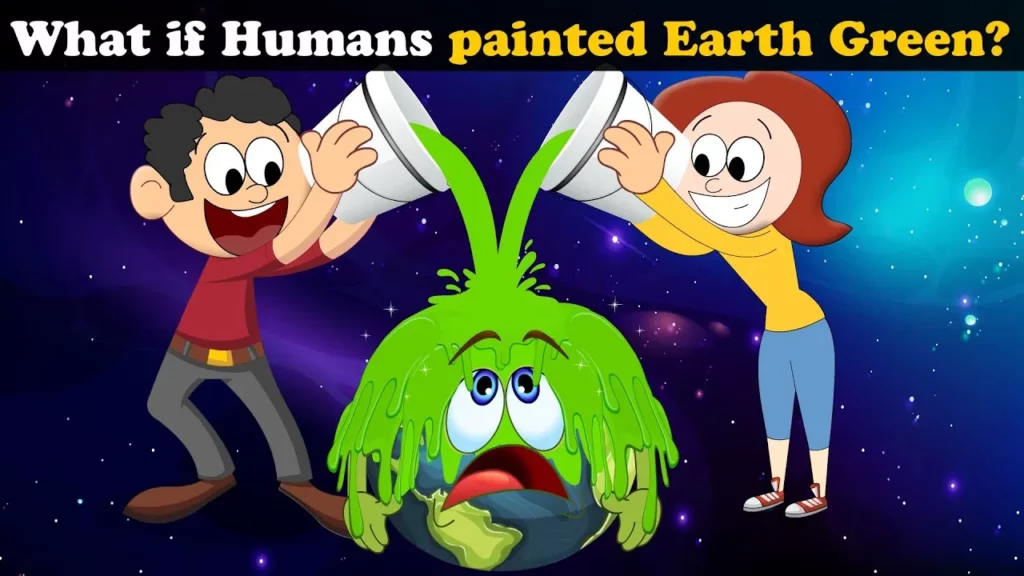
In this imaginative lesson, we explore the whimsical consequences of painting the entire Earth green. From traffic signals blending into the scenery, confusing drivers, to trees potentially painting themselves different colors to stand out, the lesson highlights the playful and humorous scenarios that could arise, including the possibility of aliens visiting our planet and the sun getting confused about Earth’s identity. Ultimately, it’s a fun exercise in creativity and imagination about how such a drastic change could affect life on Earth.
What if Jupiter was made of Diamonds?
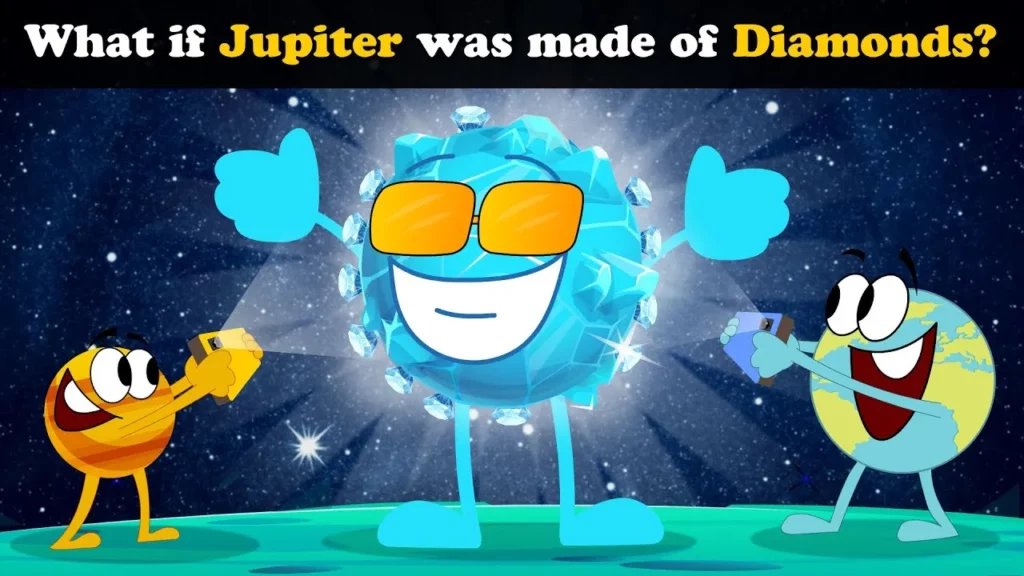
This lesson explores the imaginative scenario of Jupiter being made entirely of diamonds, highlighting the potential changes in our solar system. If Jupiter were diamond-encrusted, it would shine brilliantly, possibly outshining the Sun, and could alter the dynamics of moons and planets, attracting more celestial bodies and potentially becoming the new center of the solar system. This playful thought experiment encourages curiosity about space and the wonders of our universe.
Do Plants get Cancer?
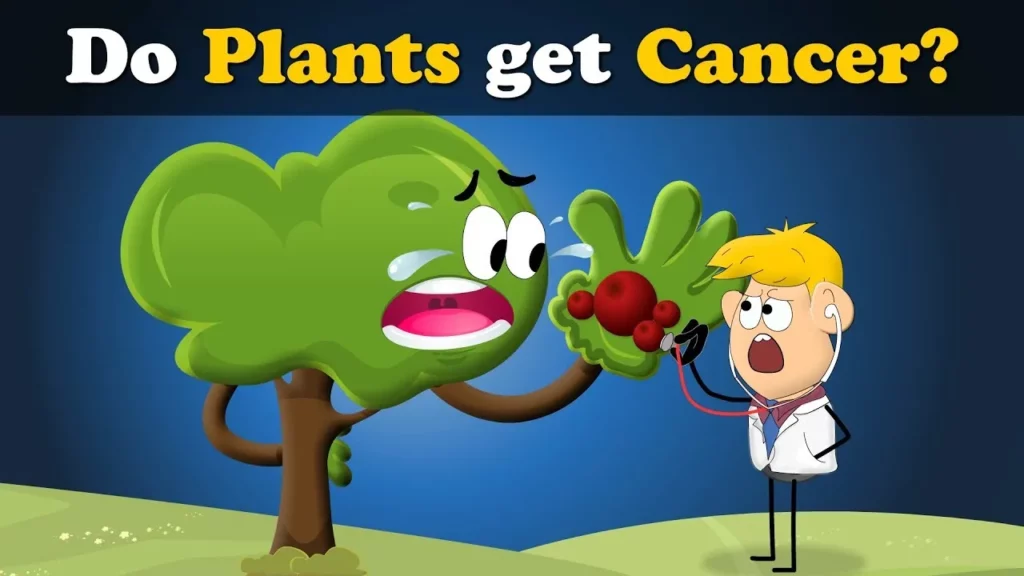
In this lesson, we explore the concept of cancer in plants, which differs significantly from cancer in humans and animals. While plants can develop tumors called galls or burls due to infections, they do not have a circulatory system to spread cancer cells, making it less deadly. The lesson also touches on the unique adaptations of geckos for climbing, the silent flight of owls, and the potential drawbacks of using antibacterial soap, highlighting the importance of understanding these biological phenomena.
What if there was No Gravity on Earth?
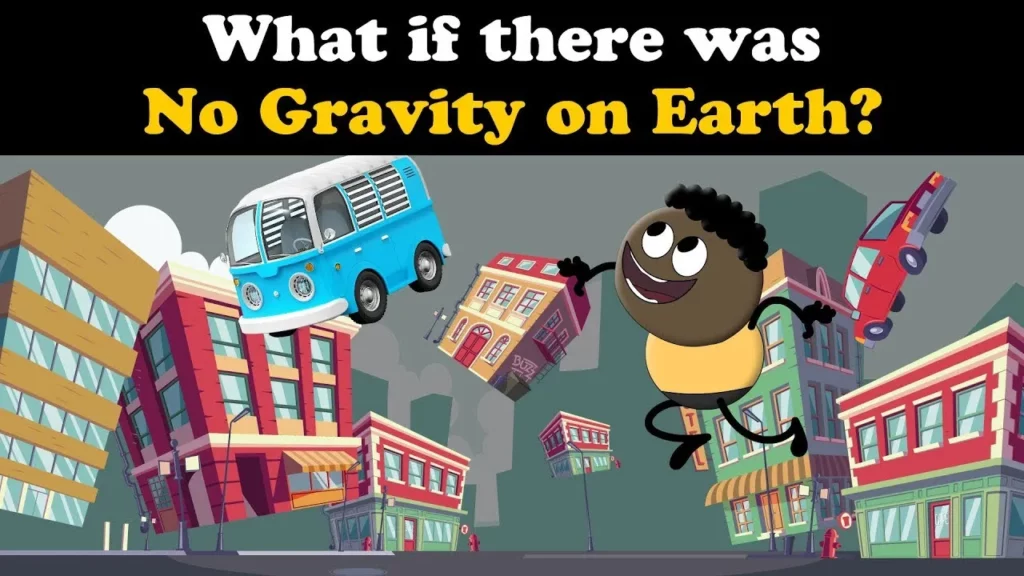
The lesson explores the profound consequences of various hypothetical scenarios, such as the absence of gravity, insects, wheels, or oxygen on Earth. Without gravity, everything would float away, leading to the disintegration of the planet, while the disappearance of insects would disrupt ecosystems and food chains. Additionally, the lack of wheels would hinder transportation and technological advancement, and a brief loss of oxygen would cause structural collapses and affect visibility, highlighting the critical roles these elements play in maintaining life and stability on Earth.
What if Earth was made of Wood?
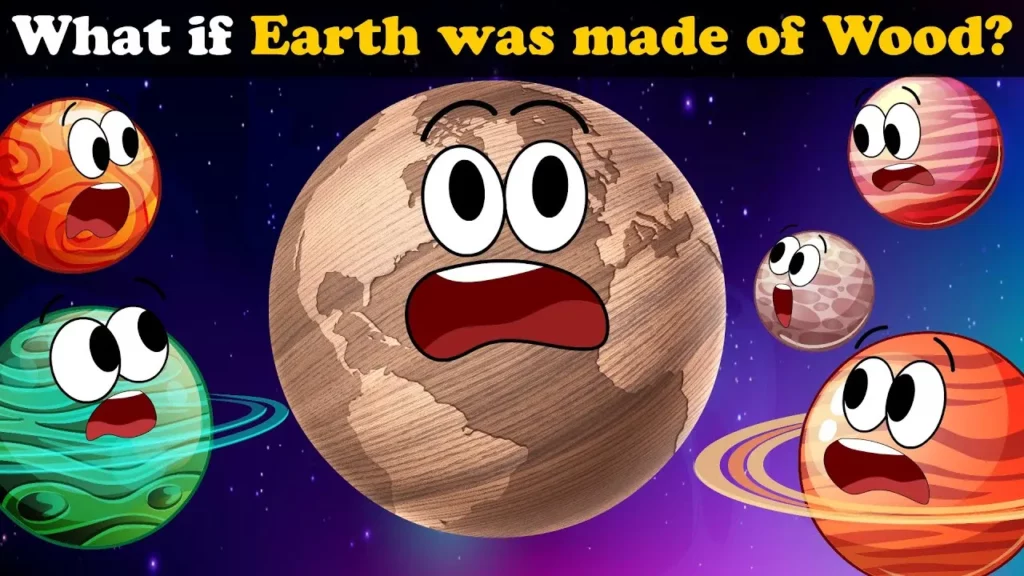
The lesson explores the imaginative concept of Earth being made entirely of wood, highlighting the various implications such a scenario would entail. Key topics include fire safety concerns, the impact of woodpeckers and termites, the potential for unique building practices, and the whimsical idea of other planets adopting wooden characteristics. Ultimately, this thought experiment encourages reflection on the importance of resource management and environmental care.
What if the Sun Disappeared?
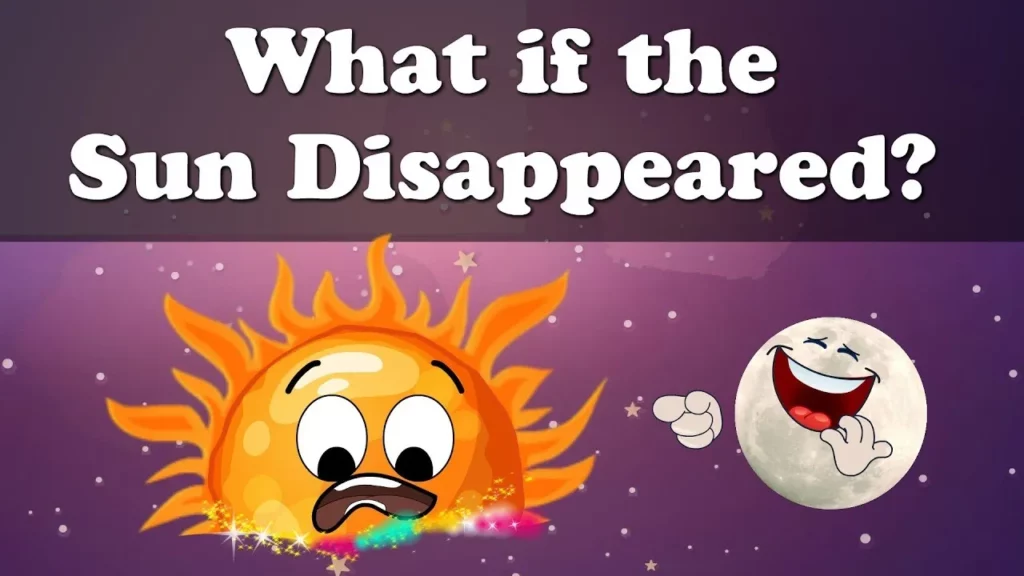
This lesson explores the hypothetical scenario of the sun disappearing and its catastrophic effects on Earth and life. Without the sun, Earth would drift into space, darkness would envelop the planet within eight minutes, and life would quickly become unsustainable due to the loss of sunlight necessary for photosynthesis, leading to extreme temperature drops. The lesson also highlights intriguing facts about our world, such as the seasonal expansion of the Eiffel Tower and the possibility of diamond rain on distant planets.