
What if we could Climb Walls?
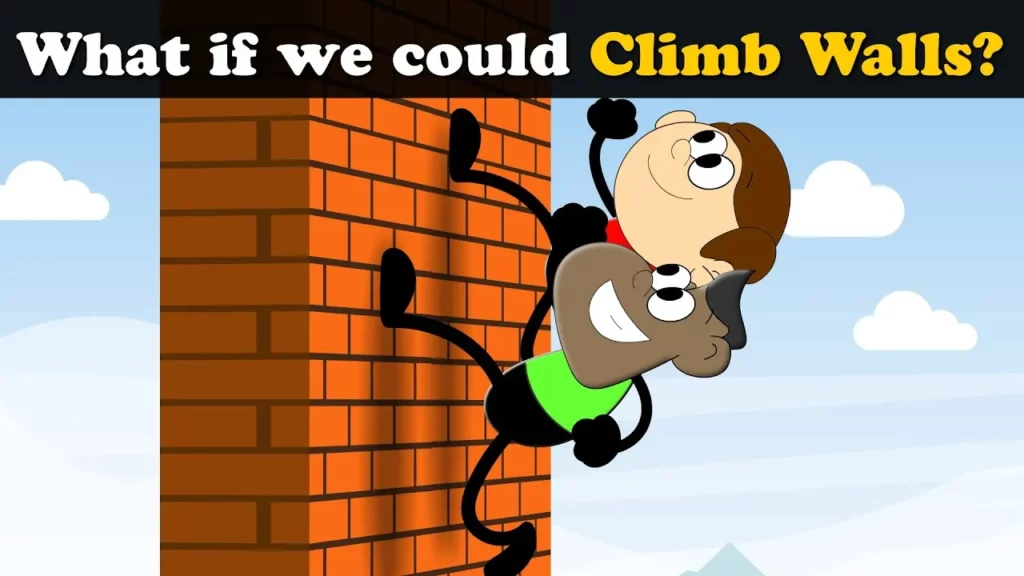
The lesson explores the imaginative concept of humans having the ability to climb walls like superheroes, highlighting the practical benefits such as eliminating the need for ladders and making tasks easier. It also considers the fun and adventurous aspects, including wall climbing competitions and the potential challenges, like increased difficulty for law enforcement in catching thieves. Overall, it encourages creativity and curiosity about the possibilities this ability could bring to everyday life.
What if Humans painted Earth Red?
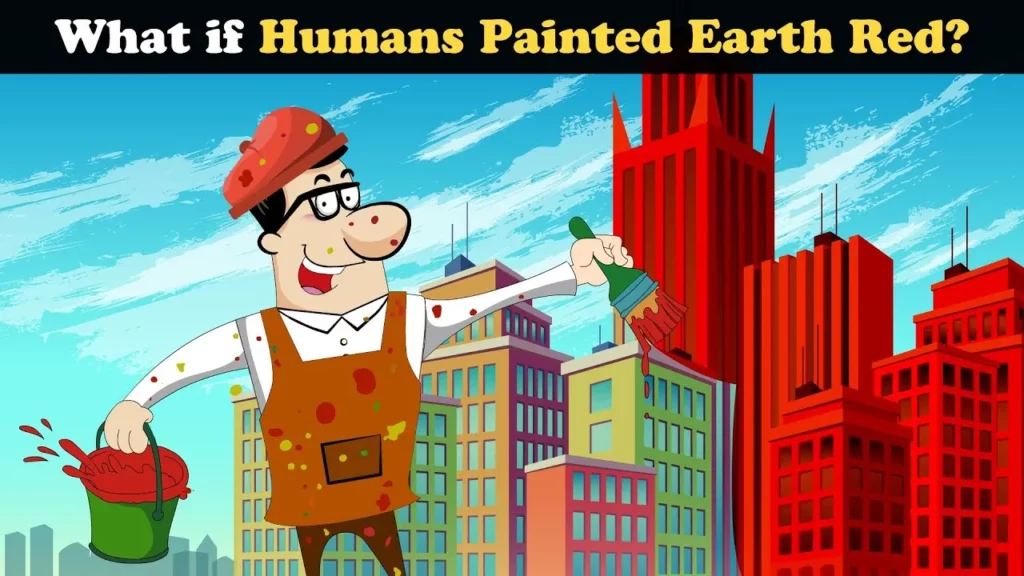
The lesson explores the whimsical consequences of painting the entire Earth red, highlighting how such a change could lead to confusion in everyday life, from traffic signals to cooking. It also touches on personal preferences, the impact on wildlife like polar bears, and humorous scenarios in fruit identification. Ultimately, the lesson encourages appreciation for the diverse colors of our world.
Why is Hot water Harmful for Fish?
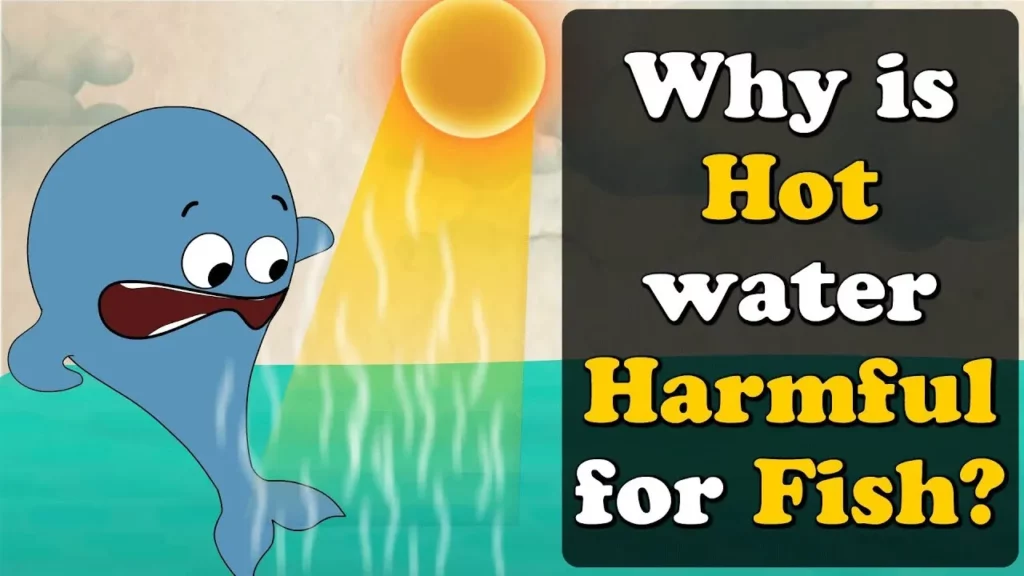
The lesson covers various topics related to the natural world, emphasizing the importance of environmental conditions for living organisms. It explains how hot water can harm fish by reducing oxygen levels, the reasons behind cloudy ice formation, the critical role of water in human health and hydration, and the navigation methods used by migratory birds. Each section highlights the interconnectedness of ecosystems and the necessity of maintaining proper conditions for survival.
Why do Blood Types matter?
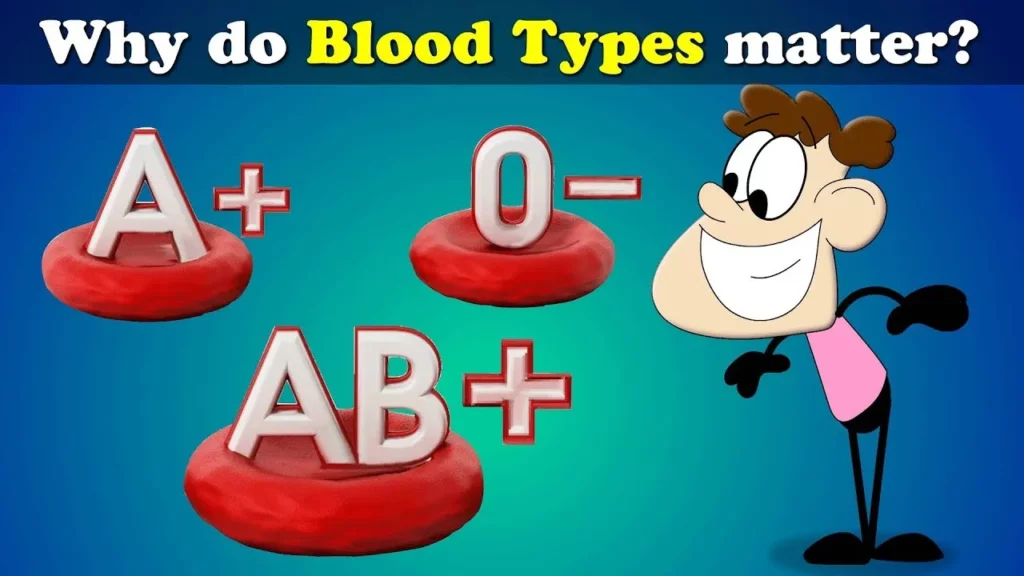
This lesson explores the significance of blood types, which are classified based on specific antigens present on red blood cells, and highlights the importance of matching blood types during transfusions to prevent dangerous immune reactions. It also touches on related topics such as blood pressure, the phenomenon of blood rain, and the reasons behind the red color of blood, showcasing the complexity and diversity of blood in both humans and other animals. Understanding these concepts enhances our appreciation for the intricate systems that sustain life.
What if Moon was replaced by Jupiter?
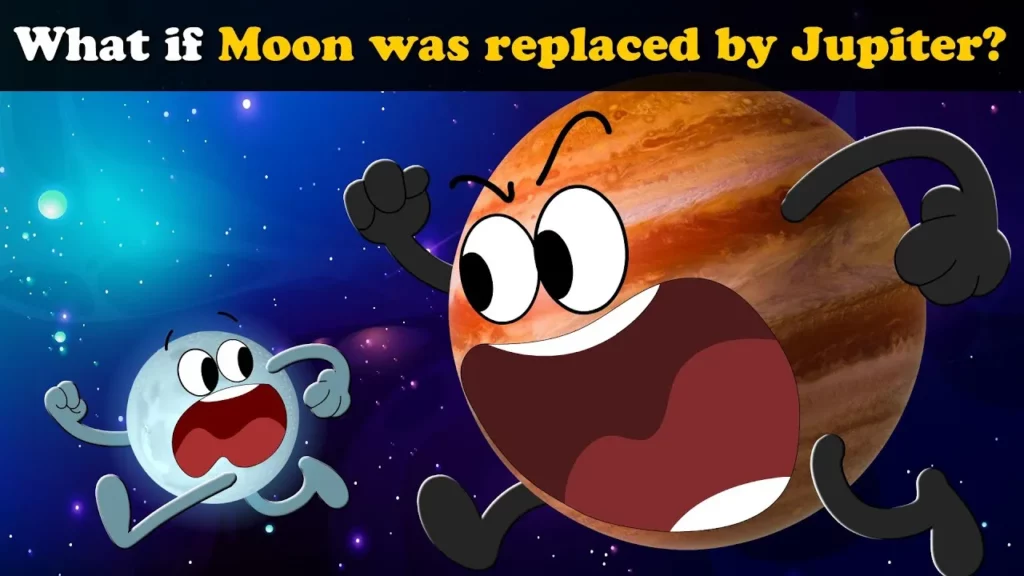
This lesson explores the hypothetical scenario of Jupiter replacing the Moon and its potential impacts on Earth. It highlights Jupiter’s massive size, which could alter Earth’s orbit, create brighter nights, generate super tides, and lead to prolonged darkness due to its size blocking sunlight. Additionally, the presence of Jupiter’s many moons could complicate air travel, while the prospect of exploring Jupiter would ignite excitement among scientists and astronauts.
What if we Lived on Jupiter?
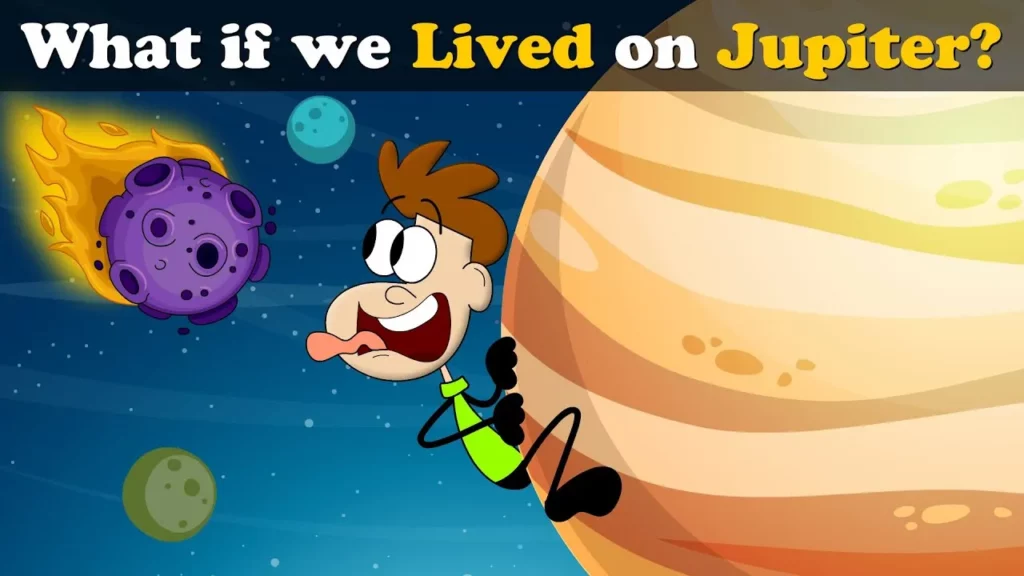
The lesson explores the imaginative concept of living on Jupiter, highlighting its unique characteristics such as being a gas giant with no solid ground, the presence of the massive Great Red Spot storm, and the frequent asteroid impacts that would require protective shelters. It also discusses the planet’s short days and the need for oxygen masks due to the lack of breathable air, while emphasizing the excitement of exploring its many moons. Overall, it presents a fun yet challenging vision of life on this fascinating planet.
What if Trees were made of Chocolate?
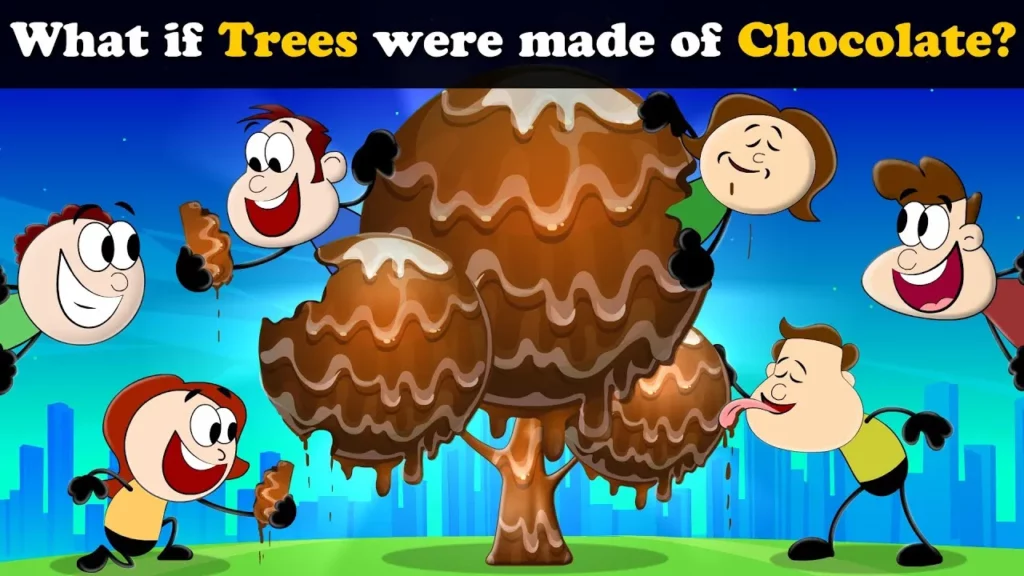
The lesson explores a whimsical scenario where trees are made of chocolate, highlighting the excitement it would bring to chocolate lovers and the potential impact on wildlife. It discusses the need for protection of these chocolate trees to ensure fair sharing among people and animals, and how chocolate could become as valuable as gold. Ultimately, the lesson encourages imaginative thinking while emphasizing the importance of trees and sharing in our world.
Why do we hear echoes?
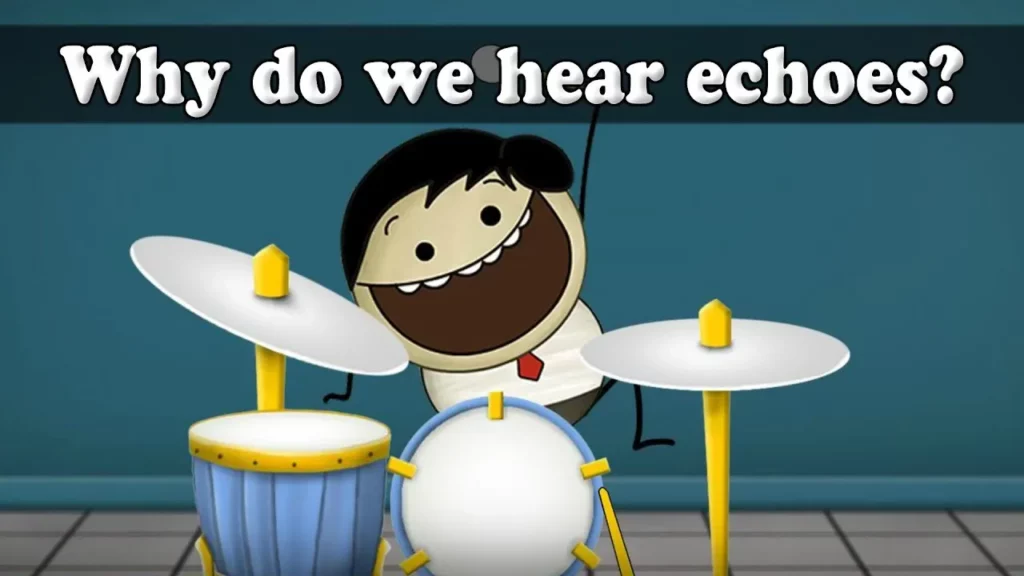
In this lesson, we explored the phenomenon of echoes, which occur when sound waves bounce off hard surfaces and return to the listener. For an echo to be heard, there must be a time gap of at least 0.1 seconds and a minimum distance of 17.2 meters from the reflecting surface. Additionally, environments with soft furnishings absorb sound, making it difficult to hear echoes, so large, empty spaces are ideal for experiencing this interesting auditory effect.
What if the Moon Exploded?
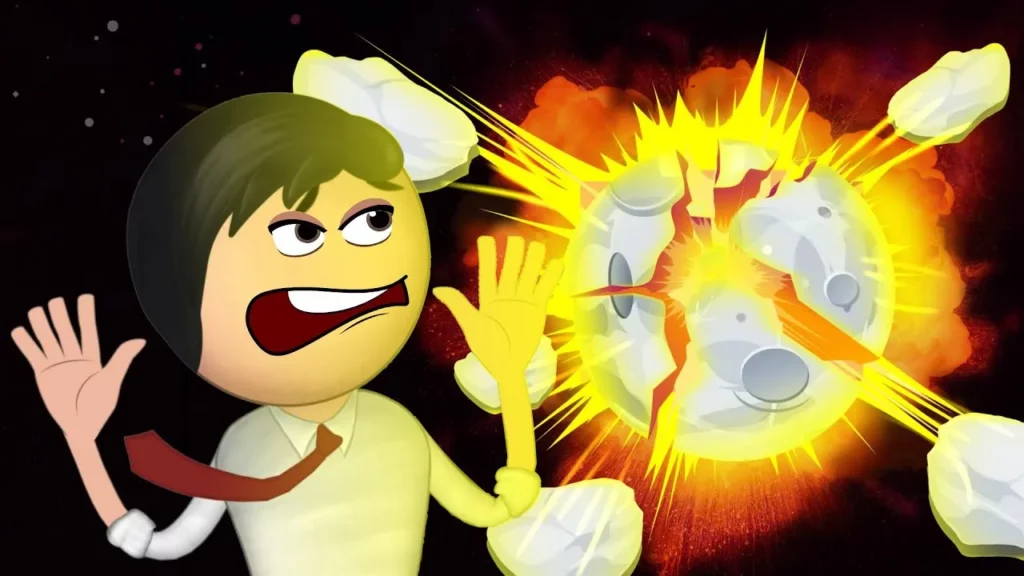
The lesson explores the hypothetical scenario of the moon exploding and its potential consequences for Earth, including the loss of tides and increased darkness at night. It also discusses the moon’s role in lunar eclipses and why we only see one side of the moon, emphasizing its importance for life on Earth. Overall, the lesson highlights the moon’s critical influence on our planet’s environment and natural phenomena.
Why are Flies so Hard to Swat?
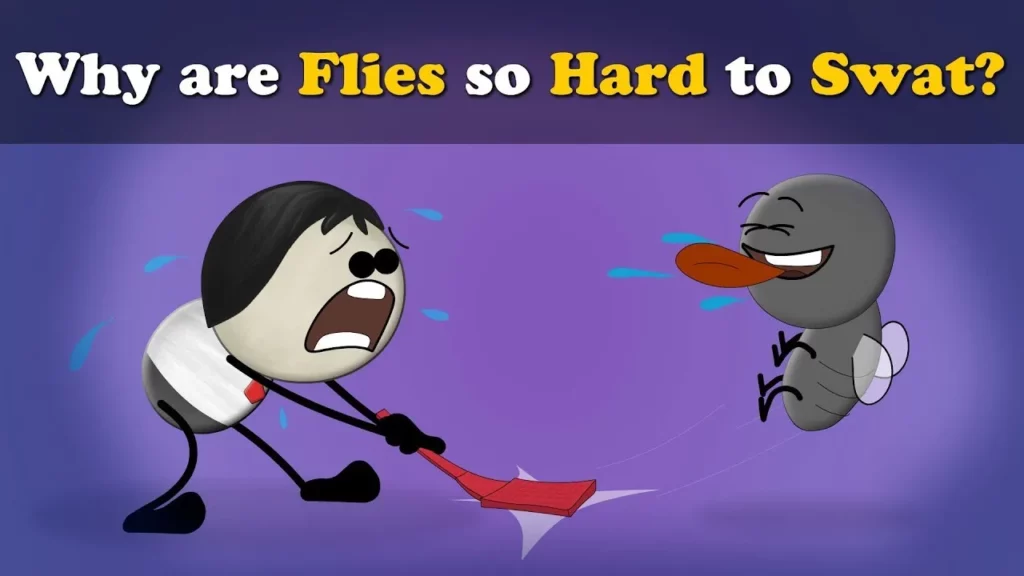
This lesson explores various fascinating biological adaptations and processes in nature. It explains why flies are difficult to swat due to their rapid visual processing, how decaffeinated coffee is made using a solvent-based method, how penguins prevent their feet from freezing through countercurrent heat exchange, and how fish breathe underwater using gills to extract oxygen from water. Each topic highlights the remarkable ways in which different species have evolved to thrive in their environments.