
What if Sea Levels rise by 10 meters?
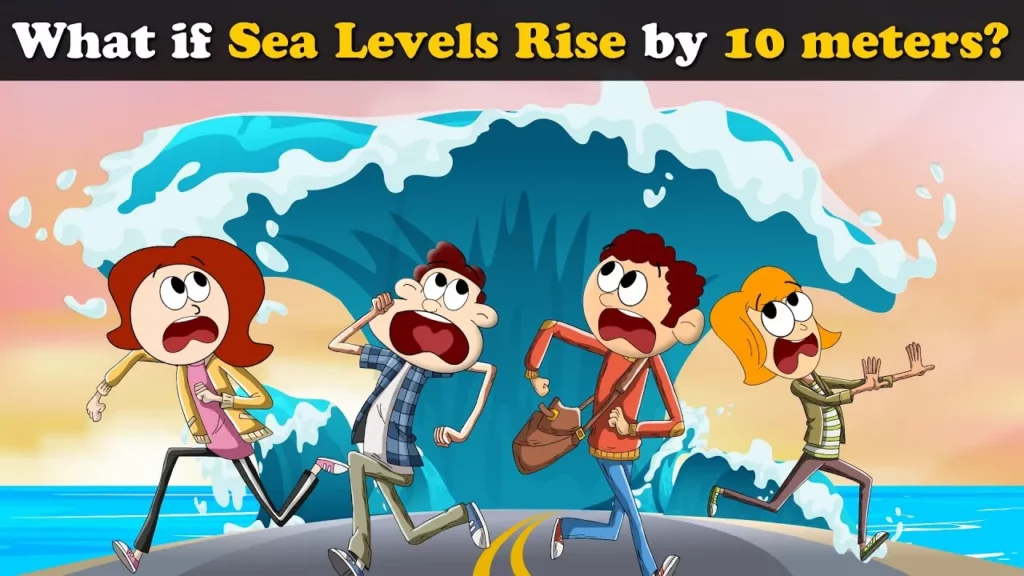
In this lesson, we explore the potential impacts of a 10-meter rise in sea levels, highlighting how it could force people to relocate, lead to closer interactions with marine life, and change the landscape of beachfront properties. Additionally, the lesson discusses the implications for housing, such as increased demand for tall buildings, and the amusing possibility of unusual sea creatures becoming unexpected visitors in our homes. Overall, it emphasizes the importance of understanding environmental changes and their effects on our lives.
What if we had Rings like Saturn?
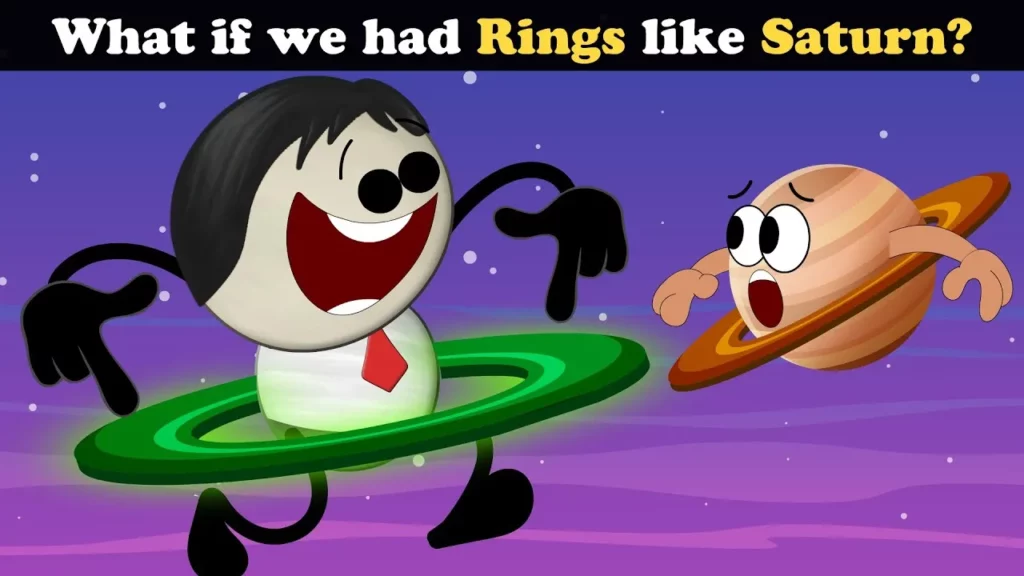
The lesson explores the imaginative concept of having rings like Saturn on Earth, highlighting the potential challenges and changes in daily life. It discusses how movement could become crowded, sleeping might require new adaptations, and animals could desire their own rings. Additionally, it touches on the ideas of decorating and maintaining these rings, prompting reflection on whether such a change would be enjoyable or burdensome.
What if Earth Swallowed the Sun?
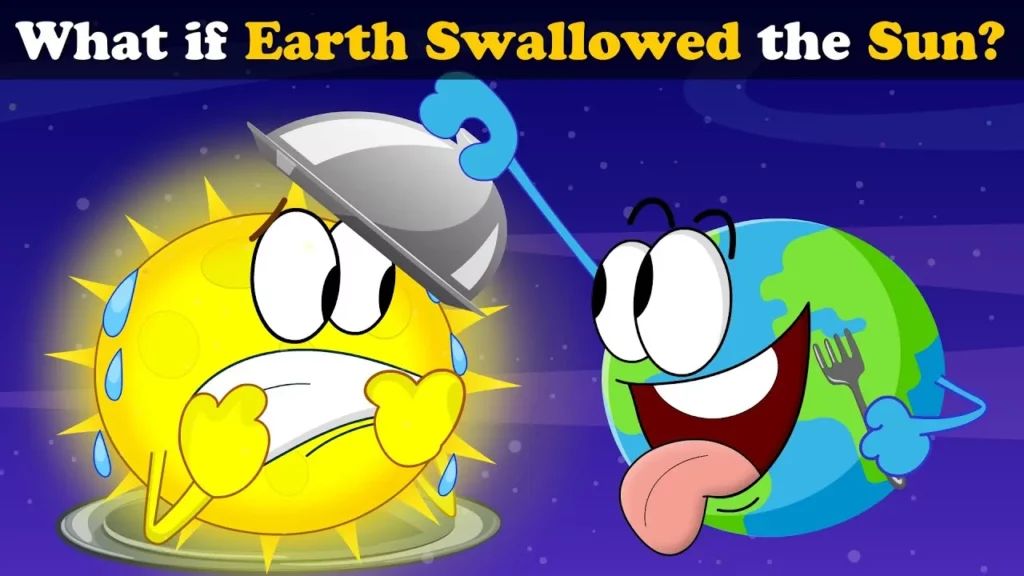
In this imaginative lesson, we explore the whimsical scenario of Earth swallowing the Sun and its potential consequences. If this were to happen, Earth would expand, glow brightly, and become extremely hot, prompting people to seek cooler spots. Additionally, other planets and stars would react to this dramatic change, and even Halley’s Comet would feel the impact of missing its regular journey around the Sun, highlighting the interconnectedness of our solar system.
How do Antibiotics Work?
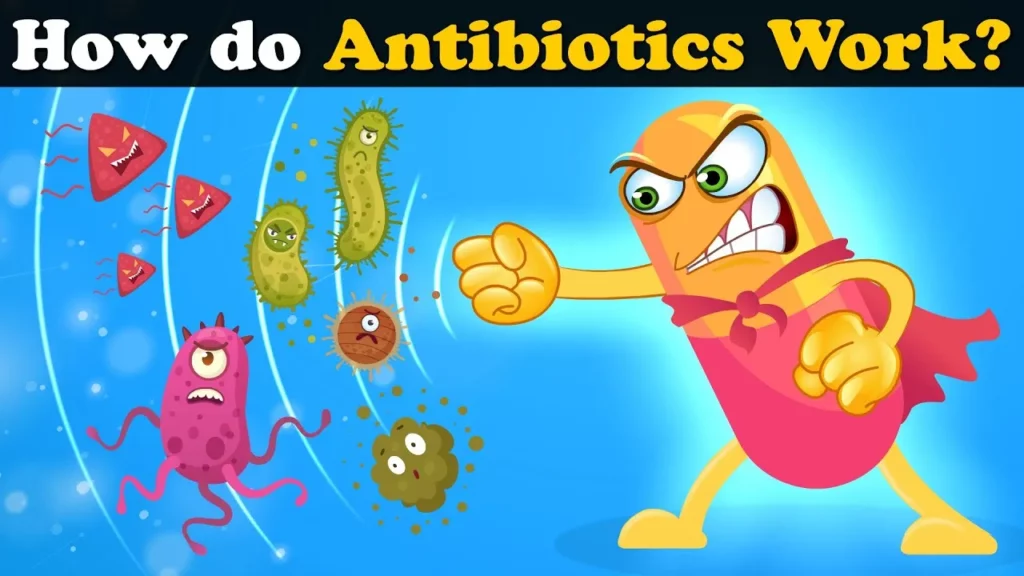
This lesson explains how antibiotics function to combat bacterial infections, highlighting their mechanisms such as attacking bacterial walls, stopping reproduction, and blocking protein production. It also addresses the issue of antibiotic resistance, emphasizing the importance of using antibiotics wisely to prevent bacteria from becoming stronger and harder to treat. Ultimately, the lesson encourages responsible use of antibiotics to maintain health and effectiveness.
Chromatography
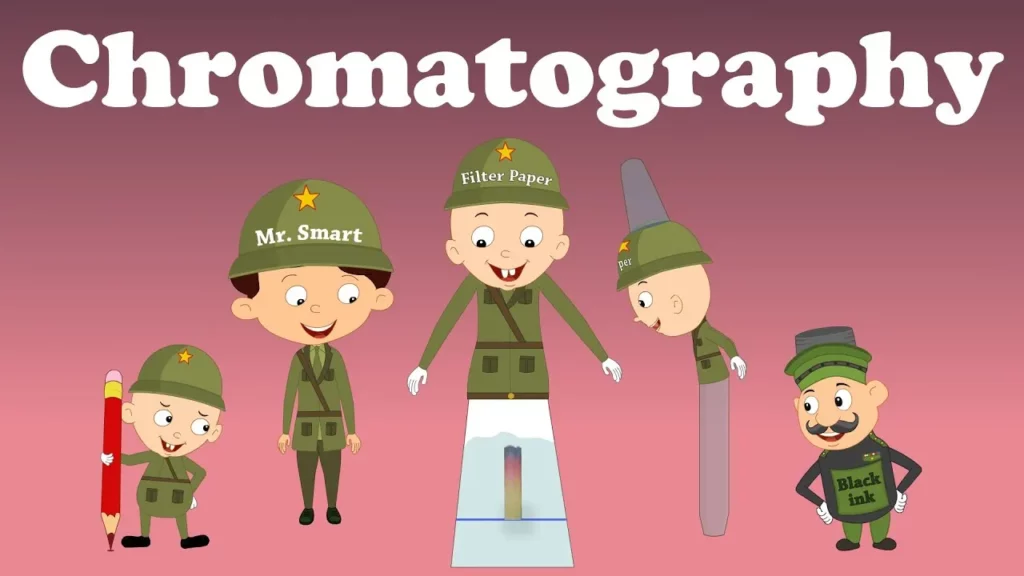
In this lesson, students explore the concept of chromatography by investigating the hidden colors in black ink using a simple paper chromatography technique. By applying a drop of ink to filter paper and placing it in water, they observe how the water moves up the paper, separating the different dyes based on their solubility and revealing a spectrum of colors. This hands-on experiment not only demonstrates the science behind chromatography but also encourages curiosity and experimentation with various inks and pigments.
What if we were made of Plastic?
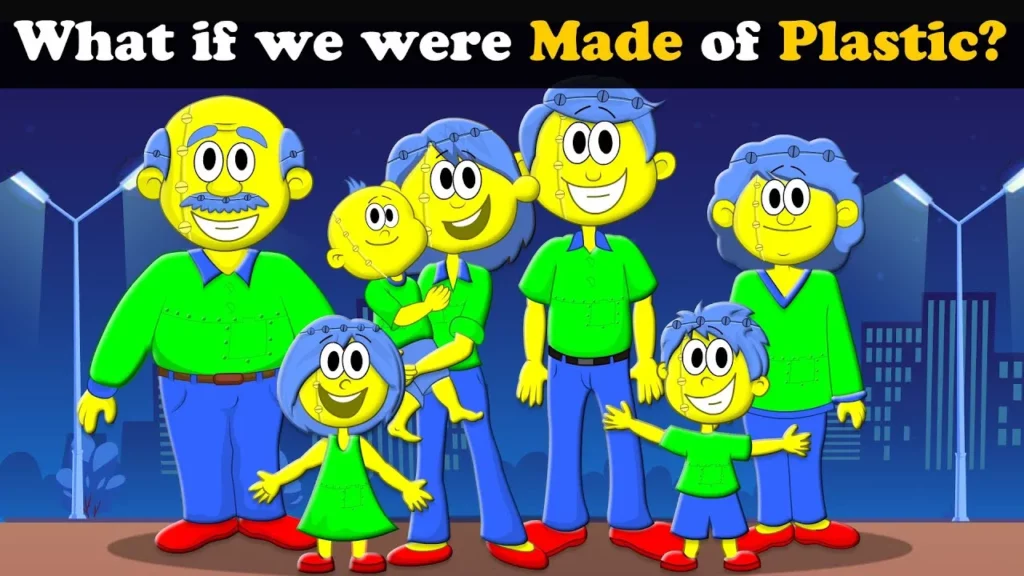
In this lesson, we explore the imaginative concept of humans being made of plastic, highlighting the exciting possibilities such as unbreakable adventures, longevity, and the ability to change shapes. The idea encourages us to consider the unique properties of plastic and how they could transform our experiences, from feeling like superheroes to celebrating centuries of life. Ultimately, it serves as a playful way to reflect on the impact of materials in our world.
Is Dairy Good or Bad?
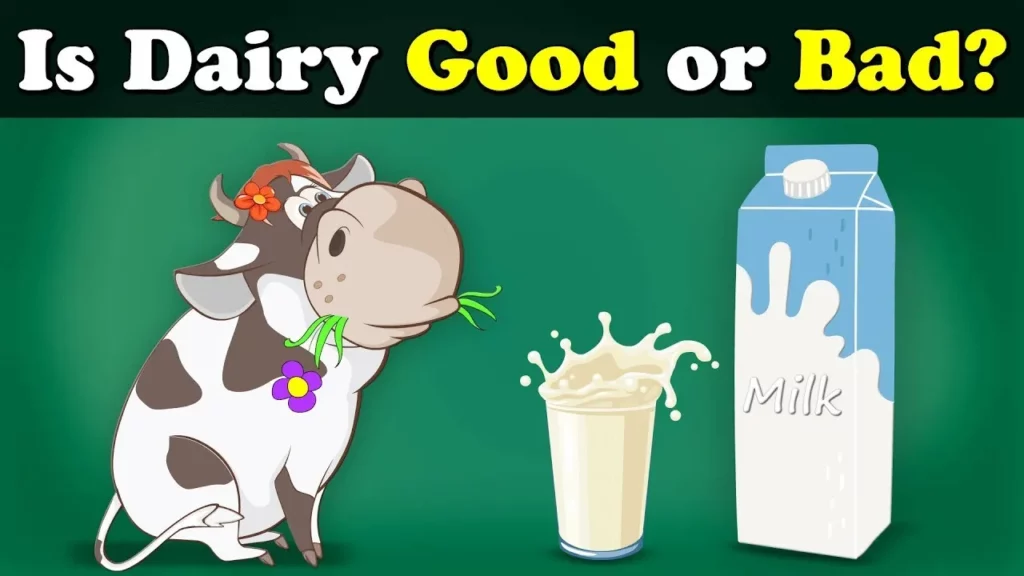
The lesson explores the debate surrounding dairy consumption, highlighting its nutritional benefits, such as calcium and probiotics, while also addressing concerns like lactose intolerance and the uniqueness of humans drinking animal milk as adults. Additionally, it touches on intriguing phenomena like blood rain, the nature of dreaming in animals, and the intricate process of spider web construction, showcasing the diversity of topics related to biology and natural science.
What if the Moon was made of Gold?
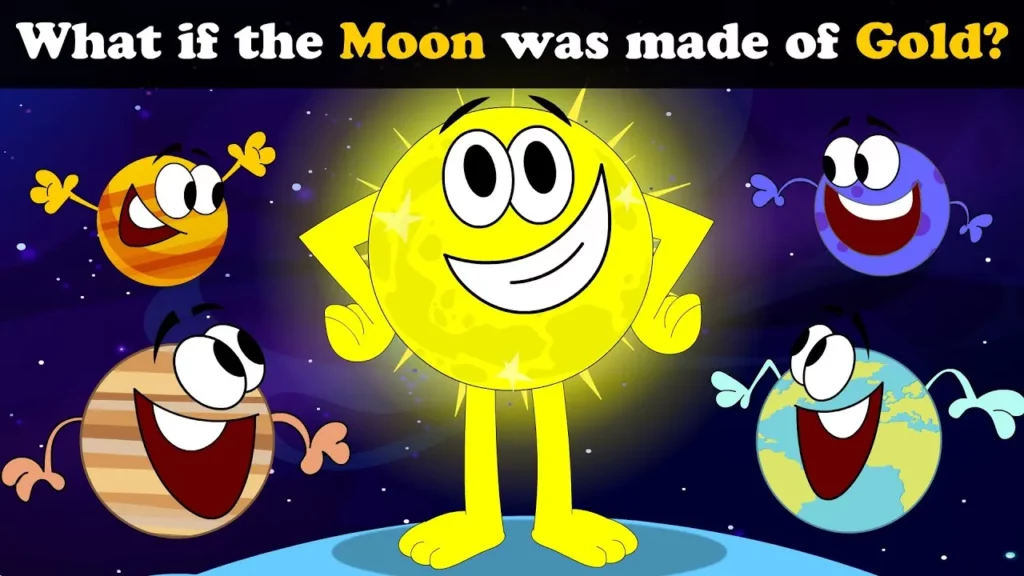
This lesson explores the imaginative scenario of a Moon made of gold, highlighting its potential beauty and the excitement it could bring to life on Earth. It discusses how a golden Moon might attract alien visitors, brighten our nights, inspire adventurous gold enthusiasts, and change the way we experience moonlight and photography. Ultimately, the lesson encourages appreciation for the unique qualities of our actual Moon while engaging in creative thinking.
How are Rainbows formed?
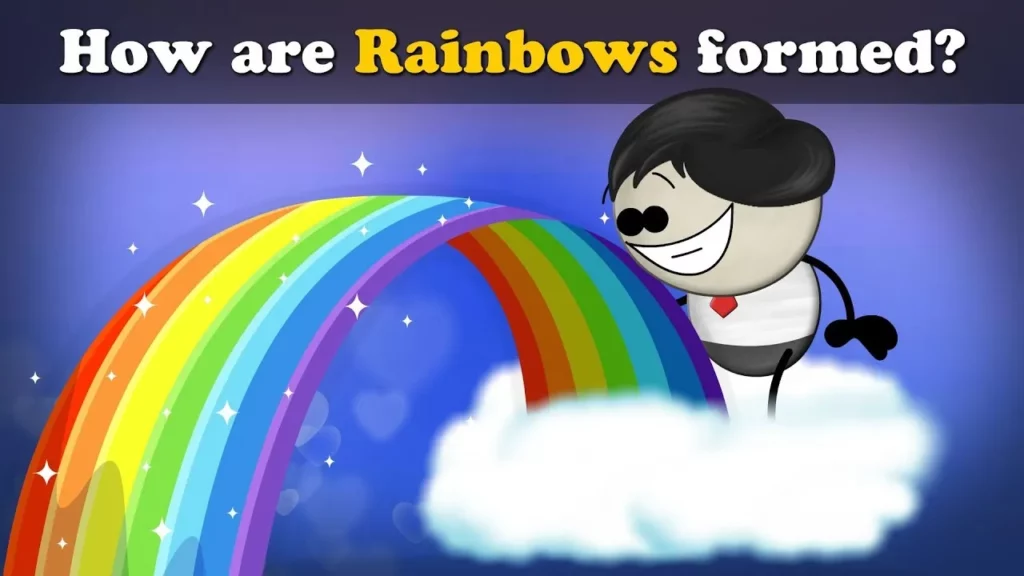
This lesson explores the formation of rainbows, explaining that they appear when sunlight shines behind us while it rains, causing light to bend and separate into its seven colors. It also discusses why rainclouds appear dark, the fascinating concept of diamond rain on Jupiter and Saturn, and the pleasant smell of petrichor that accompanies rain. Overall, it highlights the wonders of nature and the science behind these phenomena.
What if Earth had as many Moons as Jupiter?
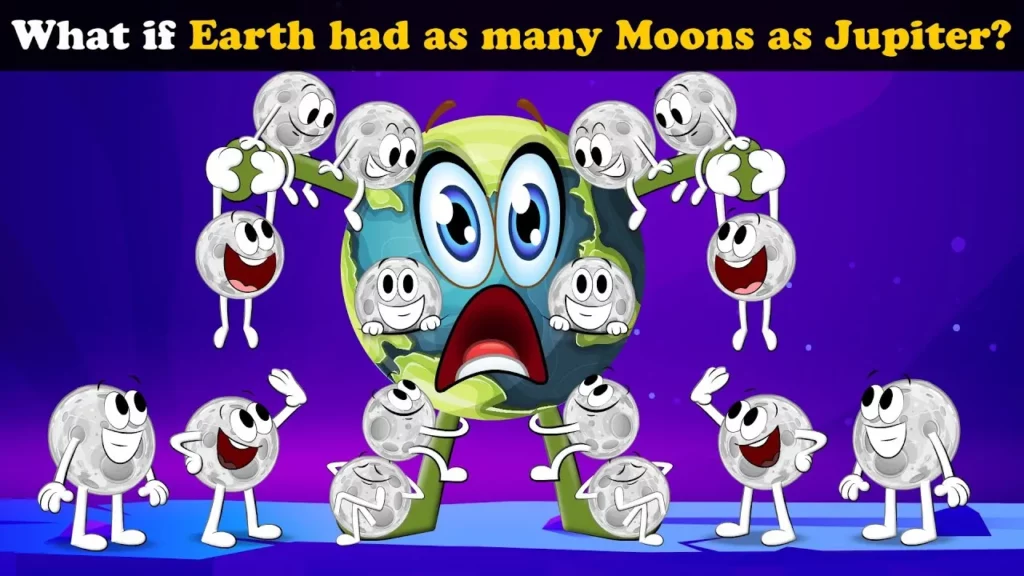
This lesson explores the imaginative scenario of Earth having as many moons as Jupiter, which boasts 79 moons. It discusses the potential impacts on our environment, such as crowded skies, super high tides, and brighter nights, as well as the possibility of humans living on these moons. The lesson encourages creative thinking about how such a situation could change life on Earth and our interactions with the solar system.