
What if Earth started Driving?
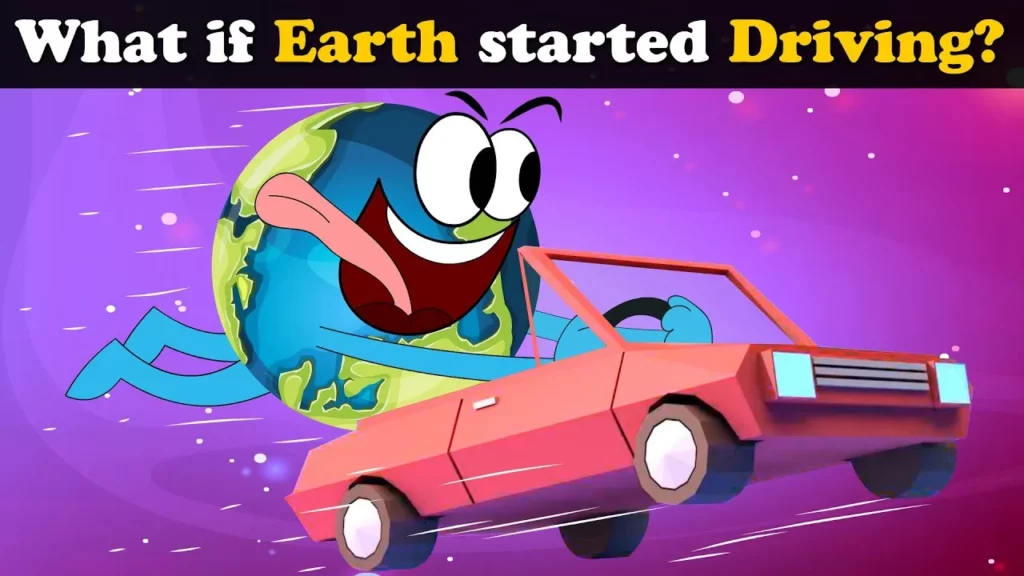
In this imaginative lesson, we explore the whimsical idea of Earth driving like a car, considering the implications for our planet and the solar system. If Earth were to zoom around, it could lead to chaotic scenarios such as traffic jams with other planets, the Moon struggling to keep up, and potential fuel shortages for humans. Ultimately, this playful thought experiment encourages curiosity about our planet and its place in the universe.
Why does our Foot Fall Asleep?
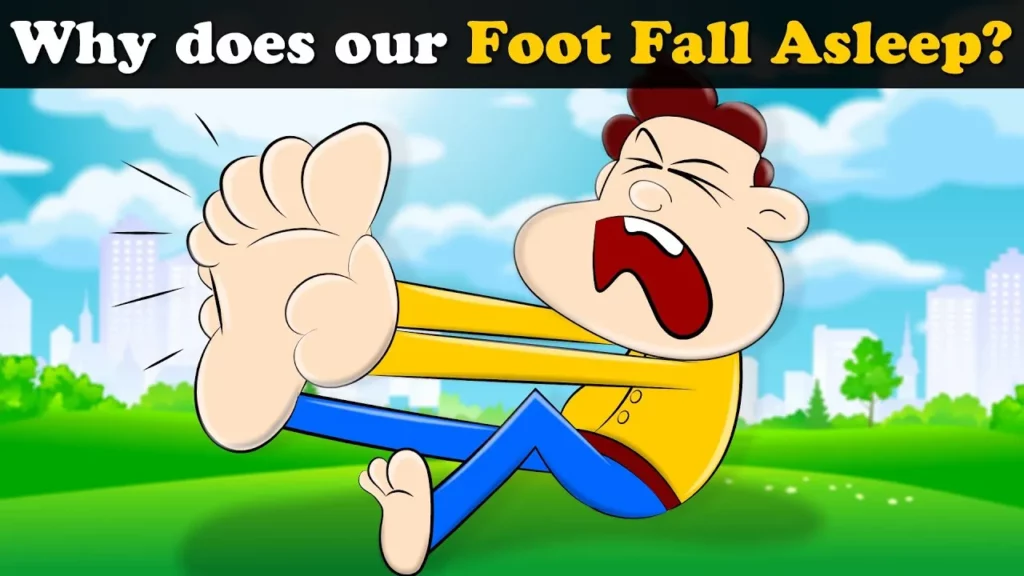
The lesson explains that the sensation of a foot “falling asleep,” characterized by tingling or numbness, is primarily caused by pressure on the nerves rather than a lack of blood flow. When the nerves are compressed, they cannot effectively send or receive messages between the brain and the foot, leading to this temporary condition known as paresthesia. Once the pressure is relieved, normal nerve function resumes, and the sensation dissipates.
How does a Jellyfish Sting?

This lesson explores the fascinating mechanism behind how jellyfish sting, highlighting the role of their tentacles and specialized stinging cells called cnidocytes. When triggered by contact, these cells rapidly release a needle-like stinger that injects venom, allowing jellyfish to defend themselves and capture prey. The lesson also notes that not all jellyfish stings are harmful to humans, emphasizing the importance of observing these creatures from a safe distance.
How do ears help with balancing?
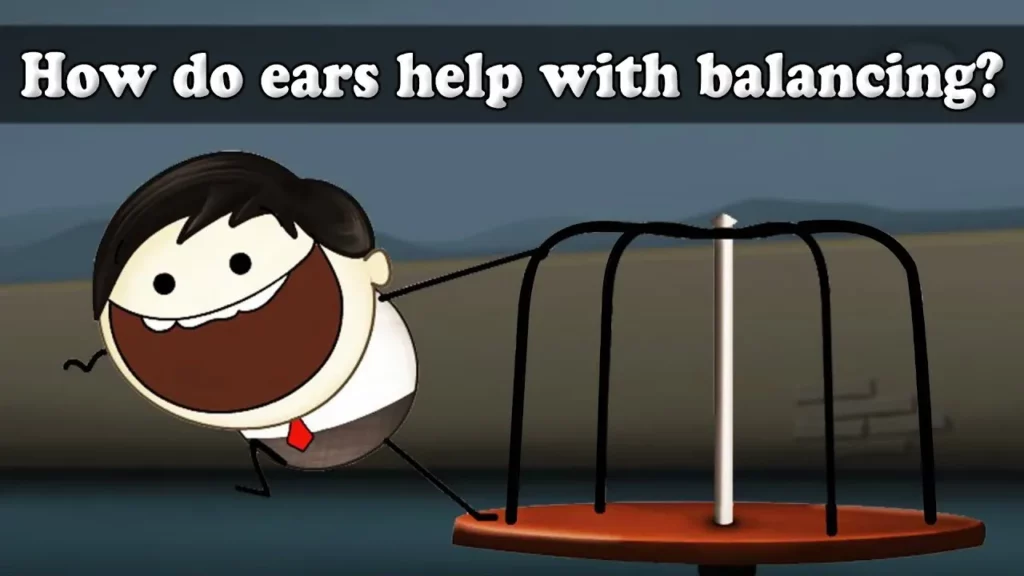
The lesson explains how the ears, particularly the inner ear, play a crucial role in maintaining balance. It highlights the function of the semicircular canals, which detect head movements and send signals to the brain, allowing us to stay upright. The lesson also illustrates the concept of balance with a relatable example of feeling dizzy after riding a merry-go-round, emphasizing the importance of the inner ear’s fluid dynamics in this process.
What if New York Disappeared?
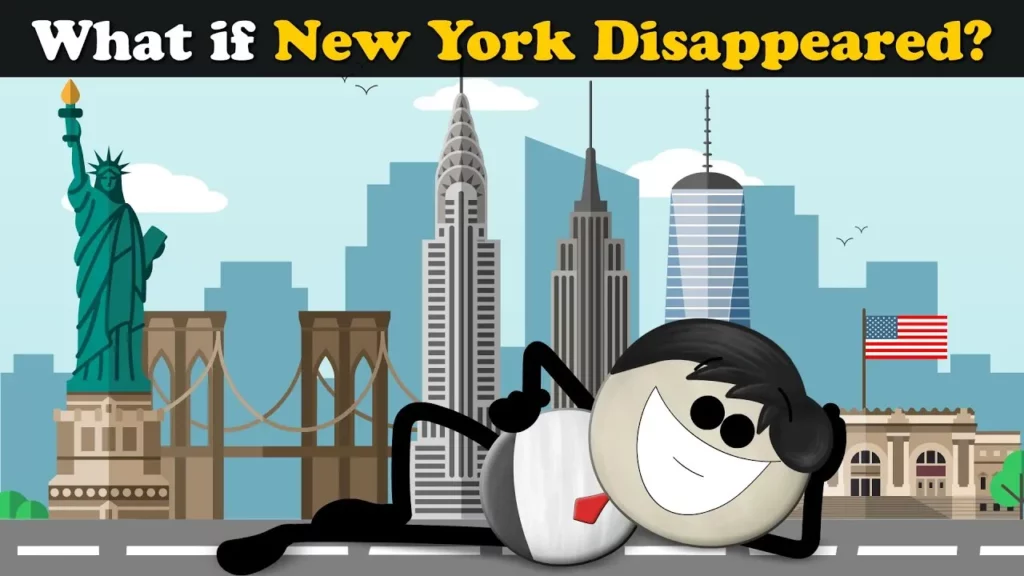
The lesson explores the significance of New York City and the impact of its hypothetical disappearance. It highlights key elements such as the iconic Statue of Liberty, the city’s famous skyscrapers, its vibrant energy, and its role in global finance and entertainment, emphasizing how these features contribute to New York’s unique identity and importance in the world. By imagining the city’s absence, we gain a deeper appreciation for what makes New York so special.
Buoyancy: Can you drown in the dead sea?
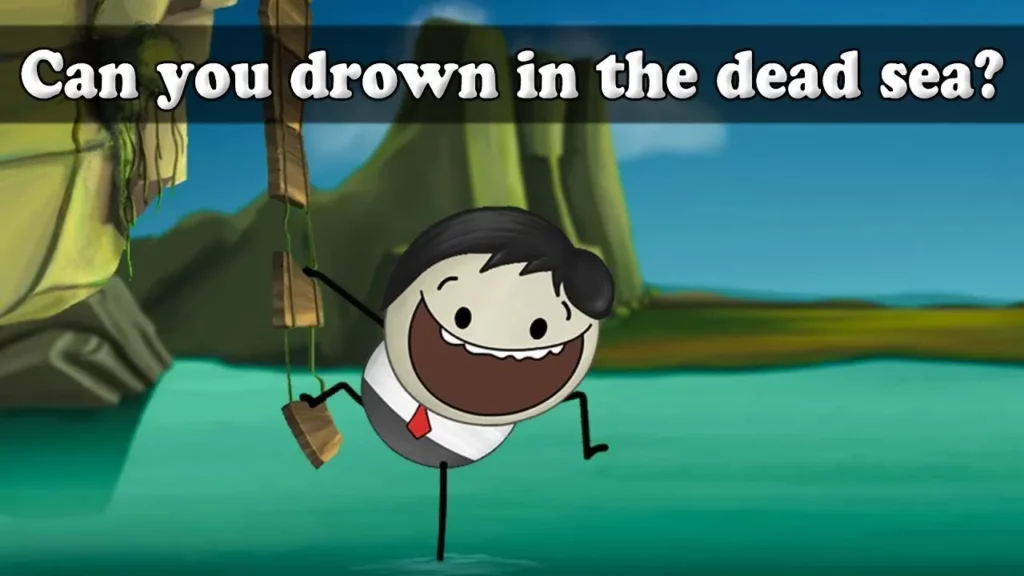
The lesson on buoyancy explains how the unique properties of the Dead Sea, particularly its high salt content, create a dense environment that enhances buoyant force, allowing people to float effortlessly. It emphasizes that even non-swimmers are unlikely to drown in the Dead Sea due to this strong buoyancy, making it a safe place for floating. Additionally, the lesson highlights the broader concept of buoyancy and its applications in everyday objects like boats and submarines.
Why is a convex mirror used as a rear view mirror?
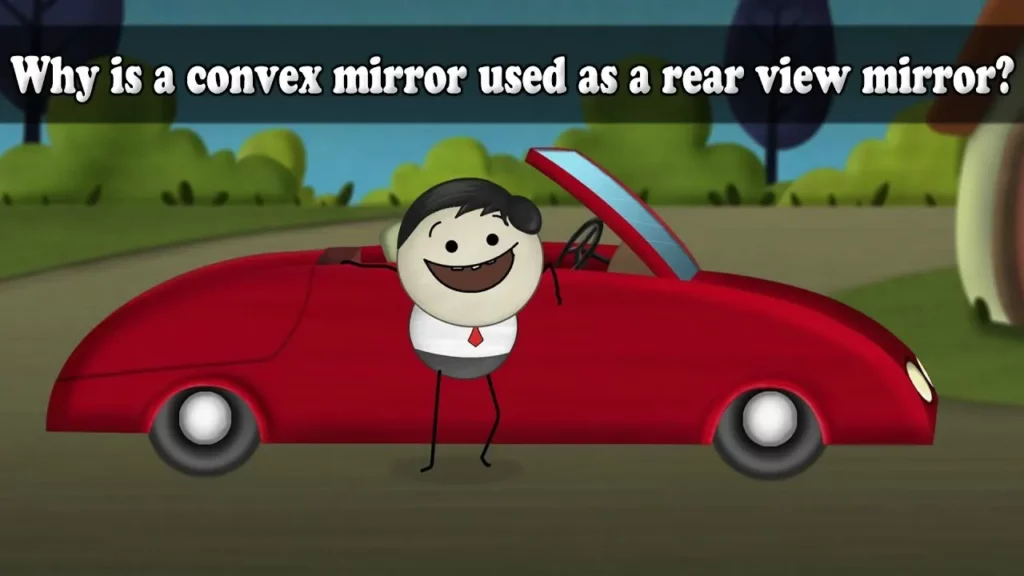
Convex mirrors are used as rear-view mirrors in vehicles because their outward curvature allows for a wider field of view, enabling drivers to see more of their surroundings. Unlike concave mirrors, which can distort the size and distance of objects, convex mirrors provide smaller images that help drivers make safer decisions while driving, such as changing lanes or merging. This design enhances overall road safety by reducing blind spots and improving awareness of nearby vehicles.
States of Matter
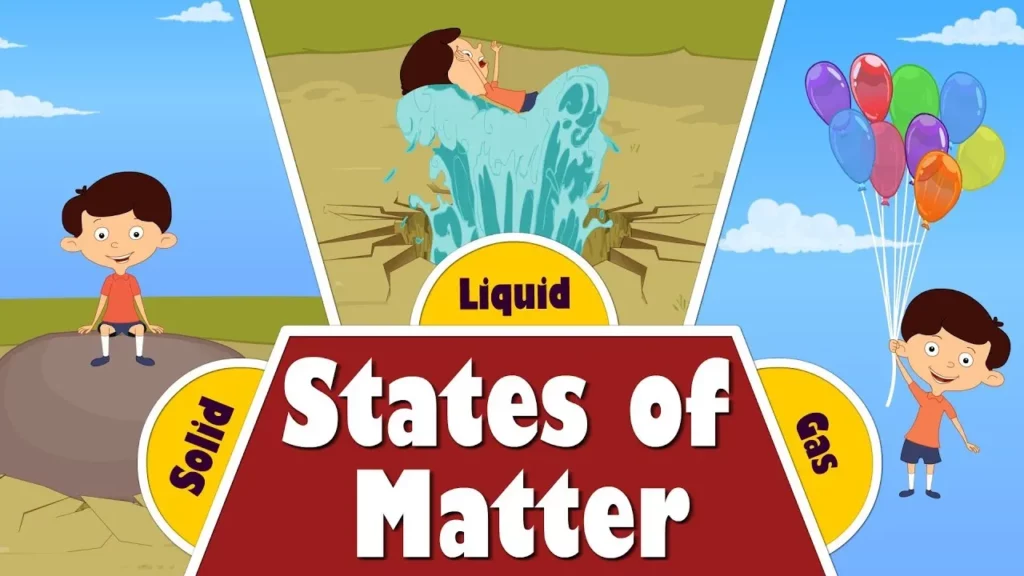
This lesson introduces the three main states of matter: solids, liquids, and gases. Solids have a definite shape and volume due to tightly packed particles, while liquids take the shape of their container but maintain a definite volume with more freely moving particles. Gases, on the other hand, have neither a fixed shape nor volume, as their particles are spread out and move quickly, filling any available space. Additionally, the lesson highlights that matter can change states through processes like melting and evaporation, depending on energy changes.
What if Bosses Disappeared?
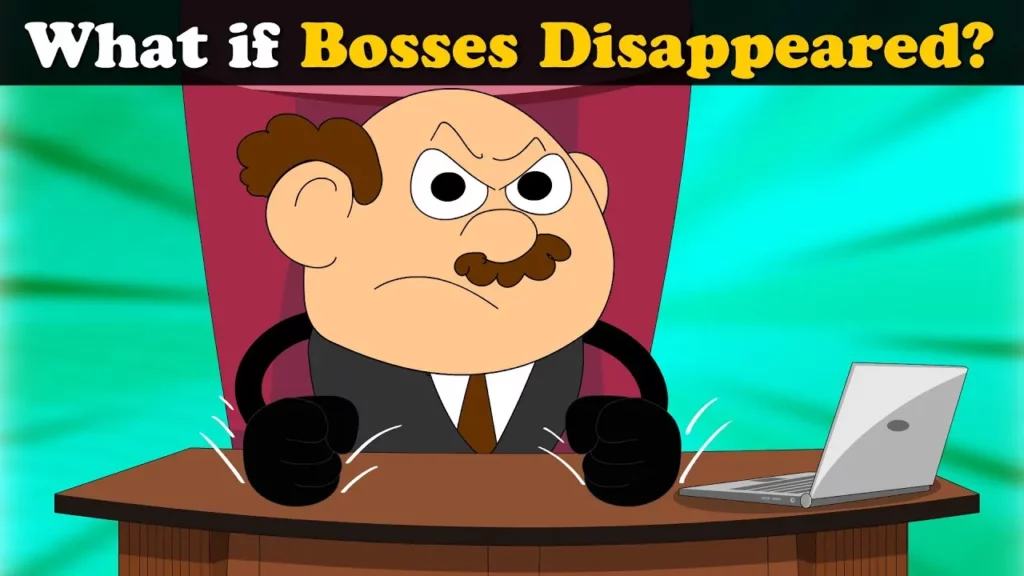
The lesson explores the hypothetical scenario of a world without bosses, highlighting both potential benefits and challenges. While some employees might enjoy increased freedom and flexibility, the absence of leadership could lead to issues such as delayed salaries, decreased productivity, and struggles for small businesses. Ultimately, the lesson emphasizes the crucial role bosses play in maintaining organization and success within the workplace.
What if Yoga Disappeared?
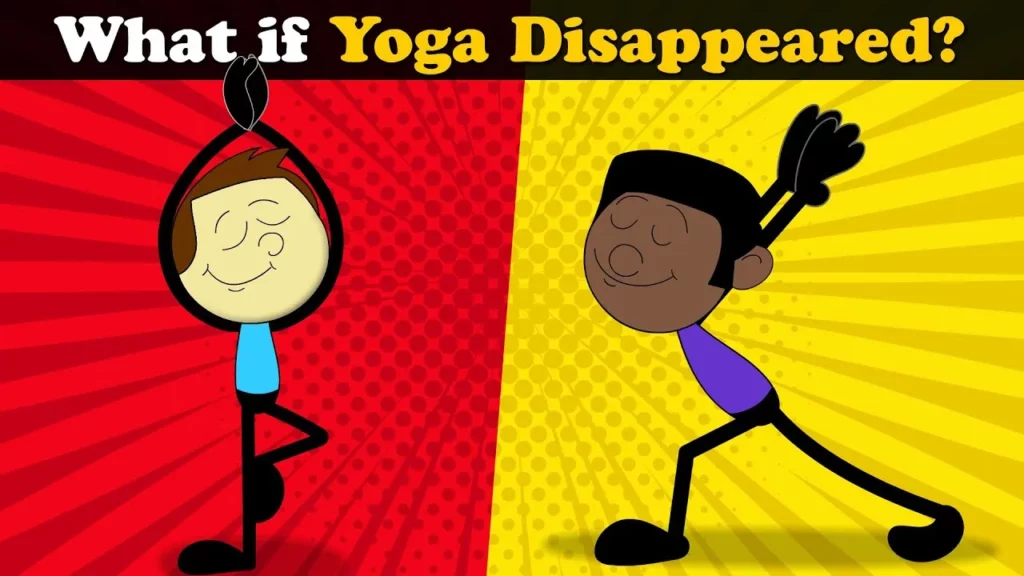
The lesson explores the hypothetical scenario of Yoga disappearing and its potential consequences on fitness, lifestyle, and culture. Without Yoga, new exercise practices might emerge, people could shift their focus towards materialism rather than inner peace, and health maintenance could become more challenging. Additionally, the cultural significance of Yoga in India would be deeply felt, and social media content would likely change as well, reflecting the absence of this popular practice.