
Why do we have two eyes instead of one?
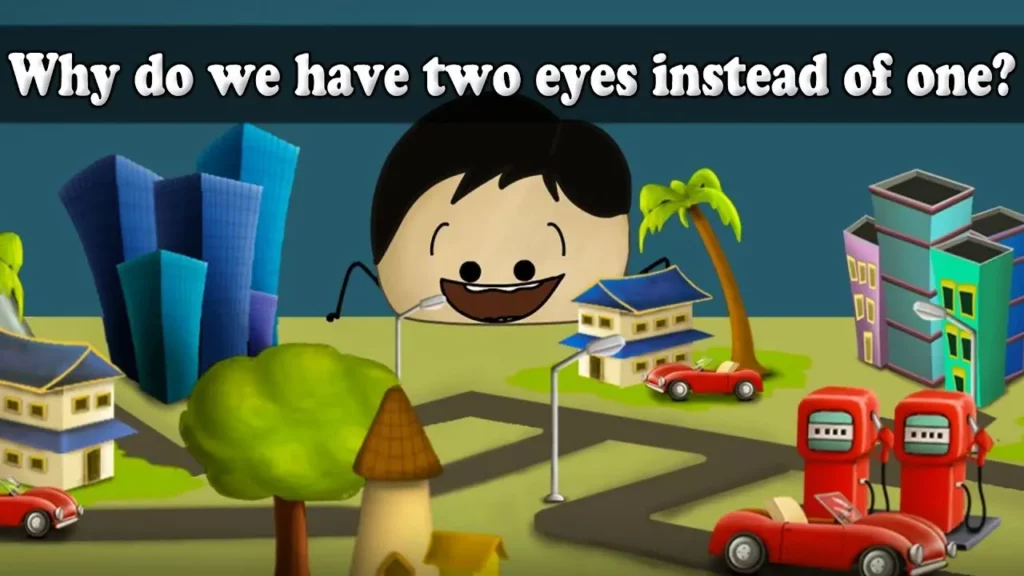
In this lesson, we explore the reasons behind having two eyes instead of one, highlighting how they work together to enhance our vision. By using both eyes, we achieve a wider field of view and gain depth perception, allowing us to accurately judge distances and navigate our surroundings more effectively. This combination of visual input creates a three-dimensional image, which is essential for activities like playing games and avoiding obstacles.
What if AumSum Disappeared?
The lesson explores the potential impact of AumSum’s disappearance, highlighting his role in bringing joy and laughter to people’s lives through his jokes and entertaining educational content. Without AumSum, children might find learning less engaging, and his absence could lead to the creation of museums to commemorate his contributions. Ultimately, the lesson emphasizes the importance of AumSum’s unique presence in fostering happiness and education, encouraging the hope that he remains a constant source of fun and knowledge.
What if South Africa Disappeared?

The lesson explores the hypothetical scenario of South Africa disappearing and highlights the significant cultural, economic, and environmental contributions the country makes to the world. Key points include the impact on global gold supply, the loss of luxury travel experiences like Rovos Rail, the disappearance of thrilling adventure spots such as Bloukrans Bridge, and the endangerment of unique wildlife and natural habitats. Overall, the lesson emphasizes the importance of South Africa’s diverse offerings and encourages appreciation for its rich resources and experiences.
Water Purification: Why is alum added to water?
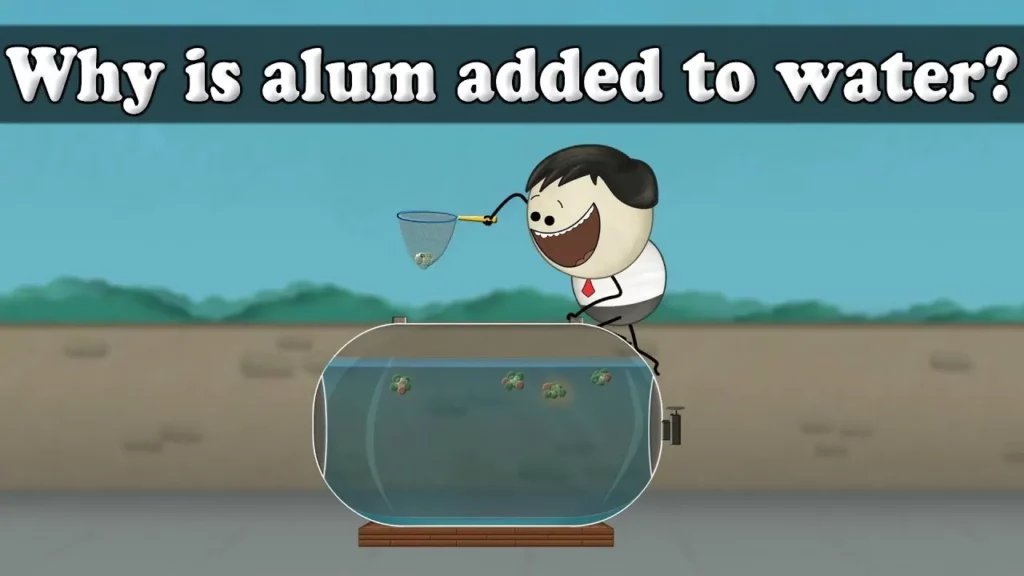
The lesson explains the process of water purification, highlighting the role of alum, a chemical compound that acts as a coagulant to help remove impurities from water. By attracting small particles and causing them to clump together, alum facilitates sedimentation and subsequent decantation, ensuring cleaner water. The importance of clean water for health is emphasized, along with the historical use of alum in water purification.
Why do we see lightning before thunder?
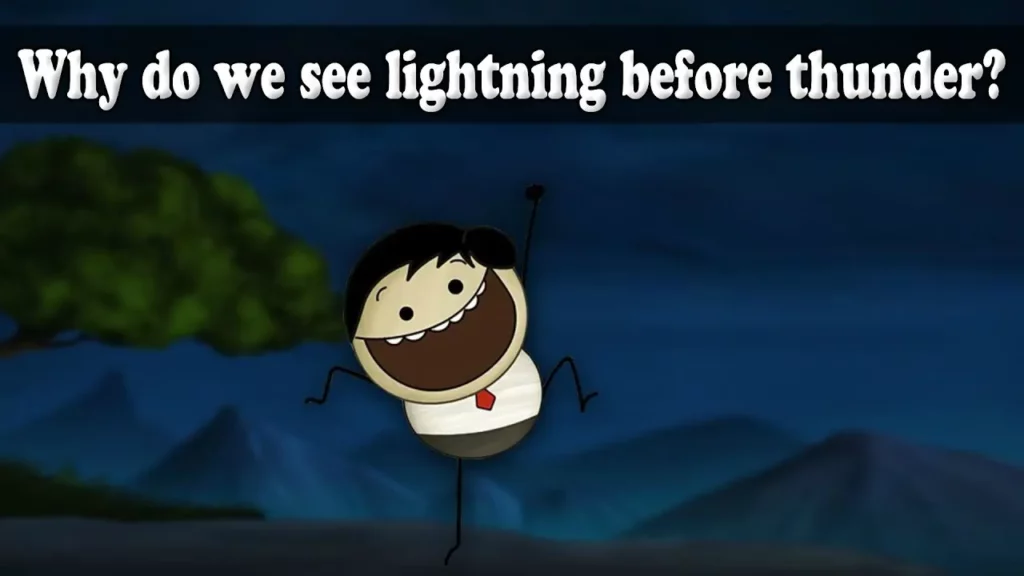
In this lesson, we learn that lightning and thunder occur simultaneously during a storm, but we see the lightning first because light travels much faster than sound. While light moves at approximately 300 million meters per second, sound only travels at about 340 meters per second, causing a delay in hearing the thunder after seeing the flash of lightning. A fun activity is suggested to measure the distance of the storm by counting the seconds between seeing lightning and hearing thunder.
What if we stopped drinking water?
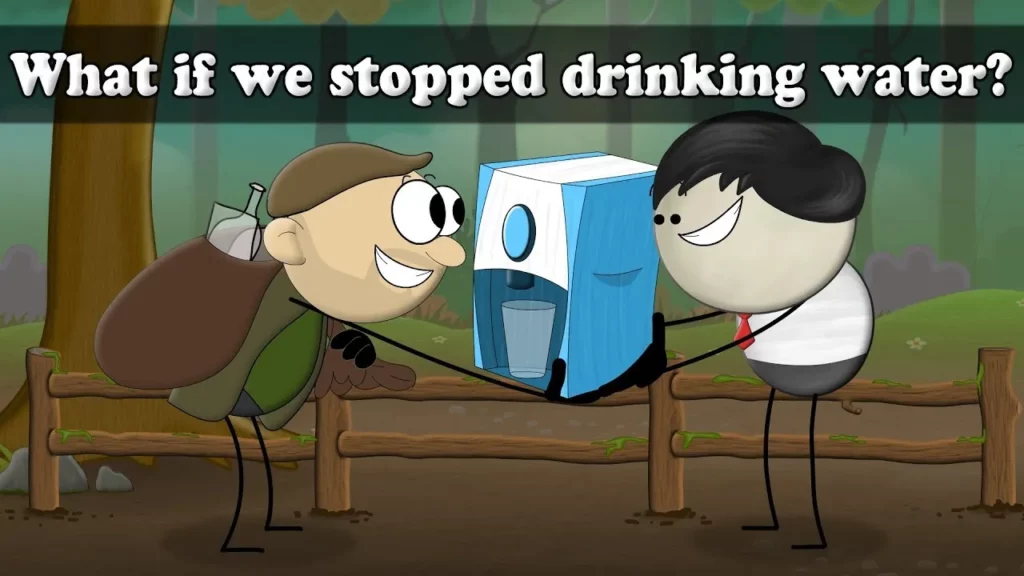
The lesson emphasizes the critical importance of water for our bodies, highlighting that approximately 60% to 80% of our body composition is water. It explains the consequences of dehydration, such as headaches, fatigue, and serious health risks, while also providing tips on how to maintain proper hydration, including drinking about 8 glasses of water daily and consuming water-rich foods. Overall, the lesson underscores that adequate water intake is essential for optimal bodily function and health.
Why do we get pimples?
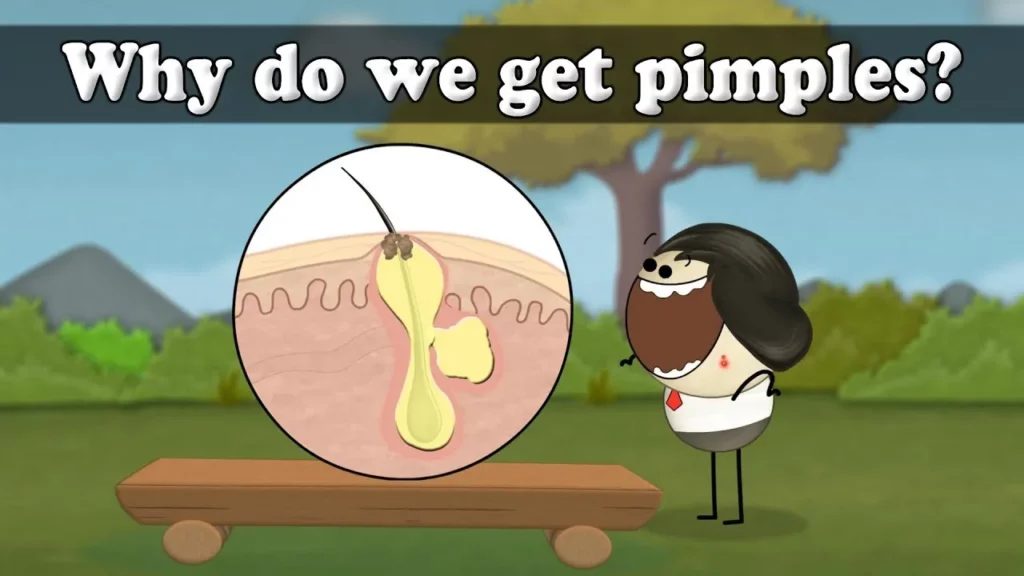
This lesson explains the science behind pimples, highlighting the role of sebaceous glands and sebum in skin health. It details how blocked pores, often due to dead skin cells, can lead to pimple formation, and how bacteria can exacerbate the issue, prompting an immune response that causes redness and inflammation. Additionally, it emphasizes the importance of proper skin care to prevent pimples, especially during puberty when hormonal changes increase sebum production.
What if Moon became a Black Hole?
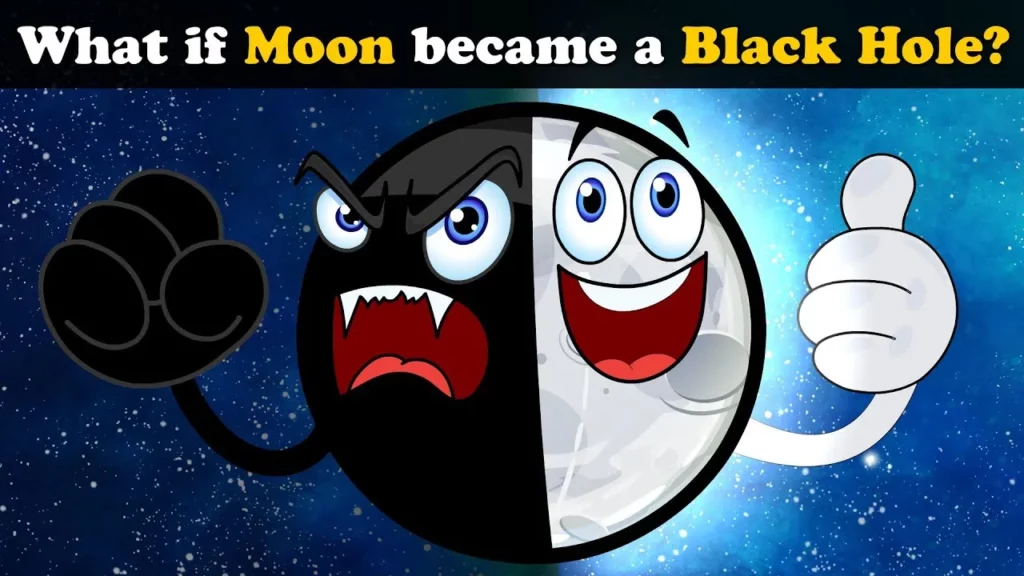
In this lesson, we explore the hypothetical scenario of the Moon transforming into a black hole and the significant consequences it would have on Earth. The Moon plays a crucial role in creating ocean waves and illuminating our nights; its transformation into a black hole would disrupt these functions, leading to darker nights and potentially affecting surfing conditions. Ultimately, while the idea is intriguing, it’s best to appreciate the Moon in its current state.
Why is dry ice so dangerous?
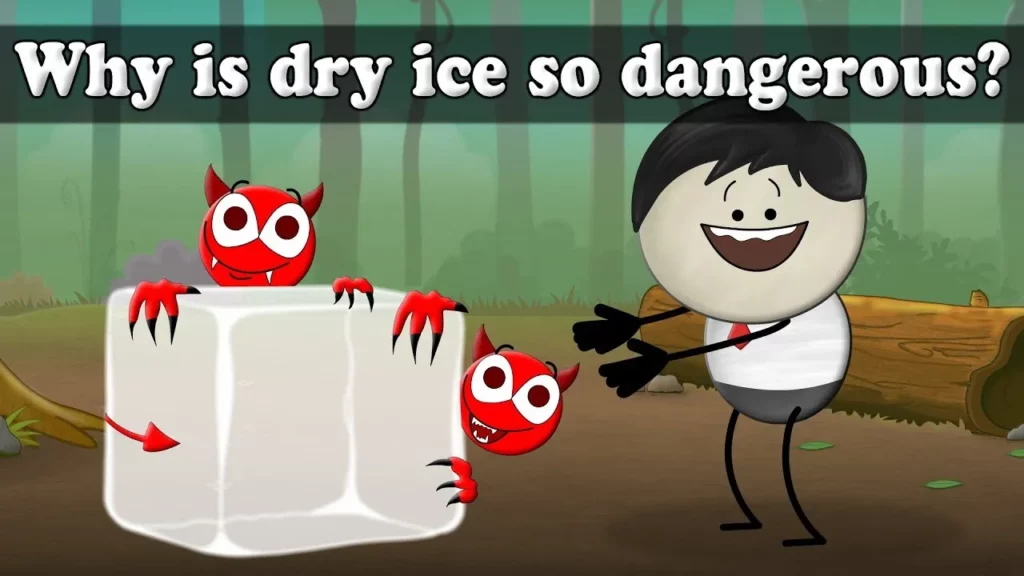
Dry ice, the solid form of carbon dioxide, is extremely cold at about -78 degrees Celsius and can be dangerous if mishandled. It can cause frostbite upon direct skin contact and can create pressure in sealed containers, leading to potential explosions. Proper handling, such as using gloves and storing it in well-ventilated areas, is essential to safely enjoy its unique properties and applications, like creating fog effects and demonstrating sublimation in science experiments.
What if Humans painted Earth White?
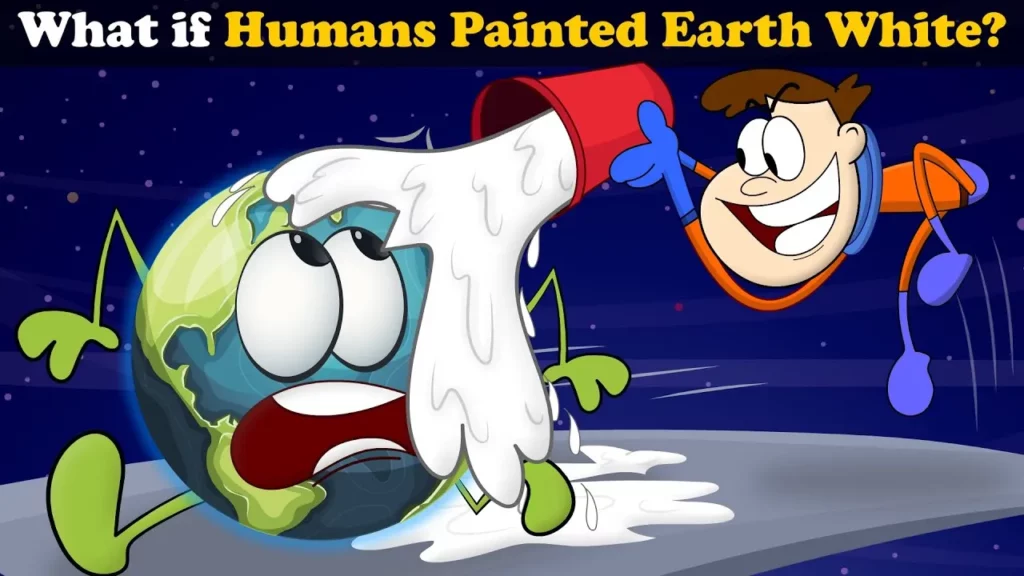
The lesson explores the imaginative scenario of painting Earth white, highlighting how such a change would alter the planet’s appearance and affect its relationship with the Moon and Sun. It emphasizes the importance of colors in recognizing and appreciating the beauty of our planet, while also encouraging us to cherish and protect Earth’s natural hues. Ultimately, the lesson serves as a playful reminder of the significance of Earth’s vibrant colors.