
Why do we get hiccups?
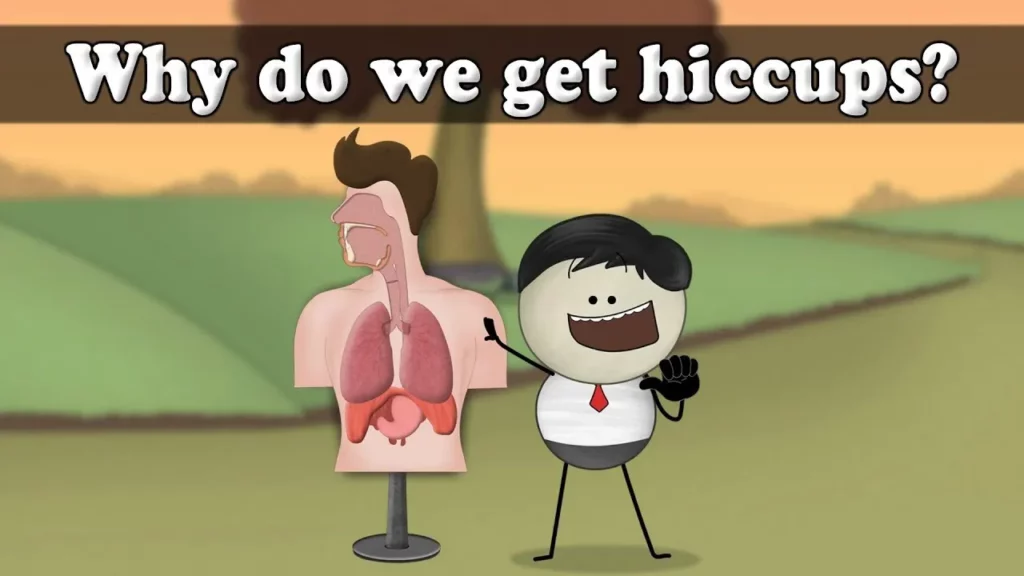
Hiccups occur due to involuntary contractions of the diaphragm, a muscle that aids in breathing. These contractions can be triggered by factors such as overeating, which puts pressure on the diaphragm and causes a sudden intake of air that results in the characteristic “hic” sound. While hiccups are common and usually resolve on their own, there are various fun tricks people use to try to stop them.
Dorothy Height
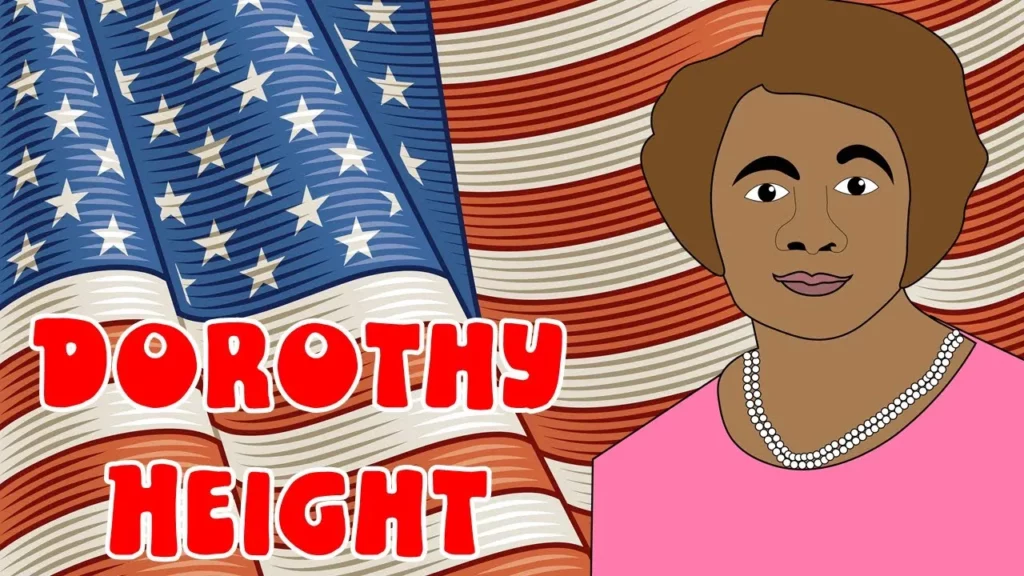
Dorothy Height was a prominent African-American leader who dedicated her life to advocating for civil rights and women’s rights. Despite facing racial discrimination, she achieved significant educational milestones and played a crucial role in organizations like the YWCA and the National Council of Negro Women, where she worked to combat segregation and promote equality. Her legacy continues to inspire efforts toward social justice and inclusion, emphasizing the importance of standing up against injustices in our communities.
Mothers in Nature
The lesson “Mothers in Nature” explores the incredible roles that mothers play in the animal kingdom, highlighting their nurturing behaviors and protective instincts. It emphasizes the challenges and rewards of motherhood, illustrating how mothers provide comfort, safety, and essential life lessons to their offspring. Ultimately, the lesson celebrates the unwavering love and dedication of mothers, acknowledging their vital contributions to the survival and well-being of their young.
Rabbit Life Cycle: All about Rabbits
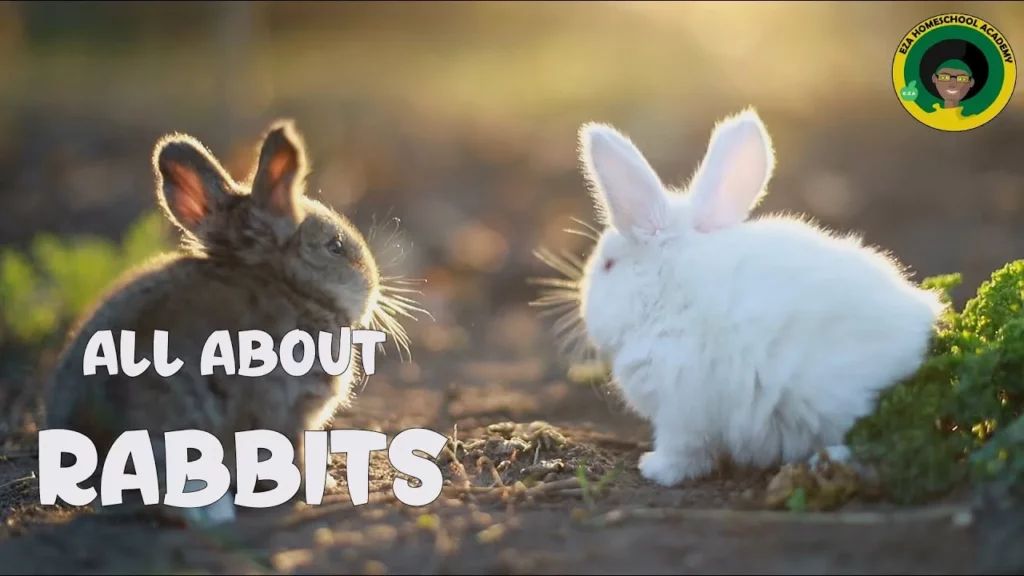
The lesson on the rabbit life cycle introduces students to fascinating facts about rabbits, including their physical characteristics, habitats, diet, and life stages. It covers the journey from newborn kits to adult rabbits, highlighting their rapid growth and reproductive habits. Additionally, the lesson emphasizes the cultural significance of rabbits and their role in ecosystems, encouraging appreciation and protection of these adorable creatures.
Earthquakes for Kids

In today’s lesson on earthquakes, students learned about the Earth’s structure, including its four main layers: the crust, mantle, outer core, and inner core. They explored the causes of earthquakes, primarily the movement of tectonic plates along fault lines, and how scientists measure these events using seismographs. The lesson also emphasized safety precautions during earthquakes and highlighted the importance of caring for our planet.
Thurgood Marshall
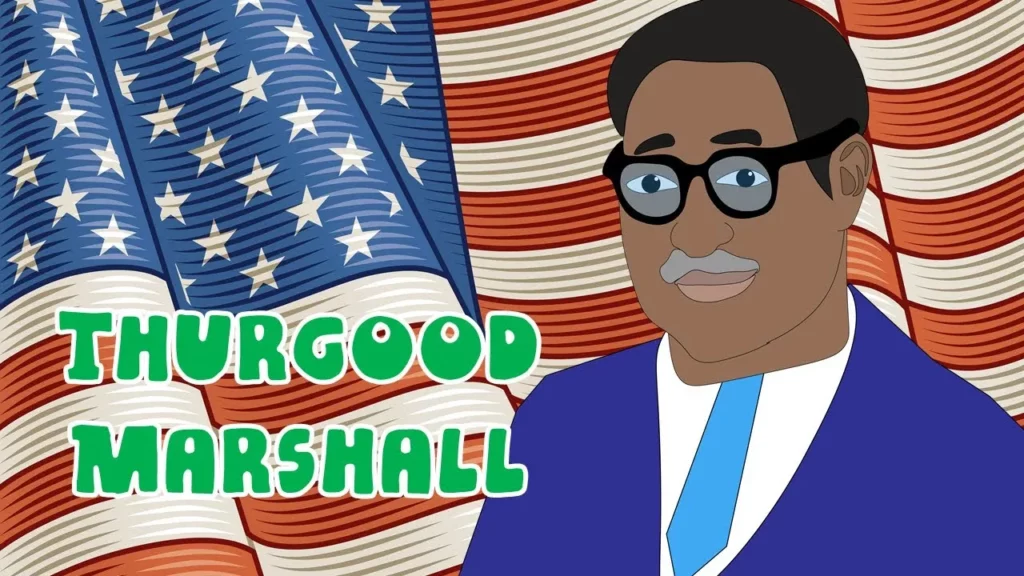
In this lesson, we explored the life and legacy of Thurgood Marshall, the first African-American Supreme Court Justice, who dedicated his career to fighting for civil rights and social justice. From his early experiences with racial discrimination to his landmark victories, including the pivotal Brown v. Board of Education case, Marshall’s relentless advocacy transformed the legal landscape in America. His commitment to equality and justice continues to inspire individuals to stand against injustice in their communities today.
Letter P: Reading Lessons part 11
In today’s lesson, young readers explored the letter “P” through engaging examples like “pig,” “plant,” “polar bear,” and “popcorn.” They practiced reading sentences that included counting these items and participated in a fun game distinguishing between big and small objects. The lesson emphasized the joy of learning and encouraged students to return for more adventures in reading.
Apple Counting to 10
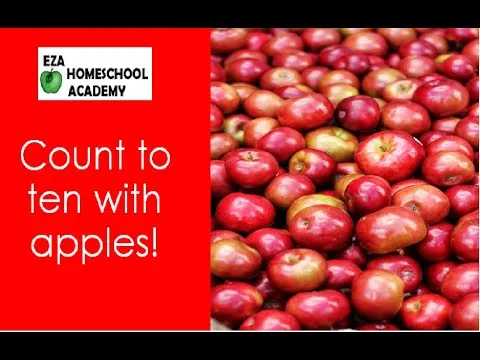
In the “Apple Counting Fun” lesson, learners engage in an interactive counting exercise using apples as a visual aid to reinforce number recognition from one to ten. The lesson emphasizes the joy of counting and encourages repetition to build confidence and expertise in numerical skills. Participants are praised for their efforts, fostering a positive learning environment.
Maya Angelou
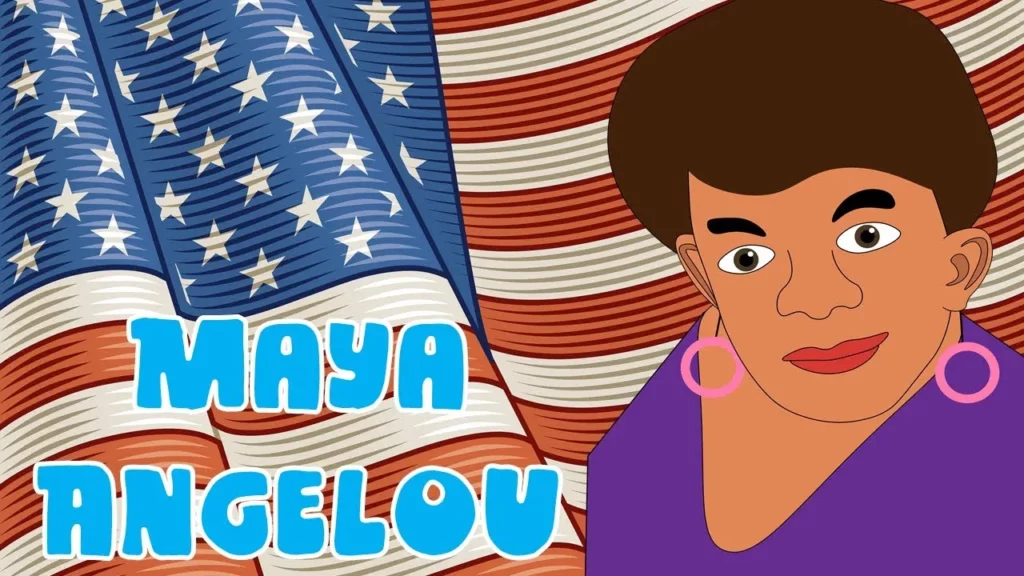
The lesson highlights the life of Maya Angelou, an influential writer, performer, and activist, who overcame significant personal challenges to become a powerful voice for equality and justice. Born Marguerite Johnson, she found her voice through literature after a traumatic childhood experience and went on to contribute to the Civil Rights Movement while producing acclaimed works, including her autobiography “I Know Why the Caged Bird Sings.” Angelou’s legacy continues to inspire individuals to advocate for diversity and inclusion, emphasizing the importance of using one’s voice to effect positive change.
Louise Bennett
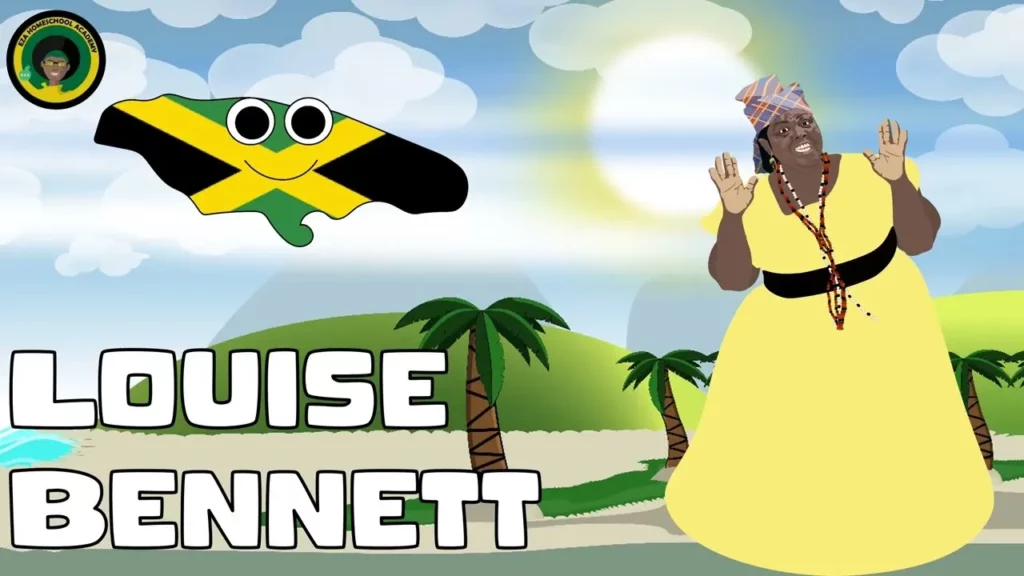
In this lesson, we explored the life and contributions of Louise Bennett, a pivotal figure in celebrating Jamaican culture and language. Born in 1919, she passionately advocated for Jamaican Patois through her poetry and performances, helping to elevate its status during a time of growing nationalism. Known as “Miss Lou,” her legacy as a folklorist, actress, and social commentator continues to inspire pride in Jamaican traditions and language even after her passing in 2006.