
Our Solar System
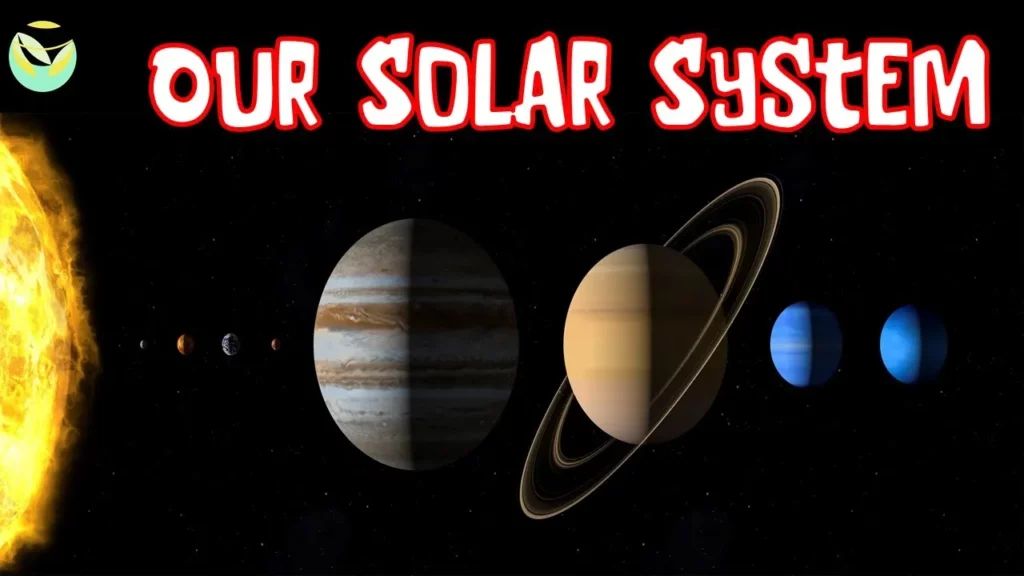
In this lesson, students embark on an exciting journey through our solar system, exploring the Sun and the eight planets, along with their unique characteristics. They learn about the Sun’s vital role in providing light and heat, the extreme conditions of Mercury and Venus, the life-sustaining features of Earth, and the distinct qualities of the outer planets, including Jupiter’s size and Saturn’s rings. The lesson concludes with a brief mention of dwarf planets, highlighting the diversity and wonder of our solar system.
What is a Habitat?
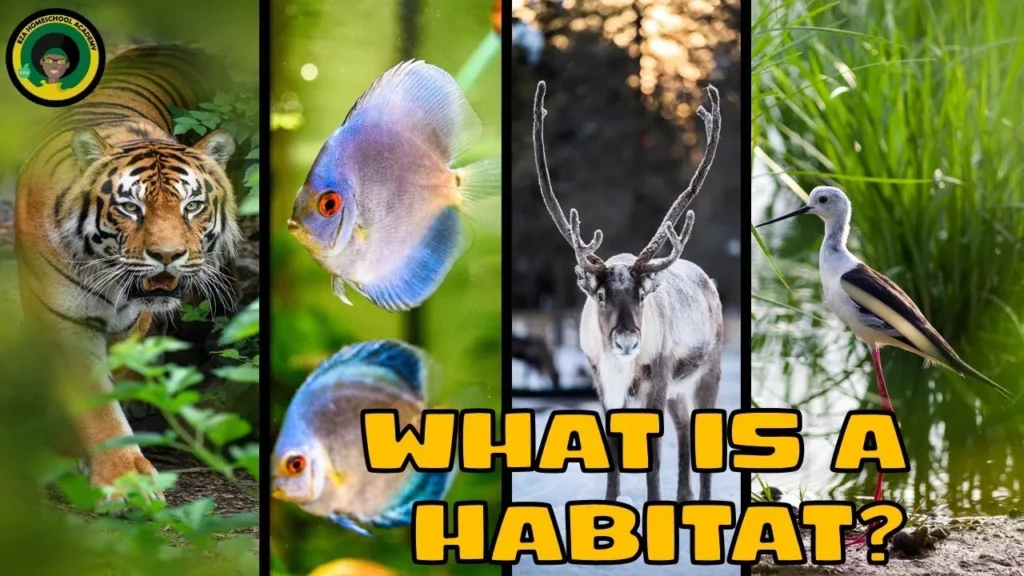
In this lesson, we explored the concept of habitats, which are special homes for animals and plants, similar to how we have houses. We learned about various types of habitats, including forests, oceans, deserts, and polar regions, each providing essential resources for the creatures that live there. The lesson emphasized the importance of protecting these habitats to ensure the survival and well-being of all living organisms.
Life Cycle of a Pumpkin
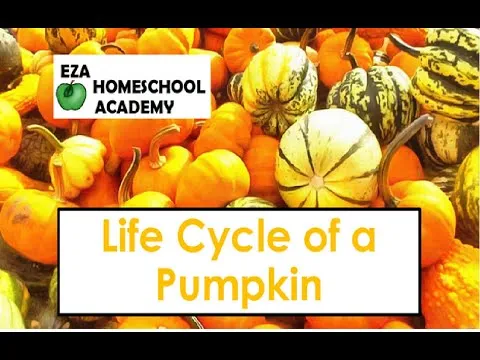
In this lesson, we explored the life cycle of a pumpkin, starting from a tiny seed that grows into a vine with blossoms, eventually developing into a mature pumpkin. We learned that pumpkins are fruits that come in various colors and sizes, and they can be used for cooking, snacks, and Halloween decorations. Additionally, leftover pumpkins contribute to the soil, continuing the cycle of growth for future pumpkins.
Wonderful Wolves
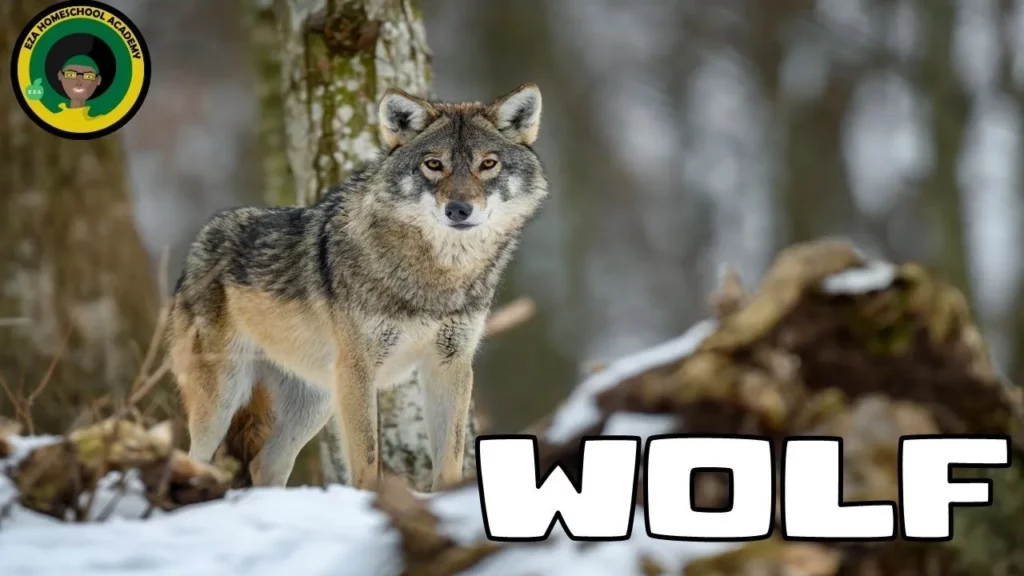
In the lesson “Wonderful Wolves,” students explore the fascinating world of wolves, learning about their physical characteristics, habitats, diet, communication methods, and ecological importance. The lesson highlights how wolves live in various environments, hunt in packs, and contribute to maintaining balance in nature. Fun facts about their swimming abilities and keen sense of smell further enrich the students’ understanding of these remarkable animals.
Spida and the Pesky Pumpkin
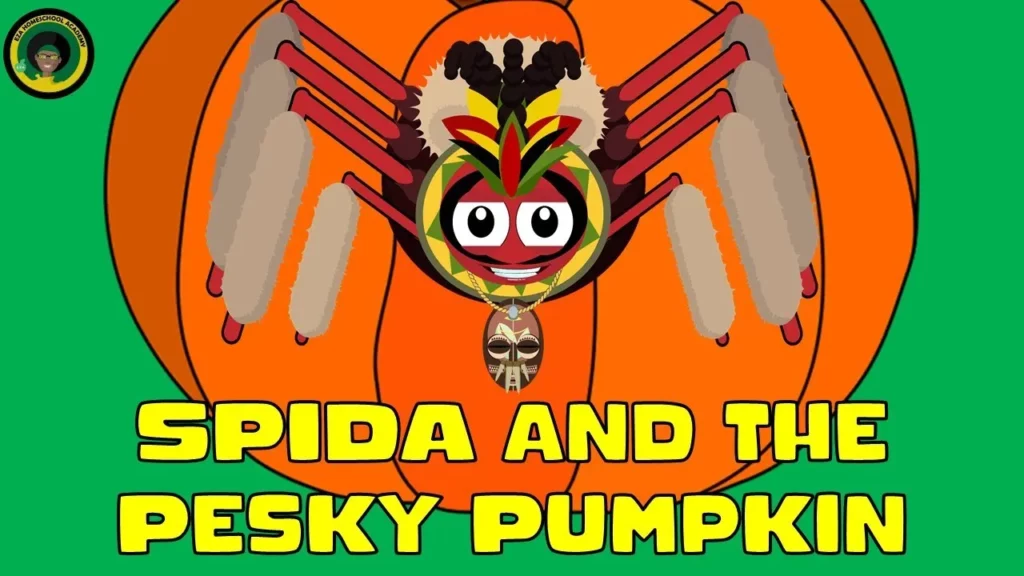
In “Spida and the Pesky Pumpkin,” a little spider, tired of mangoes, sneaks into a monkey’s pumpkin patch to satisfy his hunger. After getting stuck inside a pumpkin, he cleverly pretends to be a talking pumpkin to avoid being discovered, leading to a humorous reveal that brings laughter and friendship between the spider and the monkey. Ultimately, the story highlights themes of cleverness, friendship, and the joy of sharing experiences.
Letter G and Letter H: Reading Lessons part 4
In today’s lesson, young learners explored the letters G and H through fun words and engaging sentences. They discovered words like “goat,” “gift,” “giraffe,” and “gorilla” for the letter G, and “horse,” “hat,” “hot dog,” and “hamburger” for the letter H. The lesson emphasized reading practice and encouraged students to continue their reading journey with enthusiasm.
Letter I and Letter J: Reading Lessons part 5
In today’s lesson, we explored the letters “I” and “J” through fun activities and games. We identified words starting with these letters, such as “iguana,” “ice cream,” and “juice,” while engaging in interactive questions to reinforce our learning. The session emphasized the joy of reading and encouraged students to continue practicing and sharing their learning experiences.
The Human Nose and Its Parts
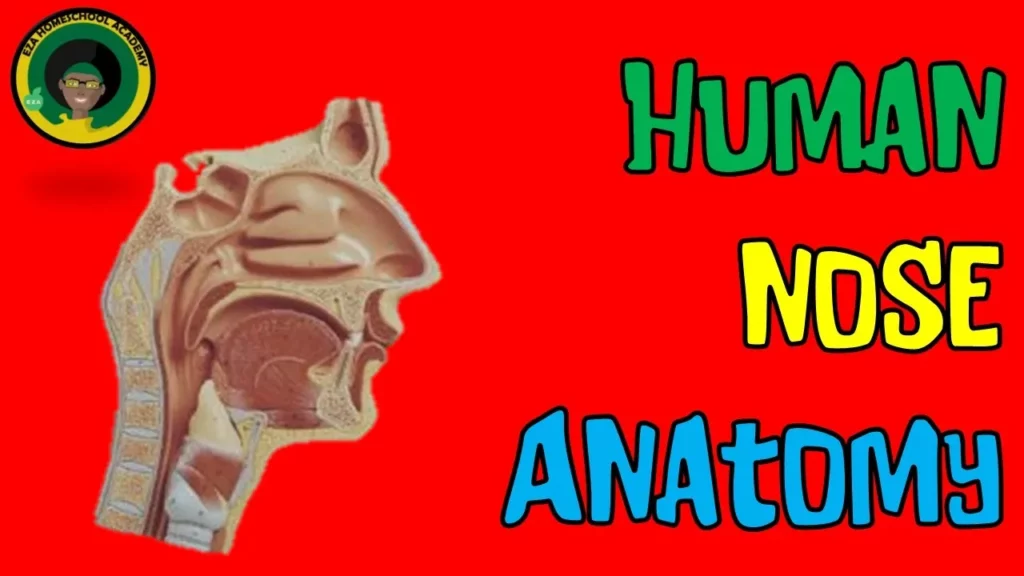
In this lesson, we explored the structure and functions of the human nose, highlighting its essential role in the respiratory system. Key components such as the nasal bones, nostrils, nasal cavity, olfactory region, and paranasal sinuses were discussed, emphasizing their contributions to breathing, filtering air, and our sense of smell. Overall, the nose is crucial for maintaining respiratory health and enhancing our sensory experiences.
Jane Goodall
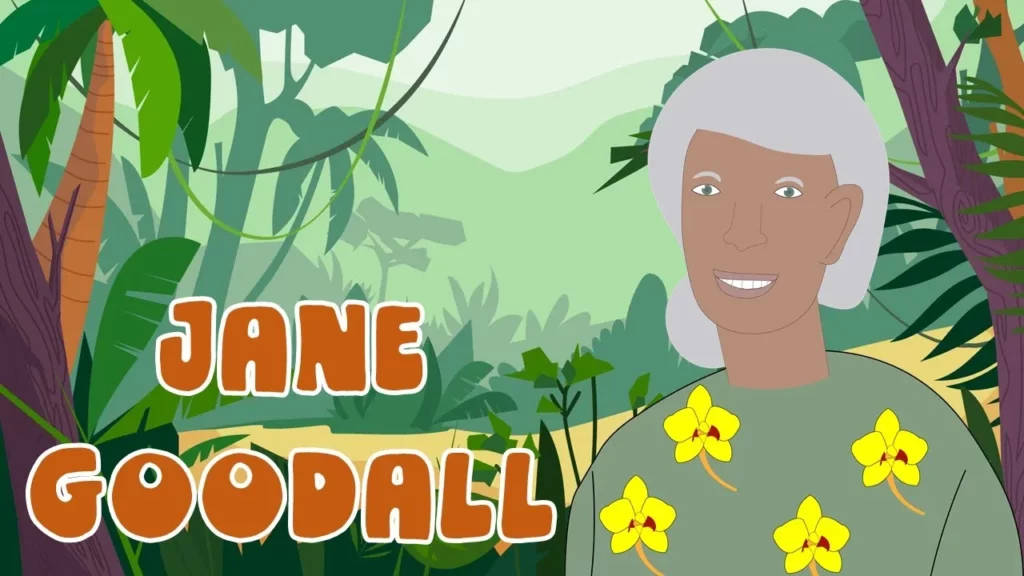
In this lesson, students explore the life and groundbreaking work of Jane Goodall, a pioneering scientist known for her extensive research on chimpanzees in their natural habitat. The lesson highlights her significant discoveries, such as chimpanzees using tools, her journey to earn a PhD without a formal degree, and her ongoing efforts in conservation and environmental advocacy through initiatives like the Jane Goodall Institute and the Roots & Shoots program. Jane’s story serves as an inspiring example of perseverance and dedication, encouraging young people to engage in protecting the planet.
Letter S: Reading Lessons part 14
In today’s lesson, we focused on the letter “S” and explored words associated with it, such as “strawberry,” “sauce,” “sailboat,” and “sign.” We practiced reading sentences that describe these words and discussed the concepts of “big” and “little” in relation to them. The lesson emphasized interactive learning and encouraged students to continue practicing and sharing their learning interests.