
Twinkle, Twinkle, Little Star Song
In today’s lesson, we explored the enchanting song “Twinkle, Twinkle, Little Star,” which celebrates the beauty of stars in the night sky. We learned that stars twinkle due to the light traveling through the atmosphere, creating a magical effect, and engaged our imagination by pretending to be twinkling stars ourselves. The lesson encouraged curiosity about the night sky and the joy of singing.
Counting 1 – 10
In today’s lesson, “Counting Fun at the Seashore,” students engaged in a counting adventure by identifying and counting various items found on the beach, including seashells, coconuts, crabs, seagulls, and treasure chests, all up to ten. The interactive counting exercises encouraged participation and reinforced basic counting skills in a fun and engaging way. Students were praised for their efforts and encouraged to continue practicing counting in their everyday surroundings.
The Muscular System
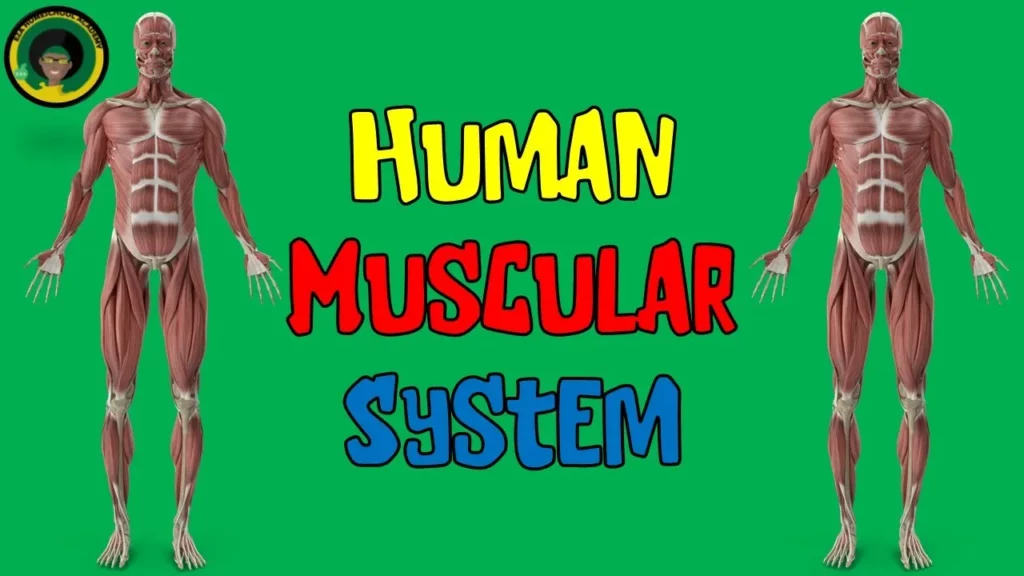
In this lesson, we explored the muscular system, a vital part of the musculoskeletal system that provides structure, support, and movement to the human body. We learned about various muscles, such as the deltoids, biceps, and quadriceps, and their specific functions in facilitating movement and maintaining posture. Overall, the lesson emphasized the importance of muscles in keeping us active and healthy.
Booker T. Washington
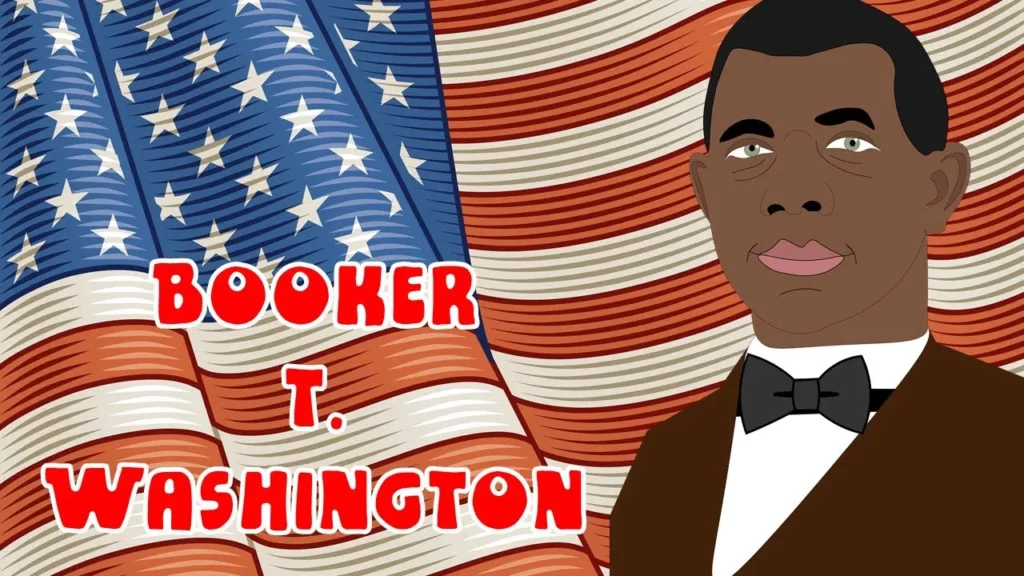
In this lesson, we explored the life of Booker T. Washington, an influential leader and educator who overcame the challenges of being born into slavery to advocate for the education and empowerment of African Americans. His journey from a self-taught student to the founder of the Tuskegee Normal and Industrial Institute highlights his belief in the transformative power of education and hard work. Washington’s legacy continues to inspire efforts against injustice and the pursuit of knowledge today.
Honeybee Life Cycle: All about Honeybees
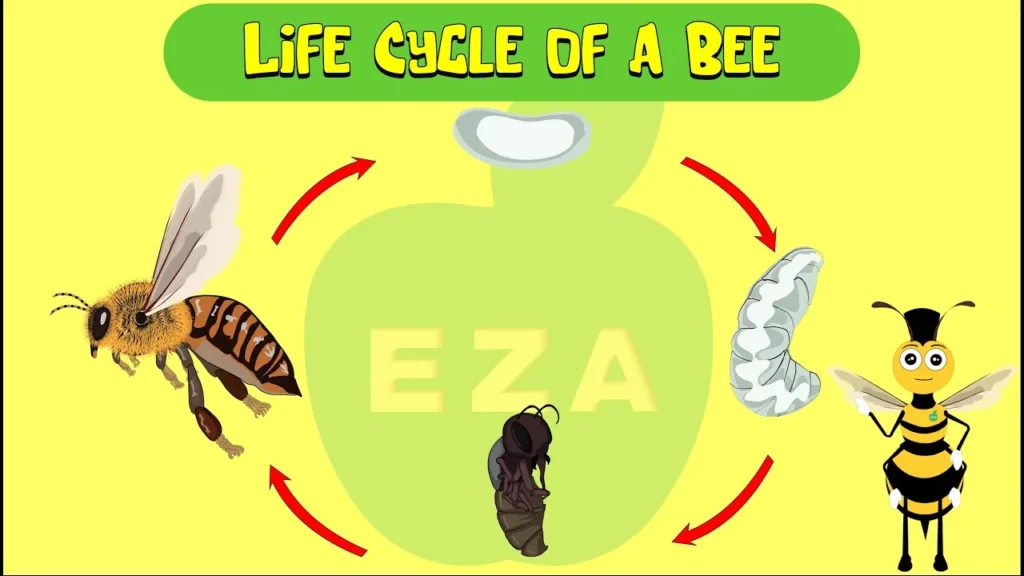
The lesson on the honeybee life cycle highlights the importance of honeybees in our ecosystem, particularly their role in pollination and honey production. It explains the structure of a honeybee colony, detailing the functions of the queen, worker bees, and drones, as well as the four stages of a honeybee’s life: egg, larva, pupa, and adult. Additionally, it emphasizes the need to protect honeybees and their habitats to ensure their survival and the health of our environment.
INTEGERS AND THEIR OPPOSITES
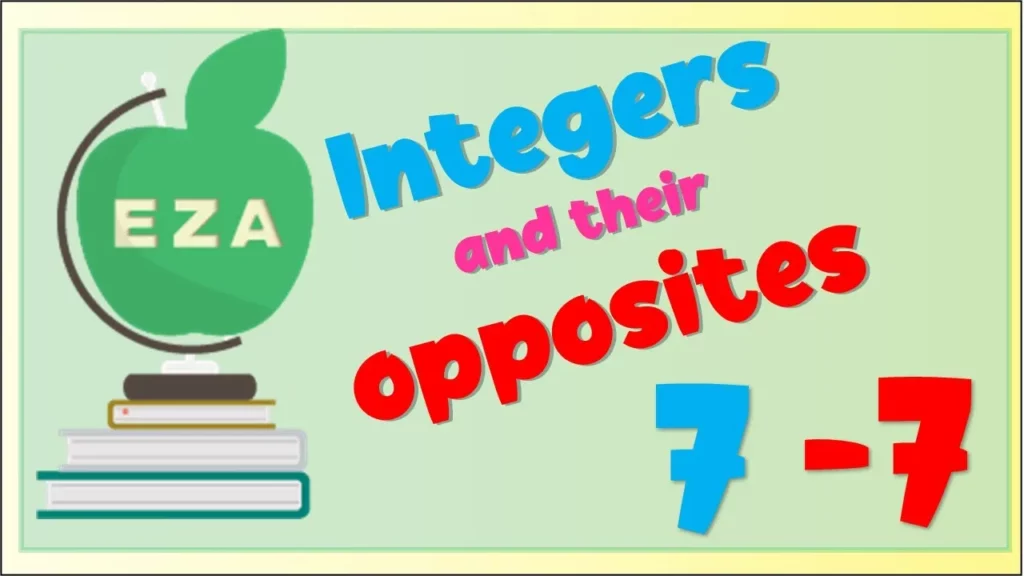
In this lesson, students learn about integers and their opposites, focusing on the number line where positive numbers are located to the right of zero and negative numbers to the left. The concept of opposites is introduced, highlighting that numbers like +3 and -3 are equidistant from zero, and real-world applications such as elevation and temperature are discussed to illustrate the relevance of integers in everyday life.
Ant Life Cycle: All about Ants
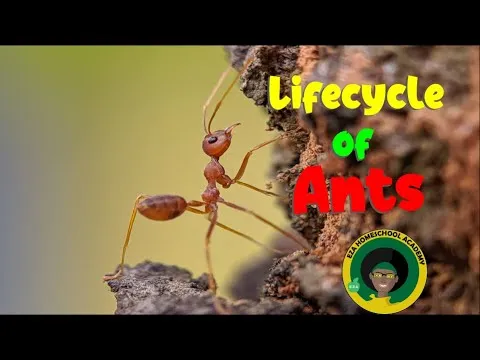
In this lesson, we explored the fascinating world of ants, learning about their strength, structure, and social organization within colonies. Ants undergo a complete metamorphosis through four life stages: egg, larva, pupa (cocoon), and adult, with distinct roles for the queen, males, and female workers in their communities. Additionally, we discovered interesting facts about their communication methods and ecological importance, highlighting their role in maintaining a balanced environment.
Letter T: Reading Lessons part 15
In today’s lesson, young learners explored the letter “T” through engaging examples of words that start with it, such as “truck,” “taxi,” “train,” and “tractor.” The lesson included fun reading exercises featuring these words, emphasizing their speed and encouraging participation. Students were praised for their efforts and invited to share ideas for future lessons, reinforcing the joy of learning and exploration.
Letter R: Reading Lessons Part 13
In today’s lesson, we explored the letter “R” and discovered several animals whose names begin with this letter, including rabbits, reindeer, raccoons, and roosters. We learned that all these animals can run away quickly, highlighting their unique characteristics. Great job participating, and remember to keep practicing your letters and words!
Little Bo Peep (Little Zo Peep)
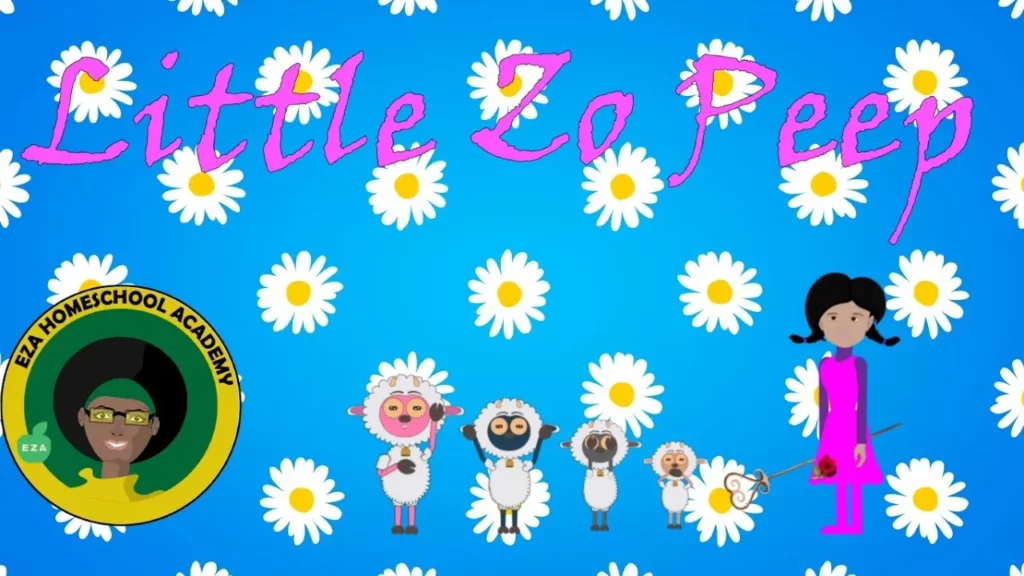
In today’s lesson, we explored the story of Little Bo Peep, who learns that sometimes it’s best to wait for her lost sheep to return on their own. We also enjoyed singing a cheerful song about her adventures, making the learning experience more engaging. Thank you for joining us, and we encourage you to share your learning interests for future lessons!