
Letter V: Reading Lessons part 17
In today’s lesson, young learners explored the letter “V” and its sound, “vuh,” while discovering words that begin with this letter, such as “video game,” “van,” “vase,” and “vegetables.” The lesson included interactive practice with sentences to reinforce their understanding and encouraged students to share their learning ideas. Overall, it emphasized the fun of learning and the importance of practice.
Basic Addition for Kids
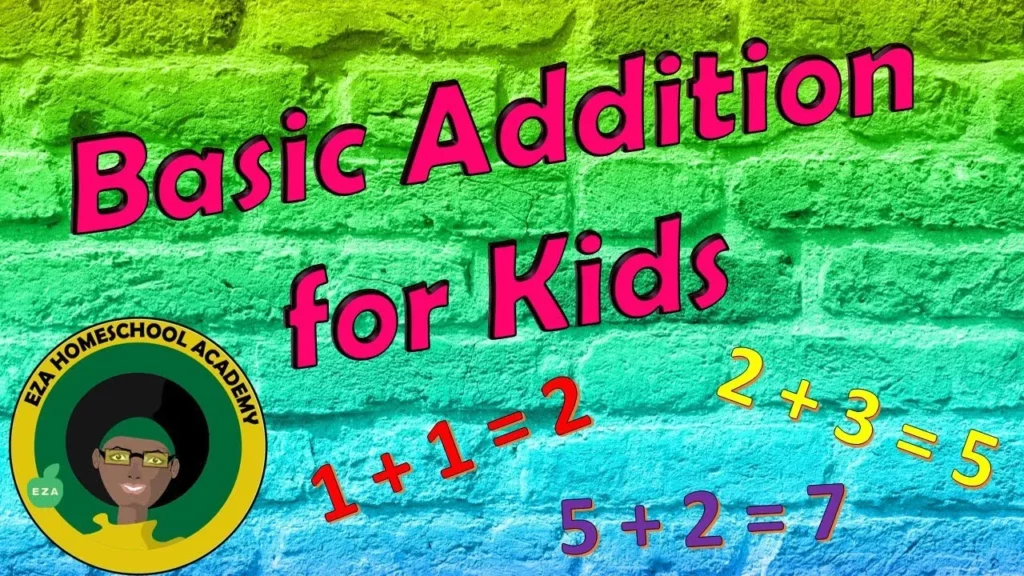
In today’s lesson, we explored the concept of addition, which is the process of combining numbers to find out how many there are in total. We learned key terms such as addends and sum, and practiced addition through fun examples involving balloons, cookies, apples, and more. Great job, everyone! Keep practicing to become a math superstar!
Letter Q: Reading Lessons part 12
In this lesson, students embark on a fun reading adventure focused on the letter “Q” and explore various words that begin with it, such as “quilt,” “quetzal,” “quail,” and “quarter.” Through engaging sentences, learners practice reading and understanding these words in context. The lesson emphasizes the importance of practice and encourages students to continue exploring new vocabulary.
Letter X: Reading Lessons part 19
In today’s lesson, we explored the letter X through fun and engaging examples, including a xylophone, x-ray fish, x-rays, and xerus. We practiced reading sentences that featured these words, enhancing our vocabulary and comprehension skills. Great job participating, and remember to keep practicing and sharing your learning ideas!
Verbs
In this lesson, we learned about action verbs, which are words that describe what someone or something is doing. Through various examples, we explored how action verbs like “running,” “swimming,” and “playing” convey actions in sentences. The lesson emphasized the importance of identifying action verbs to make sentences more dynamic and engaging.
13 American Colonies: US History

In this lesson, students explored the origins of the 13 American colonies, which were established by European settlers, primarily from England, seeking religious, economic, and political freedoms. The colonies were categorized into three regions—New England, Middle, and Southern—each with distinct economies and cultures. The lesson highlighted the significance of the Mayflower Compact as an early example of self-governance and democracy that laid the groundwork for the future United States.
Magnificent Monkeys
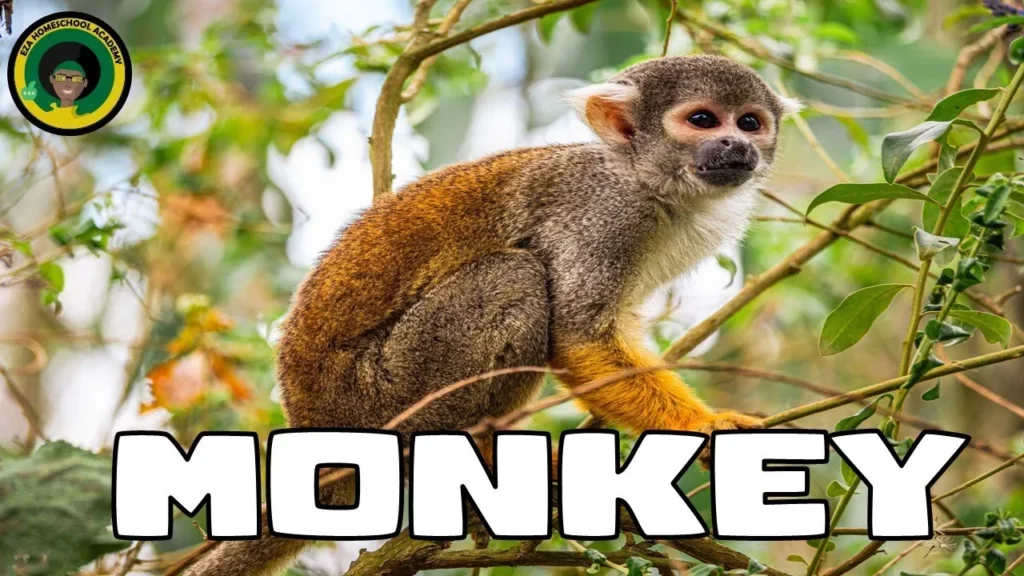
In this lesson, students explore the fascinating world of monkeys, learning about their habitats, diets, and communication methods. They discover the diversity among monkey species and engage in fun activities that encourage them to mimic monkey behaviors. Overall, the lesson highlights the intelligence and playful nature of these magnificent animals.
Letter K: Reading Lessons part 6
In this lesson from EZA Homeschool Academy, students are introduced to the letter K through engaging activities that include reading simple sentences and exploring words that start with K, such as kite, key, koala, and kayak. The lesson encourages participation and imagination, allowing students to visualize playing with these K words while reinforcing their reading skills. Overall, it emphasizes fun and interactive learning while inviting feedback for future topics.
Arthropods
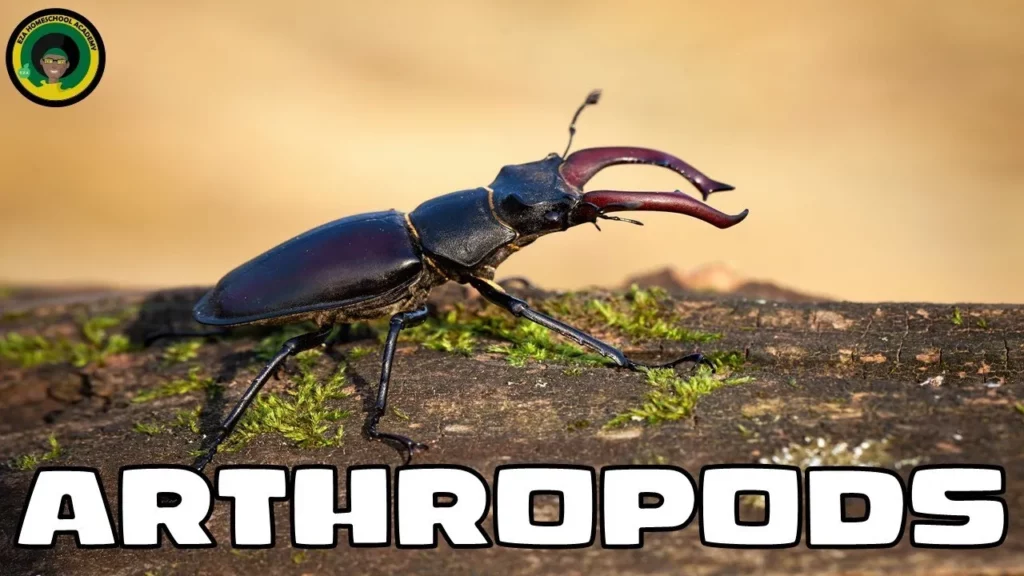
In today’s lesson, we explored the fascinating world of arthropods, a diverse group of animals characterized by their hard exoskeletons. We learned about different types of arthropods, including insects, spiders, and crustaceans like crabs and lobsters, and discussed their importance in our ecosystem, such as pollination and food production. The lesson encouraged us to observe and appreciate these creatures in our environment, highlighting their abundance and unique traits.
Pumpkin Counting to 5
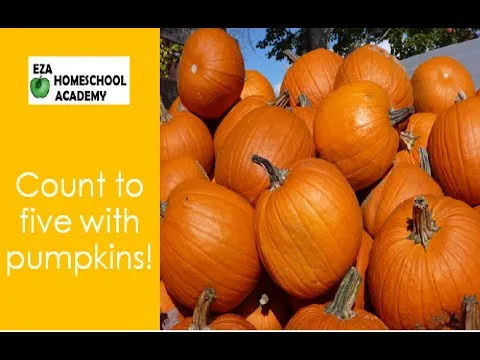
In the “Pumpkin Counting Fun” lesson, children engage in counting pumpkins from one to five, reinforcing their number recognition and counting skills through interactive participation. The lesson emphasizes the joy of counting and encourages children to practice with various objects beyond pumpkins, fostering a playful learning environment. Overall, it highlights the importance of counting in developing foundational math skills while making the experience enjoyable.