
Herbivores, Carnivores or Omnivores?
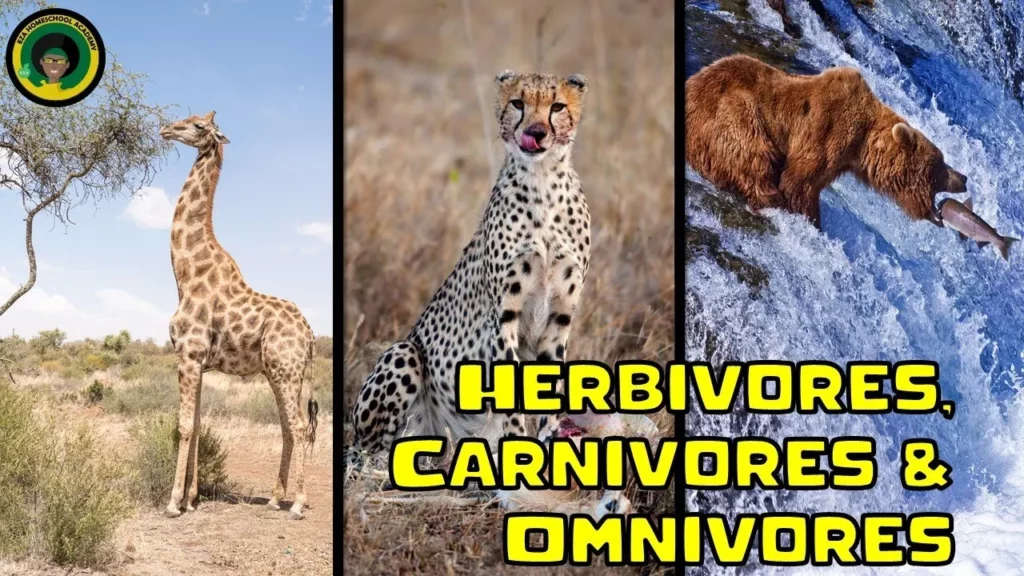
In this lesson, students explore the different dietary classifications of animals: herbivores, carnivores, and omnivores. They learn that herbivores eat only plants, carnivores eat meat, and omnivores enjoy a mix of both. The lesson encourages engagement through a fun guessing game about animal diets and promotes further exploration of the animal kingdom.
Facts about America
In this lesson, students explored various fascinating facts about America, covering its geography, culture, and notable symbols from A to Z. They learned about the country’s size, population, and significant landmarks, as well as cultural icons like apple pie, baseball, and the Statue of Liberty. The lesson emphasized America’s diversity and rich history, making it an engaging introduction to the nation’s unique characteristics.
How to Write a Thesis Statement
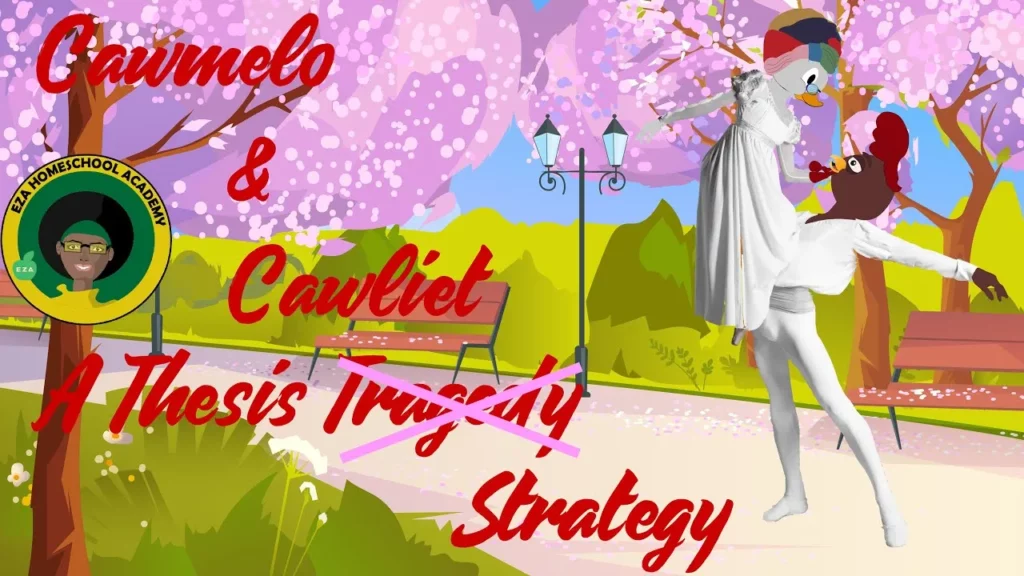
In this lesson, students learn the significance of a thesis statement as a guiding element in their writing, which articulates their interpretation of a topic and sets expectations for the reader. The lesson outlines how to construct a strong thesis statement using a formula that combines an interesting topic, personal feelings about that topic, and supporting details to reinforce the argument. By the end, students will be equipped to create their own unique thesis statements and understand their role in academic writing.
Weather

In this lesson, we explored the fascinating world of weather, learning about its key components such as temperature, wind, humidity, precipitation, and atmospheric pressure. We also discussed different types of weather, including severe weather conditions, and how meteorologists use various tools to predict future weather patterns. Understanding weather is essential as it impacts our daily lives and activities.
Letter N: Reading Lessons part 9

In this lesson, students are introduced to the letter N and its significance through words like “nightingale,” “notebook,” “nest,” and “nut.” They also learn descriptive words such as “brown,” “big,” and “small,” and practice reading simple sentences that incorporate these concepts. The lesson encourages engagement and invites students to share their learning interests for future lessons.
Turtles
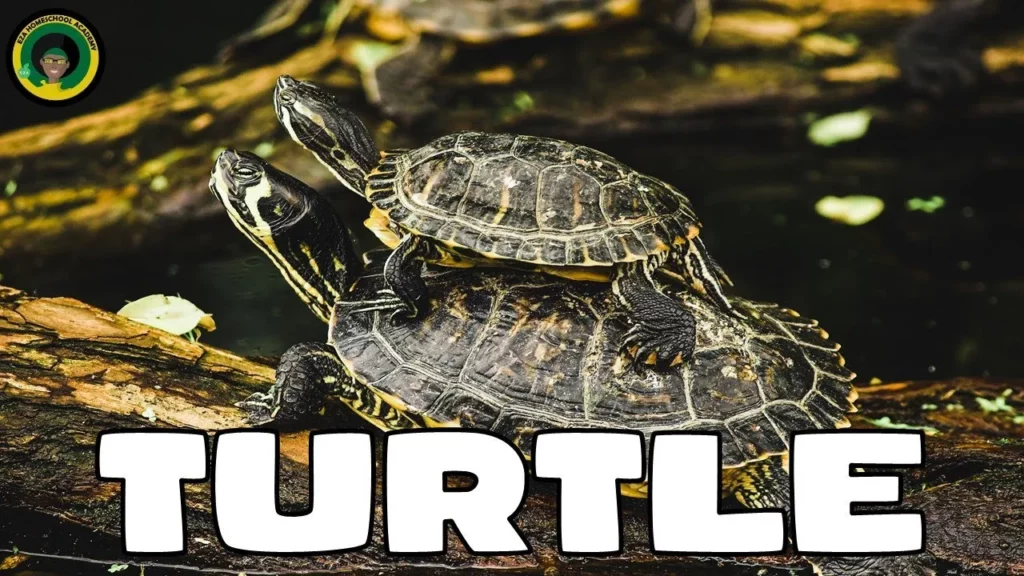
In this lesson, we explored the fascinating world of turtles, highlighting their unique characteristics, habitats, and diets. Turtles, equipped with protective shells, can be found in oceans, freshwater environments, and on land, and they move slowly but steadily. We also learned fun facts about their longevity and adaptations, emphasizing the importance of caring for these remarkable creatures.
Ladybug Life Cycle animation in 30 seconds
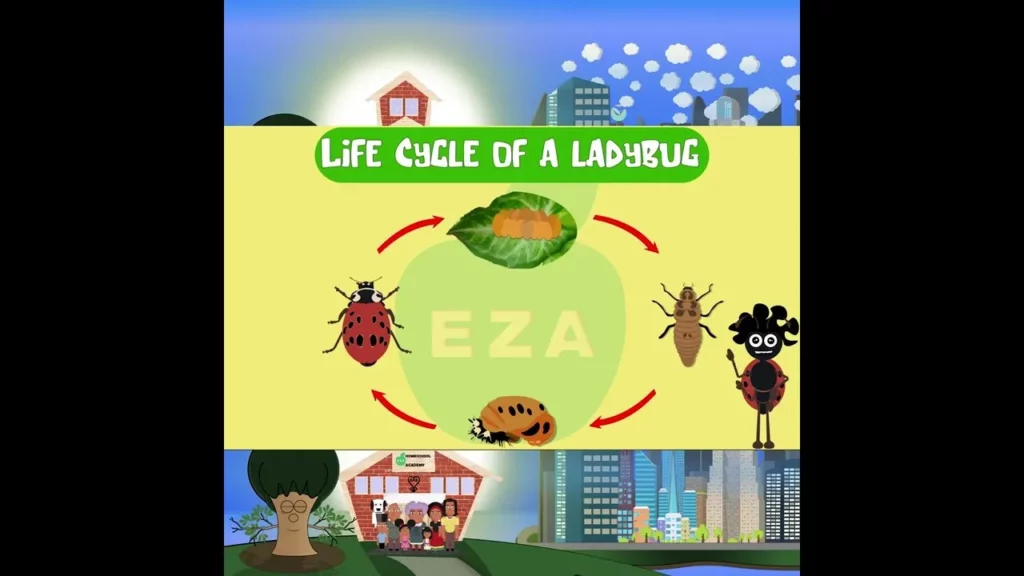
The lesson explores the fascinating life cycle of a ladybug, which consists of four main stages: egg, larva, pupa, and adult. Starting from tiny yellow or orange eggs laid on leaves, the ladybug undergoes significant transformations, including a hungry larval stage that feeds on aphids, a resting pupal stage, and finally emerging as a vibrant adult ladybug ready to continue the cycle. Additionally, the lesson highlights the beneficial role ladybugs play in agriculture by controlling pest populations.
Wildfires

In this lesson, students learned about wildfires, including their definition, the conditions necessary for them to start (fuel, heat, and oxygen), and the two main causes: natural and human-induced. The lesson emphasized the importance of wildfire prevention and management, highlighting safety tips for responding to wildfires, such as listening to adults and having a family emergency plan. Additionally, it discussed the environmental and economic impacts of wildfires and the role of firefighters in controlling them.
Living and Non-Living Things
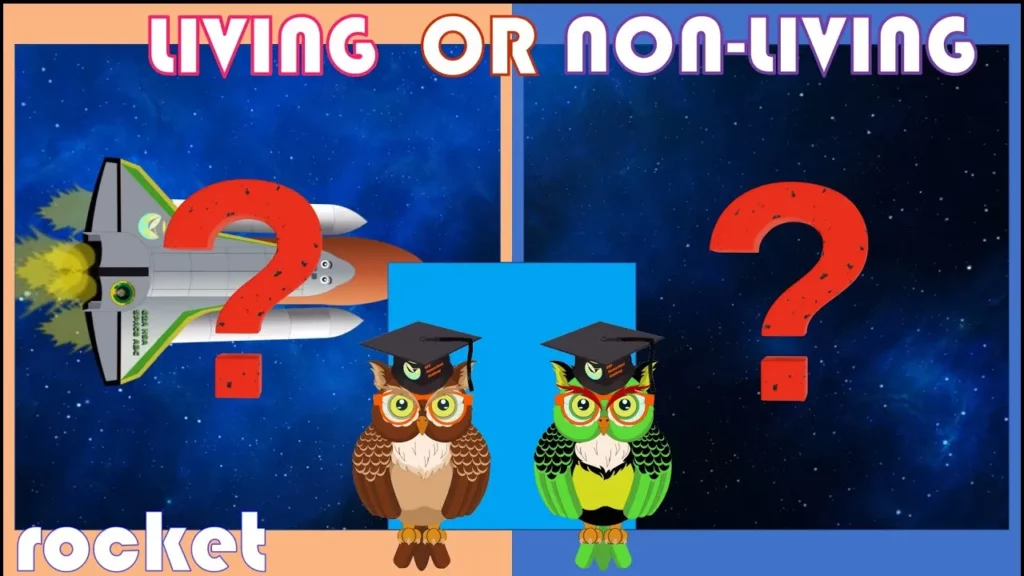
In this lesson, students learn to distinguish between living and non-living things by identifying key characteristics of living organisms, such as their need for food and water, ability to grow and change, capacity to adapt to their environment, and capability to reproduce. By asking specific questions about these traits, learners can determine whether something is alive or not. The lesson encourages exploration of living things in various environments, promoting curiosity and discovery.
Learn about the 50 States: Arizona

In this lesson, students explored the state of Arizona, known as the Grand Canyon State, and learned about its significant natural landmark, the Grand Canyon, as well as its history, having become the 48th state in 1912. The lesson covered Arizona’s state symbols, notable figures such as Sandra Day O’Connor and Cesar Chavez, and key industries including aerospace, technology, tourism, and agriculture. Overall, the session aimed to highlight what makes Arizona unique and encourage further exploration of other states.