
All About Cells and Cell Structure
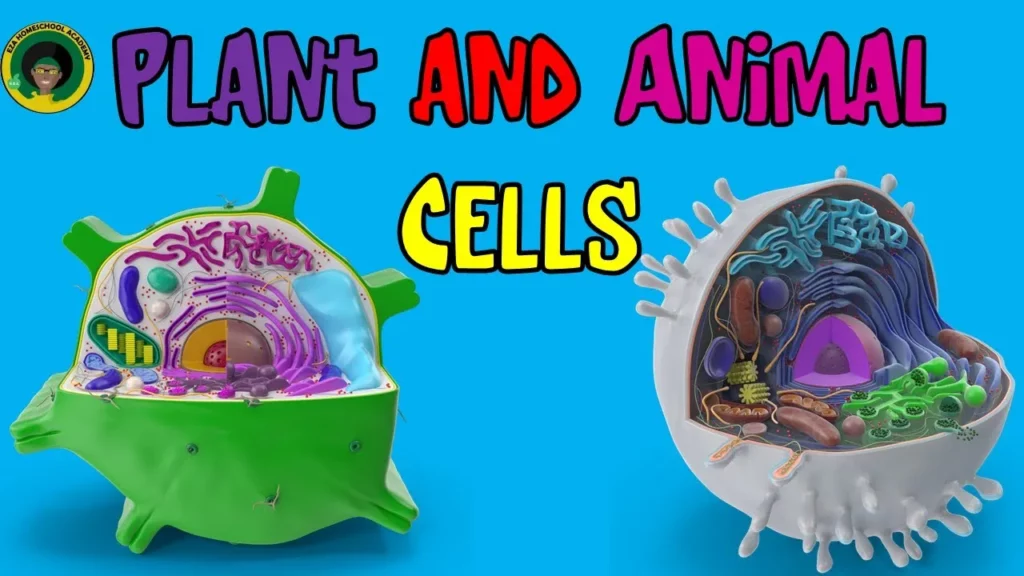
In this lesson, we explored the fundamental unit of life: cells. We learned about the two main types of cells—prokaryotic and eukaryotic—and the unique structures and functions of plant and animal cells, including organelles like the nucleus, mitochondria, and chloroplasts. Understanding cells is crucial as they are the building blocks of all living organisms, enabling growth, movement, and complex functions through their collaborative efforts in multicellular organisms.
Mysterious Meerkats

In this lesson, young explorers are introduced to the fascinating world of meerkats, small furry animals that live in the Kalahari Desert of Africa. Students learn about meerkat families, their diet, and their unique behaviors, such as taking turns as lookouts to ensure safety from predators. The lesson encourages curiosity and exploration, inviting children to engage in imaginative play by pretending to be meerkats.
Ladybug Life Cycle: All about Ladybugs
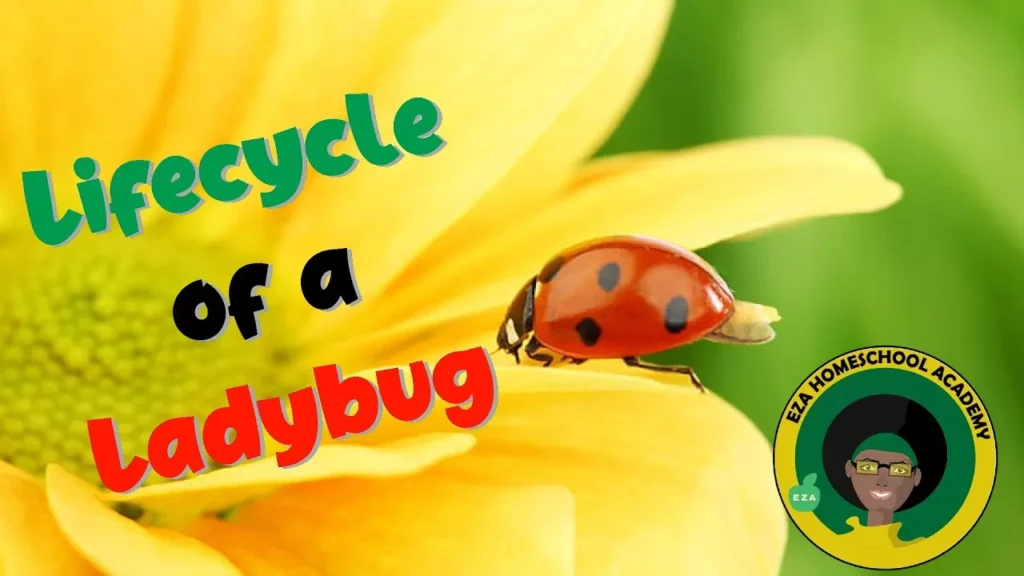
The lesson on ladybugs explores their unique characteristics, habitats, and the important role they play in nature, particularly in pest control. It details the ladybug life cycle, which includes four stages: egg, larva, pupa, and adult, highlighting their metamorphosis and feeding habits. Additionally, the lesson emphasizes the cultural significance of ladybugs as symbols of good luck and their adaptations for survival.
Letter A and Letter B: Reading Lessons part 1
In today’s lesson, we explored the letters A and B through engaging examples and sentences. We learned that A represents words like apple, alligator, ape, and ant, while B stands for ball, bat, bag, and bed. The lesson emphasized reading practice with simple sentences that incorporate these letters, encouraging students to have fun while learning.
The Four Seasons
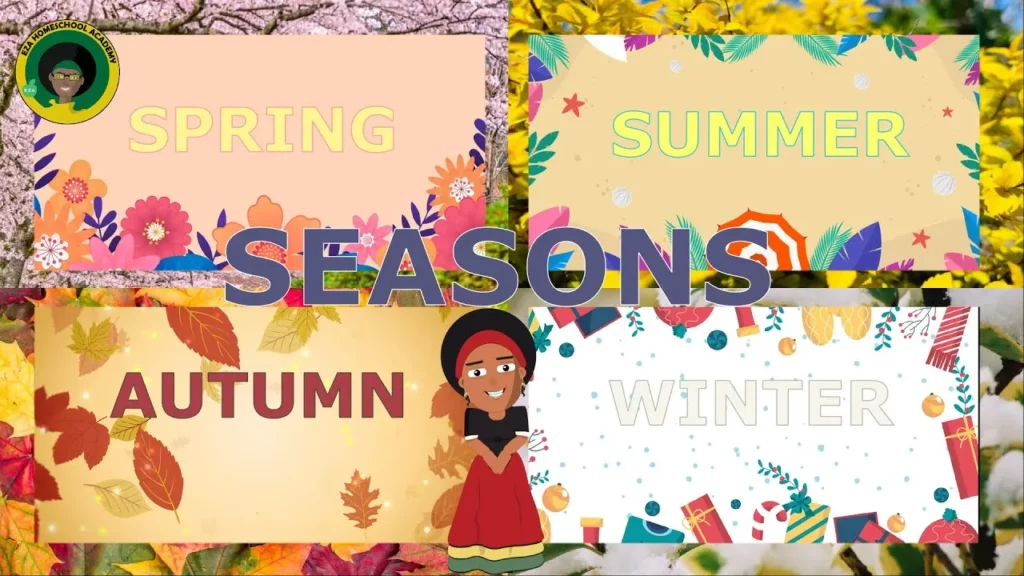
In this lesson, students learn about the four seasons—spring, summer, autumn, and winter—and how they are influenced by the Earth’s tilt as it orbits the Sun. Each season brings unique weather patterns and changes in nature, affecting activities and experiences around the world. The lesson also highlights that seasons vary depending on geographical location, making them different in the northern and southern hemispheres.
The Water Cycle
In this lesson, we explored the water cycle, a continuous process that involves the movement of water through evaporation, condensation, and precipitation. We learned how water transforms from liquid to gas and back again, ultimately cycling through various forms and locations on Earth, which is essential for sustaining all living things. The lesson emphasized the importance of the water cycle in maintaining the planet’s water supply and highlighted the role of plants in this vital process.
Life Cycle of an Apple: All about Apples
In this lesson, we explored the life cycle of an apple, starting from a tiny seed that grows into a young tree. We learned about the important roles of nature, such as pollination by bees, in the development of apples, which eventually grow and can be enjoyed in various delicious forms. The cycle continues as fallen apples decompose, enriching the soil for new seeds to sprout and begin the journey anew.
Giraffes
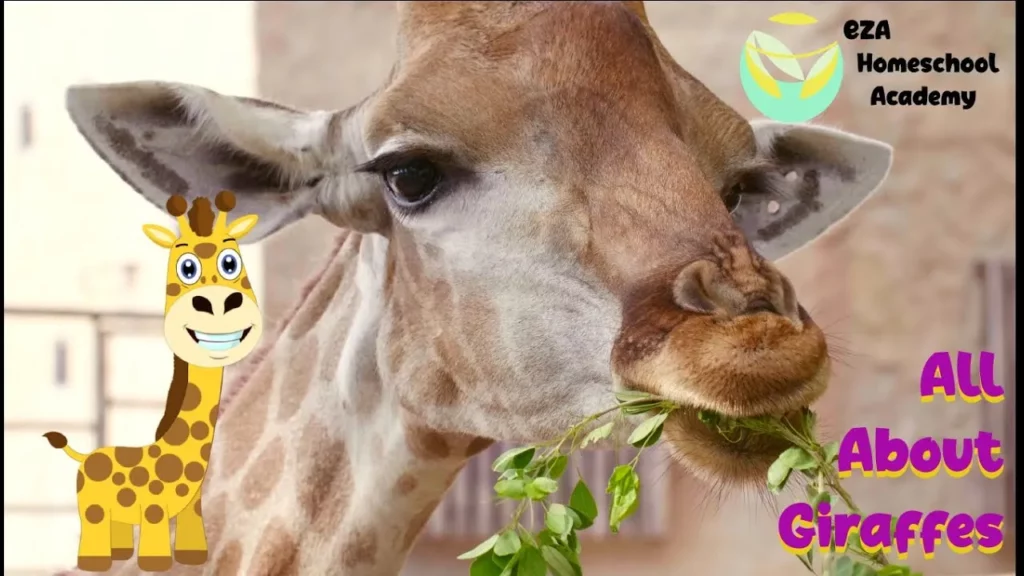
In this lesson, students learn about giraffes, the tallest animals on Earth, known for their long necks and unique characteristics. They discover the different types of giraffes, their diet as herbivores, their sleeping habits, and the importance of conservation efforts to protect these magnificent creatures from declining populations. The lesson emphasizes the need to appreciate and safeguard giraffes for future generations.
The Digestive System
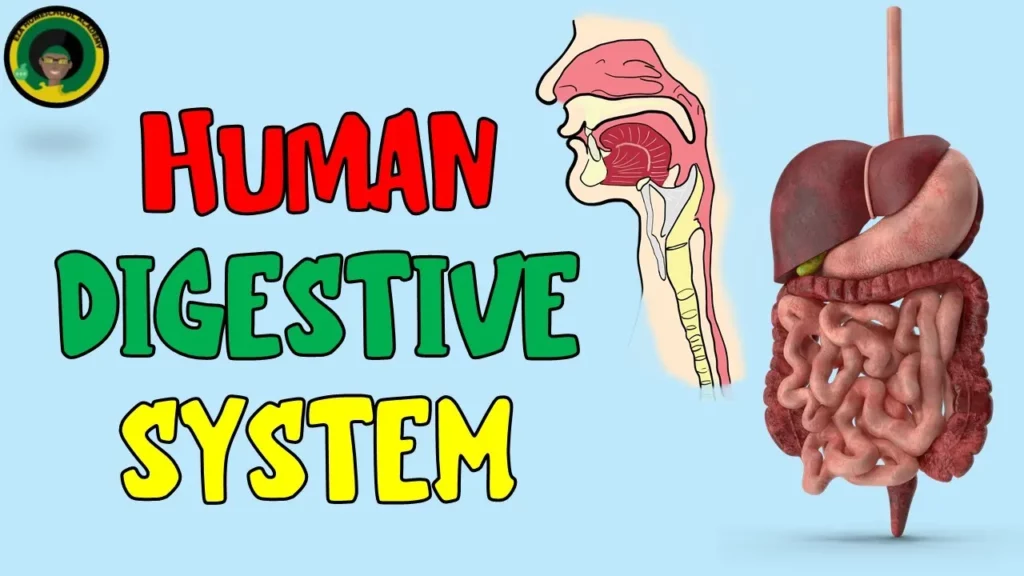
In today’s lesson, we explored the digestive system, which functions like a food-processing factory that breaks down food into essential nutrients for energy, growth, and repair. We examined the key components of the system, including the mouth, esophagus, stomach, small intestine, large intestine, and anus, each playing a vital role in digestion and waste elimination. Understanding how these parts work together helps us appreciate the complexity and importance of maintaining a healthy digestive system.
The Respiratory System
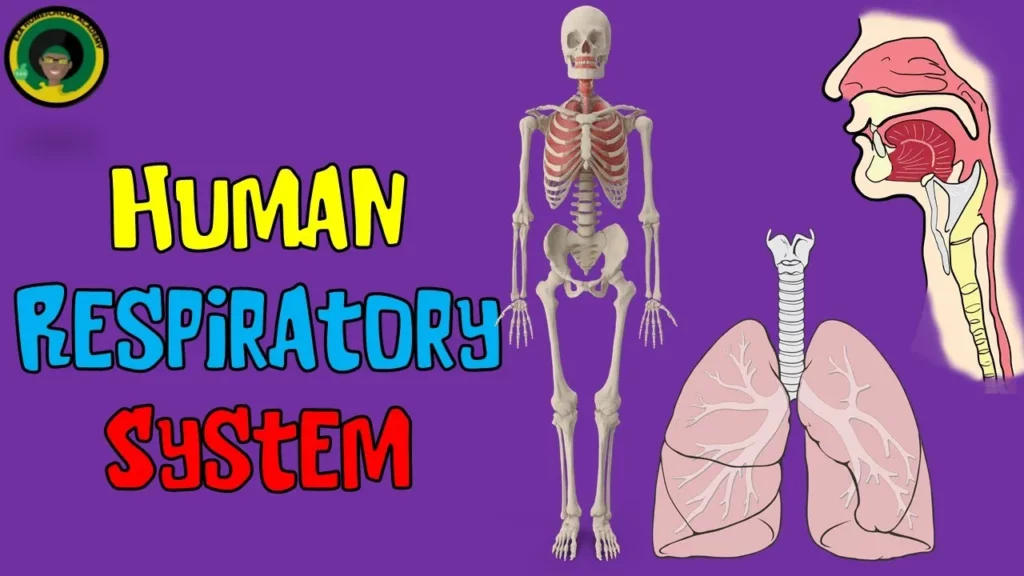
In this lesson, we explored the respiratory system, which is essential for breathing and maintaining life by bringing in oxygen and removing carbon dioxide. We learned about the upper and lower respiratory tracts, including key structures like the nose, pharynx, larynx, trachea, bronchi, and alveoli, where the crucial gas exchange occurs. Understanding how these components work together helps us appreciate the importance of the respiratory system in our daily activities and overall health.