
When Was Bronze Discovered?
The lesson explores the discovery of bronze, a significant advancement made by mixing copper with tin during the Bronze Age (around 3300 to 1200 BCE). This innovation led to stronger tools and weapons, greatly improving agricultural efficiency and warfare capabilities, which transformed daily life and societal structures. Understanding the impact of bronze helps us appreciate human innovation and its role in shaping history.
Who Built The Eiffel Tower?

The lesson explores the history and significance of the Eiffel Tower, which was constructed for the 1889 World’s Fair in Paris to showcase engineering prowess. Designed by Gustave Eiffel and his team, the tower took over two years to build and was initially intended as a temporary structure, but its popularity led to its preservation. Today, it stands as a symbol of Paris and a testament to 19th-century engineering advancements, attracting millions of visitors each year.
What is a Fraction?

In this lesson, we explore the concept of fractions, which represent parts of a whole, using relatable examples like chocolate bars and pizzas. Fractions help us quantify portions in everyday life, such as dividing a day into hours. The lesson encourages engaging with fractions through fun activities, highlighting their presence in various aspects of our lives.
What Is a Hammerhead Shark?

The lesson introduces hammerhead sharks, highlighting their distinctive hammer-shaped heads that enhance their vision and hunting abilities. With eyes positioned at the ends of their heads, these sharks can see in multiple directions simultaneously, making them effective predators. Additionally, the lesson shares fun facts about the different species of hammerhead sharks and their habitats, emphasizing their unique adaptations and importance in the ocean ecosystem.
How Big is Alaska?

The lesson explores the vastness and diversity of Alaska, the largest state in the United States, highlighting its unique landscapes ranging from icy tundras to lush rainforests. It also discusses Alaska’s special location at the edge of the Arctic Circle, which results in unusual daylight patterns, with long summer days and extended winter darkness. Additionally, the lesson shares fun facts about Alaska, including its numerous rivers and lakes, the towering Denali mountain, and its rich wildlife, emphasizing the state’s remarkable features and natural wonders.
When Did The Megalosaurus Roam The Earth?
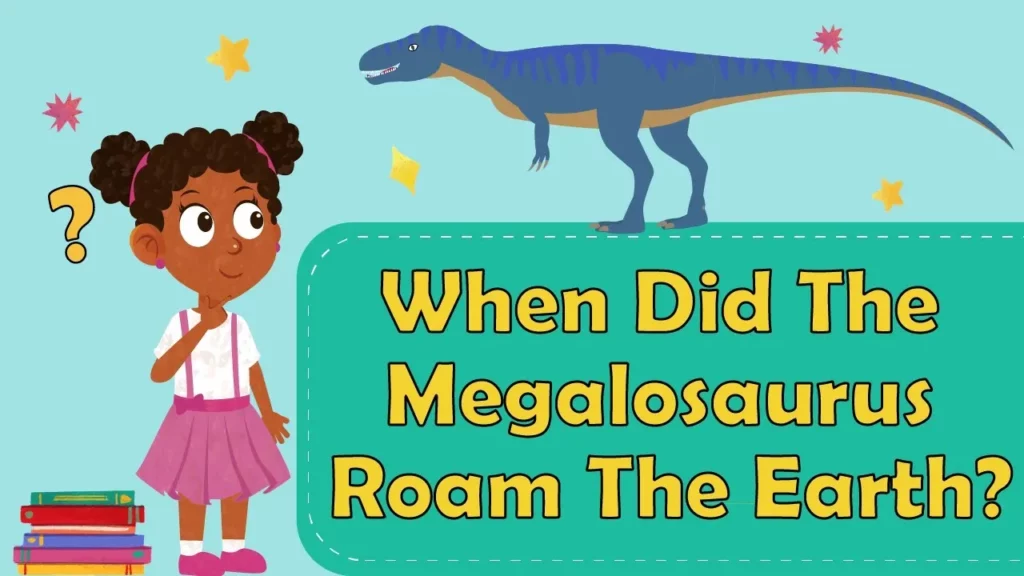
The Megalosaurus was a significant dinosaur that roamed the Earth during the middle Jurassic Period, approximately 166 million years ago, a time when dinosaurs began to dominate the planet. This era was characterized by warm climates and abundant vegetation, which supported a diverse range of dinosaur species and facilitated their evolution. Studying the Megalosaurus not only enhances our understanding of dinosaur history but also highlights the importance of this lesser-known period in the broader context of paleontology.
What Is Mindfulness Meditation?
Mindfulness meditation is a practice that combines mindfulness and meditation to help individuals become more aware of their thoughts, feelings, and surroundings, promoting a sense of peace and relaxation. By focusing on the present moment and gently letting go of overwhelming emotions, practitioners can experience reduced stress, improved focus, and greater emotional understanding. This accessible practice can be done anywhere and offers numerous benefits for mental well-being.
How to Make Money Tips

In this lesson, we learn about the concept of earning money through various jobs and tasks, especially from the perspective of a seven-year-old who wants to buy a BMX bike. The lesson emphasizes that earning money involves doing work, and it provides practical examples of small jobs that children can do, such as helping with chores or assisting family members. The key takeaway is that hard work can lead to achieving personal goals, like saving up for a desired item.
What is a Centaur?
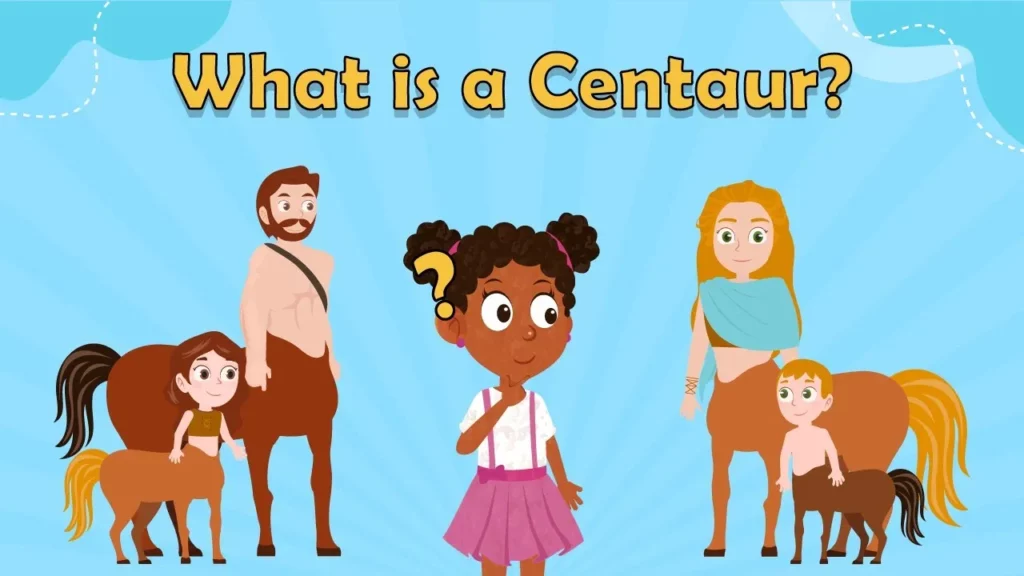
The lesson introduces centaurs, mythical creatures that are half-human and half-horse, highlighting their unique characteristics. Centaurs are depicted as strong, fast, and brave warriors, known for their intelligence and talents in various arts. The lesson encourages readers to draw inspiration from centaurs, emphasizing the values of strength, bravery, intelligence, and creativity.
What Is Fair Trade Chocolate?

The lesson on fair trade chocolate highlights the importance of understanding the origins of chocolate and the conditions under which cocoa farmers work. Fair trade chocolate ensures that farmers receive fair wages and work in good conditions, promoting ethical practices and sustainability in the chocolate industry. By choosing fair trade products, consumers can positively impact the lives of cocoa farmers and contribute to a more equitable and environmentally friendly world.