
What Is a Gnome?
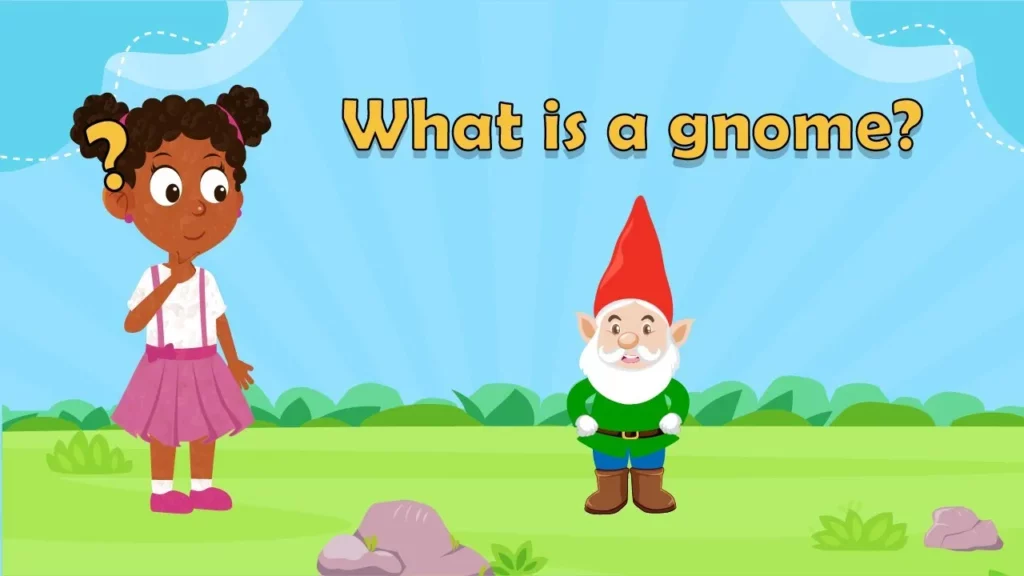
Gnomes are magical, tiny creatures often depicted as little men with long beards and pointy hats, commonly found in stories and gardens. They are known for their playful nature, sometimes playing tricks on people, but they can also be kind and helpful, acting as guardians of nature by caring for plants and animals. Whether sneaky or supportive, gnomes embody a whimsical connection to the natural world.
Are Butterflies Pollinators?
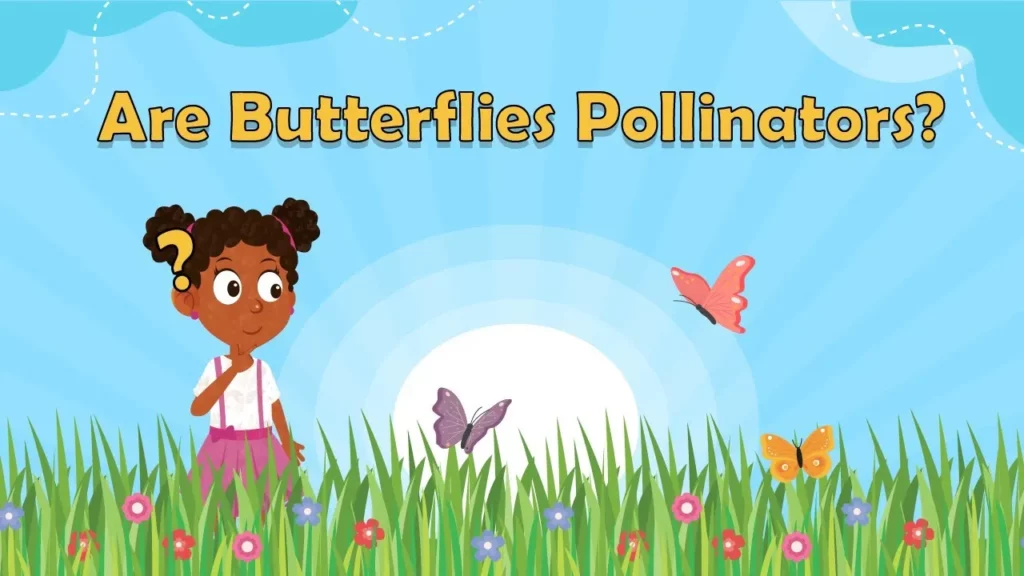
In this lesson, we learn that butterflies play a crucial role as pollinators by transferring pollen between flowers while they feed on nectar. This process of pollination is essential for plant reproduction, enabling the growth of fruits and seeds, which in turn supports our food supply. Additionally, the lesson highlights that butterflies are not alone in this task, as other creatures like bees and birds also contribute to maintaining a healthy ecosystem.
How to Add
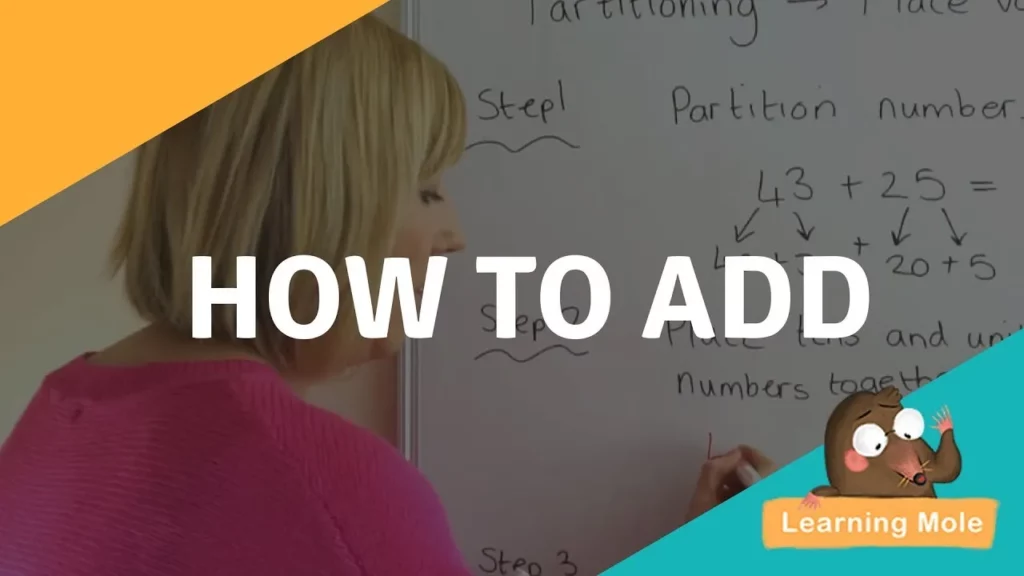
In this lesson, we learned a fun and effective method for adding numbers by breaking them down into smaller parts, a technique known as “partitioning.” By separating numbers into tens and units, we can easily group and add them, ultimately combining the sums to find the total. Practicing this method with various numbers will enhance your addition skills and make the process more enjoyable.
Recycling Facts for Kids
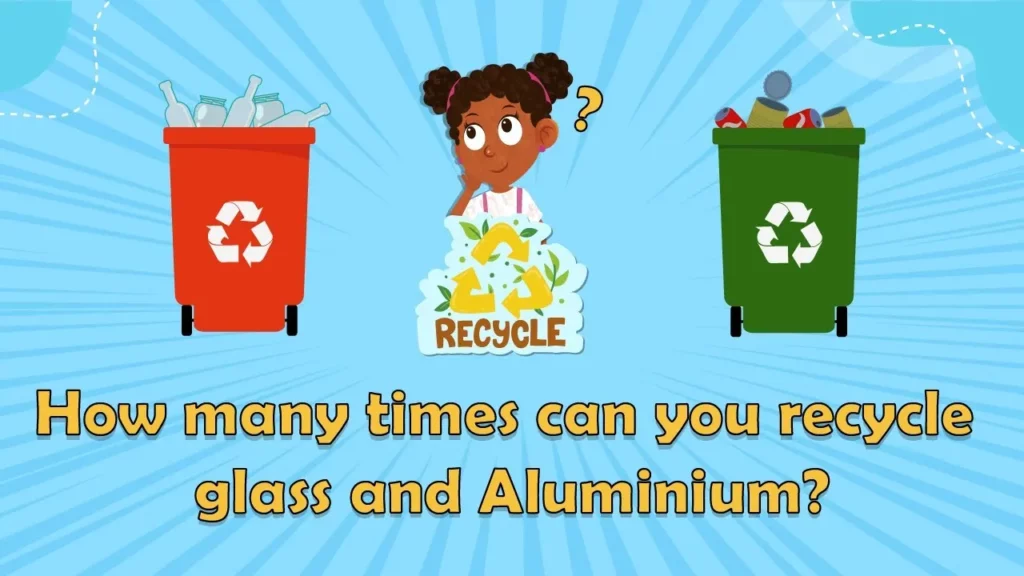
The lesson on recycling highlights the importance of recycling materials like aluminum and glass, emphasizing that they can be recycled multiple times with significant energy savings. It explains how recycling reduces waste, conserves natural resources, and helps protect the environment, encouraging kids to make eco-friendly choices, such as using aluminum cans instead of plastic bottles. Fun facts illustrate the quick turnaround of recycled aluminum and the endless recyclability of glass, reinforcing the message that every small action contributes to a healthier planet.
How Does Camouflage Help Animals?
The lesson explores the concept of camouflage and its importance for animal survival, highlighting how various species use this adaptation to evade predators. Chameleons change color to blend in with their environment, zebras use their stripes to confuse predators, and some animals display bright warning colors to signal danger. Overall, camouflage serves as a crucial survival strategy, allowing animals to hide effectively and avoid threats in the wild.
What is gravity?
This lesson explains the concept of gravity, a force that pulls objects towards each other, which is essential for keeping us grounded on Earth. It highlights how gravity allows us to walk and play without floating away, contrasts the effects of gravity on Earth with its weaker presence in space, and emphasizes its importance in maintaining the orbits of planets and our atmosphere. The lesson encourages hands-on exploration of gravity through simple activities like dropping a ball or jumping.
What Are Dragons?
The lesson explores the captivating world of dragons, highlighting their diverse representations in global stories and legends. Typically depicted as large, reptilian creatures with wings and the ability to breathe fire, dragons can be portrayed as either fearsome monsters or wise allies. Their varying appearances and special features, such as horns and glowing eyes, reflect the rich cultural significance they hold in mythology.
How Do Wind Turbines Work?
Wind turbines are large structures that convert the energy of the wind into electricity, functioning like giant fans that harness wind power. When the wind blows, it spins the blades of the turbine, which in turn activates a generator to produce electricity. This clean and renewable energy is then transmitted through power lines to homes and businesses, helping to reduce pollution and protect the environment.
What did Pegasus Symbolise?
The lesson explores the significance of Pegasus, a legendary winged horse symbolizing nobility and purity. It highlights Pegasus’s enduring presence in art and literature, as well as its role in navigation for ancient sailors through the Pegasus constellation, which served as a guide and a symbol of good luck. Overall, Pegasus represents inspiration and the timeless values of honor and purity, encouraging us to reflect on its meanings when we gaze at the night sky.
What is Decoding
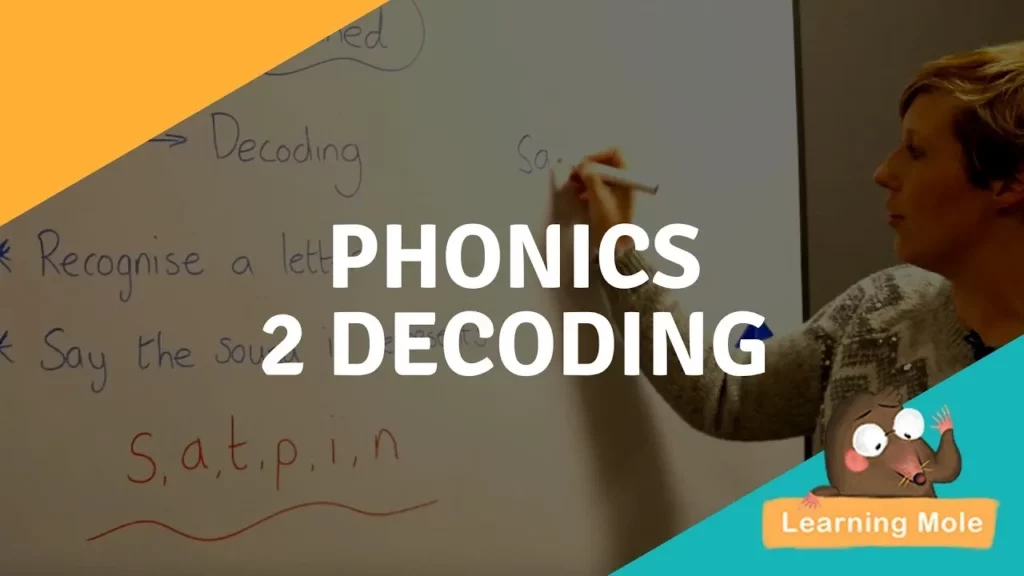
In this lesson, we learned about decoding, a key skill in phonics that helps us read by recognizing the sounds that letters make. By understanding individual sounds and combining them, we can create simple words, such as “sat” and “pat.” With practice, decoding empowers us to read more words and enjoy the world of books!